10 Best Model Train Maintenance Tools Every Enthusiast Needs
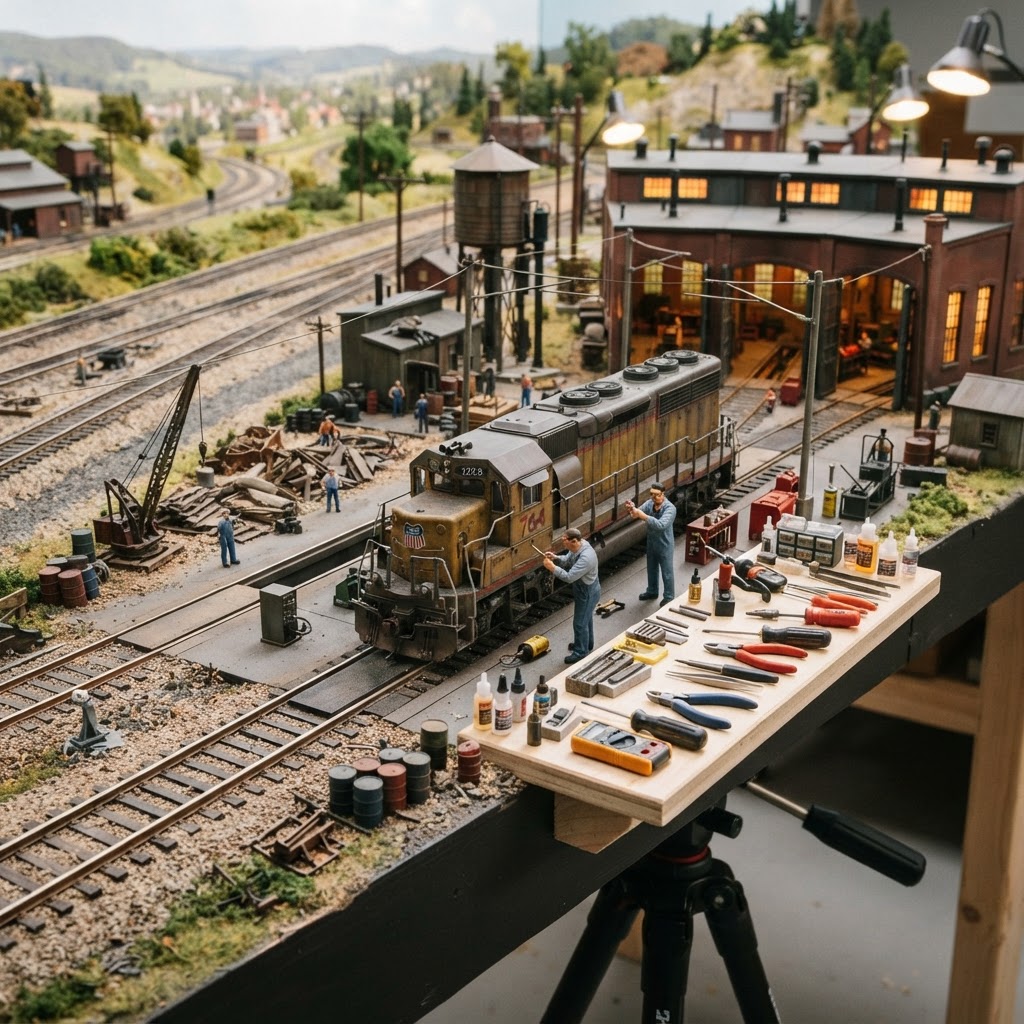
Whether you're a seasoned hobbyist or just unboxing your first layout, keeping your model railroad in top condition is essential for smooth, reliable operation. Having the best train maintenance tools on hand can mean the difference between a flawless running session and a frustrating afternoon of derailments and stalled locomotives. From cleaning tracks to lubricating drive gears, the right tools make every aspect of maintenance faster, easier, and more effective.
Model railroading is a hobby that rewards attention to detail. Dust, oxidation, debris, and worn components are the enemies of every layout — and they creep in whether you run your trains daily or once a month. A well-maintained layout not only looks better but performs better, extending the life of your locomotives and rolling stock significantly. If you're just getting started, you might also want to check out our guide to the Best Starter Model Train Sets For Beginners 2024: A Buyer's Guide to make sure your equipment is worth maintaining from day one.
In this guide, we've compiled the 10 best train maintenance tools every model railroader should own. Whether you run HO scale, N scale, O gauge, or anything in between, these tools will help you keep your railroad running at peak performance all year long. Let's dive in.
Why Maintenance Tools Matter for Model Railroaders
Before we get into the list, it's worth understanding why a dedicated maintenance toolkit is so important. Model trains operate in a surprisingly demanding environment. Tiny electric motors spin at high RPMs, wheel flanges grind against rails, and track surfaces accumulate grime that increases electrical resistance and causes signal loss.
For DCC users especially, poor track conductivity can wreak havoc on decoder performance. If you're newer to digital control systems, our article on DCC vs DC For Beginners: Choosing The Best Control System For Your Layout explains why clean, low-resistance track is so critical for digital layouts. The bottom line: investing in quality maintenance tools protects your investment in locomotives, track, and electronics.
The 10 Best Train Maintenance Tools for Model Railroaders
1. Track Cleaning Car
A track cleaning car is arguably the most essential tool on this list. These specially designed rolling stock pieces attach to your train and clean the rails as the locomotive pulls them around the layout. Most models use a felt pad or abrasive roller on the underside that scrubs oxidation and debris from the rail head as it travels.
Why you need it: Manual track cleaning is time-consuming on a large layout. A track cleaning car lets you clean while you run, making it a passive maintenance powerhouse.
Pro tip: Use a few drops of track cleaning fluid on the pad for best results on heavily oxidized rails. Check out our recommended products page for top-rated track cleaning cars across all scales.
2. Rail Cleaning Block (Bright Boy or Similar)
For spot cleaning and stubborn oxidation, a rail cleaning block — often called a "Bright Boy" — is indispensable. These abrasive rubber blocks are rubbed directly along the rail head to remove grime, rust, and oxidation quickly and effectively.
Why you need it: Track cleaning cars are great for routine maintenance, but a cleaning block gives you manual precision when you need to address a specific problem area.
Best practice: Use light, even strokes along the rail top. Avoid aggressive scrubbing, which can leave micro-scratches that attract debris faster over time.
3. Track Cleaning Fluid
No track cleaning toolkit is complete without a good liquid cleaner. Track cleaning fluids dissolve oils, carbon deposits, and oxidation without damaging the rail or surrounding scenery. Products like Woodland Scenics Rail Zip or LGB Track Cleaning Fluid are popular choices among hobbyists.
Why you need it: Abrasive cleaning alone doesn't remove oil-based contamination. A quality fluid lifts and dissolves what blocks can't.
Pair it with: Apply with a lint-free cloth or use it in combination with your track cleaning car for maximum effect. If you're building on The Best HO Scale Track Options, keeping those rails clean from the start will preserve their longevity.
4. Precision Lubrication Kit
Lubrication is one of the most overlooked aspects of model train maintenance. Motor bushings, drive shafts, gears, and wheel axles all require specific types of lubrication at regular intervals. A precision lubrication kit typically includes light oil for motors and bearings, heavy plastic-compatible grease for gears, and applicator needles or micro-brushes for pinpoint accuracy.
Why you need it: Under-lubrication causes premature wear. Over-lubrication attracts dirt and can damage plastic components. Precision matters.
Critical rule: Never use WD-40 on model trains. It's a solvent and degreaser, not a lubricant, and it will dissolve plastic parts and strip factory lubricants.
5. Soft-Bristle Detail Brushes
A set of soft-bristle brushes — the kind used for miniature painting — are incredibly useful for dusting out motor housings, cleaning wheel treads, and removing debris from intricate locomotive details without causing scratches.
Why you need it: Canned air can drive debris deeper into motors. Brushes give you physical control to sweep debris away safely.
Bonus use: These same brushes are invaluable for applying weathering powders and cleaning delicate locomotive details, making them a dual-purpose tool for any modeler.
6. Digital Multimeter
A digital multimeter is the diagnostic backbone of any serious model railroader's toolkit. It measures voltage, resistance, and continuity, allowing you to troubleshoot dead track sections, identify faulty wiring, test decoder outputs, and verify that your power supply is performing correctly.
Why you need it: When something goes wrong electronically — and it will eventually — guessing wastes time. A multimeter gives you real data to diagnose the problem quickly.
DCC users take note: Multimeters are essential for troubleshooting DCC decoder issues. For more on DCC systems, see our comprehensive guide on DC vs DCC Control Systems: A Comprehensive Guide for Model Railroaders.
7. Wheel Cleaning Tool
Dirty locomotive wheels are one of the most common causes of erratic running, stalling, and signal loss on model railroads. Wheel cleaning tools typically consist of a small reservoir pad soaked in track cleaning fluid and a guide rail that holds the locomotive steady while the powered wheels spin against the cleaning surface.
Why you need it: Locomotive wheels accumulate a black carbon/grime residue from rail contact. Even a thin layer dramatically reduces electrical pickup efficiency.
How often: Clean locomotive wheels every 3–5 operating hours, or whenever you notice sluggish performance. This is especially important for older locomotives — if you're running vintage steam engines, check out our guide to the Top 7 Best Steam Locomotives For Serious Collectors for maintenance considerations specific to those models.
8. Fine-Point Tweezers and Picks
Fine-point tweezers and dental-style picks might seem like simple tools, but they're invaluable for model railroad maintenance. They allow you to remove tiny debris from track joints, retrieve dropped screws from hard-to-reach places, adjust fine decoder wiring, and seat small couplers and springs precisely.
Why you need it: Model trains operate on a tiny scale. Human fingers simply can't manipulate many components without the right precision tools.
Recommended set: Look for a set that includes straight and angled tweezers, a sprue cutter, and at least one fine dental pick. Visit our recommended products page for curated options.
9. Soldering Iron and Solder (Fine Gauge)
For any model railroader who wires their own layout — which eventually includes most serious hobbyists — a quality soldering iron is a must-have maintenance tool. It's used for joining feeder wires to rails, repairing decoder connections, fixing broken lighting circuits, and securing track bus wiring.
Why you need it: Soldering creates permanent, low-resistance electrical connections that push-on connectors simply can't match. Good solder joints are the foundation of reliable track power.
Getting started with DCC wiring: If you're moving from DC to a digital layout, our Best Starter DCC Sets: A Beginner's Guide to Digital Command Control covers the wiring basics you'll need to know.
Tool spec to look for: A temperature-controlled soldering iron with a fine tip (around 25–40 watts) gives you the precision needed for delicate model railroad work without risking heat damage to plastic components.
10. Magnification Visor or Loupe
The final essential tool is one that many hobbyists overlook until they've struggled one too many times to see a tiny coupler spring or decoder solder pad. A magnification visor — worn like a headband — or a jeweler's loupe provides the close-up vision you need for detailed work on small-scale models.
Why you need it: N scale and Z scale components are genuinely tiny. Even HO scale decoder work benefits greatly from magnification. Better visibility means fewer mistakes and less frustration.
Pro tip: Look for a visor with built-in LED lighting for the best working conditions when doing under-locomotive maintenance.
Building Your Model Train Maintenance Routine
Owning the right tools is only half the battle. Establishing a consistent maintenance routine ensures your layout stays in top condition without requiring marathon cleaning sessions.
Weekly Maintenance Checklist
- Wipe down rail tops with a lint-free cloth or run your track cleaning car
- Inspect locomotive wheels for carbon buildup
- Check coupler alignment on frequently used rolling stock
Monthly Maintenance Checklist
- Use a Bright Boy block on any sections showing oxidation
- Apply lubrication to locomotive motors and drive gears (check manufacturer specs)
- Inspect all electrical connections and feeder wires
- Test track continuity with your multimeter
Annual Maintenance
- Deep clean all locomotives with a wheel cleaning tool and detail brushes
- Check all solder joints and re-solder any that show signs of cold joints or corrosion
- Replace worn track sections, particularly in high-traffic areas
If you're running sophisticated DCC locomotives, proper maintenance becomes even more critical. Our article on DCC vs DC Locomotives: The Ultimate Guide for Beginners goes into detail about the specific care requirements for decoder-equipped engines.
Frequently Asked Questions
How often should I clean my model train tracks?
For best performance, clean your tracks lightly before every operating session, especially if the layout hasn't been used in a while. A full cleaning with a track cleaning car and fluid should be done at least once a month for regularly used layouts. Layouts in dusty environments may need more frequent attention.
Can I use household cleaners to clean my model train tracks?
Avoid most household cleaners, as many contain chemicals that can corrode metal rails, damage plastic ties, or leave residue that actually attracts more debris. Use products specifically formulated for model railroad track cleaning, such as Rail Zip or similar hobby-grade solutions.
What lubricant should I use on model train motors?
Use a very light machine oil (such as Labelle 108 or similar) on motor bushings and a plastic-compatible grease on gear trains. Always apply sparingly — a drop or two is usually sufficient. Never use WD-40, cooking oils, or 3-in-1 oil on model train components.
Do I need a soldering iron if I'm just running a basic starter set?
Not immediately. If you're running a plug-and-play starter set, you can get by without one. However, as your layout grows and you add feeders, lighting, and accessories, a soldering iron quickly becomes essential. If you're just getting started, check out our Best Locomotives for Beginners: Top 5 Reliable Trains to Start Your Collection guide before worrying too much about advanced tools.
Are these maintenance tools different depending on the scale I model in?
The core tools are the same across scales, but the size matters. N scale and Z scale hobbyists will want finer-tipped tweezers, more precise lubrication applicators, and stronger magnification than HO or O gauge modelers. Track cleaning tools are also scale-specific, so make sure any cleaning car you purchase is designed for your track gauge.
Conclusion
Maintaining your model railroad doesn't have to be a chore — with the right tools, it becomes a satisfying part of the hobby that pays dividends every time you watch your trains run smoothly around the layout. The best train maintenance tools aren't necessarily the most expensive; they're the ones you actually use consistently as part of a regular routine.
From a simple Bright Boy block and cleaning fluid to a digital multimeter and precision soldering iron, building your maintenance toolkit step by step is an investment in the long-term health of your entire layout. Start with the basics, add tools as your layout grows, and you'll never be caught off-guard by a stalled locomotive or dead track section again.
Ready to explore more? Browse our recommended products page for our top picks across every maintenance category, or dive into one of our other in-depth guides — like 10 Best Model Train Sets For Serious Adult Hobbyists In 2024 or the Lionel vs MTH: Choosing The Perfect O Gauge Brand For Your Collection comparison — to keep building your knowledge and your layout.
Affiliate Disclosure: Some links in this article are affiliate links. We may earn a commission at no extra cost to you.
Enjoying this guide?
Browse our favorite recommended products.
James Mitchell
Model Train Enthusiast & Writer
James has been building layouts and collecting trains for over 15 years. He started Model Train Insider to help newcomers navigate the hobby with practical, no-nonsense advice drawn from hands-on experience.
Stay on Track
Get beginner guides, brand reviews, and layout tips delivered to your inbox. No spam—just trains.
Free forever. Unsubscribe anytime.
Related Articles
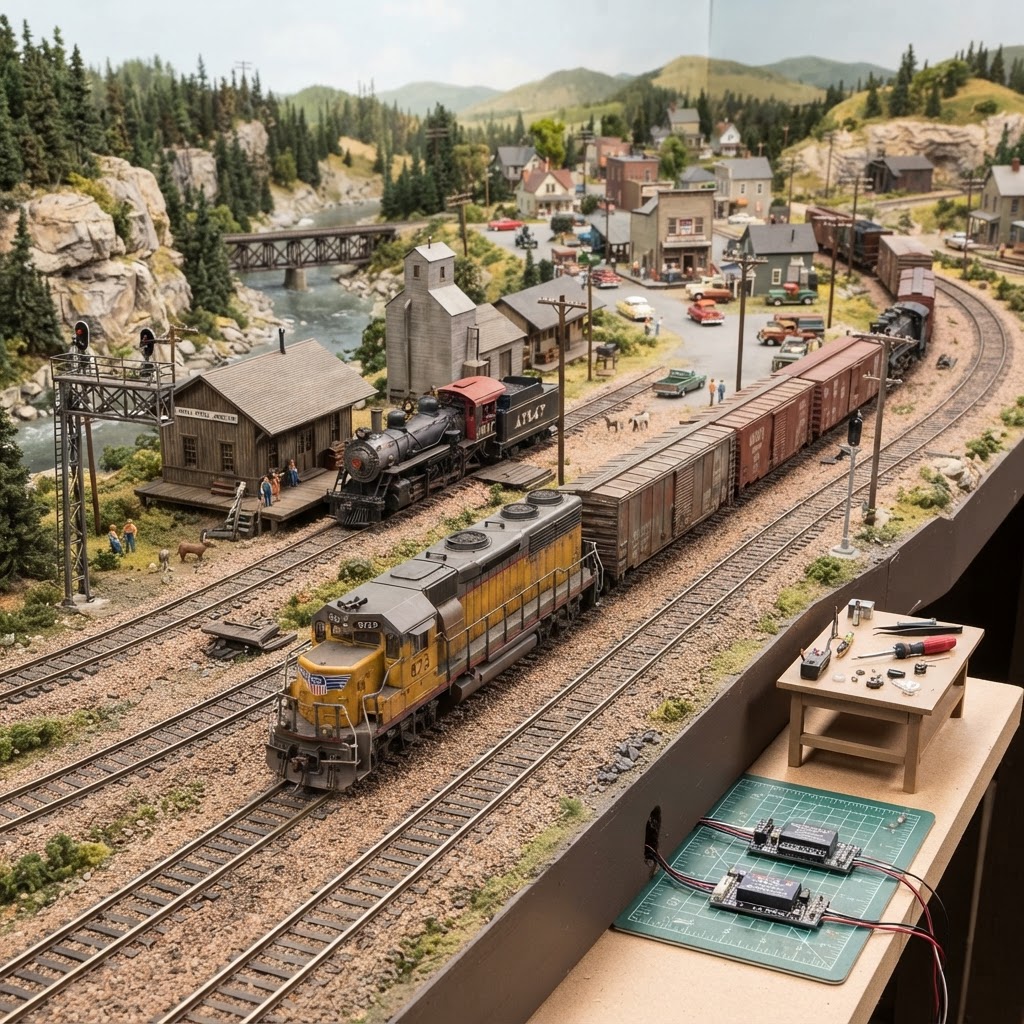
The Best DCC Decoders for Locomotive Upgrades: A Comprehensive Guide
Transform your model railroad fleet with our expert guide to the best DCC decoders for locomotive upgrades. Boost performance and sound quality today.
Read more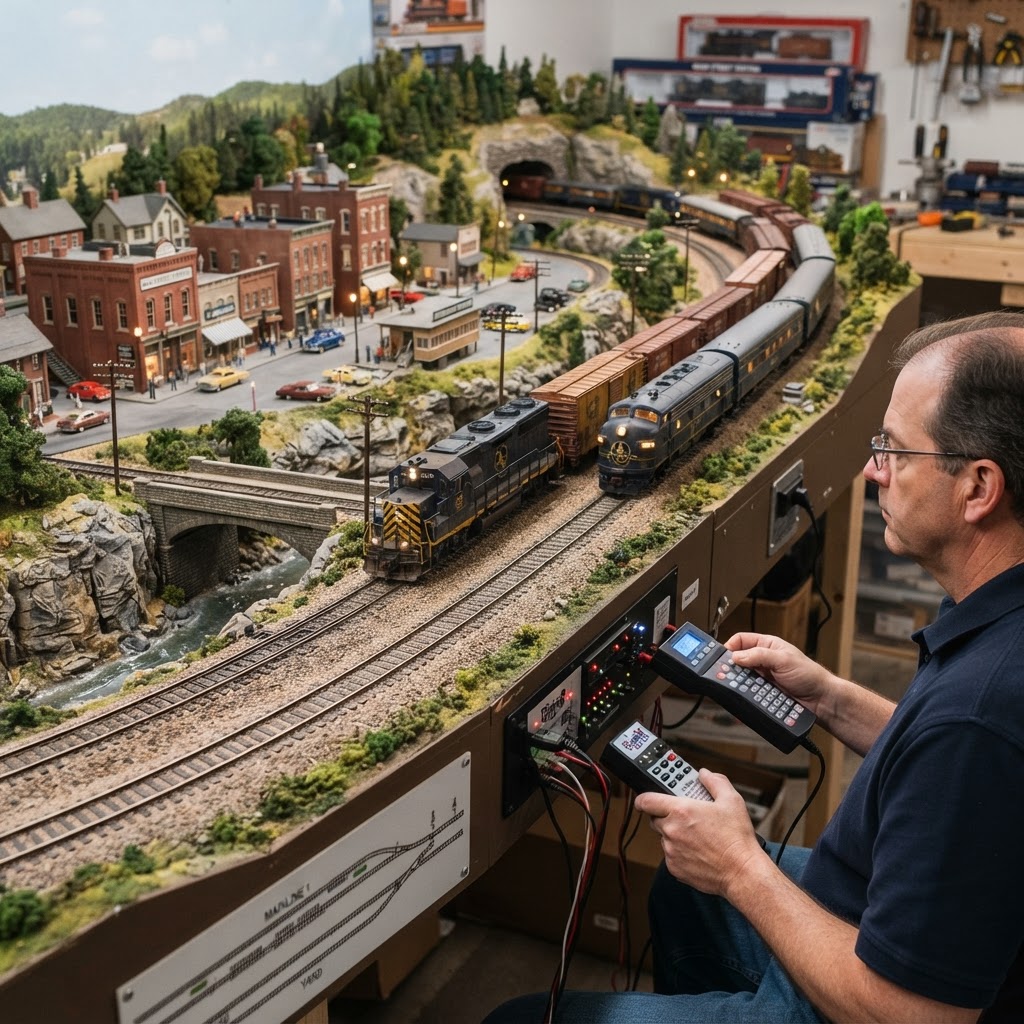
DCC Controller Review: Top 5 Picks for Precision Control and Best Value
Looking for the right DCC controller? Our comprehensive review breaks down the best value units for model train hobbyists seeking precision and easy operation.
Read more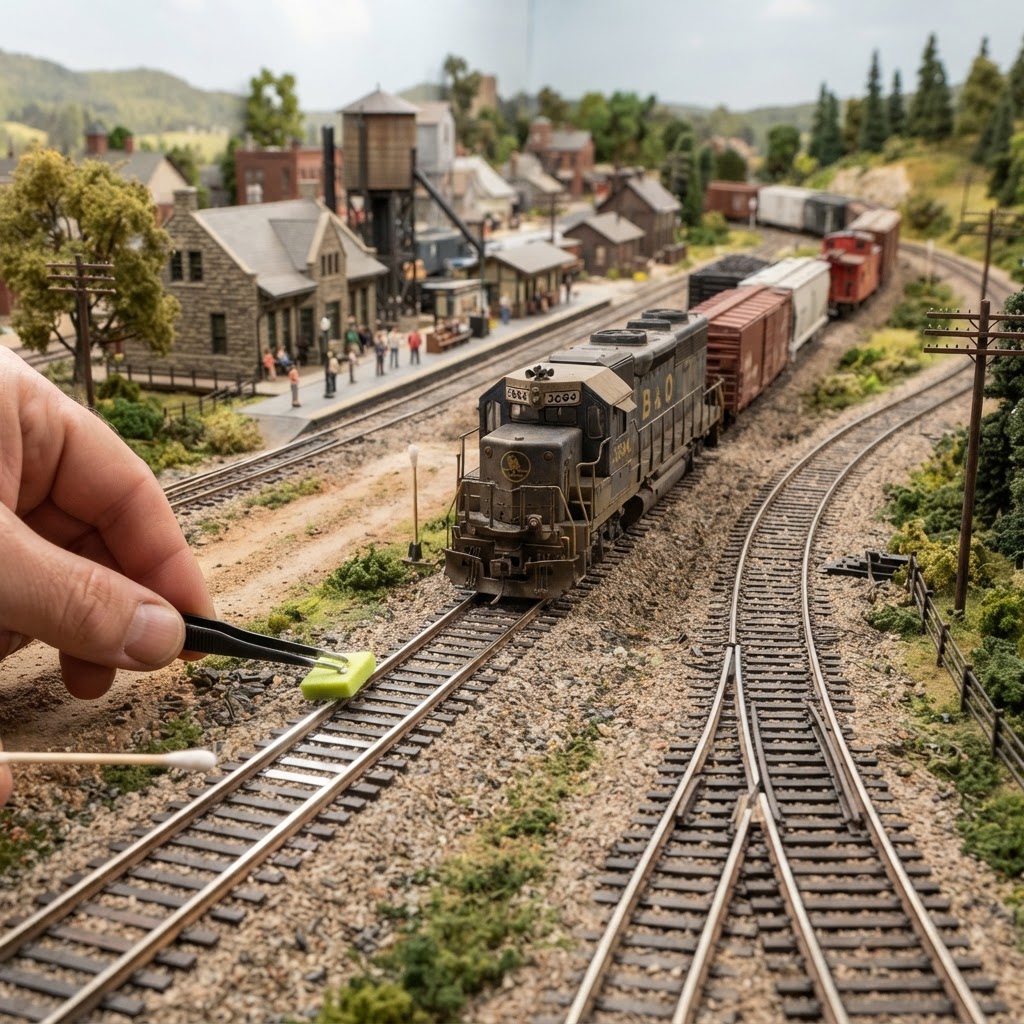
How to Clean Track Rails Effectively: The Ultimate Guide for Smooth Running Trains
Learn how to clean track rails effectively to ensure your model trains run smoothly. Discover the best tools and techniques for pristine, conductive tracks.
Read more