DC vs DCC Control Systems: A Comprehensive Guide for Model Railroaders
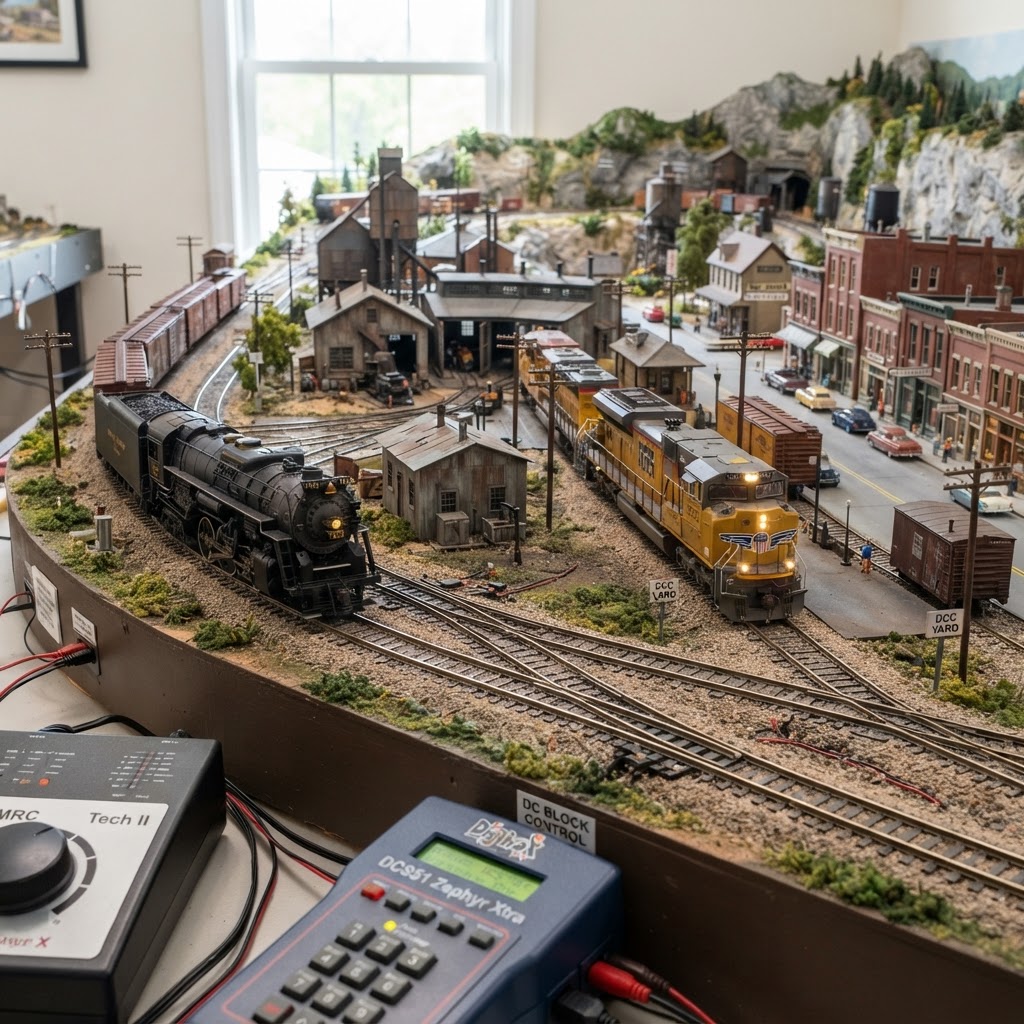
One of the most important decisions you'll make as a model railroader — whether you're just getting started or upgrading an existing layout — is choosing between DC vs DCC control systems. This single choice shapes everything from how you operate your trains to how much flexibility your layout will have in the future. It's a topic that generates plenty of debate in hobby shops and online forums alike, and for good reason: both systems have real advantages depending on your goals, budget, and experience level.
At its core, the difference between DC (Direct Current) and DCC (Digital Command Control) comes down to how electrical power is delivered to your locomotives and how those locomotives are controlled. DC is the traditional method that has powered model trains for decades, while DCC is a more modern, digitally-driven approach that offers dramatically expanded capabilities. Understanding what each system actually does — and what that means for your layout — is essential before you spend a single dollar on equipment.
In this guide, we'll break down everything you need to know about DC vs DCC control systems, from the technical basics to real-world practical considerations. Whether you're building your first layout or rethinking an existing one, this article will give you the clear, honest information you need to make the right call.
What Is DC Control?
DC, or Direct Current, is the original method for controlling model trains. It works by sending a direct electrical current through the track rails to the locomotive's motor. The speed of the train is controlled by adjusting the voltage — more voltage means more speed. To reverse direction, the polarity of the current is flipped.
How DC Control Works
A basic DC setup consists of a power pack (also called a transformer or throttle), a length of track, and a locomotive. The power pack regulates how much voltage flows into the rails, and the locomotive responds accordingly. It's elegantly simple, and that simplicity is one of DC's greatest strengths.
For layouts with a single locomotive running on a single loop, DC is more than adequate. The controls are intuitive, the equipment is affordable, and virtually every beginner set on the market is designed around DC operation. If you're just starting out and want to run trains without a steep learning curve, DC gets you there quickly.
Limitations of DC
Where DC starts to show its age is when you want to run multiple trains independently on the same layout. In a traditional DC setup, every locomotive on a powered section of track responds to the same voltage. That means if you raise the speed of one train, every other train on that block speeds up too.
To work around this, DC layouts use a technique called block wiring — dividing the layout into electrically isolated sections, each with its own power feed and throttle. While this works, it adds significant complexity in wiring, requires multiple power packs, and still doesn't give you the same seamless independent control that DCC provides naturally.
What Is DCC Control?
DCC, or Digital Command Control, is a digital system that sends a constant electrical signal through the track. Instead of varying the voltage to control speed, DCC uses digital packets of information. Each locomotive is fitted with a small electronic decoder chip that interprets commands sent from a DCC controller.
How DCC Control Works
With DCC, the track always carries a full, constant voltage. The DCC controller communicates with individual decoders using digital signals embedded in that voltage. Each decoder has a unique address, so you can send commands to specific locomotives — even if multiple engines are on the same track at the same time.
This is the fundamental game-changer. You can run two, five, or even ten locomotives completely independently on the same piece of track, each responding only to its own throttle commands. DCC also enables functions beyond just speed and direction, including:
- Sound effects (whistles, bells, engine noise, brake squeals)
- Lighting control (headlights, cab lights, ditch lights that can be toggled independently)
- Momentum simulation (realistic acceleration and deceleration)
- Consists (linking multiple locomotives to act as one unit)
If you want a deeper dive into the hardware side, check out our guide on DCC vs DC Locomotives: The Ultimate Guide for Beginners for a thorough breakdown of what goes inside these engines.
The Role of Decoders
Every DCC-equipped locomotive contains a decoder — a small circuit board that receives digital commands and translates them into motor and function outputs. Many modern locomotives come "DCC-ready," meaning they have a plug in place for easy decoder installation, or they come "DCC-equipped" with a decoder already installed. Some older or entry-level models are "DC-only" and require more significant modification to convert.
DC vs DCC: A Side-by-Side Comparison
To make the choice easier, here's how the two systems compare across the most important factors:
Cost
DC wins on upfront cost. A quality DC starter set can be had for well under $100, and the power pack is often included. DCC systems, by contrast, require a DCC controller (called a "command station") and decoders in each locomotive. Entry-level DCC command stations start around $100–$150, and decoders typically add $20–$50 per locomotive.
That said, when you factor in the cost of multiple DC throttles and block wiring components needed for a complex layout, the overall cost gap narrows considerably. For recommended products at multiple price points, we've rounded up our top picks to help you budget accurately.
Ease of Use
DC is simpler to learn. Plug in your power pack, connect it to the track, and you're running trains. There's no programming, no addresses to assign, and no decoders to configure. For younger hobbyists or those who just want a simple loop to enjoy, DC's simplicity is a real virtue.
DCC has a steeper learning curve. Programming decoders, assigning addresses, and understanding Configuration Variables (CVs) can feel intimidating at first. However, once you've set things up, operating multiple trains is actually easier with DCC than managing complex DC block switching.
Layout Complexity and Wiring
DCC wins for complex layouts. Because every locomotive responds to its own digital address, you don't need to wire your layout into isolated blocks just to run multiple trains. This reduces the overall wiring complexity dramatically on large layouts.
For smaller layouts — a simple oval or point-to-point — the wiring difference is negligible. But as your layout grows, DCC's wiring simplicity becomes a huge advantage. Pair this with a solid track foundation (see our guide to The Best HO Scale Track Options: A Guide to Building a Reliable Layout) and you'll have a rock-solid operating experience.
Realism and Features
DCC wins decisively. If operational realism matters to you, DCC isn't just better — it's in a completely different league. Sound-equipped DCC locomotives (often called "DCC Sound" units) produce incredibly realistic audio through onboard speakers. Lighting effects, momentum simulation, and back-EMF motor control (which helps maintain constant speed on grades) all contribute to a far more lifelike experience.
For DC operators, some of these effects are simply unavailable. Others can be partially replicated with special DC circuits, but the results don't come close to what a well-programmed DCC decoder delivers.
Compatibility
This is where things get nuanced. DC locomotives can be run on DCC layouts (in most cases) using a feature called "address 0" or zero-stretching, but they behave erratically with DCC sound functions and may run hot. It's not ideal for long-term use.
DCC-equipped locomotives can run on DC track, but sound and lighting functions won't work, and some decoders don't perform well on pure DC. The systems are partially but not fully cross-compatible, so your locomotive fleet matters.
Which Scale Are You Using?
Your choice of scale can also influence the DC vs DCC decision. In smaller scales like N scale, installing decoders can be physically challenging due to the compact size of locomotives. Micro decoders exist and work well, but they're more expensive and fiddlier to install.
If you're exploring N scale options, our Best N Scale Starter Sets For 2024: A Complete Buyer Guide covers sets in both DC and DCC configurations. You might also find our comparison of Bachmann vs Kato: The Ultimate Guide to N Scale Reliability helpful when evaluating specific locomotive brands.
For HO scale — the most popular scale in North America — DCC decoder installation is generally straightforward, and the wide range of DCC-equipped models makes the transition easy. Explore our 10 Best HO Scale Starter Sets for Beginners for options that include DCC out of the box.
Not sure what scale to start with at all? Our article on What Is the Best Beginner Train Scale? A Complete Guide to Starting Your Hobby and our thorough HO Scale vs N Scale comparison can help you decide before you commit to a control system.
When to Choose DC
DC is the right choice if:
- You're a first-time hobbyist who wants a simple, affordable entry point
- You plan to run only one or two trains on a modest layout
- You're buying for a child or as a gift and ease of use is the top priority
- Your budget is tight and you want to maximize rolling stock and scenery spending
- You're experimenting with model railroading before committing to a larger investment
When to Choose DCC
DCC is the right choice if:
- You want to run multiple trains independently on the same layout
- Sound and realistic lighting effects matter to you
- You're building a larger, more complex layout from the start
- You enjoy the technical and customization aspects of the hobby
- You're planning long-term and want a system that grows with you
If you're leaning toward DCC, our Best Starter DCC Sets: A Beginner's Guide to Digital Command Control is an excellent next stop — it covers the best entry-level command stations and decoder-equipped locomotives to get you started without breaking the bank.
Can You Switch Later?
Yes — but it's not seamless. Many hobbyists start with DC and later convert to DCC. The transition involves purchasing a DCC command station, installing decoders in your existing locomotives (or replacing DC-only engines with DCC-ready models), and potentially rewiring portions of your layout. It's doable and done frequently, but it does involve time and cost.
The smarter long-term play, if you think you'll eventually want DCC, is to buy DCC-ready or DCC-equipped locomotives from the start — even if you run them on a DC system temporarily. That way, the decoder installation is the only major step when you're ready to make the switch.
Having the right tools on hand makes any electrical work on your layout much easier. If you haven't stocked your workbench yet, our guide to the 10 Best Beginner Model Railroad Tools Every Hobbyist Needs covers everything from soldering irons to multimeters.
Frequently Asked Questions
Can I run DCC locomotives on a DC layout?
Technically yes, but it's not recommended for regular use. DCC-equipped locomotives can operate on DC power, but sound and lighting functions won't work, and some decoders may run hotter than intended. For occasional testing it's acceptable, but it's not a sustainable long-term setup.
Is DCC worth the extra cost for beginners?
It depends on your goals. If you're building a simple loop to enjoy casually, DC is perfectly fine and the savings are real. But if you plan to expand your layout, add more locomotives, or care about sound and realism, DCC is worth the investment from the start. Converting later costs more time and money than starting with DCC upfront.
Do all model train scales support DCC?
Most modern scales — HO, N, O, S, and G — have DCC support available. However, implementation varies. In smaller scales like N, decoder installation is more technically demanding. In larger scales like O, DCC is common but systems like Lionel's TMCC and MTH's DCS offer proprietary alternatives — see our Lionel vs MTH comparison for more on that.
What is a DCC decoder and do I need one for every locomotive?
A DCC decoder is a small circuit board installed in each locomotive that receives and interprets digital commands from the DCC controller. Yes — every locomotive you want to control independently on a DCC layout needs its own decoder with a unique address. Locomotives without decoders can still be placed on DCC track but cannot be controlled individually.
How hard is it to program DCC decoders?
Basic programming — setting a locomotive's address and adjusting speed steps — is straightforward with modern command stations that include on-screen menus. Advanced programming, such as fine-tuning motor response curves or configuring sound triggers via CVs, has a learning curve but is well-documented online and in manufacturer guides. Most hobbyists find that basic programming is easy enough to handle within an hour of getting started.
Conclusion
Choosing between DC vs DCC control systems ultimately comes down to where you are in the hobby and where you want to go. DC is a proven, affordable, and beginner-friendly system that works beautifully for simple layouts and casual enjoyment. DCC is a powerful, feature-rich platform that unlocks independent multi-train operation, realistic sound, and a level of customization that DC simply can't match.
If you're starting small and on a budget, DC is a perfectly valid foundation. If you have even a moderate interest in growing your layout and running multiple locomotives realistically, DCC will reward you many times over. And if you're somewhere in the middle — buy DCC-ready locomotives now, even if you run them on DC. Your future self will thank you.
Ready to dig deeper? Browse our full library of Beginner Guides to keep learning, or head over to our recommended products page to find the best gear for your setup. The hobby is waiting — and however you choose to power your layout, there's never been a better time to get started.
Affiliate Disclosure: Some links in this article are affiliate links. We may earn a commission at no extra cost to you.
Enjoying this guide?
Browse our favorite recommended products.
James Mitchell
Model Train Enthusiast & Writer
James has been building layouts and collecting trains for over 15 years. He started Model Train Insider to help newcomers navigate the hobby with practical, no-nonsense advice drawn from hands-on experience.
Stay on Track
Get beginner guides, brand reviews, and layout tips delivered to your inbox. No spam—just trains.
Free forever. Unsubscribe anytime.
Related Articles
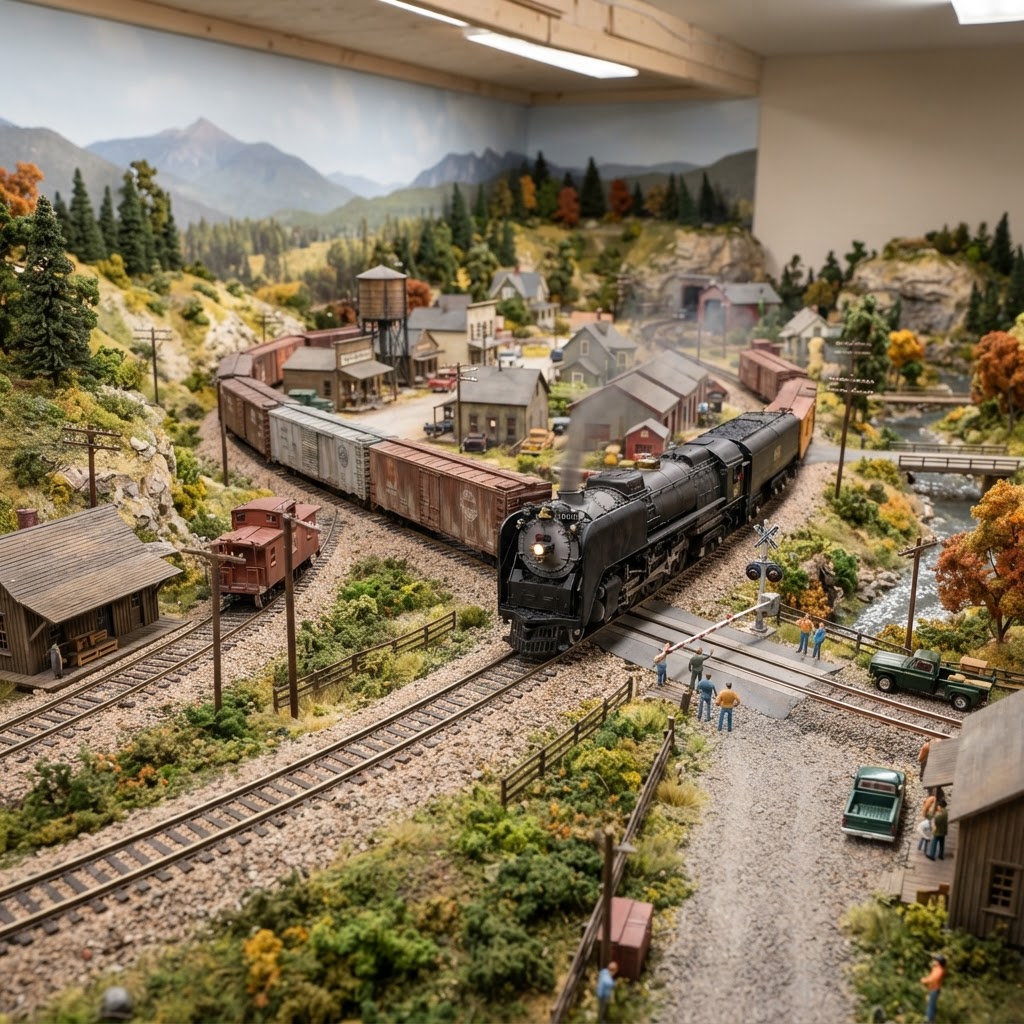
10 Best HO Scale Starter Sets for Beginners: Start Your Model Railroad Journey
Discover the 10 best HO scale starter sets for beginners. Learn how to choose the perfect train set to build your model railroad empire with confidence.
Read more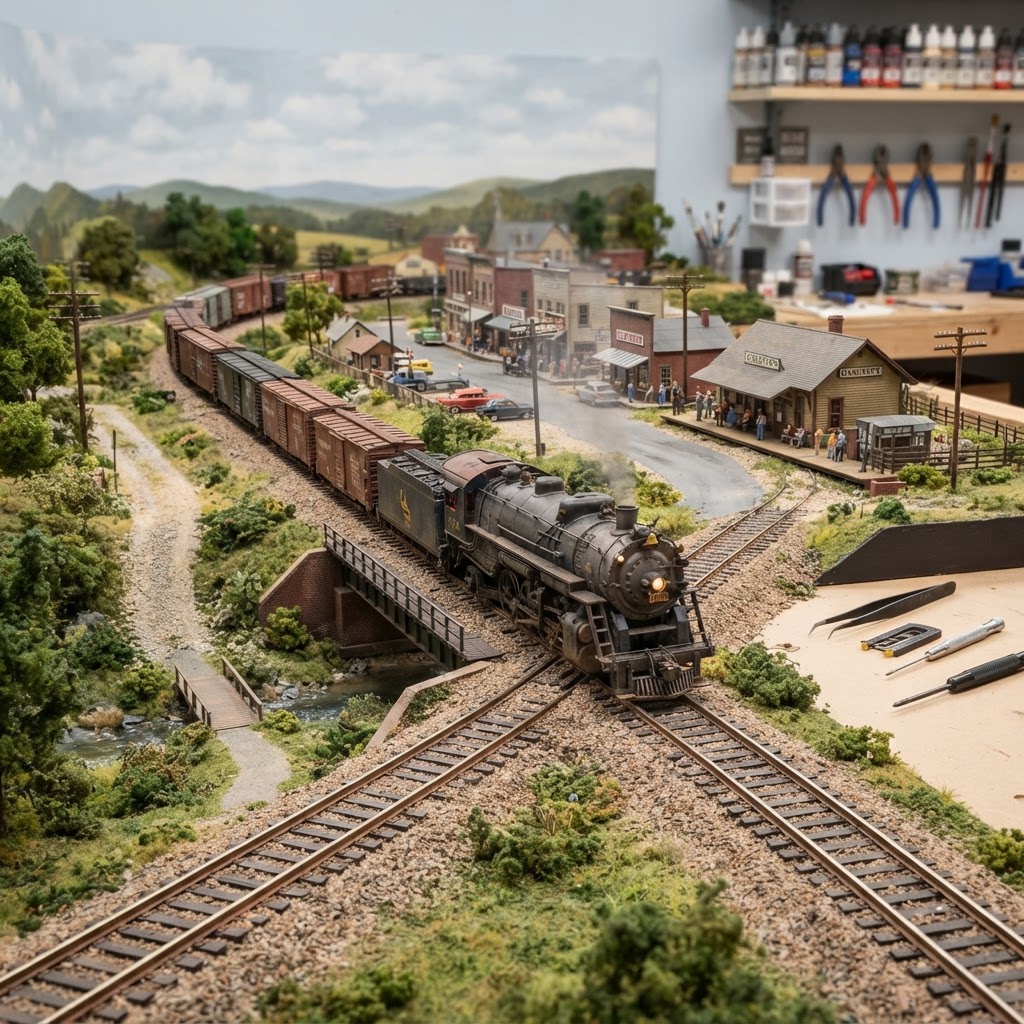
10 Best Model Train Tools Every Beginner Needs for Their Layout
Discover the 10 best model train tools essential for building and maintaining your layout. From precision cutters to adhesives, get your workbench ready today.
Read more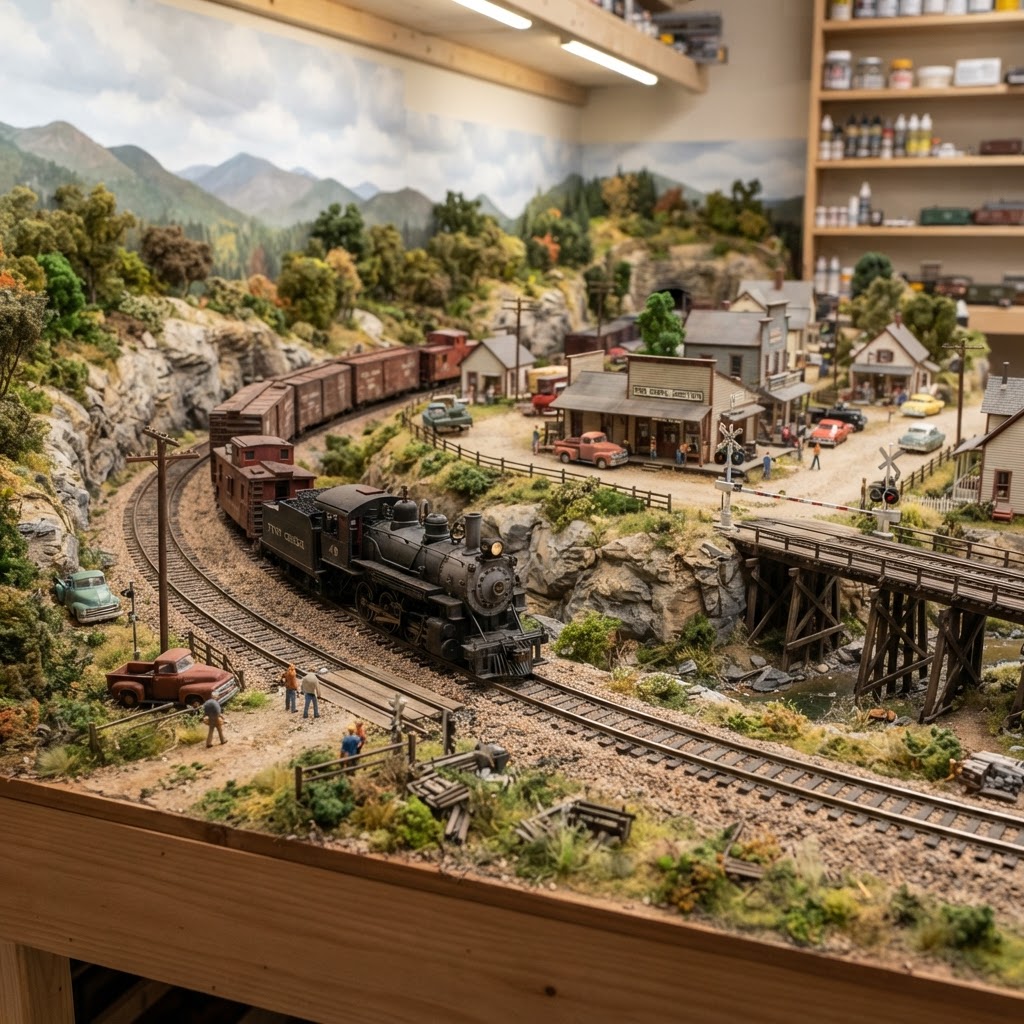
10 Best Beginner Model Train Sets for Starting Your Hobby Today
Looking for the best beginner model train sets? Explore our expert-reviewed list to find the perfect starter kit to begin your model railroading journey.
Read more