Best Locomotives for Beginners: Top 5 Reliable Trains to Start Your Collection
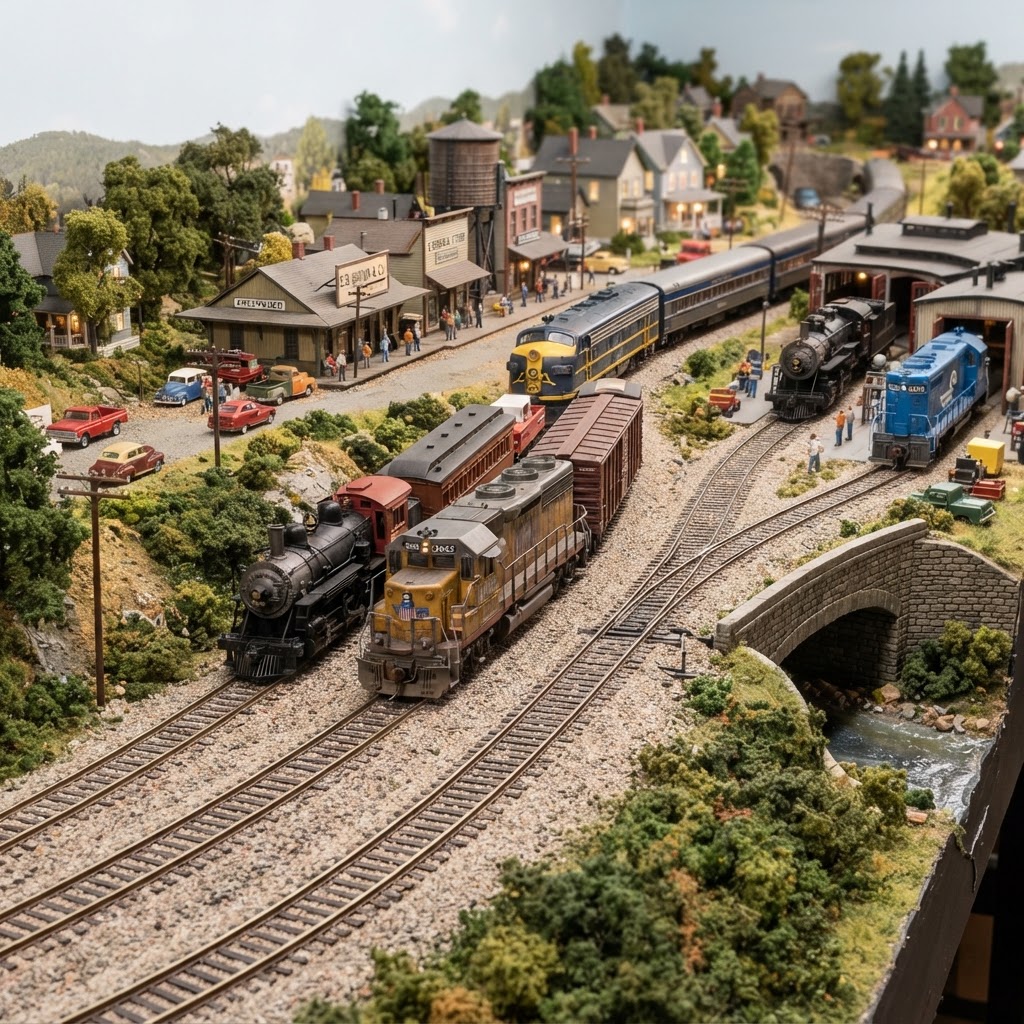
Getting started in model railroading is one of the most rewarding decisions a hobbyist can make — but it can also feel overwhelming when you're staring down an aisle full of locomotives and don't know where to begin. Choosing the best locomotives for beginners isn't just about picking the most affordable option or the prettiest paint scheme. It's about finding a model that runs reliably, fits your layout space, works with beginner-friendly control systems, and gives you room to grow as your skills develop. The right first locomotive sets the tone for your entire experience in the hobby.
The good news is that the model railroad market has never been more beginner-friendly. Major manufacturers like Bachmann, Athearn, Walthers, and Hornby have invested heavily in producing entry-level locomotives that don't sacrifice quality for affordability. Whether you're drawn to the romance of classic steam engines or the raw power of modern diesel units, there's a well-suited option waiting for you. This guide is designed to cut through the noise and point you toward locomotives that consistently earn high marks from new hobbyists and experienced collectors alike.
In this article, we'll cover the key factors to consider when choosing your first locomotive, break down the most popular model railroad scales for beginners, and highlight specific models worth putting on your shortlist. By the end, you'll have a clear, confident path forward — no matter your budget or preferred era of railroading.
What Makes a Locomotive "Beginner-Friendly"?
Before diving into specific recommendations, it's worth understanding what separates a great starter locomotive from one that will frustrate you out of the hobby before you've really begun.
Reliability and Smooth Operation
A beginner locomotive needs to run consistently on a variety of track conditions. New layouts often have minor imperfections — slight kinks, elevation changes, or less-than-perfect rail joints — and a quality starter locomotive should handle these without constantly stalling or derailing. Look for models with all-wheel drive and all-wheel electrical pickup, which dramatically improve performance on less-than-perfect track.
DCC-Ready or DCC-Equipped
Understanding your control system is critical from day one. Most modern beginner locomotives are either DCC-ready (can accept a decoder with a simple plug-in installation) or DCC-equipped (decoder already installed). If you're unsure which system suits your goals, our guide on DCC vs DC For Beginners: Choosing The Best Control System For Your Layout breaks down the decision clearly. For pure simplicity, a DC locomotive with a basic power pack is the easiest starting point, but DCC opens up far more creative possibilities as you grow.
Affordability Without Compromising Quality
Entry-level doesn't have to mean poor craftsmanship. Aim for locomotives in the $50–$150 range for HO scale and similar pricing for other scales. Spending more doesn't automatically make a better beginner experience, but going too cheap often means flimsy mechanisms that wear out quickly or run poorly.
Parts Availability and Manufacturer Support
Stick with locomotives from well-established brands that have been in the hobby for decades. Bachmann, Atlas, Kato, and Athearn all have excellent reputations for supporting their products with replacement parts and strong online communities.
Choosing the Right Scale First
Your locomotive choice is inseparable from your scale choice. Each scale has its strengths and trade-offs for beginners.
HO Scale — The Most Popular Choice
HO scale (1:87) is the dominant scale in model railroading for a reason. It offers the best balance of detail, affordability, and available track/accessory variety. Most beginners gravitate toward HO, and the selection of beginner locomotives in this scale is enormous. If you're building your first layout, HO is almost always the safest starting point. Check out The Best HO Scale Track Options: A Guide to Building a Reliable Layout to start planning your track alongside your locomotive choice.
N Scale — Compact and Space-Efficient
N scale (1:160) is ideal for hobbyists with limited space. Locomotives are smaller and more delicate, but modern N scale models run exceptionally well. If a large layout isn't feasible in your home, N scale lets you build an impressive railroad in a fraction of the space. Our Best N Scale Starter Sets For 2024: A Complete Buyer Guide is a great companion resource if this scale appeals to you.
O Scale — Classic American Tradition
O scale (1:48) is larger, more durable, and famously associated with Lionel — a brand many hobbyists grew up with. O scale is particularly popular for family-oriented layouts and holiday displays. If you're leaning toward this scale, read our comparison of Lionel vs MTH: Choosing The Perfect O Gauge Brand For Your Collection before making any purchases.
Best Locomotive Types for Beginners
Diesel Locomotives — The Easiest Starting Point
For most beginners, diesel locomotives are the practical first choice. Here's why: they tend to be mechanically simpler, they're forgiving on curves, and they represent the modern era of railroading that many new hobbyists find most relatable. EMD and GE diesel units are especially popular.
Top picks for beginners:
- Bachmann DCC-Equipped EMD GP40 — This is perhaps the single most recommended beginner locomotive in HO scale. It runs smoothly right out of the box, comes with a factory-installed DCC decoder, and is available in dozens of road names. Priced around $70–$90, it's hard to beat.
- Atlas Trainman GP38-2 — A step up in quality at a slightly higher price point. The Trainman line is specifically designed as Atlas's entry-level offering, and it delivers far above expectations.
- Kato EMD SD40-2 (N Scale) — For N scale beginners, Kato is the gold standard. Their mechanisms are buttery smooth, and the SD40-2 is an iconic prototype that looks fantastic on any layout.
Steam Locomotives — Rewarding but Slightly More Demanding
There's something magical about a well-running steam locomotive, and it's absolutely possible to start with one. That said, steam locomotives typically have more moving parts (valve gear, side rods, drivers) and can be more sensitive to track geometry. If steam is calling your name, choose a simple, road-proven model rather than a complex articulted giant.
Top picks for beginners:
- Bachmann 2-8-0 Consolidation (HO Scale) — One of the most forgiving steam locomotives for beginners. The 2-8-0 wheel arrangement is reliable and well-suited to tight curves commonly found on starter layouts.
- Bachmann 4-6-0 Ten-Wheeler DCC On Board — Another excellent entry-level steam option with a factory DCC decoder. Great detail for the price and very smooth operation.
For hobbyists who eventually want to move toward serious steam collecting, our Top 7 Best Steam Locomotives For Serious Collectors offers a fantastic look at where the hobby can take you down the road.
Top Beginner Locomotive Brands Ranked
1. Bachmann
Bachmann is the undisputed king of the beginner locomotive market. Their Spectrum and Plus lines offer remarkable value, consistent DCC integration, and wide availability through both online retailers and local hobby shops. If you're buying your very first locomotive and feeling uncertain, a Bachmann model is rarely a wrong choice.
2. Atlas (Trainman Line)
Atlas's Trainman series was purpose-built as an accessible entry point into the Atlas ecosystem. These locomotives feature solid mechanisms, clean paint, and good out-of-the-box performance. Many hobbyists find themselves upgrading to Atlas's premium lines as their skills grow — meaning Trainman locomotives are a natural on-ramp.
3. Kato
Kato earns near-universal praise for mechanical excellence. Their locomotives are notoriously smooth runners, even right out of the box. They're especially dominant in N scale. The price point is slightly higher than Bachmann but justified by exceptional quality.
4. Life-Like/Walthers Proto
The Walthers Mainline and Life-Like Proto 2000 series offer impressive detail at mid-range prices. These are great choices for beginners ready to spend a little more for noticeably better detail and smoother operation.
Getting the Most From Your First Locomotive
Break It In Properly
New locomotives benefit from a break-in period. Run your locomotive at slow to medium speed for 30–60 minutes in both directions before pushing it hard. This helps seat the motor brushes and lubricate the drivetrain properly.
Keep Your Track Clean
Dirty track is the number one cause of poor locomotive performance. Invest in a track cleaning car and a bottle of track cleaning fluid. You can find these on our recommended products page alongside other essential beginner tools.
Start Simple With Control Systems
If you're unsure whether to go DC or DCC, don't overthink it. Many beginners start on simple DC and transition to DCC later when they're ready. For a thorough breakdown, DCC vs DC Locomotives: The Ultimate Guide for Beginners covers everything you need to know. And if you're ready to dive into digital control right away, check out our guide to the Best Starter DCC Sets: A Beginner's Guide to Digital Command Control.
Buy a Starter Set First?
If you haven't yet purchased any model railroad equipment, consider whether a complete starter set might be the better first step rather than a standalone locomotive. Starter sets bundle track, a power supply, and often rolling stock alongside a locomotive — giving you everything needed to run trains immediately. Browse our Best Starter Model Train Sets For Beginners 2024: A Buyer's Guide or, if you're a serious adult hobbyist looking for premium options, the 10 Best Model Train Sets For Serious Adult Hobbyists In 2024 is equally worth reading.
Frequently Asked Questions
What is the best locomotive brand for absolute beginners?
Bachmann is widely considered the best brand for absolute beginners. Their locomotives offer reliable performance, factory DCC options, and competitive pricing that makes them accessible to nearly any budget. The Bachmann Plus and Spectrum lines are particularly recommended first purchases.
Should I buy a DCC or DC locomotive as a beginner?
Both are valid starting points. DC is simpler and requires less upfront investment — ideal if you just want to run trains quickly. DCC offers greater flexibility, sound options, and multiple locomotive control, making it better for those who want to grow into the hobby. See our DC vs DCC Control Systems: A Comprehensive Guide for Model Railroaders for a detailed comparison.
Is HO scale the best scale for beginners?
For most beginners, yes. HO scale offers the widest selection of locomotives, rolling stock, track, and accessories at the most competitive prices. The size is manageable and easy to work with. That said, N scale is a great choice if space is limited, and O scale suits those who value durability and larger size.
Can I run a steam locomotive as a beginner?
Absolutely. The key is choosing a simple, beginner-oriented steam model — like the Bachmann 2-8-0 Consolidation — rather than complex articulated steam locomotives. Simpler steam models are nearly as forgiving as diesel locomotives and are a joy to operate.
How much should I spend on my first locomotive?
A budget of $60–$120 is ideal for a quality beginner locomotive in HO or N scale. This range gives you access to DCC-ready or DCC-equipped models from reputable brands without overspending before you know exactly what direction you want to take the hobby.
Conclusion
Choosing the best locomotives for beginners comes down to finding the right balance of reliability, scale compatibility, control system readiness, and value. Whether you start with a Bachmann diesel hauling freight across your first HO layout or a classic steam engine rounding the curves of an N scale mountain scene, the most important thing is to start with a model that runs well and keeps you excited about the hobby.
Don't be afraid to do your research, lean on the model railroad community for advice, and take things one step at a time. The locomotives covered in this guide represent some of the most trusted starting points available today — and any one of them could be the beginning of a lifelong passion.
Ready to take the next step? Explore our full library of beginner guides, product recommendations, and in-depth reviews here at Model Train Insider to build your knowledge alongside your layout. The tracks are waiting — time to get rolling.
Affiliate Disclosure: Some links in this article are affiliate links. We may earn a commission at no extra cost to you.
Enjoying this guide?
Browse our favorite recommended products.
James Mitchell
Model Train Enthusiast & Writer
James has been building layouts and collecting trains for over 15 years. He started Model Train Insider to help newcomers navigate the hobby with practical, no-nonsense advice drawn from hands-on experience.
Stay on Track
Get beginner guides, brand reviews, and layout tips delivered to your inbox. No spam—just trains.
Free forever. Unsubscribe anytime.
Related Articles
10 Best Model Train Tools Every Beginner Needs for Their Layout
Discover the 10 best model train tools essential for building and maintaining your layout. From precision cutters to adhesives, get your workbench ready today.
Read more
10 Best Beginner Model Train Sets for Starting Your Hobby Today
Looking for the best beginner model train sets? Explore our expert-reviewed list to find the perfect starter kit to begin your model railroading journey.
Read more
The Best Starter Kits for N Scale Beginners: A Comprehensive Guide
Looking for the best starter kit for N scale? Explore our expert recommendations to help you kickstart your model railroad journey with confidence and ease.
Read more