DCC Controller Review: Top 5 Picks for Precision Control and Best Value
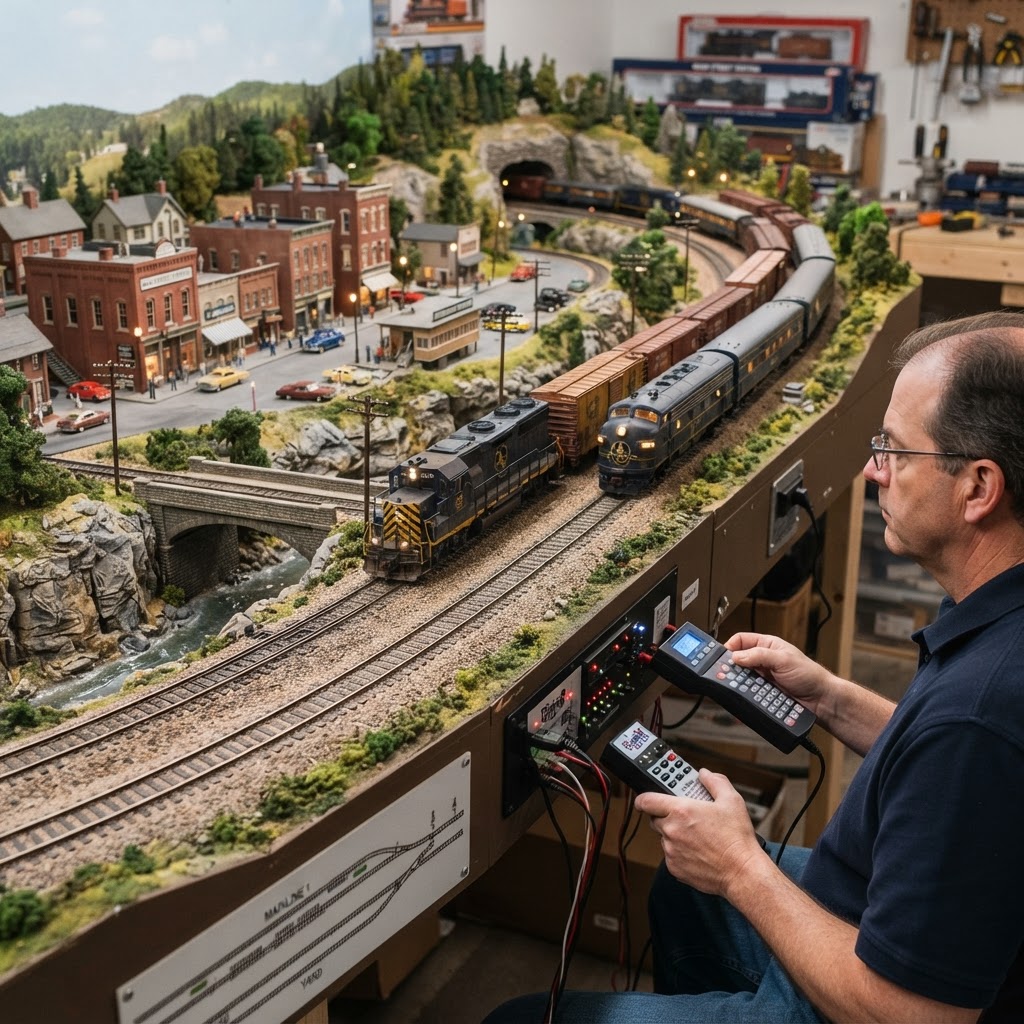
If you've spent any time researching digital command control systems, you know how overwhelming a dcc controller review search can become. Dozens of manufacturers, hundreds of features, and price points ranging from budget-friendly to eye-wateringly expensive — it's enough to make even seasoned hobbyists second-guess themselves. The good news is that finding the best value doesn't have to be complicated if you know what to look for and how to match a controller to your specific layout needs.
DCC technology has transformed the model railroad hobby over the past two decades. Gone are the days of fumbling with analog throttles and sharing a single power block across your entire layout. Today's DCC systems allow you to independently control multiple locomotives, manage lighting effects, trigger sound decoders, and even automate switching operations — all from a single handheld or computer-based interface. Whether you're running a modest starter layout or an expansive multi-level empire, the right controller makes all the difference.
In this guide, we'll walk through everything you need to know before buying a DCC controller: what features matter most, which systems offer the best value at different price tiers, and how to avoid the common pitfalls that trip up new and intermediate hobbyists alike. We'll also answer the most frequently asked questions so you can shop with confidence and get back to what really matters — running trains.
What Is a DCC Controller and Why Does It Matter?
A DCC controller (also called a command station or throttle) is the brain of your digital layout. It sends digital packets of information through the rails to individual locomotives equipped with decoders. Each decoder has its own unique address, which means the command station can speak to one locomotive without affecting others running on the same track.
The practical impact of this is enormous. You can have two operators running trains in opposite directions simultaneously, adjust speed and momentum independently, and fire off sound effects like whistles, bells, and diesel horns in real time. If you've ever felt constrained by traditional DC control — especially on larger layouts — DCC opens up a completely new world of operational realism.
Before diving into specific systems, it's worth making sure your locomotives and track are ready for DCC operation. Clean, well-maintained rails are essential for reliable signal transmission. Check out our guide on How to Clean Track Rails Effectively: The Ultimate Guide for Smooth Running Trains before you invest in a new system — even the best controller in the world can't overcome dirty track.
Key Features to Evaluate in Any DCC Controller Review
Not all DCC systems are created equal. When reading any dcc controller review, these are the features you should evaluate critically rather than taking marketing language at face value.
Amp Output and Power Handling
The amperage rating of your command station determines how many locomotives you can run simultaneously without tripping breakers or damaging equipment. Entry-level systems often provide 2–3 amps, which is fine for small layouts with a handful of engines. Larger layouts, particularly those running multiple sound-equipped locomotives, should look for systems offering 5 amps or more — or the ability to add booster units down the road.
Number of Locomotive Addresses Supported
Most modern DCC systems support both 2-digit (short) and 4-digit (long) addressing, giving you access to thousands of unique locomotive addresses. Confirm this before purchasing, especially if you plan to grow your roster significantly.
Throttle Design and Ergonomics
You'll be holding this device for hours at a time. A poorly designed throttle with a stiff knob, cramped buttons, or an unreadable display will frustrate you far more than a missing software feature ever could. Whenever possible, try to handle a throttle in person at a hobby shop or train show before committing.
Expansion and Networking Capability
Can you add additional throttles for multiple operators? Does the system support computer control via JMRI or similar software? Can you connect wireless walk-around throttles? These capabilities matter enormously as your layout grows and your ambitions expand.
Programming Track Support
A dedicated programming track lets you safely read and write decoder settings without affecting your main line. This is a must-have feature for anyone serious about fine-tuning locomotive performance and sound settings.
Budget Tier: Best Value Under $150
For hobbyists just getting started with DCC, the entry-level market has never been better. These systems sacrifice some advanced features but deliver reliable, fully functional DCC operation at an accessible price point.
Bachmann E-Z Command
The Bachmann E-Z Command system is one of the most beginner-friendly controllers on the market. It's simple, plug-and-play, and integrates naturally with Bachmann's own track and locomotive ecosystems. The trade-off is limited expandability — it's genuinely a starter system and will feel restrictive once your layout grows.
If you're also exploring track options at this stage, our comparison of Kato Unitrack vs. Bachmann E-Z Track: The Ultimate Comparison for Modelers pairs well with this discussion, since your track choice and DCC system should complement each other.
MRC Prodigy Express
The MRC Prodigy Express punches above its weight class. It offers a clean display, intuitive controls, and support for up to 99 locomotive addresses. It lacks computer interface capability but handles everyday DCC operation with ease. For a hobbyist running a small-to-medium layout without complex automation needs, it represents exceptional value.
Mid-Range Tier: Best Value Between $150–$400
This is where the DCC market becomes genuinely exciting. Mid-range systems offer meaningful upgrades in power output, expansion capability, and feature depth without crossing into professional territory.
Digitrax Zephyr Extra (DCS52)
Digitrax has been a cornerstone of the DCC market for decades, and the Zephyr Extra remains one of the best dcc controller review subjects at this price point. It delivers 2.5 amps, supports the full LocoNet expansion ecosystem, and includes built-in support for JMRI computer control. The throttle knob is smooth and responsive, and the system handles complex decoder programming reliably.
The LocoNet connectivity is arguably the Zephyr Extra's killer feature. As your layout grows, you can add wireless throttles, additional boosters, and even automated block detection — all communicating through the same proven network architecture.
NCE Power Cab
The NCE Power Cab is beloved by hobbyists who prioritize clean software design and outstanding customer support. NCE's reputation for responsiveness and detailed documentation has earned them a loyal following. The Power Cab offers 1.75 amps in its base configuration — adequate for smaller layouts — with a clear upgrade path to the more powerful NCE Power Pro system when you're ready to expand.
Many hobbyists who move from beginner sets to serious layouts find NCE products waiting for them at the next level. If you're still exploring your scale options, our Choosing a Model Train Scale: The Ultimate Guide for Beginners can help you make that foundational decision before committing to a control system.
Premium Tier: Best Value Over $400
At the top of the market, DCC systems blur the line between hobbyist tools and professional equipment. These systems are built for serious layouts and serious operators.
Digitrax Super Chief Xtra
The Super Chief Xtra is Digitrax's flagship system and a frequent headliner in any serious dcc controller review. With 8 amps of output, full LocoNet support, and advanced throttle management, it's designed for layouts running ten or more locomotives simultaneously. The investment is substantial, but for large club layouts or ambitious home pike builders, the capability ceiling is essentially limitless.
NCE Power Pro
The NCE Power Pro pairs beautifully with the Power Cab ecosystem, making it a natural upgrade path for NCE users. It delivers 5 amps standard and supports up to 6,000 locomotive addresses. The cab bus architecture allows for virtually unlimited throttle connections, making it a favorite for club installations and large modular layouts.
Lenz Set 100
European hobbyists and technically inclined operators often gravitate toward Lenz, whose engineering heritage shows in every aspect of the Set 100's design. The feedback control technology is particularly sophisticated, offering speed compensation that keeps locomotives running at consistent speeds regardless of load. If you're running finely detailed equipment like those reviewed in our Athearn Genesis vs Standard: Is the Premium Upgrade Worth Your Investment? comparison, a premium control system helps showcase those investments properly.
DCC and Sound Decoders: Getting the Most from Your System
One area where DCC delivers dramatically visible returns is sound. Modern sound decoders from manufacturers like ESU LokSound, Soundtraxx Tsunami2, and Digitrax SoundFX transform a quiet locomotive into a genuinely immersive experience. But getting the best performance from sound decoders requires a capable command station and properly programmed CVs (configuration variables).
If you're comparing manufacturers with deep DCC integration, our article on MTH vs Lionel: Comparing Sound Fidelity and DCC Control Features provides an excellent side-by-side analysis of how different manufacturers approach the sound and DCC relationship.
For the tools you'll need to install and program decoders effectively, our guide to 10 Best Model Train Maintenance Tools Every Enthusiast Needs covers the essentials. You'll also want to explore our recommended products page for curated gear suggestions across all budget levels.
Common DCC Purchasing Mistakes to Avoid
Even experienced hobbyists occasionally make avoidable errors when upgrading their control systems. Here are the most common ones:
- Buying for today's layout only. Always purchase at least one tier above your current needs. Layouts grow, and upgrading a command station mid-project is disruptive and expensive.
- Ignoring the decoder ecosystem. Some command stations work better with decoders from the same manufacturer. Research compatibility before mixing brands.
- Overlooking the throttle interface. A powerful command station paired with an awkward throttle is a daily frustration. Prioritize ergonomics.
- Skipping the programming track. Trying to program decoders on the main line risks corrupting other decoders. It's not worth the risk.
For hobbyists still building out their layouts alongside a new DCC system, our Top 10 Essential Model Railroad Accessories Every Layout Needs and Best Locomotives for Beginners: Top 5 Reliable Trains to Start Your Collection are natural next reads.
Frequently Asked Questions
Do I need DCC if I'm just starting out?
Not necessarily. If you're running a simple oval with one or two trains, DC analog control is simpler and less expensive. However, if you plan to grow your layout or want sound and lighting effects, investing in DCC from the start saves the hassle of converting later. Our Best Model Train Sets for Kids: Top Picks for Beginners and Families covers entry-level options that work well for both DC and DCC beginners.
Can I use any DCC controller with any decoder?
Most DCC systems comply with NMRA DCC standards, meaning they're broadly compatible with decoders from different manufacturers. However, some advanced features — particularly proprietary sound controls — may only work fully within the same brand ecosystem. Always check compatibility specs before purchasing.
How many amps do I actually need?
A rough rule of thumb: budget approximately 0.5 amps per sound-equipped locomotive you plan to run simultaneously. A small layout with 4–5 trains needs at least 2.5–3 amps. Larger operations should plan for 5–8 amps, potentially supplemented with booster units.
What is JMRI and do I need it?
JMRI (Java Model Railroad Interface) is free, open-source software that connects to many DCC command stations via computer interface. It allows advanced throttle control, decoder programming, layout automation, and more. It's not required for basic DCC operation, but it dramatically expands what's possible — especially for automation enthusiasts.
Is wireless throttle control worth the extra cost?
For layouts larger than a few square feet, absolutely yes. Being able to walk alongside your train as it moves through a yard or around a helix is a qualitatively different — and much better — operating experience. Most mid-range and premium systems support wireless throttle add-ons.
Conclusion
Finding the best value in a DCC controller ultimately comes down to matching the system's capabilities to your layout's current needs while leaving room to grow. Entry-level systems like the MRC Prodigy Express serve beginners well, mid-range options like the Digitrax Zephyr Extra and NCE Power Cab hit the sweet spot for serious hobbyists, and premium systems from Digitrax and NCE set the ceiling for large-scale operations.
Whatever tier you choose, invest time in learning your system's programming features — a well-tuned decoder makes more difference than any hardware upgrade. And remember, the best DCC system is the one you'll actually use comfortably and confidently every time you sit down at your layout.
Ready to take the next step? Explore our full library of guides here at Model Train Insider to keep building your knowledge and your layout — from N scale locomotive recommendations to comprehensive maintenance advice. There's always more to learn, and the trains are always worth running.
Affiliate Disclosure: Some links in this article are affiliate links. We may earn a commission at no extra cost to you.
Enjoying this guide?
Browse our favorite recommended products.
James Mitchell
Model Train Enthusiast & Writer
James has been building layouts and collecting trains for over 15 years. He started Model Train Insider to help newcomers navigate the hobby with practical, no-nonsense advice drawn from hands-on experience.
Stay on Track
Get beginner guides, brand reviews, and layout tips delivered to your inbox. No spam—just trains.
Free forever. Unsubscribe anytime.
Related Articles
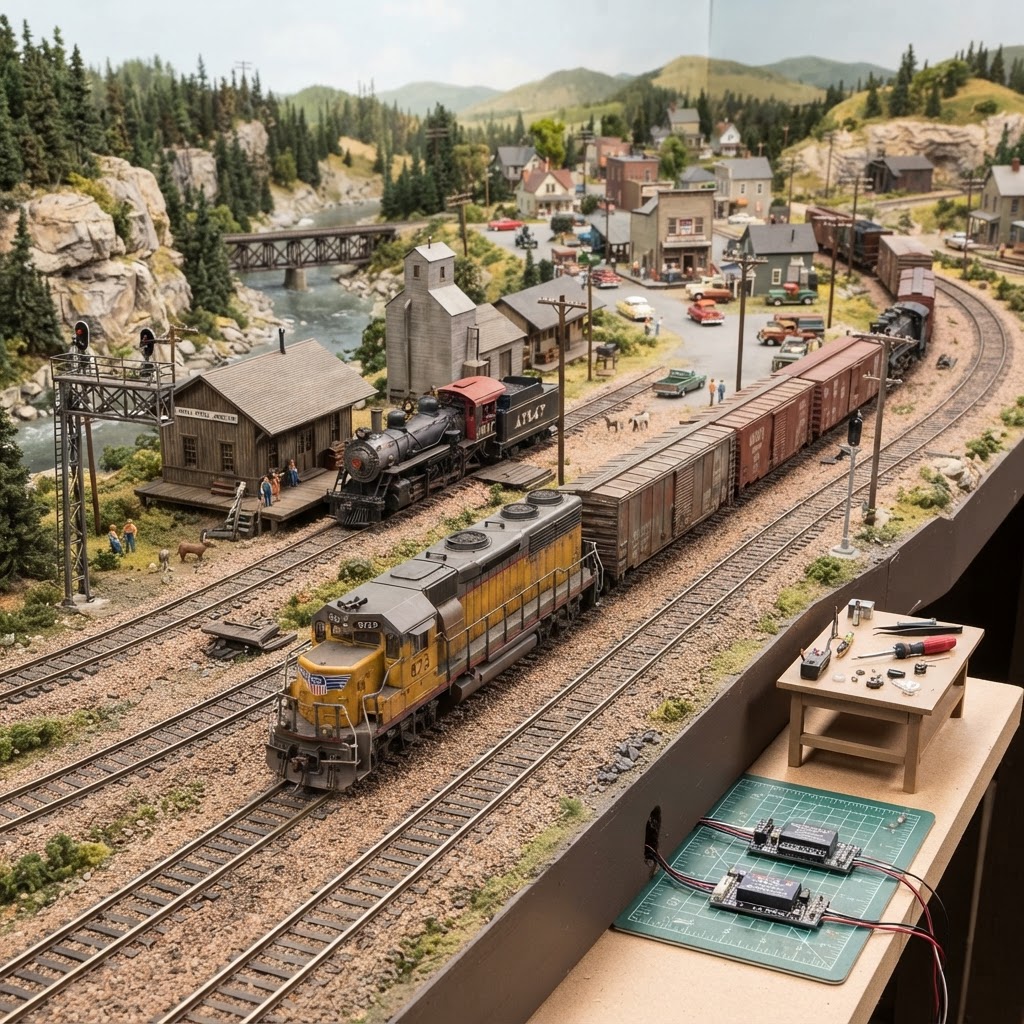
The Best DCC Decoders for Locomotive Upgrades: A Comprehensive Guide
Transform your model railroad fleet with our expert guide to the best DCC decoders for locomotive upgrades. Boost performance and sound quality today.
Read more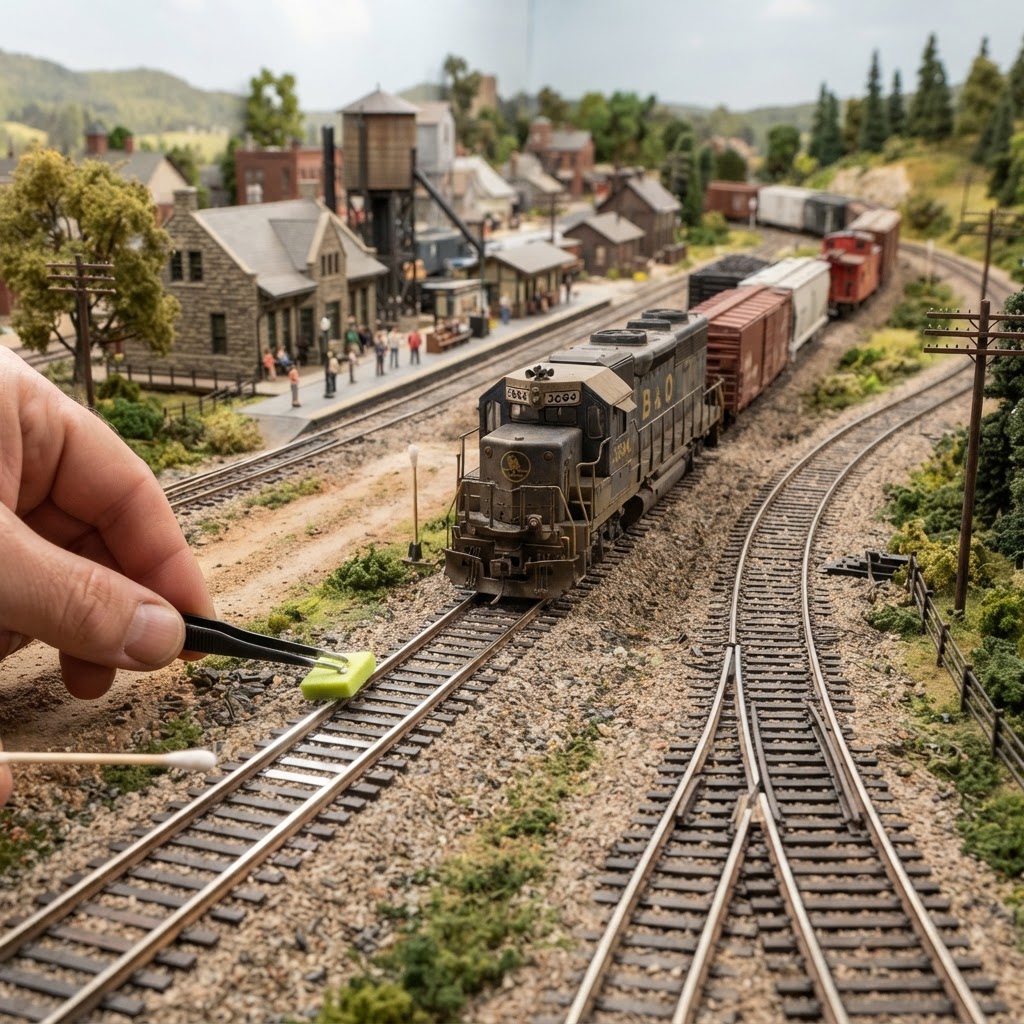
How to Clean Track Rails Effectively: The Ultimate Guide for Smooth Running Trains
Learn how to clean track rails effectively to ensure your model trains run smoothly. Discover the best tools and techniques for pristine, conductive tracks.
Read more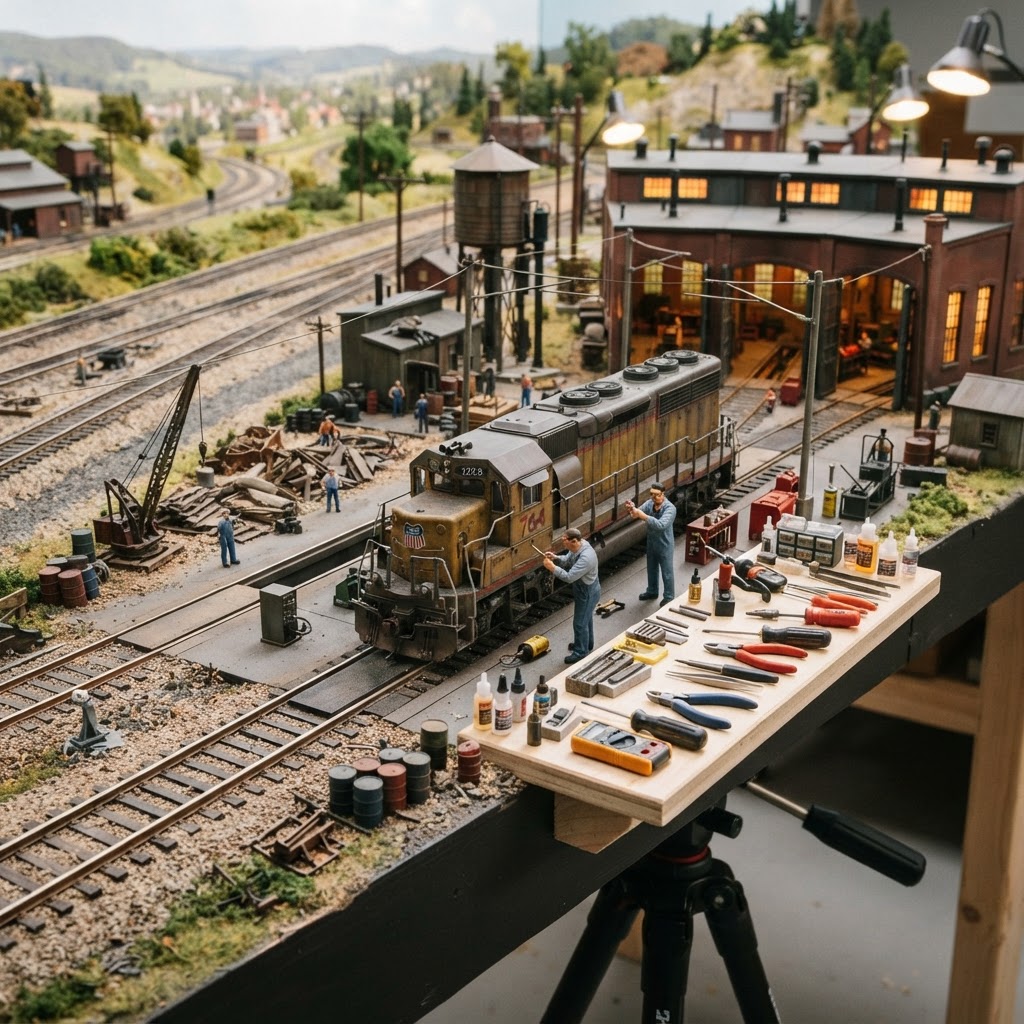
10 Best Model Train Maintenance Tools Every Enthusiast Needs
Discover the top 10 essential tools for keeping your model trains running smoothly. Improve performance and longevity with our expert maintenance guide.
Read more