Best Starter DCC Sets: A Beginner’s Guide to Digital Command Control
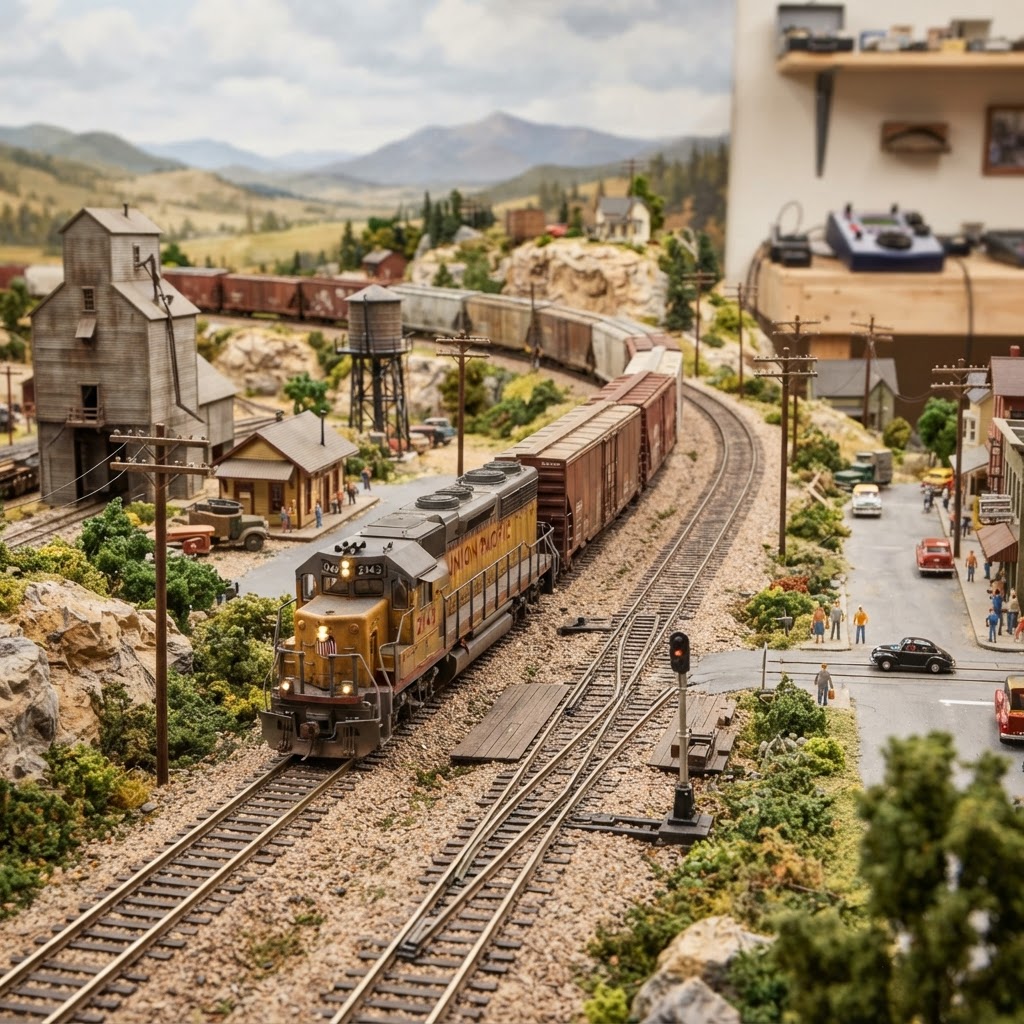
Getting into Digital Command Control (DCC) is one of the most exciting milestones in the model railroading hobby. If you've been running trains on a simple DC oval and you're ready to take control of multiple locomotives independently, add sound effects, and fine-tune performance, finding the best starter DCC set is your first and most important step. The right system will grow with your layout, keep frustration to a minimum, and open the door to decades of rewarding operation. The wrong one can leave you overwhelmed before you've even laid a second siding.
The good news is that the market for beginner DCC systems has never been better. Manufacturers like Digitrax, NCE, Bachmann, and Hornby have all invested heavily in entry-level controllers that balance simplicity with genuine capability. Whether you're modeling in HO scale, N scale, or something in between, there's a DCC starter package designed with your needs in mind. Before you buy, though, it pays to understand what separates a great beginner system from one that will hold you back as your skills develop.
This guide breaks down everything a newcomer needs to know — from the key features to look for, to the top systems currently on the market, to practical tips for getting your first DCC layout running smoothly. If you're still deciding whether DCC is right for you at all, be sure to read our DCC vs DC Locomotives: The Ultimate Guide for Beginners before going further. If you're already sold on digital control, read on.
What Is DCC and Why Does It Matter for Beginners?
Digital Command Control is a standard that allows model railroaders to control multiple locomotives on the same track independently, using digital signals sent through the rails. Each decoder-equipped locomotive receives its own unique address, and your controller communicates directly with individual engines rather than adjusting track voltage for the whole layout.
For beginners, the biggest practical benefit is simplicity of operation once the system is set up. You can run two trains on the same loop at different speeds, apply brakes to one while the other accelerates, and trigger horn and bell sounds — all from a single handheld throttle.
DCC vs. DC: A Quick Recap
If you've been running DC trains, the transition to DCC requires some adjustment. Your locomotives will need DCC decoders (either factory-installed or retrofitted), and you'll need a DCC-compatible command station and booster. The track wiring is actually simpler in many ways — no more isolated blocks and complex cab control wiring for basic operation.
For a deeper comparison, our article on DCC vs DC Locomotives: The Ultimate Guide for Beginners covers the full picture, including sound, lighting, and momentum functions.
What to Look for in the Best Starter DCC Set
Not every DCC system is created equal, and entry-level products vary widely in their capability, expandability, and ease of use. Here are the core factors to evaluate before purchasing.
1. Power Output (Amperage)
The command station and booster in your DCC set determine how many locomotives can run simultaneously without the system tripping. Most starter sets offer between 1 and 3 amps of output. For a small to medium layout with two to four locomotives running at once, 2 amps is typically sufficient. Larger layouts or those running multiple sound-equipped locomotives will eventually want 3–5 amps from an upgraded booster.
2. Ease of Programming
Programming DCC decoders — setting addresses, adjusting speed curves, and configuring sound volumes — can be intimidating. Look for a starter system with a dedicated programming track output and an intuitive programming interface. Some systems include a small display screen; others rely on LED indicators that require memorizing button sequences. For beginners, a screen and logical menu structure are worth paying for.
3. Expandability
Your first layout won't be your last. A good beginner DCC system should support throttle bus expansion, allowing you to add additional walkaround throttles, computer interfaces, and eventually wireless operation. Systems based on open standards like LocoNet (Digitrax) or NCE's Cab Bus are easy to grow without replacing your entire control infrastructure.
4. Locomotive and Decoder Compatibility
The NMRA DCC standard ensures broad compatibility between systems and decoders, but some features — like enhanced sound control and advanced motor control — are manufacturer-specific. Ensure your chosen system works well with the brands of locomotives and decoders you're likely to buy. Checking compatibility with our recommended products page is a great way to cross-reference before purchasing.
5. Community Support and Documentation
This is often overlooked but critically important for beginners. A system with an active user community, detailed manuals, and online tutorials will save you hours of frustration. Digitrax, NCE, and Hornby all have strong communities and extensive beginner-friendly resources.
Top Starter DCC Systems Worth Considering
Digitrax Zephyr Extra (DCS52)
The Digitrax Zephyr Extra has earned a reputation as one of the most capable entry-level DCC systems available. It offers 2.5 amps of output, a built-in programming track, and operates up to ten locomotives from the included throttle. What makes it stand out for beginners is the LocoNet expansion port, which means you can add wireless throttles, computer control via JMRI software, and additional boosters without replacing the base unit.
The Zephyr Extra can also run DC locomotives on a DCC layout using its "Motorman" feature — a handy bridge for those with older engines that haven't been decoder-equipped yet. The interface requires a small learning curve, but Digitrax's documentation and the enormous online community make it very approachable.
Best for: HO scale modelers planning a medium-to-large layout who want room to grow.
NCE Power Cab
The NCE Power Cab is beloved by beginners and experienced modelers alike for its intuitive design. The handheld throttle doubles as the command station, and its backlit LCD display makes programming and operation straightforward. It delivers 1.5 amps of power from the controller, which is modest but adequate for a small starter layout.
One of the Power Cab's strongest features is its decoder programming capability — it's widely regarded as one of the easiest systems for reading and writing Configuration Variables (CVs) to decoders. NCE also offers a smooth upgrade path: when you're ready to expand, you can connect the Power Cab to the NCE SB5 smart booster or step up to the NCE Pro Cab system.
Best for: Beginners who prioritize ease of use and decoder programming, especially for N scale layouts.
Bachmann EZ Command DCC System
The Bachmann EZ Command system is the most beginner-friendly option on this list in terms of initial setup. It's often included in Bachmann's DCC-ready train sets, making it a natural first step for hobbyists starting from scratch. At 1 amp of output, it's genuinely a starter system — but for a small layout with two locomotives, it works reliably.
The EZ Command's simplicity is both its greatest strength and its primary limitation. There's no expansion bus, no wireless capability, and programming is limited to basic address assignment. Treat it as a learning tool and a gateway, not a long-term solution for a growing layout.
If you're just starting out with Bachmann locomotives, our comparison of Kato vs Bachmann DCC: Which Control System Is Right For Your Layout? offers helpful context on how Bachmann's control philosophy compares to the competition.
Best for: True beginners running one or two locomotives on a small, simple layout.
Hornby Select and Elite
For modelers in the UK or those running OO gauge trains, the Hornby Select and its more capable sibling the Hornby Elite are strong contenders. The Select is a true beginner unit — compact, simple, and affordable — while the Elite steps up with 4 amps of output, a large display, and two independent throttle controls. Both systems are NMRA-compatible, meaning they'll work with any standard DCC decoder.
Hornby's documentation is excellent for beginners, and its integration with the Hornby app adds a modern, approachable layer to operation.
Choosing the Right Scale for Your DCC Layout
Your choice of DCC system should align with the scale you're modeling in. HO scale is the most popular choice globally and has the widest selection of DCC-equipped locomotives and accessories. N scale is the second most popular, offering more layout in less space.
If you haven't settled on a scale yet, our guide to HO Scale vs N Scale: A Comprehensive Guide to Choosing the Perfect Model Train Size is an excellent starting point. For scale-specific starter set recommendations, check out our 10 Best HO Scale Starter Sets for Beginners and The Best N Scale Starter Sets For 2024.
Once you've chosen a scale, pairing your DCC system with quality track will make a significant difference in reliable operation. Our Best HO Scale Track Options guide is a helpful resource for planning your trackwork.
Practical Tips for Setting Up Your First DCC Layout
Start Simple, Then Expand
Resist the temptation to build a complex layout before you understand your DCC system. Start with a simple loop, get two locomotives running cleanly, and practice programming before adding sidings, reverse loops, or complex track arrangements. Understanding the basics now will save considerable troubleshooting time later.
Invest in the Right Tools
Having the right tools on hand makes layout building and DCC installation much easier. From decoder installation tools to multimeters for electrical troubleshooting, proper preparation pays off. Our list of 10 Best Beginner Model Railroad Tools Every Hobbyist Needs covers the essentials. You can also browse our recommended products page for curated tool and equipment suggestions.
Use JMRI Software
JMRI (Java Model Railroad Interface) is free, open-source software that connects to many DCC systems and provides a powerful graphical interface for programming, roster management, and layout automation. If your DCC system supports a computer interface (Digitrax LocoNet, NCE USB Interface), installing JMRI early will simplify decoder programming considerably.
Keep Your Track Clean
DCC systems are more sensitive to dirty track than DC systems because the digital signal degrades with poor electrical contact. Invest in a track cleaning car, a track cleaning block, and get into the habit of cleaning rails before every operating session.
Frequently Asked Questions
What is the best starter DCC set for a beginner on a budget?
The Bachmann EZ Command is the most affordable entry point and is often bundled with complete train sets. For slightly more investment with significantly more capability, the NCE Power Cab offers excellent value and an upgrade path that makes it a smarter long-term choice.
Can I use my existing DC locomotives with a DCC system?
Most DCC locomotives require a decoder to run properly on a DCC-powered layout. Some entry-level systems like the Digitrax Zephyr Extra include a feature to run older DC locomotives, but performance is limited. For the best experience, plan to use DCC-equipped or decoder-retrofitted locomotives.
How many locomotives can a starter DCC set control at once?
This depends on the system's amperage and the current draw of your locomotives. A 2-amp system can typically handle three to five HO scale locomotives running simultaneously under normal conditions. Sound-equipped locomotives draw more current, so plan accordingly.
Do I need a separate programming track?
A dedicated programming track is highly recommended. It isolates the locomotive during programming so that CV changes only affect the engine on the track, not every decoder on the layout. Most quality starter systems include a programming track output.
Is DCC compatible with all model train scales?
DCC is scale-independent and is used across HO, N, O, G, and Z scales. However, decoder sizes vary, and smaller scales like N and Z require physically smaller decoders. If you're considering O scale, it's also worth reading our comparison of Lionel vs MTH: Choosing the Best O Scale System for Your Layout since O scale manufacturers sometimes use proprietary control systems alongside or instead of standard NMRA DCC.
Conclusion
Choosing the best starter DCC set is one of the most important decisions you'll make as a new model railroader, but it doesn't need to be overwhelming. For most beginners, the NCE Power Cab hits the sweet spot between ease of use, programming capability, and expandability. Modelers with larger layout ambitions will appreciate the Digitrax Zephyr Extra's headroom for growth, while true first-timers on a tight budget can get moving with the Bachmann EZ Command.
Whatever system you choose, remember that the goal is to enjoy the hobby. Start small, learn your system thoroughly, and expand your layout and control capabilities as your confidence grows. The community of model railroaders is remarkably welcoming, and there's no shortage of help available as you progress.
Ready to dig deeper? Explore our full library of beginner guides — including our comprehensive article on What Is the Best Beginner Train Scale? — and visit our recommended products page for handpicked gear to get your layout started on the right foot.
Affiliate Disclosure: Some links in this article are affiliate links. We may earn a commission at no extra cost to you.
Enjoying this guide?
Browse our favorite recommended products.
James Mitchell
Model Train Enthusiast & Writer
James has been building layouts and collecting trains for over 15 years. He started Model Train Insider to help newcomers navigate the hobby with practical, no-nonsense advice drawn from hands-on experience.
Stay on Track
Get beginner guides, brand reviews, and layout tips delivered to your inbox. No spam—just trains.
Free forever. Unsubscribe anytime.
Related Articles
5 Best Beginner Model Train Brands to Start Your Hobby Today
Looking to start your model railroad journey? Discover the top beginner-friendly train brands that offer high quality, reliability, and ease of use.
Read more
Best Model Train Starter Sets of 2024: Top Picks for New Hobbyists
Looking for the best train starter sets? Discover our expert guide to the top model railroad kits for beginners to start their journey into the hobby today.
Read more
5 Best Starter DCC Controllers for New Model Railroad Hobbyists
Looking for the best starter DCC controller? We evaluate the top 5 entry-level systems to help you easily control your model train layout with precision.
Read more