How to Clean Track Rails Effectively: The Ultimate Guide for Smooth Running Trains
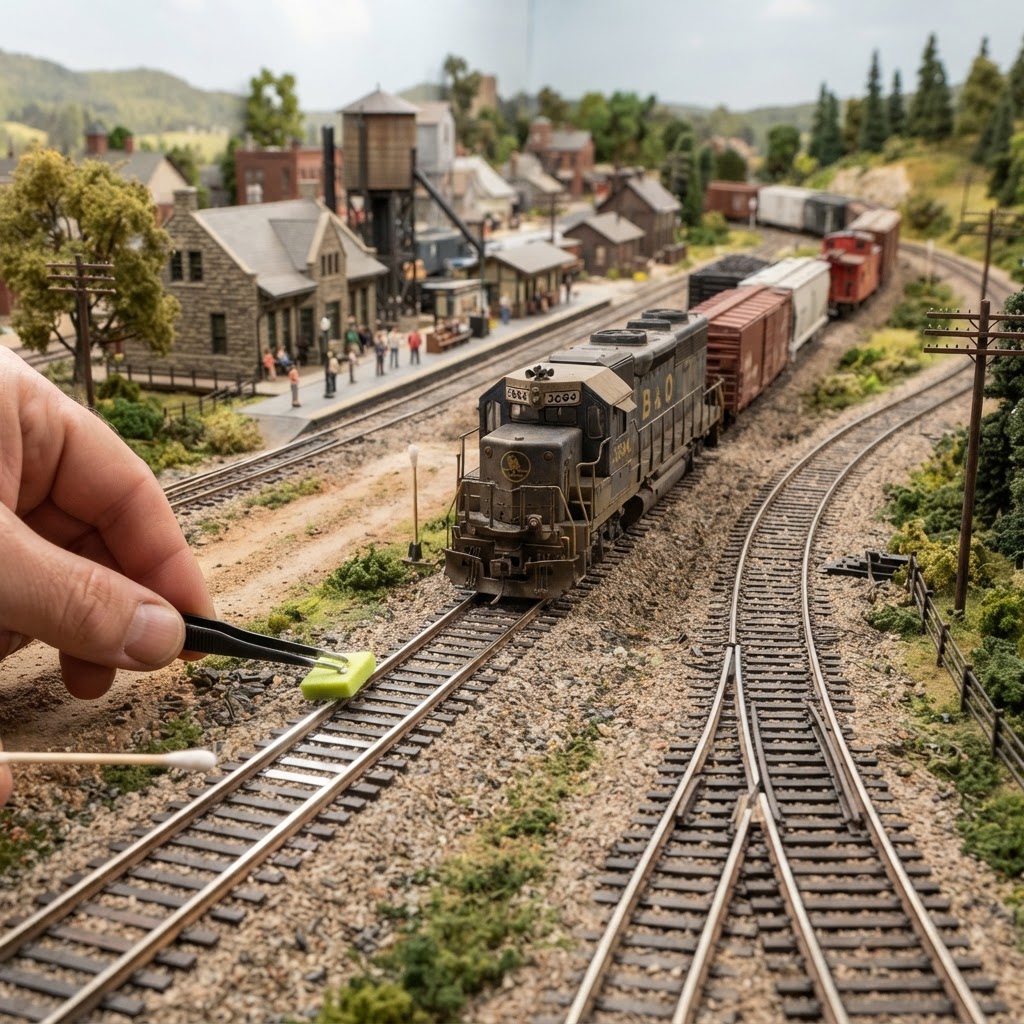
Dirty track rails are the number one cause of frustrating performance problems in model railroading. If your locomotives are stuttering, stalling, or refusing to move altogether, the culprit is almost always oxidation, dust, and grime built up on your track rails. Knowing how to clean track rails properly — and doing it regularly — is one of the most important maintenance habits any model railroader can develop, whether you're running a compact N scale layout on a bookshelf or a sprawling HO basement empire.
The good news is that cleaning your track rails doesn't require expensive equipment or advanced technical knowledge. With the right tools, a little patience, and a consistent routine, you can keep your rails gleaming and your trains running smoothly for years to come. This guide covers everything from basic hand-cleaning techniques to powered track cleaning cars, chemical solutions, and preventive maintenance strategies that will save you hours of troubleshooting down the road.
Before we dive into the methods themselves, it's worth understanding why track rails get dirty in the first place. Model railroad track is typically made from nickel silver, steel, or brass — all of which oxidize when exposed to air and humidity. Add in dust, carpet fibers, locomotive wheel debris, and lubricant residue, and you have a recipe for poor electrical conductivity. Since most model trains rely on the rails to transmit electrical current to the locomotive's motor, even a thin layer of oxidation can interrupt that connection and bring your entire layout to a halt.
Why Clean Track Rails Matter for Performance
Electrical Conductivity and Your Layout
Model trains — especially those running on DC or DCC systems — depend entirely on consistent rail-to-wheel electrical contact. When rails become dirty or oxidized, the resistance increases, causing voltage drops that lead to sluggish performance, flickering lights, and random stalls. If you're running a sophisticated DCC system like those compared in our MTH vs Lionel: Comparing Sound Fidelity and DCC Control Features article, dirty track can wreak havoc on command signals and sound functions, making an expensive investment perform like a bargain-bin toy.
The Compounding Effect of Neglect
Here's the thing about dirty rails: the problem compounds over time. As a locomotive wheels spin over oxidized track, they pick up that grime and redistribute it across the entire layout. The dirty wheels then deposit residue back onto cleaner sections of track, spreading the problem further. Locomotive pickup shoes and wheels can become coated in black gunk — often called "rail crud" by hobbyists — that significantly increases resistance. Regular cleaning breaks this cycle before it spirals into a full layout shutdown.
Tools and Materials You'll Need
Before you start, gather your supplies. Having everything on hand makes the job faster and more effective. You can find many of these items on our recommended products page, or check out our guide to the 10 Best Model Train Maintenance Tools Every Enthusiast Needs for detailed product recommendations.
Basic Cleaning Supplies
- Track cleaning fluid – purpose-formulated solutions like Woodland Scenics Rail Zip or Micro-Mark's track cleaner are ideal
- Isopropyl alcohol (90% or higher) – an effective and affordable alternative for light cleaning
- Lint-free cloths or cotton swabs – for applying solutions without leaving fibers behind
- Track cleaning erasers – abrasive rubber blocks that physically remove oxidation
- Bright Boy track cleaner – a classic abrasive tool used by hobbyists for decades
Powered and Mechanical Options
- Track cleaning cars – rolling stock that cleans rails as your locomotive pulls them around the layout
- Track cleaning locomotives – powered units with built-in cleaning pads
- Cordless rotary tool with track cleaning attachments – for heavy oxidation on neglected layouts
Protective Gear
- Rubber gloves to protect your skin from chemical cleaners
- Safety glasses if using spray solutions
How to Clean Track Rails: Step-by-Step Methods
Method 1: Manual Cleaning with a Track Eraser
This is the most straightforward approach and works exceptionally well for routine maintenance and light oxidation.
Step 1: Remove all rolling stock and locomotives from the section of track you're cleaning.
Step 2: Using a Bright Boy eraser or similar abrasive track cleaning block, rub firmly along the top surface of each rail. Apply moderate pressure and work in the direction of the track, not across it.
Step 3: You'll notice dark residue accumulating on the eraser and rail surface — this is the oxidation being lifted away.
Step 4: After abrading the rails, wipe them down thoroughly with a lint-free cloth lightly dampened with isopropyl alcohol. This removes the loosened debris and leaves a clean surface.
Step 5: Allow the rails to dry completely before running trains.
This method is particularly useful for smaller layouts or spot-cleaning problem areas. If you're building a compact layout, our Top 10 Best N Scale Locomotives for Compact Layouts in 2024 article highlights locomotives that are especially sensitive to track quality — keeping those rails clean is non-negotiable for reliable operation.
Method 2: Track Cleaning Fluid Application
For layouts where manual scrubbing every section isn't practical, liquid track cleaners offer an efficient solution.
Step 1: Apply a small amount of track cleaning fluid to a lint-free cloth or felt pad. Never pour fluid directly onto the track, as it can seep under roadbed or into switch mechanisms.
Step 2: Wipe firmly along the rail head (the top surface where wheels make contact) in long, even strokes.
Step 3: Follow up immediately with a dry cloth to remove any residue before it dries on the rail surface.
Step 4: For stubborn spots, allow the cleaner to sit for 30 seconds before wiping.
Pro tip: Avoid using WD-40 or household cleaners on your track. These products leave behind residues that attract more dirt and can damage plastic components and roadbed over time.
Method 3: Track Cleaning Cars
If you have a large layout, track cleaning cars are a game-changer. These specially designed pieces of rolling stock attach to a locomotive and clean the rails as they travel around the layout.
There are two main types:
- Abrasive pad cars – use a felt or abrasive pad soaked in cleaning fluid that drags along the rail surface
- Vacuum cars – some higher-end models actually vacuum up loosened debris as they clean
To use a track cleaning car, simply add a few drops of track cleaning fluid to the pad, couple it to your locomotive, and run it around the layout several times. For best results, follow up with a dry pad car to pick up any remaining residue.
The type of track system you use can also affect how often cleaning is needed. Some track systems have better oxidation resistance than others — our Kato Unitrack vs. Bachmann E-Z Track: The Ultimate Comparison for Modelers article explores how these popular systems differ in long-term maintenance requirements.
Method 4: Deep Cleaning for Neglected Layouts
If you've inherited a layout or are returning to the hobby after a long break, your rails may have significant oxidation and corrosion that requires more aggressive treatment.
Step 1: Begin with a dry run using a track eraser across all rail surfaces to break up heavy oxidation.
Step 2: Apply track cleaning fluid generously and let it dwell for one to two minutes on heavily oxidized sections.
Step 3: Use a cotton swab or old toothbrush to scrub problem areas, including the inner faces of the rails where wheels contact the rail flange.
Step 4: Wipe everything down with a clean, dry cloth, then repeat the process.
Step 5: Once the track looks visually clean, run a track cleaning car loaded with fluid several times to address any remaining contamination.
For deeply corroded brass track, light sanding with 400-grit sandpaper followed by chemical cleaning can restore conductivity — though this should be a last resort, as repeated abrasion eventually wears down rail heads.
Cleaning Rail Joiners and Switches
Don't forget that dirty rail joiners (the small metal clips connecting sections of track) are just as problematic as dirty rail surfaces. Corroded joiners create electrical dead spots that no amount of rail cleaning will fix.
Remove joiners periodically, clean them with a small wire brush or fine sandpaper, and apply a tiny drop of conductive gel or electrical contact enhancer before reinstalling. For complex switches and turnouts, use cotton swabs dipped in isopropyl alcohol to clean the moving parts and rail contact points carefully.
This level of maintenance is especially important if your layout features top essential accessories like automated switching systems or signal controls that depend on reliable electrical continuity throughout the track.
Preventive Maintenance: Keeping Rails Clean Longer
The best strategy for track cleanliness is reducing how quickly rails get dirty in the first place.
Control Your Environment
- Reduce dust exposure by covering your layout when not in use with a fitted dust cover or even a simple bedsheet
- Maintain stable humidity — damp environments accelerate oxidation on steel and brass track
- Keep the hobby room clean — vacuuming regularly reduces the dust and carpet fiber that settles on rails
Lubrication Discipline
Over-lubrication is a surprisingly common cause of dirty track. Excess oil from locomotive gearboxes and wheel bearings flings onto the rails and acts like a magnet for dust and debris. Use lubricants sparingly and only where specified — check out our 10 Best Model Train Maintenance Tools Every Enthusiast Needs guide for recommendations on precision applicators that help you apply the right amount.
Establish a Cleaning Schedule
For actively used layouts, a light cleaning every two to four weeks is generally sufficient. For display layouts or those in dusty environments, weekly cleaning may be necessary. Keep a cleaning log if you run a complex layout — noting which sections were cleaned and when helps you identify problem spots that need extra attention.
Frequently Asked Questions
How often should I clean my model railroad track rails?
For layouts that are run regularly, aim to clean your track rails every two to four weeks. Layouts in dusty environments or those with older brass track may need more frequent attention. A good rule of thumb: if your locomotives start hesitating or stalling, clean the track before troubleshooting anything else.
Can I use isopropyl alcohol to clean model train track?
Yes — isopropyl alcohol at 90% concentration or higher is one of the most effective and affordable track cleaning solutions available. It dissolves oxidation and grime without leaving harmful residues. Avoid lower concentrations, as they contain more water which can promote rust on steel track.
What is the black residue I see on my track rails?
That black gunk is a combination of oxidized metal, carbon deposits from wheel and rail contact, dust, and sometimes lubricant residue. It's sometimes called "rail crud" and is the primary cause of poor electrical conductivity. Regular cleaning prevents it from building up to problematic levels.
Are track cleaning cars worth the investment?
For layouts larger than a basic oval or those with complex track plans, absolutely. Track cleaning cars save significant time compared to manual cleaning and do a thorough job when used consistently. They're especially valuable for reaching sections of track that are difficult to access by hand once scenery is in place.
Does track material affect how often I need to clean rails?
Yes, significantly. Nickel silver track oxidizes more slowly than brass and is the preferred choice for most modern layouts. Steel track, common in lower-cost sets marketed toward beginners (see our Best Starter Model Train Sets For Beginners 2024 guide for context), oxidizes quickly and requires more frequent maintenance. If you're building a serious layout, investing in nickel silver track pays dividends in reduced cleaning time.
Conclusion
Learning how to clean track rails effectively is one of the most valuable skills you can develop as a model railroader. Clean rails mean reliable operation, longer locomotive life, and far less time spent diagnosing mysterious performance problems. Whether you opt for a simple track eraser and isopropyl alcohol or invest in a fleet of cleaning cars, the key is consistency — a little regular maintenance goes a long way.
If you're just getting started in the hobby and want to build good habits from the beginning, we recommend exploring our guides on choosing the right scale and finding the best locomotives for beginners alongside your maintenance education. And if you're ready to expand your toolkit, don't miss our curated recommended products page for trusted cleaning supplies and maintenance tools.
Keep those rails shining, and your trains will reward you with miles of trouble-free running.
Affiliate Disclosure: Some links in this article are affiliate links. We may earn a commission at no extra cost to you.
Enjoying this guide?
Browse our favorite recommended products.
James Mitchell
Model Train Enthusiast & Writer
James has been building layouts and collecting trains for over 15 years. He started Model Train Insider to help newcomers navigate the hobby with practical, no-nonsense advice drawn from hands-on experience.
Stay on Track
Get beginner guides, brand reviews, and layout tips delivered to your inbox. No spam—just trains.
Free forever. Unsubscribe anytime.
Related Articles
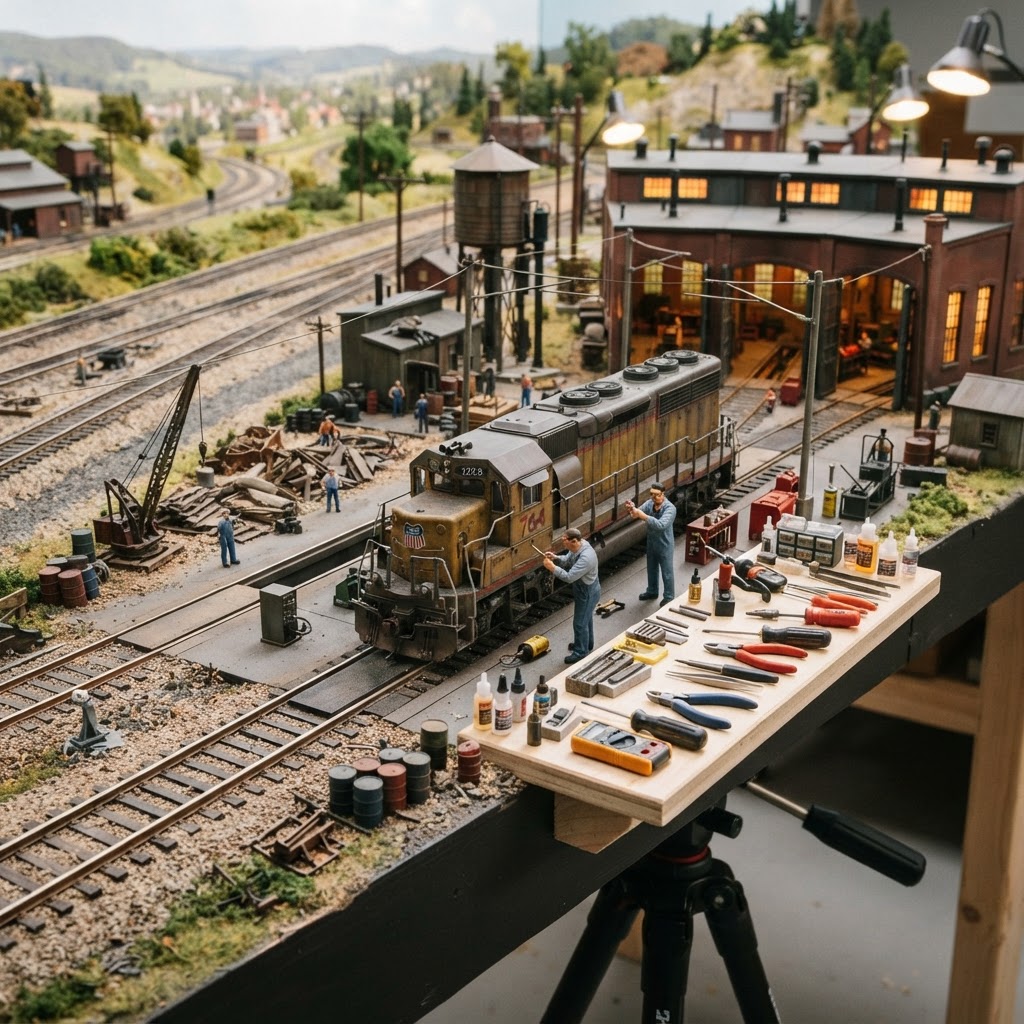
10 Best Model Train Maintenance Tools Every Enthusiast Needs
Discover the top 10 essential tools for keeping your model trains running smoothly. Improve performance and longevity with our expert maintenance guide.
Read more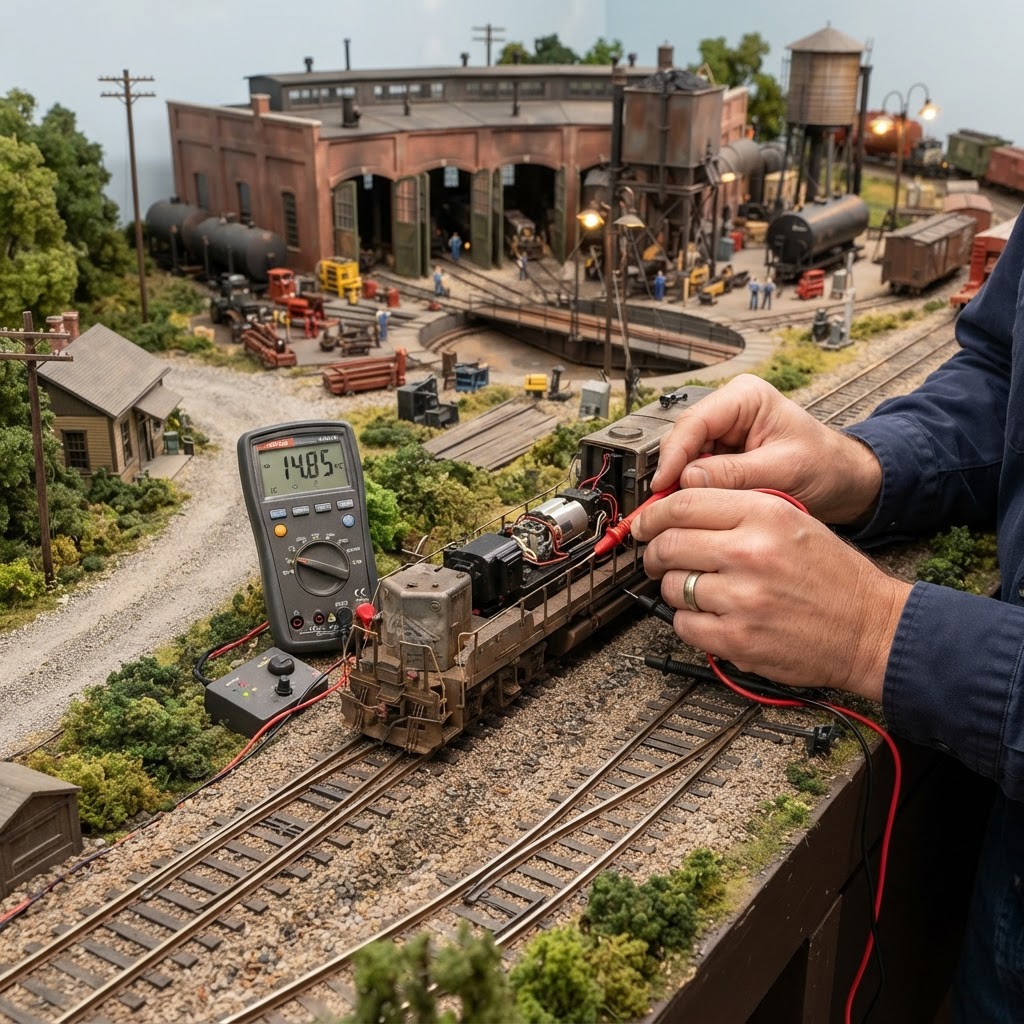
How to Troubleshoot Locomotive Power Issues: A Comprehensive Guide
Struggling with stalled trains? Learn how to troubleshoot locomotive power issues, clean your tracks, and restore reliable electrical connectivity to your layout.
Read more
Best DCC Sound Decoders: Top Picks for Realistic Locomotive Audio
Discover the best DCC sound decoders available today to bring your model locomotives to life with crisp, realistic audio and advanced features.
Read more