Top 10 Essential Model Train Accessories for Your Layout
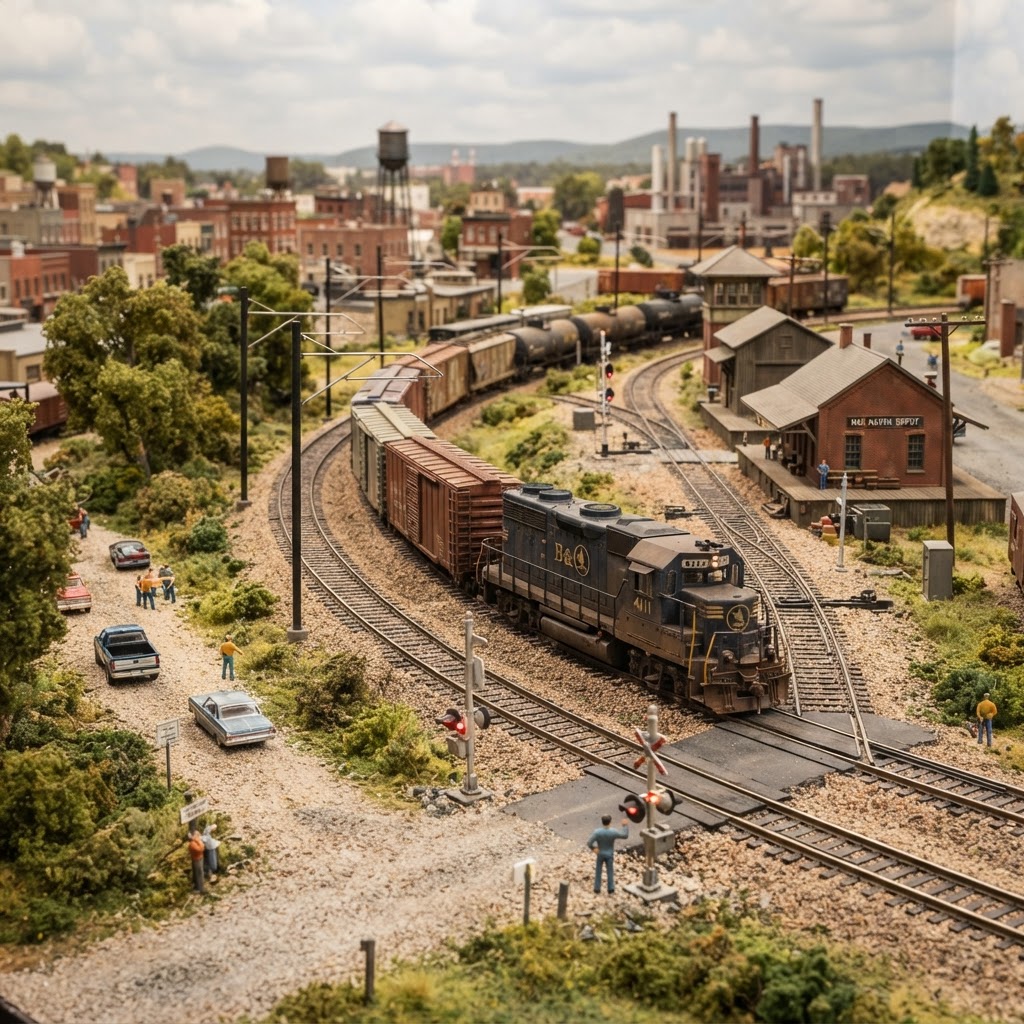
Whether you're just getting started or you've been running trains for decades, finding the top 10 model train accessories can completely transform your layout from a simple oval of track into a living, breathing miniature world. The right accessories don't just add visual appeal — they enhance realism, improve performance, and make the entire hobby more enjoyable. From digital control systems to weathering powders, the accessories you choose will define the character and quality of your railroad.
The model railroad hobby is incredibly vast, and it's easy to feel overwhelmed when browsing hobby shops or online catalogs. With hundreds of products promising to elevate your layout, knowing which ones are truly worth your investment is crucial. That's exactly why we've put together this definitive guide to the top 10 model train accessories every serious hobbyist should consider. Whether you're building a sweeping mountain scene or a compact city switching layout, these picks will serve you well.
In this article, we'll walk through each accessory category in detail, explain what to look for when buying, and offer practical tips to help you get the most out of every purchase. We've also sprinkled in links to some of our in-depth guides so you can dive deeper into the topics that matter most to you. Let's get rolling.
Why Accessories Matter for Your Model Railroad Layout
A locomotive running on bare track is a start — but it's the accessories that bring your railroad to life. Accessories serve three core purposes: operational functionality, visual realism, and long-term maintenance. Skipping out on key accessories often leads to frustrating derailments, poor electrical connectivity, and layouts that look unfinished.
Investing in the right accessories also protects your more expensive rolling stock and locomotives. A quality power supply, clean track, and reliable switches can mean the difference between years of smooth operation and constant headaches. Think of accessories not as optional extras, but as essential infrastructure for a successful layout.
The Top 10 Model Train Accessories You Must Have
1. DCC (Digital Command Control) System
If there's one accessory that will revolutionize the way you run your railroad, it's a DCC system. Unlike traditional DC control, DCC allows you to independently control multiple locomotives on the same track, program sound effects, adjust lighting, and even automate complex operations.
For beginners and veterans alike, a good DCC system is the backbone of a modern model railroad. Entry-level systems from brands like Digitrax, NCE, and Hornby offer intuitive interfaces without breaking the bank, while advanced systems provide sophisticated automation and computer integration.
We've reviewed the leading options in our guide to the 10 Best DCC Systems for Model Railroads: A Comprehensive Buyer Guide — it's essential reading before you make a purchase.
What to look for: Number of locomotive addresses supported, ease of programming, throttle ergonomics, and expansion capability.
2. Quality Power Supply
Your power supply is the heartbeat of your entire layout. An underpowered or unreliable supply leads to sluggish locomotive performance, flickering lights, and inconsistent decoder behavior in DCC setups. Investing in a clean, regulated power supply pays dividends across every aspect of your railroad.
Look for a supply that matches your scale's voltage requirements and offers enough amperage headroom for your planned number of locomotives and accessories. For larger layouts, consider a dedicated accessory bus to keep track power clean and stable.
Our comprehensive Best Power Supplies for Model Trains: Top 2024 Reviews and Buying Guide breaks down the best options by scale and layout size. You can also browse our recommended products page for curated picks.
Pro tip: Always buy slightly more capacity than you think you need — layouts have a way of growing.
3. Track Switches (Turnouts)
Track switches, also called turnouts, are what give your railroad operational interest. Without them, you're limited to running trains in circles. With a well-designed switch system, you can build yards, passing sidings, industrial spurs, and complex staging areas.
There's a wide range of switch types available, from manual hand-throws to fully motorized electric turnouts compatible with DCC automation. Quality matters here — cheap turnouts are one of the most common causes of derailments and electrical gremlins.
For detailed reviews and brand comparisons, check out our guide to the Best Model Train Switches: Expert Reviews and Top Brands for 2024.
What to look for: Frog type (insulated vs. power-routing), motor compatibility, and gauge accuracy.
4. Track Cleaning Supplies
Dirty track is the number one enemy of smooth model railroad operation. Oxidation, dust, and debris buildup on rails cause poor electrical contact, resulting in stuttering locomotives and dead spots on your layout. Regular cleaning is non-negotiable.
A solid track cleaning routine involves a combination of tools: abrasive track cleaning blocks for occasional deep cleaning, and lint-free cloths with appropriate cleaning solution for regular maintenance. Some hobbyists also swear by track cleaning cars that can be pulled around the layout during operating sessions.
We've done a thorough roundup in our article on the Top 7 Best Model Train Cleaning Products for Peak Performance. It covers everything from basic cleaning blocks to ultrasonic wheel cleaners.
Pro tip: Clean your track before every operating session, not just when problems arise.
5. Smoke Units
Few things add as much dramatic realism to a layout as a well-executed smoke effect. Modern smoke units are vastly improved over the old, oil-soaked versions from decades past. Today's units produce realistic puffs timed to locomotive exhaust beats, can be controlled via DCC, and use safe, non-toxic fluids.
Smoke units are available as factory-installed options on many locomotives, or as aftermarket additions for existing models. They work particularly well on steam locomotives, though some diesel models incorporate them for engine compartment or exhaust effects.
Dive deep into this topic with our guide to the Best Smoke Units for Model Trains: A Comprehensive Guide to Realistic Effects.
What to look for: Fluid type compatibility, DCC controllability, and ease of refilling.
6. Scenery and Landscaping Materials
Scenery is what transforms a track plan into a world. Ground cover, rock molds, water effects, foliage clusters, and static grass applicators all contribute to creating a convincing landscape. Modern scenery materials from companies like Woodland Scenics, Noch, and Heki have made it easier than ever to achieve professional-looking results at home.
Start with a solid sub-terrain base, work up through ground cover layers, and finish with details like field grass, trees, and water features. The key is building up layers gradually rather than trying to do everything at once.
Practical advice: Study real landscape photos of the region your railroad is set in. Matching the right colors and textures to a specific geography makes a dramatic difference in realism.
7. Figures and People
A layout without people looks strangely abandoned, no matter how good the scenery is. Well-placed figures bring a sense of life and scale to your railroad, reinforcing the story your layout is trying to tell. A worker on a loading dock, passengers waiting on a platform, or children watching a train pass — these small details create enormous emotional impact.
Figures come in a range of quality levels, from basic plastic castings to highly detailed hand-painted resin miniatures. For HO scale, brands like Preiser, Noch, and Woodland Scenics offer excellent options.
For our complete recommendations, see our article on the 10 Best Model Train Figurines to Bring Your Layout to Life.
Pro tip: Paint or touch up pre-painted figures with a fine brush to add individuality and prevent that "factory look."
8. Building and Structure Kits
Buildings anchor your layout's scene and establish the era and setting of your railroad. Whether you're modeling a 1950s American small town, a busy industrial port, or a mountain logging camp, there are structure kits available to match almost any vision.
Kits range from simple snap-together plastic models to highly detailed laser-cut wood or resin structures. For maximum flexibility, consider learning basic scratch-building techniques so you can customize or kitbash commercial structures to fit your specific space and vision.
Look for structures that match your chosen scale precisely — even slightly oversized or undersized buildings break the illusion of realism quickly.
9. Wiring Supplies and Bus Systems
Good wiring is invisible when done right, but its absence is immediately apparent in the form of dead track sections, flickering lights, and unreliable switch operation. A proper bus wire system distributes power evenly across your layout, minimizes voltage drop, and makes troubleshooting vastly easier.
Essential wiring supplies include appropriately gauged bus wire (typically 14–16 AWG for the main bus), feeder wires, rail joiners, connectors, and a solid soldering setup. Color-coding your wiring from the start saves enormous headaches later.
Our step-by-step guide, How to Wire Model Train Layouts: A Complete Step-by-Step Guide, walks you through the entire process from planning to execution.
What to look for: Wire gauge appropriate to your layout size, quality connectors, and heat-shrink tubing for clean, insulated joints.
10. Locomotive and Rolling Stock Decoders
If you're running DCC, sound and function decoders are transformative accessories. Sound decoders add engine noise, horns, bells, and even crew radio chatter to your locomotives, while function decoders allow independent control of lighting, smoke units, and other features. The result is a level of realism and operational engagement that DC simply can't match.
When selecting decoders, match them carefully to your locomotive brand and motor type. Installing a decoder that draws too much current or doesn't fit the available space can cause damage. Many modern locomotives come "DCC ready" with an NMRA-standard socket, making installation straightforward.
If you're still deciding on a locomotive brand, our comparison of Athearn vs Bachmann: Which Model Train Brand Is Best for Your Layout? can help guide your decision. And if you're brand new to the hobby, our guide to the Best Starter Model Train Sets for Adults: A Comprehensive Guide to Your New Hobby is a great first read.
Practical Tips for Buying Model Train Accessories
- Buy for your scale first. Accessories designed for HO won't work in N or O scale. Always confirm compatibility before purchasing.
- Prioritize function over appearance. A beautiful structure won't help if your track is dirty and your power supply is underpowered.
- Build incrementally. You don't need everything at once. Start with operational essentials (power, DCC, clean track) and add scenic detail over time.
- Read community reviews. Forums like Model Railroader's online community and Reddit's r/modeltrains are invaluable for real-world product feedback.
- Check our recommended products page for hand-curated accessory picks across all scales and budgets.
Frequently Asked Questions
What are the most important model train accessories for beginners?
For beginners, the most important accessories are a reliable power supply, a DCC starter system, track cleaning supplies, and basic turnouts. These functional accessories lay the groundwork for a smooth-running layout before you invest in scenic details.
Do I need DCC for a small model railroad layout?
Not necessarily. Small, simple layouts with a single locomotive can run perfectly well on traditional DC power. However, DCC becomes increasingly valuable as your layout grows and you want to run multiple trains independently or add realistic sound effects.
How often should I clean my model train track?
Ideally, before every operating session, do a quick wipe-down with a lint-free cloth. A deeper clean with an abrasive block or cleaning solution should be done every few sessions or whenever you notice performance issues. Track in dusty or humid environments may need more frequent attention.
Are smoke units safe to use indoors?
Yes, modern smoke units designed for model trains use non-toxic, water-based fluids that are safe for indoor use in well-ventilated spaces. Always use the fluid specified by the manufacturer to avoid damaging the unit or producing unpleasant odors.
What scale is best for model train accessories availability?
HO scale (1:87) has by far the widest range of accessories, structures, figures, and rolling stock available from the greatest number of manufacturers. N scale is a strong second choice, especially for those with limited layout space. If accessory variety is important to you, HO is the safest choice.
Conclusion
Building a great model railroad is a journey, and the accessories you choose along the way shape every mile of it. From the operational essentials like DCC systems, power supplies, and track switches, to the atmospheric details like smoke units, figures, and scenery materials, each of the top 10 model train accessories covered in this guide plays a meaningful role in creating a layout you'll be proud of for years to come.
The best approach is to invest thoughtfully, one category at a time, always keeping your overall layout vision in mind. Don't rush the process — some of the most rewarding moments in this hobby come from slowly watching your miniature world take shape.
Ready to keep learning? Explore our full library of guides at Model Train Insider for expert advice on everything from choosing between diesel and steam locomotives to mastering advanced DCC programming. There's always more track to cover.
Affiliate Disclosure: Some links in this article are affiliate links. We may earn a commission at no extra cost to you.
Enjoying this guide?
Browse our favorite recommended products.
James Mitchell
Model Train Enthusiast & Writer
James has been building layouts and collecting trains for over 15 years. He started Model Train Insider to help newcomers navigate the hobby with practical, no-nonsense advice drawn from hands-on experience.
Stay on Track
Get beginner guides, brand reviews, and layout tips delivered to your inbox. No spam—just trains.
Free forever. Unsubscribe anytime.
Related Articles
Top N Scale Locomotives: The Best Engines For Your Layout
Discover the top N scale locomotives for your layout. We review high-performance engines to help you choose the best models for your model railroad collection.
Read more
Best DCC Controllers For Beginners: Top Picks To Master Your Model Railroad
New to digital train control? Discover the best DCC controllers for beginners in 2024 to simplify your layout and enhance your model railroading experience.
Read more
DCC Systems Comparison 2024: The Ultimate Guide To Choosing The Best Digital Control
Looking for the best DCC system in 2024? Our comprehensive comparison explores top features, usability, and value to help you choose the right one for your layout.
Read more