10 Best DCC Systems for Model Railroads: A Comprehensive Buyer Guide
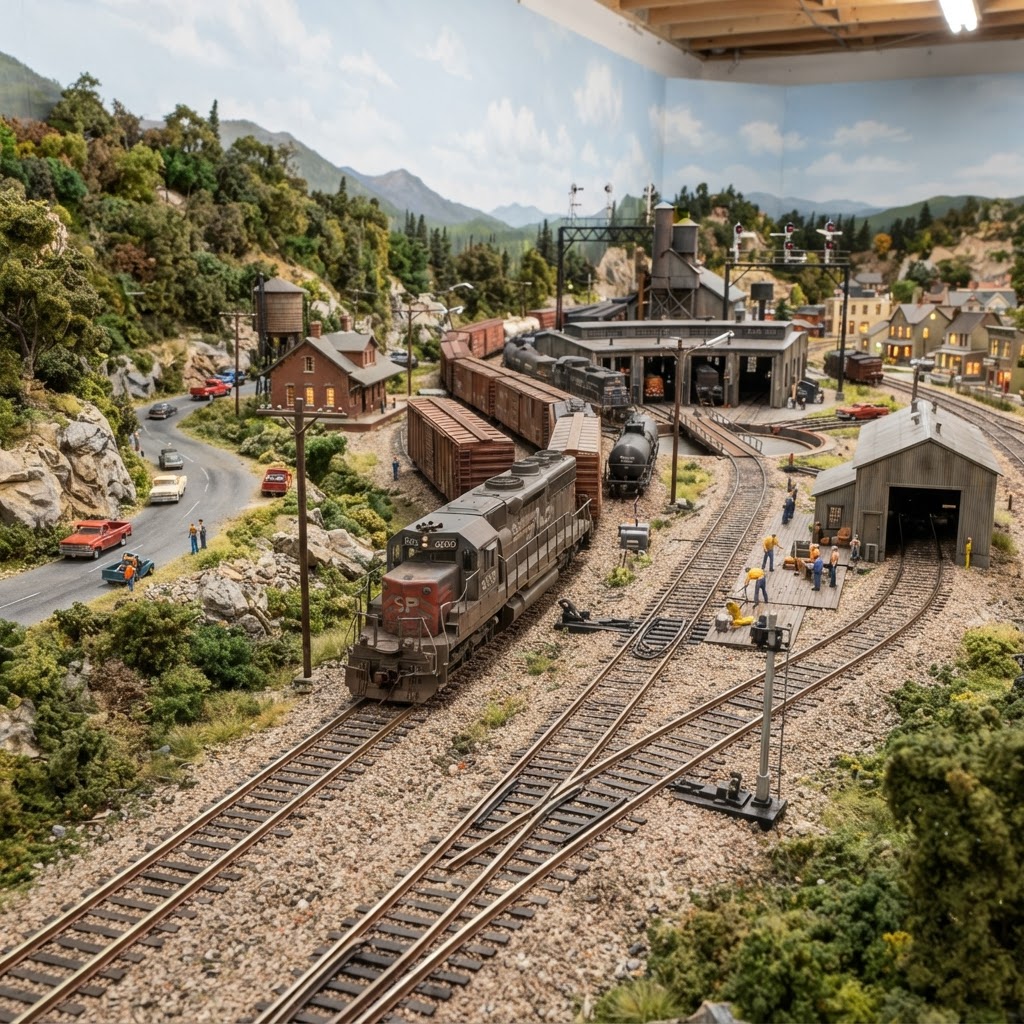
Choosing the best DCC systems for model railroads can feel overwhelming, especially with so many options flooding the market. Whether you're a seasoned hobbyist expanding a complex multi-train layout or a newcomer just discovering the world of Digital Command Control, the system you choose will shape every operating session for years to come. Getting it right from the start saves you time, money, and a whole lot of frustration. If you're brand new to the hobby, we recommend checking out The Ultimate Beginner Guide to Model Railroading: Start Your Journey Today before diving in.
DCC technology transformed model railroading by allowing multiple locomotives to operate independently on the same track, with precise control over speed, direction, lighting, and sound. But not all systems are created equal. The best DCC systems for model railroads balance ease of use, expandability, decoder compatibility, and value — and the right choice depends heavily on your layout size, budget, and long-term goals. If you're still weighing the fundamentals, our guide on DCC vs DC: The Ultimate Guide to Choosing the Best Model Train Power System is a great place to start.
In this article, we've done the research so you don't have to. We've evaluated ten of the top DCC systems available today, covering everything from entry-level starter sets to professional-grade command stations. Let's dig in.
What to Look for in a DCC System
Before jumping into the list, it's worth understanding what separates a great DCC system from a mediocre one.
Power Output
Power output, measured in amps, determines how many locomotives you can run simultaneously. Small layouts with a handful of engines can get by with 1–3 amps, while larger, more complex layouts may need 5 amps or more.
Ease of Use
A throttle that feels intuitive matters more than you might think. Look for clear displays, logical button layouts, and straightforward programming options.
Expandability
Can the system grow with your layout? The best systems support multiple throttles, computer interfaces, and accessories like signals and turnout control.
Decoder Compatibility
Most modern systems support NMRA-standard decoders, but some brands play nicer with specific decoder families. Check compatibility before you buy.
Budget
DCC systems range from under $100 to well over $500. We've got picks across the full spectrum — and for budget-specific recommendations, see our guide to the Best DCC Controller for Budget: Top Picks for Every Model Railroader.
The 10 Best DCC Systems for Model Railroads
1. Digitrax Zephyr Extra (DCS52)
The Digitrax Zephyr Extra is one of the most popular entry-level DCC systems on the market, and for good reason. It delivers 2.5 amps of power, supports LocoNet expansion, and includes a built-in decoder tester. It's perfect for HO and N scale layouts and can grow with you as your needs evolve.
Best for: Beginners and intermediate hobbyists
Power Output: 2.5A
Standout Feature: LocoNet compatibility for easy expansion
2. NCE Power Cab
The NCE Power Cab is another excellent starter system, beloved for its intuitive interface and compact design. It outputs 1.75 amps, which is suitable for smaller layouts. The cab plugs directly into the track bus, making setup refreshingly simple. NCE is also known for outstanding customer support.
Best for: Beginners with smaller layouts
Power Output: 1.75A
Standout Feature: Plug-and-play simplicity
3. Digitrax DCS210Plus
Stepping up from the Zephyr, the DCS210Plus offers 8 amps of power and is built for serious layout operators. It supports LocoNet, transponding, and full-featured programming. If you're running a large HO or O scale layout with many locomotives, this system can handle the load.
Best for: Intermediate to advanced users
Power Output: 8A
Standout Feature: High amp output with full LocoNet support
4. NCE PH-Pro Starter Set
The NCE PH-Pro is a workhorse system trusted by club layouts and serious home operators alike. With 5 amps of output and rock-solid reliability, it supports up to 128 locomotives and offers excellent decoder programming capabilities. The ProCab throttle is widely regarded as one of the most ergonomic in the industry.
Best for: Advanced hobbyists and club layouts
Power Output: 5A
Standout Feature: Up to 128-locomotive support
5. ESU ECoS 2 Command Station
The ESU ECoS 2 is a premium, feature-rich command station with a large color touchscreen that makes it stand out immediately. It supports DCC, Märklin, and Selectrix protocols, making it ideal for hobbyists with mixed fleets. The built-in display lets you manage locomotives, routes, and accessories without a computer.
Best for: Tech-savvy enthusiasts with diverse fleets
Power Output: 4A (expandable)
Standout Feature: Color touchscreen and multi-protocol support
6. Roco/Fleischmann Z21
The Z21 is a smartphone-friendly DCC system that's gained a passionate following, especially among European modelers. Its companion app (available for iOS and Android) provides a slick interface for controlling trains, programming decoders, and managing layout accessories. It's also compatible with Z21-compatible boosters for expanded power.
Best for: Tech-forward hobbyists who prefer app-based control
Power Output: 3A (expandable)
Standout Feature: Smartphone app integration
7. Bachmann E-Z Command DCC System
For beginners who want the simplest possible entry into DCC, the Bachmann E-Z Command system delivers. It's affordable, straightforward, and works reliably with Bachmann's own DCC-equipped locomotives. It lacks the expandability of higher-end systems, but as a first step into digital control, it gets the job done.
Best for: Absolute beginners on a tight budget
Power Output: 1A
Standout Feature: Extremely affordable and beginner-friendly
8. Hornby Select & Elite
Hornby's Select and Elite systems are popular in the UK market and offer solid performance for OO and HO scale layouts. The Elite in particular features a backlit display, dual cab control, and a USB computer interface. If you're running Hornby locomotives, these systems integrate seamlessly.
Best for: UK and European modelers with Hornby equipment
Power Output: Up to 4A (Elite)
Standout Feature: USB interface and dual cab support
9. Digitrax DCS240
The Digitrax DCS240 is a high-capacity command station designed for large, complex layouts. It supports up to 120 locomotives simultaneously, offers 8 amps of power, and integrates smoothly into LocoNet-based systems. For club layouts or ambitious basement empires, it's one of the most capable systems available.
Best for: Large layouts and club operations
Power Output: 8A
Standout Feature: 120-locomotive simultaneous operation
10. MRC Prodigy Advance Squared
The MRC Prodigy Advance² offers a great balance of features and affordability. It supports up to 99 locomotives, includes a large LCD display, and provides 3.5 amps of output. It's a strong mid-range option for hobbyists who want more capability than entry-level systems without paying premium prices.
Best for: Mid-range buyers seeking solid value
Power Output: 3.5A
Standout Feature: 99-locomotive support at a reasonable price
Matching Your DCC System to Your Layout
Choosing the right system isn't just about specs — it's about matching the system to your specific situation.
Small Layouts (N or HO Scale Starter Setups)
If you're working with a compact layout, the NCE Power Cab or Bachmann E-Z Command will serve you well without overcomplicating things. For scale-specific guidance, check out our article on HO vs N Scale Starter Kits: The Ultimate Guide for Beginners.
Mid-Size Home Layouts
The Digitrax Zephyr Extra, MRC Prodigy Advance², or NCE PH-Pro are all excellent choices. They offer enough power and features to run a satisfying roster of locomotives with room to grow.
Large Scale and Garden Railroads
Large scale operations have unique power and durability requirements. We cover this in depth in our dedicated guide: Best DCC Systems for Large Scale Trains: A Comprehensive Guide.
Upgrading from DC
If you're making the switch from conventional DC control, the process is more straightforward than many hobbyists expect. Our step-by-step walkthrough at The Best Way to Upgrade to DCC: A Beginner's Step-by-Step Guide covers everything you need to know.
Tips for Getting the Most Out of Your DCC System
- Invest in quality decoders. Your command station is only as good as the decoders in your locomotives. Sound decoders from brands like Soundtraxx, ESU LokSound, and Digitrax bring locomotives to life.
- Keep your track clean. DCC systems are more sensitive to dirty track than DC. Regular cleaning is essential for reliable performance. Browse our recommended products for track cleaning tools.
- Use a programming track. Programming on the main can cause issues; a dedicated programming track gives you precise control.
- Plan your wiring carefully. Larger layouts benefit from block wiring and power districts, which also protect your system from shorts. Our best tools guide includes recommendations for essential wiring tools.
- Pair great locomotives with your system. The right DCC system shines brightest with quality motive power. Explore our picks for Top 10 Best Steam Engine Models and Top 10 Best Diesel Engines for Model Train Collectors.
Frequently Asked Questions
What is the best DCC system for beginners?
The NCE Power Cab and Digitrax Zephyr Extra are both excellent choices for beginners. They're affordable, easy to set up, and expandable enough to grow with your layout. The Bachmann E-Z Command is also worth considering if you're on a very tight budget.
How much should I spend on a DCC system?
Entry-level systems start around $100–$150, mid-range systems fall in the $200–$350 range, and professional systems can exceed $500. Your budget should reflect the size and complexity of your current layout — but also factor in future expansion plans.
Are all DCC decoders compatible with all DCC systems?
Most modern DCC decoders follow NMRA standards, meaning they'll work with any NMRA-compliant command station. However, some advanced features (like sound file uploads or specific feedback protocols) may require matching brands. Always check compatibility for specialty features.
Can I run DCC and DC locomotives on the same layout?
Not simultaneously on the same track. DCC track power is different from DC, and running a non-DCC locomotive on a DCC-powered track can damage it. Some systems offer a DC compatibility mode, but it's limited. Most serious modelers eventually convert their entire roster to DCC.
What's the difference between a command station and a booster?
A command station generates the DCC signal and manages locomotive addresses. A booster amplifies the power output to handle more locomotives or larger layouts. Many systems allow you to add boosters as your layout grows, effectively extending the system's capacity.
Conclusion
Finding the best DCC system for your model railroad comes down to knowing your layout's needs, your budget, and how far you want to take the hobby. From the beginner-friendly NCE Power Cab to the powerhouse Digitrax DCS240, there's a system on this list for every type of modeler. The investment you make in a quality DCC system pays dividends every single time you run a session — smoother operation, better sound, and the freedom to run multiple trains with precision.
Ready to keep building your knowledge? Explore our full library of guides here on Model Train Insider, including tips on brass model train collecting, locomotive recommendations, and layout design strategies. The more you know, the better your railroad becomes.
Affiliate Disclosure: Some links in this article are affiliate links. We may earn a commission at no extra cost to you.
Enjoying this guide?
Browse our favorite recommended products.
James Mitchell
Model Train Enthusiast & Writer
James has been building layouts and collecting trains for over 15 years. He started Model Train Insider to help newcomers navigate the hobby with practical, no-nonsense advice drawn from hands-on experience.
Stay on Track
Get beginner guides, brand reviews, and layout tips delivered to your inbox. No spam—just trains.
Free forever. Unsubscribe anytime.
Related Articles
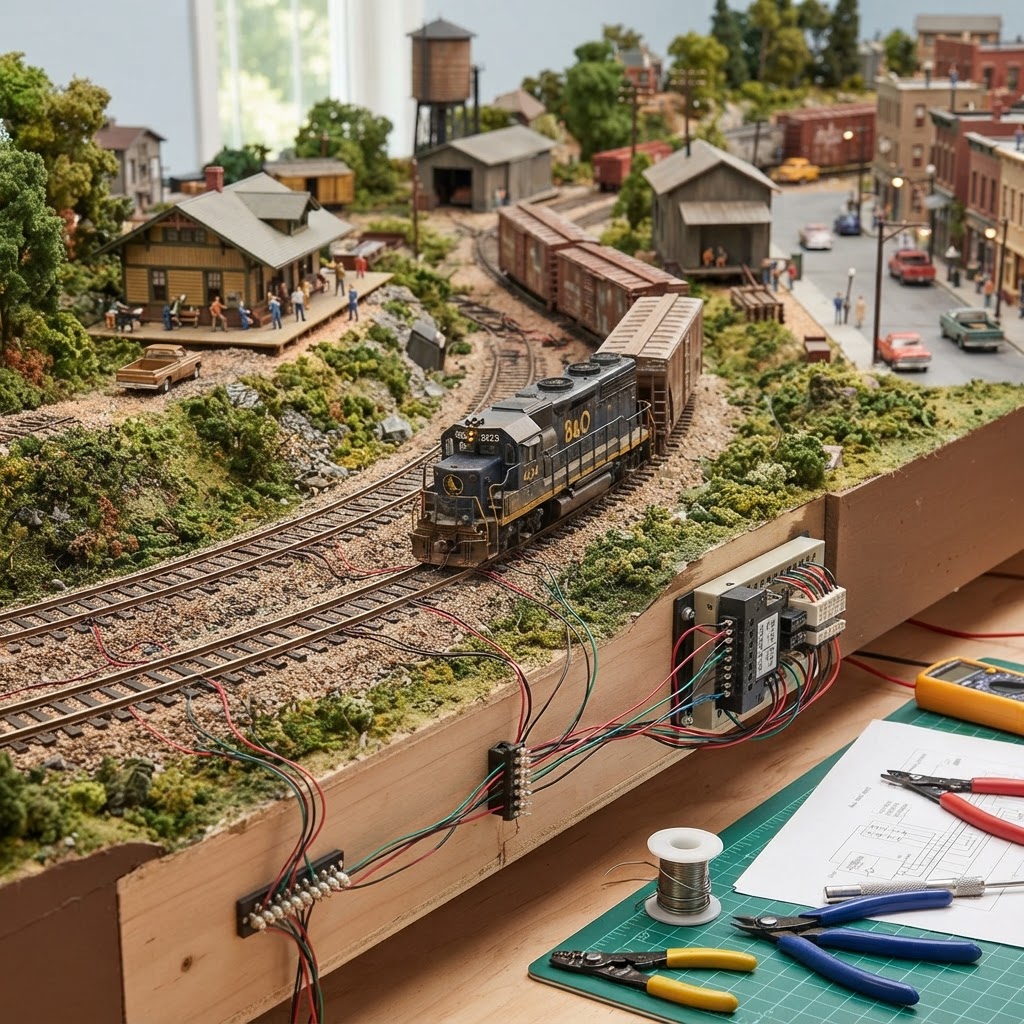
How to Wire Model Train Layouts: A Complete Step-by-Step Guide
Master the fundamentals of model railroad electronics. Learn how to wire model train layouts safely and efficiently with our comprehensive step-by-step guide.
Read more
HO Scale vs N Scale: Which Is Better for Your Model Railroad Layout?
Struggling to choose between HO and N scale? Explore the pros, cons, and space requirements of each to find the perfect fit for your model railroad layout.
Read more
10 Best HO Scale Track Plans for Your Home Layout
Discover the 10 best HO scale track plans to transform your space. From compact switching layouts to grand mainlines, find the perfect design for your model train.
Read more