Best Starter Model Train Sets for Adults: A Comprehensive Guide to Your New Hobby
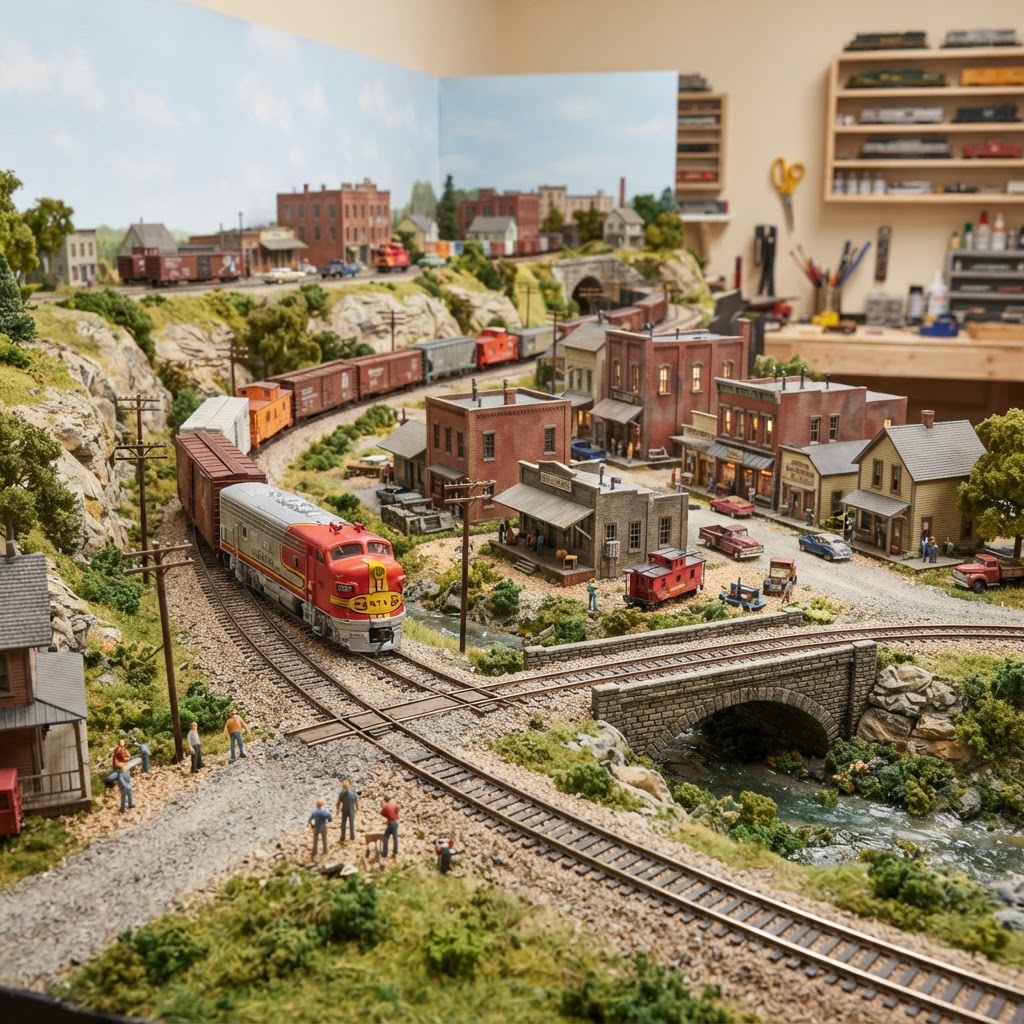
If you've ever watched a locomotive roll through a miniature landscape and thought, "I want to build that," you're not alone. Model railroading is one of the most rewarding hobbies a person can pick up at any stage of life — and more adults than ever are discovering it for the first time. Whether you're drawn to the nostalgia of classic steam engines, the precision engineering of modern diesel locomotives, or simply the joy of creating a world in miniature, finding the best starter model train sets for adults is the crucial first step on that journey.
The challenge, of course, is knowing where to begin. Walk into any hobby shop or browse online, and you'll quickly find yourself overwhelmed by scales, brands, decoder systems, and price points. What works for a child's Christmas gift is rarely what an adult hobbyist needs for a fulfilling, long-term experience. Adult beginners typically want something they can grow with — a set that delivers quality out of the box but also leaves room for expansion, detailing, and customization down the road.
This guide is designed specifically for you. We've broken down everything you need to know about choosing your first model train set as an adult, including what features to prioritize, which scales are most beginner-friendly, and which sets consistently earn high marks from the model railroading community. If you're just starting out, we also recommend bookmarking The Ultimate Beginner Guide to Model Railroading: Start Your Journey Today — it's the perfect companion to this article.
What Makes a Great Starter Set for Adults?
Not all starter sets are created equal, and adult hobbyists have different priorities than younger beginners. Here's what separates a great adult starter set from a generic beginner kit.
Quality of the Locomotive
The locomotive is the heart of any model train set. Adult hobbyists should look for sets that include a locomotive with a solid metal chassis (or at least a metal frame), smooth motor operation, and good slow-speed performance. Cheap, all-plastic locomotives often struggle at low speeds and wear out faster — which can be frustrating when you're trying to enjoy the hobby long-term.
Look for locomotives from reputable manufacturers like Bachmann, Kato, Atlas, or Lionel. These brands have earned their reputations over decades by producing reliable, well-detailed models that hold their value.
Track Quality and Expandability
Most starter sets include a basic oval of sectional track. This is fine for getting started, but you'll want to make sure the track system is compatible with a wider ecosystem of track pieces so you can expand later. Brands like Bachmann E-Z Track and Kato Unitrack are popular because they're easy to connect and widely available.
Avoid sets that use proprietary track formats with limited expansion options — they can become dead ends as your layout ambitions grow.
DC vs. DCC Control
This is one of the most important decisions you'll make as a beginner. Traditional DC (direct current) control is simpler and cheaper upfront, while DCC (Digital Command Control) gives you far more flexibility, especially when running multiple locomotives independently. If you think you might eventually run more than one train on your layout, it's worth starting DCC-ready.
For a thorough breakdown of both systems, check out our guide to DCC vs DC: The Ultimate Guide to Choosing the Best Model Train Power System. And if you're leaning toward DCC from the start, our article on the 10 Best DCC Systems for Model Railroads: A Comprehensive Buyer Guide is essential reading.
Included Accessories
Some starter sets include basic scenery, buildings, or figures. While these extras are rarely museum-quality, they can help you visualize your layout and get started with scenery work sooner. More importantly, look for sets that include a power pack, controller, and enough track to form a usable loop — you don't want to spend extra money on essentials right away.
Choosing the Right Scale
Scale is one of the first decisions you'll need to make, and it has a big impact on everything from the space you need to the cost of expanding your collection.
HO Scale — The Most Popular Choice
HO scale (1:87) is the most widely used model train scale in the world, and for good reason. It strikes an ideal balance between detail and size — large enough to show fine detail, small enough to fit a meaningful layout in a spare bedroom or basement. The sheer volume of available locomotives, rolling stock, track, and scenery in HO scale is unmatched.
For adult beginners, HO scale starter sets are our top recommendation. The investment in locomotives and accessories holds its value well, and the community support is enormous.
N Scale — Great for Smaller Spaces
N scale (1:160) is roughly half the size of HO, which means you can build a more geographically expansive layout in the same footprint. If you're working with limited space — say, an apartment or a small dedicated room — N scale is worth serious consideration.
The trade-off is that smaller components can be trickier to handle and detail, and N scale locomotives tend to be slightly more sensitive to track cleanliness and maintenance.
For a side-by-side comparison of both scales with specific starter kit recommendations, see our in-depth article: HO vs N Scale Starter Kits: The Ultimate Guide for Beginners.
O Scale and Large Scale — When Bigger Is Better
O scale (1:48) and Large Scale (G scale, 1:22.5) sets offer incredible visual impact and are easier to handle physically. Lionel's O scale sets are iconic and widely recognized, while G scale trains are popular for outdoor garden railroads.
These scales tend to be more expensive and require more space, but they're deeply satisfying for hobbyists who want a more tactile experience. If you're considering Large Scale, take a look at our guide to the Best DCC Systems for Large Scale Trains: A Comprehensive Guide.
Top Starter Model Train Sets for Adults
Here are some of the consistently well-reviewed starter sets that adult beginners gravitate toward. These picks prioritize build quality, expandability, and value.
Bachmann Trains — Silver Series HO Scale Sets
Bachmann's Silver Series starter sets are among the most recommended entry points for adult HO scale beginners. They include a quality locomotive, several freight cars, an oval of E-Z Track with a roadbed, and a power pack. The locomotives run smoothly and are DCC-ready, meaning you can drop in a decoder later without replacing the locomotive.
Bachmann also offers Steam and Diesel locomotive variants, so you can choose based on your era preference. For deeper dives into locomotive types, see our guides on the Top 10 Best Steam Engine Models for Your Collection in 2024 and Top 10 Best Diesel Engines for Model Train Collectors to Own in 2024.
Kato N Scale Starter Sets
Kato is widely regarded as one of the finest manufacturers of N scale equipment, and their starter sets reflect that reputation. Kato trains are known for exceptional smooth running, realistic paint schemes, and excellent slow-speed performance — qualities adult hobbyists particularly appreciate.
Kato's Unitrack system is also one of the best sectional track systems available, with a reliable snap-together design and a vast range of expansion pieces. If you're leaning toward N scale, a Kato starter set is hard to beat.
Lionel LionChief O Scale Starter Sets
For those drawn to the classic American model train experience, Lionel's LionChief sets offer a compelling option. These O scale sets come with Bluetooth-enabled control right out of the box, letting you run your train from a smartphone app. The locomotives feature sound effects, smoke units, and impressive detail levels.
LionChief sets are pricier than HO or N scale equivalents, but the experience they deliver is genuinely impressive — especially for adults who grew up with Lionel trains and want to revisit that nostalgia with modern features.
Athearn HO Blue Box Sets
Athearn's Blue Box sets have been a staple of the hobby for decades. They're straightforward, durable, and offer excellent value. While they may lack some of the digital bells and whistles of more expensive sets, they're beloved for their reliability and the sheer number of locomotive and rolling stock options available.
Upgrading and Expanding Your Starter Set
One of the great joys of model railroading is that your layout is never truly "finished." Once you've run your first trains and caught the bug, expansion is inevitable.
Adding DCC
If your starter set runs on DC, upgrading to DCC opens up a world of possibilities — independent control of multiple locomotives, sound decoders, lighting effects, and more. Our step-by-step guide, The Best Way to Upgrade to DCC: A Beginner's Step-by-Step Guide, walks you through the process clearly. If budget is a concern, we've also rounded up the Best DCC Controller for Budget: Top Picks for Every Model Railroader.
Essential Tools
As you start building your layout, having the right tools makes an enormous difference. Track cutters, rail joiners, a good soldering iron, and a multimeter are just a few items you'll reach for constantly. Browse our recommended products page for curated picks, or read The Best Tools for Model Trains: A Pro Guide for Every Railroader for detailed guidance.
Frequently Asked Questions
What is the best model train scale for adult beginners?
HO scale is generally considered the best starting point for adult beginners. It offers the widest selection of locomotives, rolling stock, track, and scenery, and it's supported by a massive community of hobbyists. N scale is an excellent second choice if space is limited.
Should I start with a DC or DCC train set?
If you plan to run only one locomotive at a time and want to keep things simple, DC is perfectly fine to start with. However, if you anticipate growing your layout and running multiple trains, starting with a DCC-compatible set (even if you run it on DC initially) is a smart investment for the future.
How much should I expect to spend on a quality adult starter set?
A solid adult-oriented starter set typically costs between $100 and $300. Sets in this range generally include a quality locomotive, several cars, track, and a power supply. Budget sets under $80 tend to use lower-quality motors and plastic components that can limit long-term enjoyment.
Can I add more track and locomotives to my starter set?
Absolutely — and this is one of the most enjoyable aspects of the hobby. Most major starter sets use track systems with widely available expansion pieces. Locomotives and rolling stock from the same scale are generally interoperable, giving you a huge range of options as your collection grows.
What's the difference between ready-to-run and kit-built trains?
Ready-to-run (RTR) sets come fully assembled and are designed to run straight out of the box — ideal for beginners. Kit-built models require assembly and are typically chosen by more experienced hobbyists who enjoy the building process and want highly customized or rare models.
Conclusion
Choosing from the best starter model train sets for adults doesn't have to be overwhelming. By focusing on scale, locomotive quality, track expandability, and control system compatibility, you can make a confident first purchase that serves as the foundation for a deeply rewarding hobby.
Whether you go with a Bachmann HO Silver Series set, a Kato N scale kit, or a Lionel LionChief setup, the most important thing is to get started. Every great layout begins with a single loop of track.
Ready to dig deeper? Explore more of our beginner-friendly guides right here on Model Train Insider — from choosing your first DCC system to building your first realistic scenery. The journey is just beginning.
Affiliate Disclosure: Some links in this article are affiliate links. We may earn a commission at no extra cost to you.
Enjoying this guide?
Browse our favorite recommended products.
James Mitchell
Model Train Enthusiast & Writer
James has been building layouts and collecting trains for over 15 years. He started Model Train Insider to help newcomers navigate the hobby with practical, no-nonsense advice drawn from hands-on experience.
Stay on Track
Get beginner guides, brand reviews, and layout tips delivered to your inbox. No spam—just trains.
Free forever. Unsubscribe anytime.
Related Articles
Diesel vs Steam Locomotives: A Guide to Choosing Your Model Train
Struggling to decide between steam or diesel for your layout? Our guide compares steam and diesel model locomotives to help you make the right choice.
Read more
The Ultimate Beginner Guide to Model Railroading: Start Your Journey Today
Discover how to start your model train hobby with our ultimate beginner guide. Learn about scales, track layouts, and essential gear to build your dream railroad.
Read more
HO vs N Scale Starter Kits: The Ultimate Guide for Beginners
Choosing your first model train set? Compare HO vs N scale starter kits to find the perfect size, space, and detail for your new hobby layout.
Read more