Best Model Train Switches: Expert Reviews and Top Brands for 2024
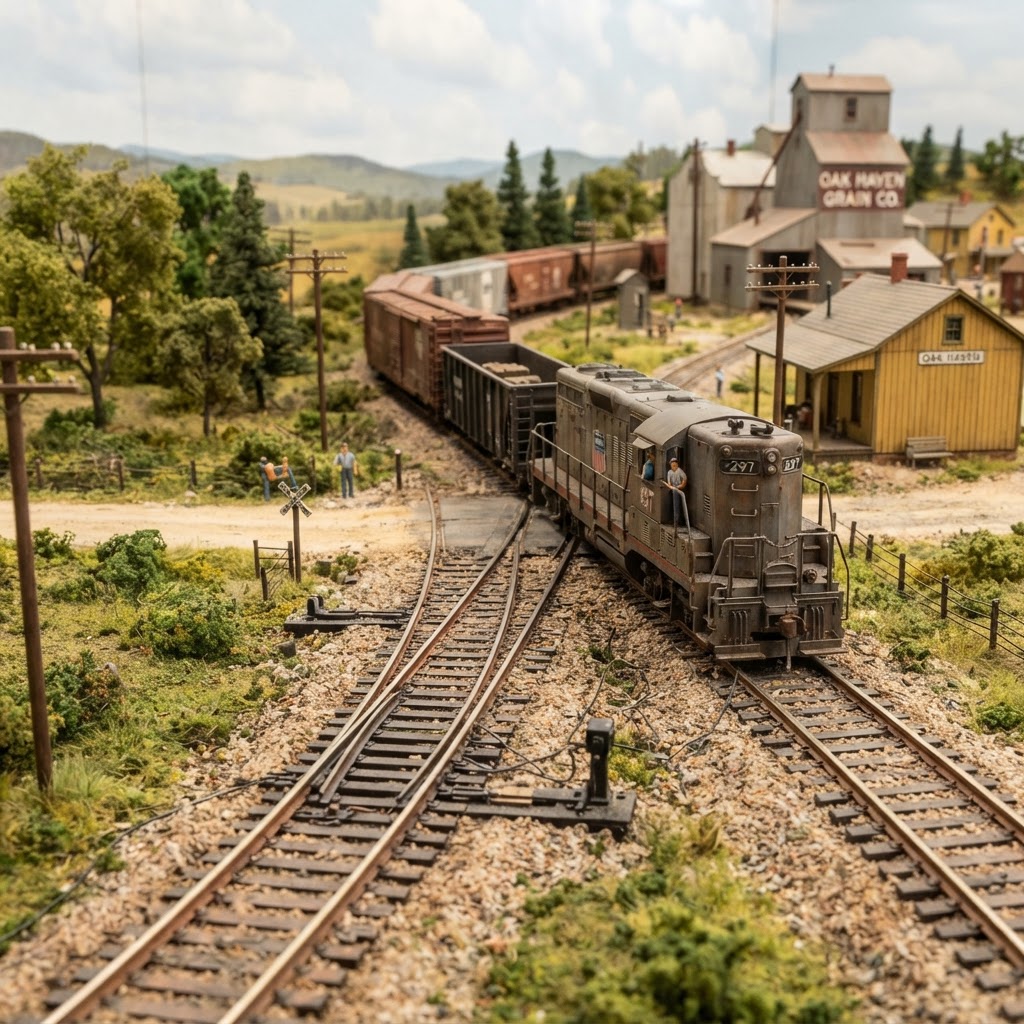
Whether you're just getting started with the hobby or you're a seasoned layout builder looking to expand your operations, finding the best model train switches is one of the most important decisions you'll make. Track switches — also known as turnouts — are the mechanical heart of any model railroad layout. They direct your locomotives from one track to another, enable complex routing scenarios, and bring an authentic, operational feel to your miniature world. Without reliable, well-performing switches, even the most beautifully detailed layout can grind to a halt.
The market for model train switches is surprisingly diverse, with options spanning multiple scales, control systems, and price points. From budget-friendly manual turnouts to digitally controlled, DCC-compatible switches with built-in feedback, there's something for every hobbyist and every layout size. The challenge lies in knowing which brands deliver consistent quality, which products suit your specific scale and control setup, and how to avoid common pitfalls that plague beginners and veterans alike.
In this guide, we'll walk you through everything you need to know about choosing the best model train switches for your layout. We'll cover the top brands, explain the key differences between switch types, and offer practical buying advice to help you make a confident, informed decision. Whether you're running HO, N, O, or G scale, this guide has you covered.
What Are Model Train Switches and Why Do They Matter?
A model train switch (or turnout) is a section of track that allows a train to be diverted from one line to another. It consists of a fixed stock rail, movable point rails, and a frog — the crossing point where the two tracks meet. When the points move, they guide the wheels of the locomotive onto either the straight (main line) or the diverging (branch) track.
Switches matter enormously because they define the operational complexity of your layout. A simple oval track with no switches is fine for display purposes, but adding turnouts opens up possibilities like passing sidings, yard ladders, engine servicing areas, and industrial spurs. They transform a static display into a working, dynamic railroad — and that's what most hobbyists are really after.
Poorly made switches are one of the leading causes of derailments and electrical problems in model railroading. A switch with inconsistent frog geometry, flimsy point rails, or poor electrical conductivity can cause endless frustration. Investing in quality switches from reputable brands is always worth the extra cost.
Key Factors to Consider When Buying Model Train Switches
Before diving into brand recommendations, it's important to understand what separates a great switch from a mediocre one. Here are the most important factors to evaluate:
Scale Compatibility
Switches are scale-specific. HO scale switches won't work on an N scale layout, and O scale turnouts require a completely different track system. Always confirm that the switch you're buying matches your layout's scale. If you're still deciding between scales, check out our guide on HO vs N Scale Starter Kits: The Ultimate Guide for Beginners to help narrow things down.
Radius and Angle
Switches come in different radii and diverging angles, typically expressed as "number" ratings (e.g., #4, #6, #8). A higher number means a more gradual curve through the diverging route, which is better for longer locomotives and passenger cars. Tight #4 turnouts work fine for small freight cars but can cause longer equipment to derail.
Manual vs. Powered Switches
Manual switches require you to physically throw the points by hand or with a manual ground throw. Powered switches use a switch machine — either a solenoid or a slow-motion motor — to move the points electrically. Powered switches are essential for realistic operations and are required if you want remote or automated control.
DCC Compatibility
If you're running a DCC (Digital Command Control) system, make sure your switches are compatible. Some switches include built-in accessory decoders or are designed to work seamlessly with DCC accessories. For more on DCC systems, see our 10 Best DCC Systems for Model Railroads: A Comprehensive Buyer Guide.
Frog Type: Insulated vs. Power Routing
Insulated frog switches (also called "dead frog" or "plastic frog") are simpler and require no special wiring. Power routing switches (also called "live frog" or "electrofrog") provide better electrical conductivity through the frog area, reducing stalls on short wheelbase locomotives, but require more careful wiring. For wiring guidance, check out our How to Wire Model Train Layouts: A Complete Step-by-Step Guide.
Top Brands for Model Train Switches
Atlas Model Railroad Co.
Atlas is one of the most trusted names in model railroading, and for good reason. Their track products — especially their HO and N scale turnouts — are known for precise tolerances, smooth operation, and excellent reliability. Atlas offers both "snap switches" (spring-loaded, manual) and "custom line" switches, which are higher-quality, hand-laid-style turnouts suitable for more serious layouts.
The Atlas Custom Line #4 and #6 turnouts are particularly popular for HO scale layouts. They feature solid nickel silver rails, accurate geometry, and reliable plastic frogs that eliminate many wiring headaches. Atlas switches are widely available, reasonably priced, and compatible with most standard track systems, making them an excellent choice for beginners and experienced hobbyists alike.
If you're just getting started, Atlas products pair well with many of the sets mentioned in our Best Starter Model Train Sets for Adults: A Comprehensive Guide to Your New Hobby.
Peco
Peco is a British manufacturer with a sterling reputation for high-quality track products used worldwide. Their Streamline series of turnouts is a favorite among serious modelers who want the best performing switches available. Peco offers both Insulfrog (plastic frog) and Electrofrog (live frog) versions of their turnouts, giving you maximum flexibility in how you wire your layout.
One of Peco's standout features is their spring-loaded point locking mechanism. Unlike many competitors, Peco switches hold their position firmly without an additional locking device. This reduces derailments caused by points being inadvertently nudged out of position. Peco turnouts are available in HO (OO/HO), N, and O scales, among others.
Peco's Electrofrog switches are particularly well-regarded for analog and DCC layouts where smooth, stall-free performance is a priority. They're slightly more expensive than Atlas but deliver a noticeable improvement in reliability and appearance.
Kato
Kato is a Japanese manufacturer renowned for the precision engineering of their Unitrack system. Kato switches are part of their snap-together track ecosystem, which makes them incredibly easy to use and highly popular among modelers who want a clean, reliable layout without complex wiring challenges.
Kato Unitrack turnouts feature an integrated roadbed, built-in switch machines, and a ballasted appearance straight out of the box. The snap-together design means you can reconfigure your layout quickly and easily — a big plus for modelers who like to experiment with different designs. Kato is available primarily in HO and N scales.
The trade-off with Kato is that you're somewhat locked into their ecosystem. Mixing Kato with other track brands requires adapter sections. But if you commit to Unitrack, you'll benefit from one of the most consistent and trouble-free track systems on the market.
Bachmann
Bachmann's EZ-Track system is another snap-together track solution that includes a range of switches suitable for beginner to intermediate layouts. Bachmann switches are affordable, easy to set up, and include a built-in roadbed like Kato. They're a solid choice for hobbyists who want a simple, low-cost solution without sacrificing too much in terms of reliability.
Bachmann's E-Z Track switches are compatible with most standard HO scale rolling stock, though they tend to use tighter radius curves that may challenge longer locomotives. They're best suited for smaller layouts and entry-level setups.
Tortoise Slow-Motion Switch Machines (Circuitron)
While not a track manufacturer per se, no discussion of the best model train switches would be complete without mentioning Tortoise switch machines by Circuitron. The Tortoise is a slow-motion switch machine that provides smooth, realistic point movement compared to the sharp snap of solenoid machines. It's the gold standard for switch operation in serious model railroading.
Tortoise machines are compatible with virtually any track system and work exceptionally well with DCC layouts. They include built-in contacts for powering frog rails and signaling accessories, making them incredibly versatile. If you're using Peco or Atlas switches and want to upgrade your operation, adding Tortoise machines is one of the best investments you can make.
Manual vs. Powered Switches: Which Should You Choose?
For small, simple layouts, manual switches are perfectly adequate. They're cheaper, require no wiring, and are completely reliable. However, as your layout grows, manually throwing each switch becomes impractical — especially for hard-to-reach areas.
Powered switches allow remote operation from a control panel, a DCC throttle, or even a computer-controlled automation system. If you're planning a large, operationally complex layout, invest in powered switches from the start. It's much harder to retrofit switch machines after scenery and structures are in place.
For DCC users, make sure your power supply can handle the current demands of multiple switch machines. See our Best Power Supplies for Model Trains: Top 2024 Reviews and Buying Guide for recommendations on powering your accessories reliably.
Tips for Installing Model Train Switches Successfully
Getting the most from your switches depends as much on proper installation as it does on the quality of the product. Here are some practical tips:
- Test before you ballast. Always run trains through a new switch repeatedly before gluing down ballast or scenery. It's far easier to adjust a switch that's not yet permanently installed.
- Maintain your track regularly. Dirty track causes stalls and erratic behavior, especially through switch frogs. Keep your track clean with the right products — see our Top 7 Best Model Train Cleaning Products for Peak Performance for recommendations.
- Check point contact. The movable points must make firm, flush contact with the stock rails. Even a slight gap can cause short circuits or derailments.
- Power your frogs. If using live frog switches, wire the frog to the correct polarity for the selected route. This eliminates stalls on short-wheelbase locomotives and older equipment.
- Use the right radius. Match your switch radius to your longest rolling stock. When in doubt, go with a #6 or higher for main lines.
You can also browse our recommended products page for curated tools and supplies to help with layout construction and switch installation.
Frequently Asked Questions
What is the difference between a #4 and a #6 model train switch?
The number refers to the diverging angle of the switch. A #4 switch has a sharper angle, making it more compact but suitable only for shorter rolling stock. A #6 switch has a more gradual diverging route, allowing longer locomotives and passenger cars to pass through smoothly without derailing. For main lines, #6 or higher is generally recommended.
Are Peco switches compatible with Atlas track?
Yes, Peco switches can be used with Atlas flex track and sectional track with minor adjustments. You may need to file or trim rail joiners slightly to ensure a smooth connection between the two systems. Many modelers successfully combine Peco turnouts with Atlas flex track for the best of both worlds.
Do I need DCC-specific switches for a DCC layout?
Not necessarily. Most standard switches work fine on DCC layouts, but you may need to wire the frog carefully to avoid short circuits. Some switches come with built-in accessory decoders for DCC control, which can simplify installation. If you're new to DCC, our Best DCC Controller for Budget: Top Picks for Every Model Railroader guide is a helpful starting point.
What causes derailments at model train switches?
The most common causes include misaligned points that don't make flush contact with stock rails, incorrect wheel gauge on rolling stock, dirty or oxidized rail surfaces, and using a switch with too tight a radius for the length of your equipment. Regular maintenance and careful installation eliminate most of these issues.
Can I add powered switch machines to manual switches?
Yes. Most manual switches from Atlas, Peco, and other brands are designed to accept aftermarket switch machines. Tortoise slow-motion machines and standard solenoid machines can be mounted underneath the layout and connected to the switch throw bar with a small wire or rod. This is a common and cost-effective upgrade for existing layouts.
Conclusion
Choosing the best model train switches for your layout is a foundational decision that affects everything from operational reliability to the visual quality of your scenery. Whether you go with the accessible simplicity of Atlas, the premium engineering of Peco, the plug-and-play convenience of Kato Unitrack, or the smooth performance of Tortoise-equipped switches, investing in quality turnouts pays dividends for years to come.
Take the time to plan your track geometry carefully, choose the right radius for your equipment, and wire your switches properly from the start. A little extra effort during the planning phase will save you countless hours of troubleshooting down the road.
Ready to build the best layout of your life? Explore more of our in-depth guides here at Model Train Insider — from choosing your first locomotive to mastering DCC systems — and take your model railroad hobby to the next level.
Affiliate Disclosure: Some links in this article are affiliate links. We may earn a commission at no extra cost to you.
Enjoying this guide?
Browse our favorite recommended products.
James Mitchell
Model Train Enthusiast & Writer
James has been building layouts and collecting trains for over 15 years. He started Model Train Insider to help newcomers navigate the hobby with practical, no-nonsense advice drawn from hands-on experience.
Stay on Track
Get beginner guides, brand reviews, and layout tips delivered to your inbox. No spam—just trains.
Free forever. Unsubscribe anytime.
Related Articles
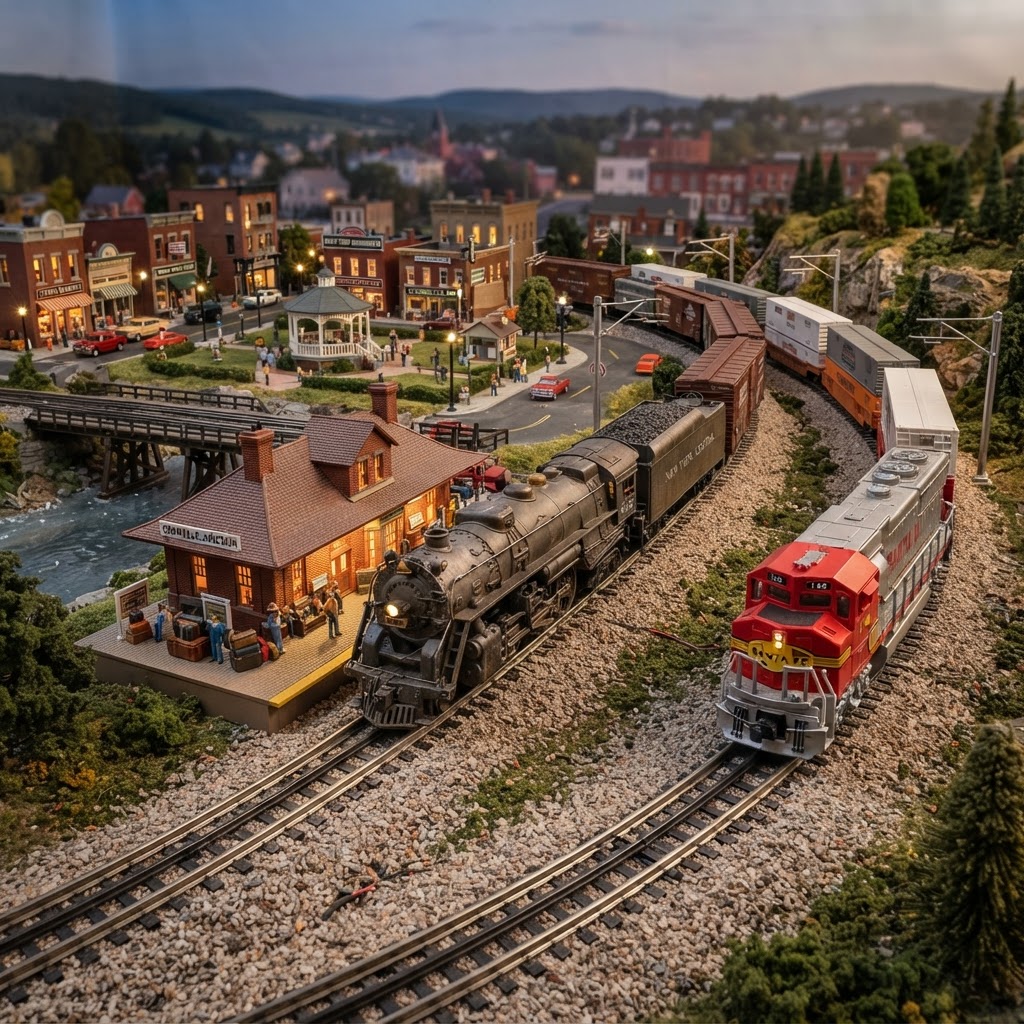
Lionel vs MTH: A Comprehensive Guide to Choosing the Perfect Model Train Brand
Struggling to decide between Lionel and MTH? Explore our in-depth comparison of features, control systems, and compatibility to find the best fit for you.
Read more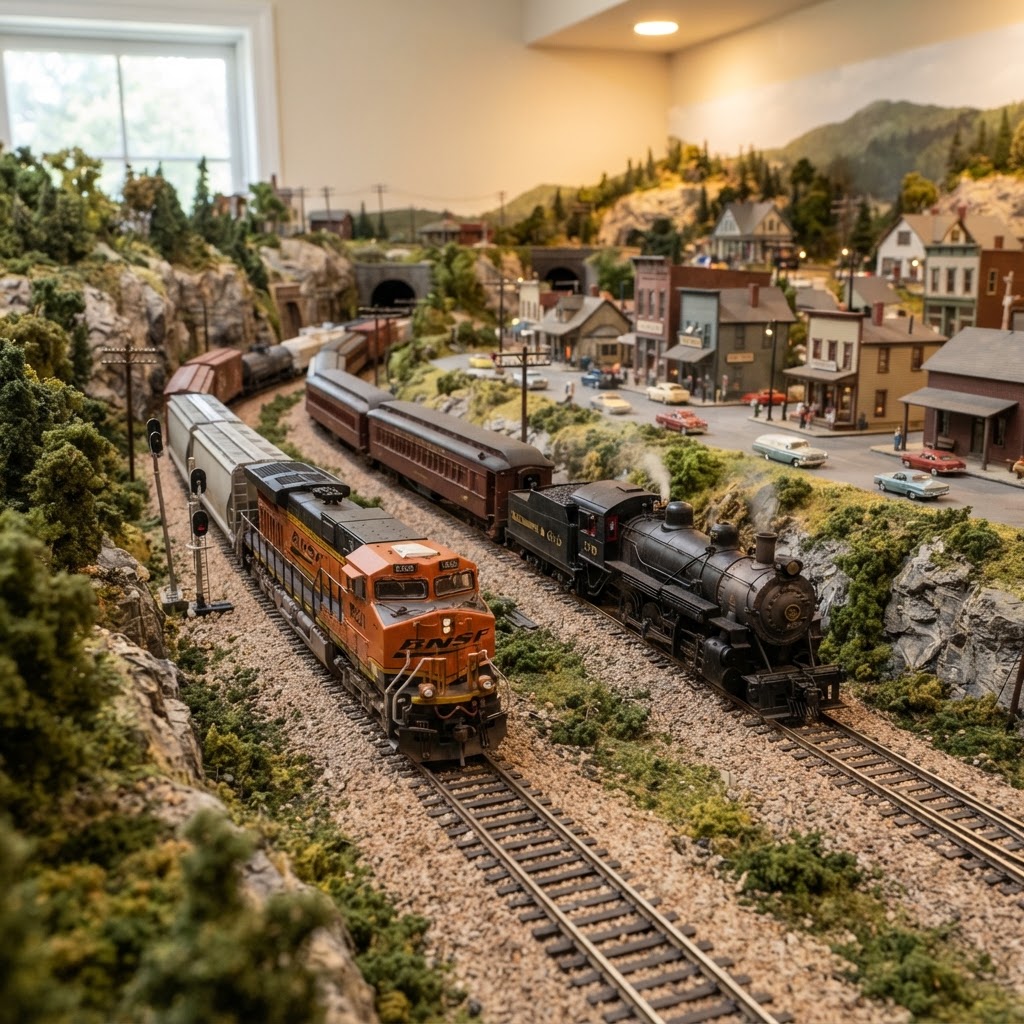
Athearn vs Bachmann: Which Model Train Brand Is Best for Your Layout?
Struggling to choose between Athearn and Bachmann? Our in-depth comparison helps you decide which brand fits your budget and model railroad project needs.
Read more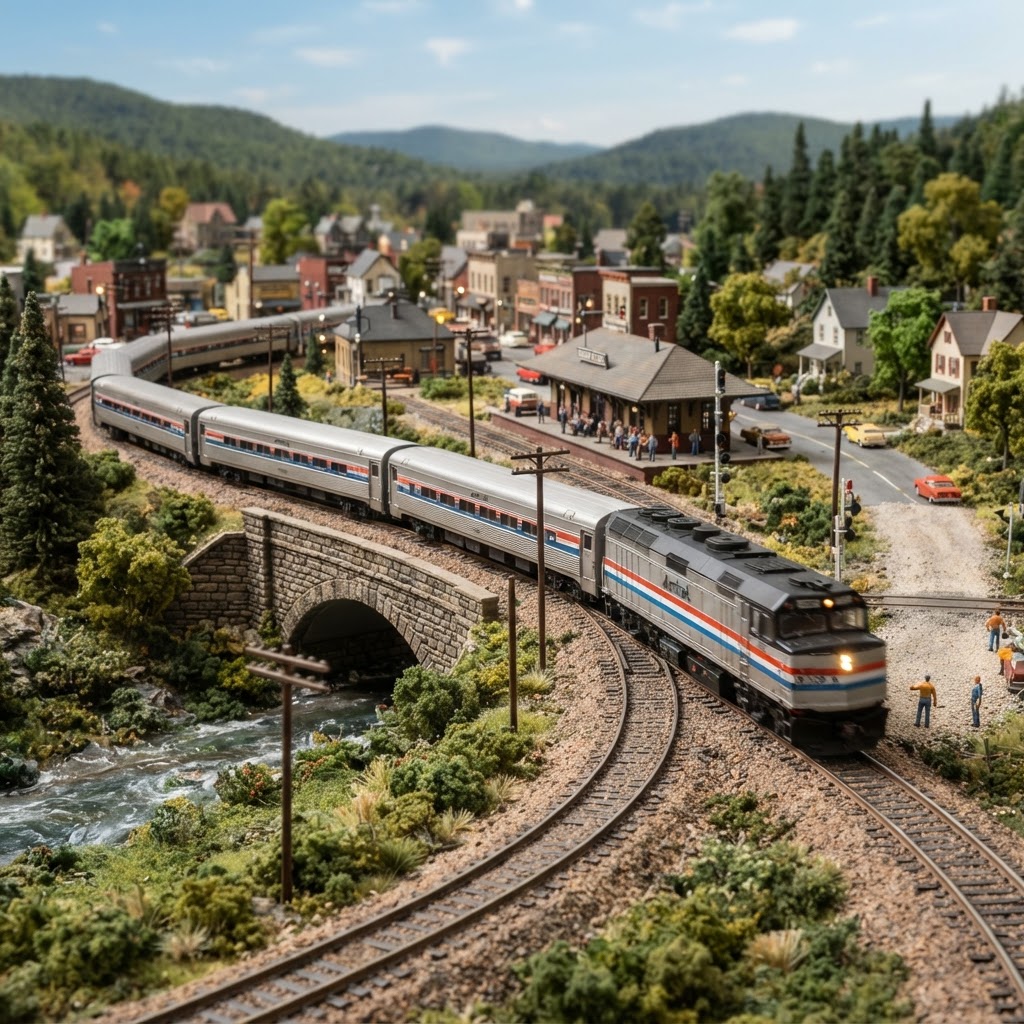
The Best Passenger Car Brands for Model Trains: A Comprehensive Guide
Discover the best passenger car brands for your model railroad. We evaluate quality, detail, and performance to help you build an authentic train layout.
Read more