Top 7 Best Model Train Cleaning Products for Peak Performance
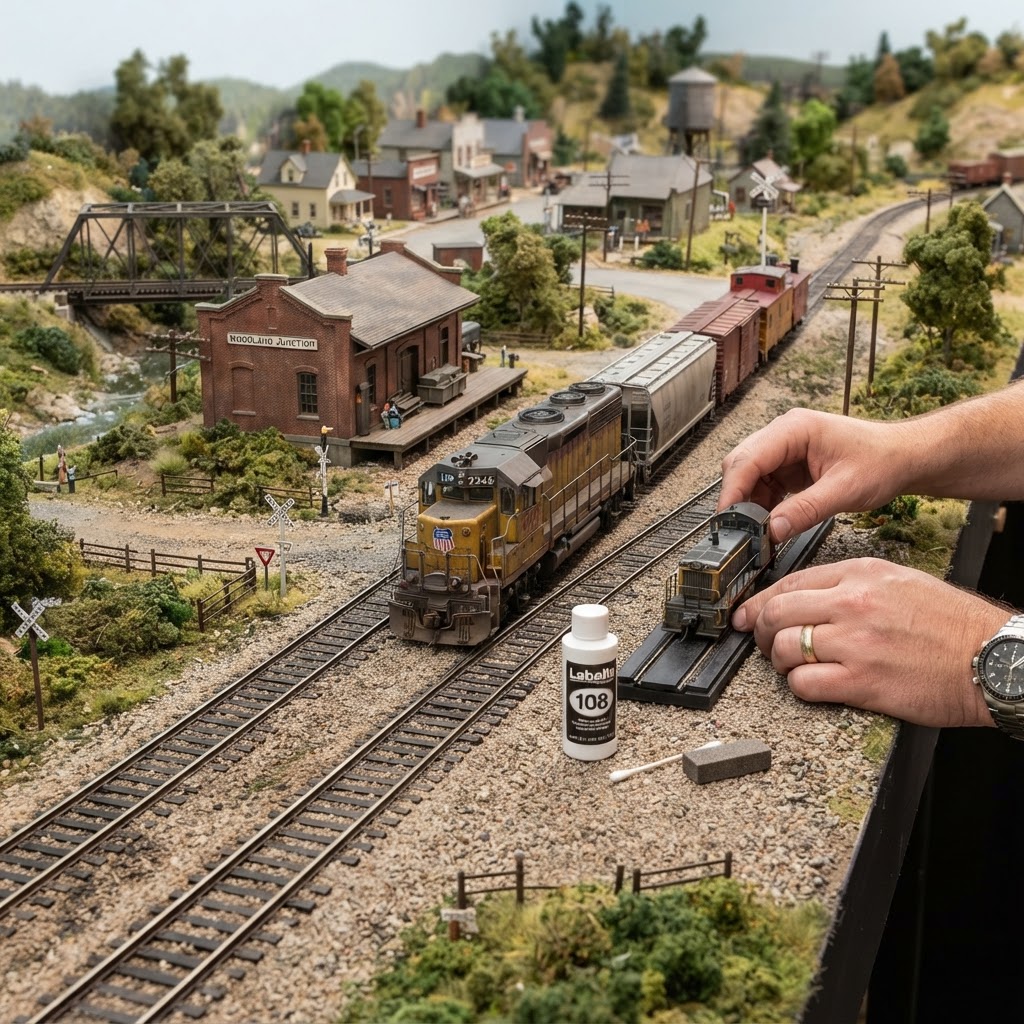
Keeping your model railroad in peak condition is one of the most rewarding — and often overlooked — aspects of the hobby. Whether you're a seasoned layout builder or just getting started (check out our Ultimate Beginner Guide to Model Railroading if you're new), you've probably noticed that dust, grime, and oxidation can quietly sabotage your trains' performance. Finding the best model train cleaning products isn't just about aesthetics — it directly affects how smoothly your locomotives run, how reliably your wheels pick up electrical current, and how long your investment lasts.
Dirty track and wheels are among the most common causes of poor performance in model railroading. That frustrating stuttering, the random stops, the flickering headlights — these are almost always signs that something needs a good clean. The good news is that the market for model train cleaning products has grown considerably, giving hobbyists a wide range of specialized solutions, tools, and techniques to choose from. From track cleaning fluids to wheel cleaning systems, there's something for every scale and every budget.
In this guide, we'll walk you through the best cleaning products available for model trains, explain what each type does, and give you practical advice on how to use them effectively. We've organized everything by cleaning category so you can jump straight to what you need most.
Why Cleaning Your Model Train Layout Matters
Before diving into products, it's worth understanding why cleaning is so critical. Model trains rely on electrical conductivity between the rails and the wheels to function. Even a thin layer of oxidation, dust, or oil residue can interrupt that connection. The result? Erratic speed, stalling, and poor DCC decoder response.
If you've recently upgraded to a DCC system — take a look at our 10 Best DCC Systems for Model Railroads for reference — you may have noticed that DCC is actually more sensitive to dirty track than traditional DC operation. That makes regular cleaning even more important for digital operators.
Beyond electrical performance, cleaning also protects the finish on your locomotives and rolling stock, keeps gears and motors running smoothly, and maintains the visual integrity of a well-detailed layout.
Track Cleaning Products
Track cleaning is the foundation of a well-maintained layout. Rails accumulate oxidation, oil from wheels and fingers, and airborne dust over time. Here are the best products to tackle that buildup.
Track Cleaning Fluids
Liquid track cleaners are among the most popular solutions on the market. They dissolve oxidation and grease without damaging the rail surface.
- Woodland Scenics Rail Tracker Cleaning System – One of the most highly regarded systems available, it includes a cleaning fluid and an applicator car that dispenses liquid directly onto the rails as it moves around your layout. It's ideal for HO and N scale operators.
- Micro-Trains Track Cleaner – A popular choice for N scale hobbyists, this fluid effectively removes oxidation and can be applied with a cloth or cleaning car.
- Isopropyl Alcohol (90%+) – A budget-friendly option that many experienced modelers swear by. Use it with a lint-free cloth or cotton swab. Avoid lower concentrations, as the extra water content can promote oxidation rather than remove it.
Pro Tip: Always use 90% or higher isopropyl alcohol. Lower concentrations contain too much water and can accelerate rail oxidation rather than prevent it.
Track Cleaning Cars and Accessories
Track cleaning cars are a clever and convenient way to maintain your rails during regular operation. They attach to your train consist and clean as they roll.
- Gaugemaster Track Cleaning Fluid Car – Works across multiple scales and includes a felt pad that can be soaked in cleaning fluid.
- Centerline Track Cleaning Car – Features an abrasive pad that lightly buffs oxidation from the rail head. Available in HO and N scale.
- NOCH Track Cleaning Rubber – A simple handheld rubber eraser-style tool for spot cleaning. Excellent for tight curves or areas cleaning cars can't easily reach.
For a broader overview of the tools and accessories we recommend, visit our recommended products page.
Wheel Cleaning Products
Dirty wheels transfer grime directly onto your clean track, creating a vicious cycle. Cleaning wheels regularly breaks that cycle and dramatically improves conductivity.
Dedicated Wheel Cleaning Tools
- Woodland Scenics Wheel Cleaner – A simple but effective tool. You run the locomotive or car wheels across a felt pad soaked in cleaning fluid. It removes built-up residue quickly and is safe for most wheel materials.
- Aztec Manufacturing Wheel Cleaner – A powered roller system that rotates your locomotive wheels while a cleaning pad does the work. It's especially useful for larger fleets.
- DIY Cotton Pad Method – Place a strip of felt or cotton pad soaked in isopropyl alcohol across the track, then run your locomotive slowly back and forth over it. Simple, cheap, and surprisingly effective.
Lubrication After Cleaning
Cleaning wheels also means you should follow up with appropriate lubrication on moving parts. Over-lubrication, however, is one of the biggest mistakes hobbyists make — excess oil migrates onto the track and wheels, causing the very contamination you just cleaned up.
Use a needle-tip applicator to apply the smallest possible drop of model railroad oil to axle bearings and gear towers. Products like LaBelle Industries No. 102 Plastic Compatible Oil or Micromark's Turbine Bearing Oil are designed specifically for model railroad applications and won't damage plastic components.
Locomotive and Rolling Stock Cleaning
Beyond the track and wheels, the bodies of your locomotives and cars need attention too — especially if you've spent time and money on detailed painting and weathering.
Exterior Cleaning
For dusting and light cleaning of locomotive bodies and cars, compressed air is your best friend. A can of compressed air duster (the kind used for electronics) can clear debris from hard-to-reach areas around handrails, cab interiors, and underframes without risk of scratching.
For more stubborn smudges or fingerprints, a soft artist's brush dampened with a tiny amount of isopropyl alcohol works well. Avoid paper towels, which can scratch delicate painted surfaces.
Interior Gear and Motor Cleaning
Keeping motors and drivetrains clean requires a more careful approach. Disassemble the locomotive carefully (refer to the manufacturer's manual), and use LaBelle Industries No. 107 Grease for gears, and a light machine oil for motor bearings. Use isopropyl alcohol on a cotton swab to clean old grease from gearboxes before re-applying fresh lubricant.
If you're running steam or diesel locomotives and want to understand the mechanical differences that affect maintenance needs, our guide on Diesel vs Steam Locomotives is a great resource.
Layout and Scenery Cleaning
Your layout scenery deserves attention too. Dust settling on static grass, rocks, and trees makes even the most detailed scene look tired and flat.
Dusting Scenery Safely
- Soft natural hair brushes (like wide watercolor brushes) are ideal for dusting scenery without dislodging foam, ballast, or foliage.
- Low-suction vacuuming with a handheld vac on its lowest setting and a brush nozzle can remove heavier dust accumulation. Place a piece of nylon stocking over the nozzle to catch any loose scenery pieces that get pulled up.
- Compressed air is useful here too, especially for blowing dust out of building interiors or tunnel portals.
Protecting Scenery Long-Term
Consider applying a light coat of Mod Podge Matte or Scenic Cement to finished scenic areas. This seals ballast and static grass in place and makes future dusting much easier.
Choosing the Right Products for Your Scale
Not all cleaning products are appropriate for every scale. Here's a quick breakdown:
| Scale | Key Considerations | |-------|-------------------| | Z Scale | Use only the finest brushes and swabs. Aggressive abrasives can damage delicate rail. Liquid cleaners work best. | | N Scale | Cleaning cars work well. Avoid heavy abrasive pads that can alter rail profile. | | HO Scale | The widest range of products available. Most cleaning cars and tools are designed with HO in mind. | | O & G Scale | More robust rails can handle light abrasive cleaning. Larger cleaning cars are available. |
If you're still deciding on a scale, our comparison guide HO vs N Scale Starter Kits can help you make the right choice.
Building a Cleaning Routine
Having the right products is only half the battle. A consistent routine is what keeps your layout running reliably over the long haul.
Weekly (for active layouts):
- Run a track cleaning car for a full circuit before each operating session
- Spot-clean any visibly dirty track sections with a cleaning rubber or cloth
Monthly:
- Full liquid track cleaning of the entire layout
- Wheel cleaning for all regularly used locomotives and rolling stock
- Dust scenery and structures
Every 6 Months:
- Disassemble and lubricate locomotive drivetrains
- Inspect and clean electrical connections, including wiring joints and bus connections
- Check power supply terminals for corrosion (see our guide to Best Power Supplies for Model Trains)
Sticking to a schedule like this will prevent the kind of heavy oxidation and grime buildup that requires aggressive (and risky) cleaning methods down the line.
Frequently Asked Questions
What is the best way to clean model train tracks?
The most effective approach combines a liquid cleaner (like isopropyl alcohol 90%+ or a commercial track cleaner fluid) with a lint-free cloth or track cleaning car. For oxidation, a light abrasive rubber eraser followed by liquid cleaning gives the best results. Regular maintenance prevents heavy buildup.
Can I use WD-40 to clean model train tracks?
No. WD-40 is a petroleum-based product that leaves a residue film on the rails, which attracts more dust and actually worsens conductivity over time. Stick to purpose-made track cleaners or isopropyl alcohol.
How often should I clean my model train layout?
For layouts that see regular use, a quick pass with a cleaning car before each session is ideal. A thorough liquid cleaning of the full layout should be done monthly. Locomotive lubrication and deep cleaning can be done every six months.
Are track cleaning cars worth buying?
Yes, for most hobbyists they're a worthwhile investment. They make routine maintenance much easier and help you clean tracks that are hard to reach by hand — particularly in tunnels and tight scenic areas. Pair them with a good cleaning fluid for best results.
What's the safest cleaner for painted locomotive bodies?
Isopropyl alcohol (90%+) applied sparingly with a soft brush or cotton swab is generally safe for most factory-painted models. Avoid acetone or lacquer thinner, which can dissolve paint and damage plastic. When in doubt, test on an inconspicuous area first.
Conclusion
Maintaining a clean layout isn't glamorous, but it's one of the most impactful things you can do for your hobby. The best model train cleaning products — from track cleaning fluids and wheel cleaners to precision lubricants and scenery dusting tools — work best when used consistently as part of a regular maintenance routine. A well-maintained layout runs better, looks better, and lasts longer.
Whether you're running a simple oval on a beginner set (check out our Best Starter Model Train Sets for Adults guide) or operating a complex multi-train DCC layout, the fundamentals of cleanliness apply equally. Take the time to build good habits early, and your trains will reward you with reliable, smooth performance for years to come.
Ready to explore more of what the hobby has to offer? Browse our full collection of guides and reviews to level up your layout — and don't forget to check out our recommended products page for curated gear picks across every category.
Affiliate Disclosure: Some links in this article are affiliate links. We may earn a commission at no extra cost to you.
Enjoying this guide?
Browse our favorite recommended products.
James Mitchell
Model Train Enthusiast & Writer
James has been building layouts and collecting trains for over 15 years. He started Model Train Insider to help newcomers navigate the hobby with practical, no-nonsense advice drawn from hands-on experience.
Stay on Track
Get beginner guides, brand reviews, and layout tips delivered to your inbox. No spam—just trains.
Free forever. Unsubscribe anytime.
Related Articles
Best DCC Systems for Large Scale Trains: A Comprehensive Guide
Discover the top-rated DCC systems for large scale layouts. Compare power, control, and reliability to find the perfect command station for your model railroad.
Read more
The Best DCC Decoders for Locomotive Upgrades: A Comprehensive Guide
Transform your model railroad fleet with our expert guide to the best DCC decoders for locomotive upgrades. Boost performance and sound quality today.
Read more
DCC Controller Review: Top 5 Picks for Precision Control and Best Value
Looking for the right DCC controller? Our comprehensive review breaks down the best value units for model train hobbyists seeking precision and easy operation.
Read more