10 Best Model Train Figurines to Bring Your Layout to Life
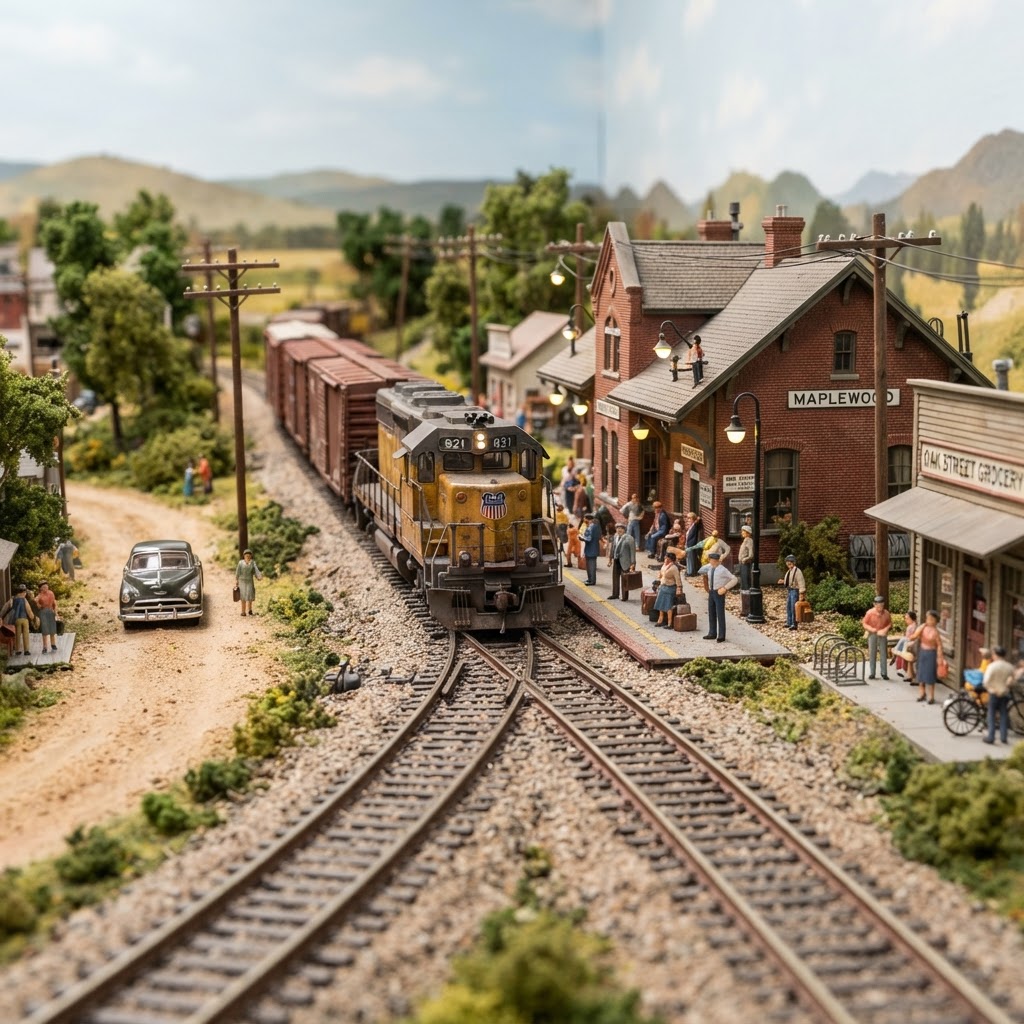
Whether you're just starting out or you've been building layouts for decades, finding the best model train figurines can make an enormous difference in how your railroad comes to life. These small but mighty details — the passengers waiting on a platform, the workers loading freight, the children waving from a fence — are what transform a collection of tracks and locomotives into a believable, breathing world. Figurines are the soul of any great layout, and choosing the right ones deserves just as much attention as picking the right locomotives or scenery elements.
The market for model train figurines has grown significantly in recent years, with manufacturers pushing the boundaries of detail, scale accuracy, and realism. From hand-painted metal figures to injection-molded plastic sets, hobbyists today have more options than ever before. But with that abundance of choice comes the challenge of knowing what to look for, which brands deliver consistent quality, and how to integrate figurines seamlessly into your existing layout. That's exactly what this guide is here to help you with.
In this article, we'll walk you through everything you need to know about selecting the best model train figurines for your layout — covering scale compatibility, top brands, painting and customization tips, placement strategies, and much more. Whether you're building a bustling 1950s city scene or a quiet rural depot, there's a figurine set out there that will bring your vision to life.
Why Model Train Figurines Matter More Than You Think
It's easy to focus all your budget and energy on locomotives, rolling stock, and switching infrastructure, but experienced modelers will tell you that figurines are often what separates a good layout from a truly great one. The human (and animal) element gives viewers a sense of scale, story, and time period. Without figures, even the most elaborately detailed layout can feel strangely empty.
Think about how a photographer uses people in landscape shots to convey scale. The same principle applies here. A single figure standing beside a boxcar immediately tells your eye how big that car is. A crowd of passengers on a station platform suggests activity, purpose, and narrative. Figurines don't just decorate your layout — they explain it.
The Psychology of Realism in Model Railroading
Model railroaders spend countless hours perfecting track geometry, weathering locomotives, and adding realistic foliage — all in service of creating the illusion of reality. Figurines are the final layer of that illusion. When placed thoughtfully, they anchor your layout in a specific time and place, giving it the kind of authenticity that makes visitors lean in for a closer look.
If you're new to the hobby and still building your foundational knowledge, the Ultimate Beginner Guide to Model Railroading is an excellent place to start before diving into the finer details of scenic elements like figurines.
Understanding Scale Compatibility
Before purchasing any figurines, the single most important factor to understand is scale compatibility. A figure that's perfectly sized for an HO layout will look like a giant on an N scale setup, completely destroying the illusion of realism you've worked so hard to create.
Common Model Railroad Scales and Figurine Sizes
Here's a quick reference for the most popular scales:
- G Scale (1:22.5) — Figures typically 75–90mm tall. Used for garden railways and large indoor layouts.
- O Scale (1:48) — Figures approximately 38–42mm tall. Popular for detailed, classic layouts.
- HO Scale (1:87) — Figures around 18–20mm tall. The most widely used scale worldwide.
- N Scale (1:160) — Figures roughly 9–11mm tall. Requires careful handling and excellent eyesight!
- Z Scale (1:220) — Figures under 8mm. Extremely fine detail work needed.
Always double-check the scale listed on figurine packaging against your layout's scale. Many beginners shopping for their first sets will find plenty of guidance in our Best Starter Model Train Sets for Adults guide, which also covers scale selection basics.
Top Brands for Model Train Figurines
The figurine market is dominated by a handful of well-respected manufacturers, each with their own strengths and style. Here's an overview of the best brands to consider.
Preiser
If there's one name synonymous with the best model train figurines, it's Preiser. This German manufacturer has been producing highly detailed, hand-painted figures since 1950. Their HO and N scale offerings are particularly renowned for their lifelike poses, accurate period clothing, and exceptional paint quality. Preiser figures come in an enormous range of themes — from railway workers and passengers to farmers, construction crews, and even circus performers.
Preiser's unpainted figures are also popular among hobbyists who enjoy custom painting, offering a blank canvas for creative expression.
Noch
Another German powerhouse, Noch produces figurines across multiple scales with a focus on natural, realistic poses. Noch is well known for their scenic sets, which often combine figures with trees, grass tufts, and other elements to create ready-to-place vignettes. Their laser-cut human figures in N and Z scales are particularly impressive given the size constraints.
Woodland Scenics
For North American modelers, Woodland Scenics is a household name. Their "SceneScapes" figurine line offers affordable, well-detailed plastic figures in HO and N scales, covering a wide range of everyday American scenes. While they may not match the ultra-fine detail of Preiser, they offer excellent value and are widely available.
Woodland Scenics also produces an extensive range of scenic materials, making it easy to build cohesive scenes using products from the same manufacturer.
Bachmann
Bachmann offers budget-friendly figurine sets that are ideal for beginners or modelers who need to populate large layouts quickly without breaking the bank. Quality varies across their range, but their themed packs — station passengers, farm workers, construction teams — provide good coverage at an accessible price point.
Faller and Vollmer
Both Faller and Vollmer are German manufacturers that produce high-quality figures, primarily for HO scale European-themed layouts. If your layout depicts a European setting — German countryside, Swiss alpine villages, or Austrian mountain railways — these brands are worth exploring.
How to Choose the Right Figurines for Your Layout
Knowing the brands is one thing, but choosing the right figurines for your specific layout requires a bit more thought.
Match the Era and Geography
Figurines should reflect the time period and geographic setting of your layout. A 1940s American steam-era layout calls for period-appropriate clothing and activities — fedoras, overalls, steam-era work gear. A modern European high-speed rail scene demands contemporary figures in modern dress. Mixing eras carelessly is one of the most common mistakes modelers make and one of the easiest to avoid.
If you're still deciding on the type of locomotives to feature on your layout, our guide on Diesel vs Steam Locomotives might help you define your layout's era and aesthetic before you start purchasing figurines.
Think in Scenes, Not Just Individual Figures
Rather than scattering figures randomly around your layout, think in terms of narrative scenes. A group of workers unloading a freight car, a family saying goodbye at a station platform, a farmer watching the train pass from his field — these small stories make your layout feel inhabited and purposeful.
Plan your scenes before buying. Sketch out where figures will go and what activity they'll be engaged in. This prevents you from ending up with duplicate poses or mismatched sets.
Consider Lighting and Visibility
Highly detailed figurines in areas of your layout that are poorly lit or hard to see are essentially wasted money. Reserve your premium hand-painted figures for focal points — the station platform, the town square, the loading dock. Use more economical figures in background areas where fine detail won't be noticed.
Speaking of lighting, integrating LED lighting into your layout can dramatically improve how your figurines look. This pairs well with other realism-enhancing features like those covered in our Best Smoke Units for Model Trains guide.
Painting and Customizing Your Figurines
For many hobbyists, painting figurines is a hobby within the hobby. Unpainted metal or plastic figures allow you to exercise full creative control over your miniatures, creating truly unique pieces.
Basic Painting Tips
- Prime first: Always apply a thin coat of grey or white primer before painting. This helps paint adhere and reveals surface details.
- Use thin coats: Multiple thin coats of paint produce a far better result than one thick coat. Thin your acrylic paints slightly with water.
- Paint dark to light: Start with darker base colors and layer lighter shades on top for a natural look.
- Wash techniques: Apply a diluted dark wash (brown or black) over the entire figure, then wipe back the high points. This technique quickly creates depth and shadow.
- Seal your work: Finish with a matte varnish to protect your paintwork from handling and dust.
Tools and Supplies
Fine-tipped brushes (sizes 0, 00, and 000), a good magnifying glass or head-mounted loupe, and a steady hand are your most important tools. Check out our recommended products page for vetted painting supplies and tools suited to model railroad figurine work.
Placement Strategies for Maximum Impact
Even the finest figurines will underwhelm if placed poorly. Here are some key placement principles:
Create Natural Groupings
People in real life move in groups and clusters, not perfectly spaced lines. Arrange your figures in natural-looking groupings — a small crowd here, a lone worker there, a couple walking together. Avoid symmetrical or regimented arrangements that look artificial.
Use Groundwork to Anchor Figures
Figures that are simply glued to a flat surface often look like they're floating. Use textured groundwork — gravel, grass, cobblestone — around the base of each figure to visually anchor them to the scene. Woodland Scenics fine turf and static grass work beautifully for this purpose.
Vary Heights and Depths
Place some figures closer to the front of a scene and others further back to create a sense of depth. Use elevated terrain, steps, and platform edges to introduce vertical variation.
Caring for Your Figurines
Model train figurines can be delicate, particularly in smaller scales. Proper care ensures they remain looking their best for years.
- Dust regularly using a soft brush or compressed air. Dust buildup dulls painted surfaces quickly.
- Handle carefully — particularly N and Z scale figures, which can lose limbs or accessories with rough handling.
- Store properly when not in use. Small ziplock bags or compartmentalized storage boxes protect figures during transport or layout rearrangement.
Keeping your entire layout in top condition — including figurines — goes hand in hand with regular maintenance. Our guide to the Top 7 Best Model Train Cleaning Products covers everything you need to keep your layout looking pristine.
Frequently Asked Questions
What scale figurines should I buy for an HO layout?
For HO scale layouts (1:87), you need figurines that are approximately 18–20mm tall. Most major manufacturers including Preiser, Woodland Scenics, and Noch clearly label their products by scale, so always verify before purchasing.
Are painted or unpainted figurines better?
It depends on your preferences and skills. Pre-painted figurines save time and are ideal for beginners, while unpainted figures give experienced modelers full creative control. Brands like Preiser offer both options across their range.
How many figurines do I need for my layout?
There's no universal answer, but a good rule of thumb is to think in scenes rather than total numbers. A single well-staged scene with 6–10 figures will have more visual impact than 50 figures scattered randomly. Start small, build scenes deliberately, and add more as your layout develops.
Can I use figurines from different manufacturers together?
Yes, as long as they are the same scale. Minor variations in height and proportions between manufacturers are usually unnoticeable once figures are placed in a scene. Mixing brands is a common and perfectly acceptable practice.
How do I permanently fix figurines to my layout?
Small drops of PVA (white) glue or cyanoacrylate (super glue) work well for permanently fixing figures. For figures you may want to reposition later, a small blob of museum-quality putty adhesive (like Blu-Tack) allows easy removal without damage.
Conclusion
Finding the best model train figurines for your layout is a deeply rewarding part of the hobby. The right figures, placed thoughtfully and chosen with care for scale, era, and scene, have the power to transform even a modest layout into something truly special. From the premium craftsmanship of Preiser to the accessible value of Woodland Scenics, there's a figurine brand and style to suit every modeler, every budget, and every layout theme.
Take your time building scenes rather than simply filling space, invest in quality where it matters most, and don't be afraid to try your hand at custom painting — it's one of the most satisfying skills you can develop as a modeler.
Ready to keep building your knowledge and your layout? Explore more of our in-depth guides here at Model Train Insider, from wiring your layout step by step to choosing the best DCC systems for your railroad. There's always something new to learn, and the best layouts are never truly finished.
Affiliate Disclosure: Some links in this article are affiliate links. We may earn a commission at no extra cost to you.
Enjoying this guide?
Browse our favorite recommended products.
James Mitchell
Model Train Enthusiast & Writer
James has been building layouts and collecting trains for over 15 years. He started Model Train Insider to help newcomers navigate the hobby with practical, no-nonsense advice drawn from hands-on experience.
Stay on Track
Get beginner guides, brand reviews, and layout tips delivered to your inbox. No spam—just trains.
Free forever. Unsubscribe anytime.
Related Articles
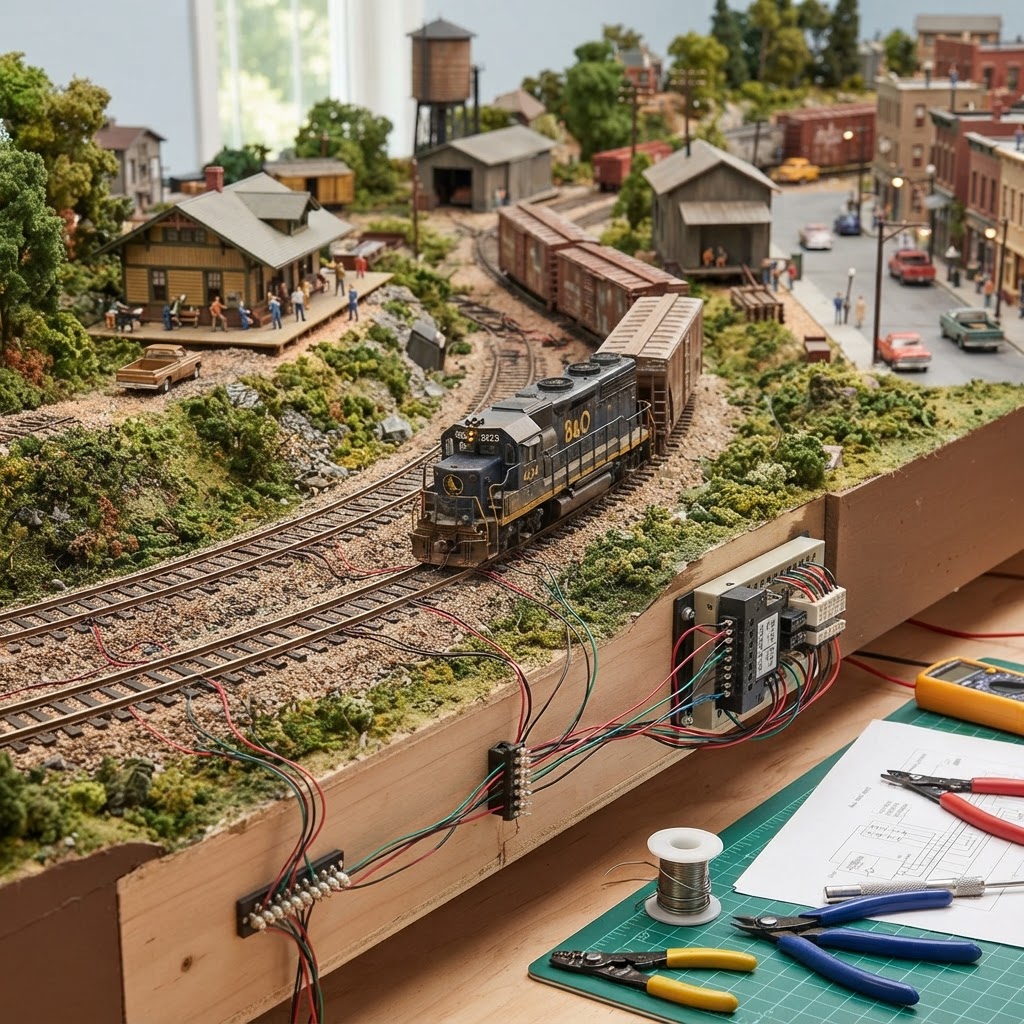
How to Wire Model Train Layouts: A Complete Step-by-Step Guide
Master the fundamentals of model railroad electronics. Learn how to wire model train layouts safely and efficiently with our comprehensive step-by-step guide.
Read more
10 Best DCC Systems for Model Railroads: A Comprehensive Buyer Guide
Looking for the best DCC systems for model railroads? Discover our top 10 expert-rated recommendations to enhance your control and layout performance today.
Read more
HO Scale vs N Scale: Which Is Better for Your Model Railroad Layout?
Struggling to choose between HO and N scale? Explore the pros, cons, and space requirements of each to find the perfect fit for your model railroad layout.
Read more