DCC Systems Comparison 2024: The Ultimate Guide To Choosing The Best Digital Control
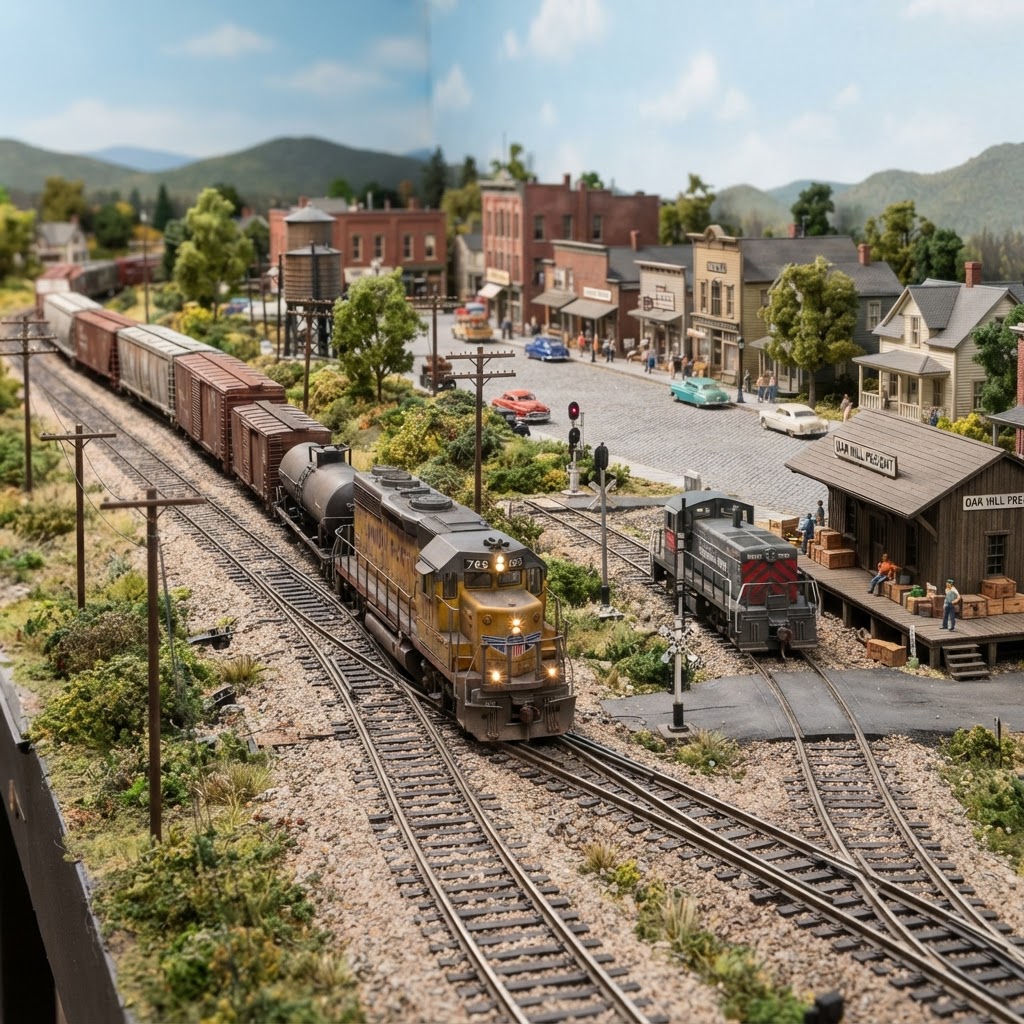
If you've been searching for a thorough dcc system comparison 2024, you've landed in the right place. Digital Command Control (DCC) has fundamentally transformed the way hobbyists operate their model railroads, replacing the old analog block wiring systems with a sophisticated digital framework that allows independent control of multiple locomotives on the same track. Whether you're a seasoned layout builder or just making the leap from DC to DCC, choosing the right system can feel overwhelming given the sheer number of options on the market today.
The good news is that the DCC market has matured significantly, and manufacturers have responded to hobbyist feedback with systems that are more intuitive, feature-rich, and affordable than ever before. From entry-level starter sets to professional-grade command stations with Wi-Fi throttles and full sound integration, there's genuinely something for every type of modeler. But with that variety comes the challenge of matching the right system to your specific needs, layout size, budget, and long-term goals.
In this guide, we'll walk you through the leading DCC systems available in 2024, break down their strengths and weaknesses, and give you the practical knowledge you need to make a confident purchase. We'll also touch on how DCC integrates with other layout elements, so you can build a fully realized, immersive railroad experience from the ground up.
What Is DCC and Why Does It Matter?
Before diving into the comparison, it's worth briefly explaining what DCC actually does. Digital Command Control sends a continuous digital signal through your track, allowing each decoder-equipped locomotive to receive individual commands — throttle, direction, lights, sound, and more — based on its unique address. This means you can run five locomotives on the same loop simultaneously, each at a different speed, without any complex wiring gymnastics.
DCC also opens the door to realistic sound, momentum simulation, braking rates, and even lighting effects that respond to throttle input. When paired with quality decoders and accessories like best smoke units for model trains, the result is a layout that feels genuinely alive.
For hobbyists still weighing the broader ecosystem of brands and products, our Model Train Product Reviews: The Ultimate Buyer's Guide to Quality Gear is an excellent starting point before committing to a DCC platform.
Key Factors to Consider Before Buying a DCC System
Layout Size and Amperage Requirements
One of the most practical considerations is how much power your layout demands. Small N or HO scale layouts with a handful of locomotives can operate comfortably on a 3–5 amp system. Larger layouts running multiple trains simultaneously — especially with sound decoders drawing additional current — may require 8 amps or more, often supplemented by power districts and booster stations.
Throttle Interface and Usability
Modern DCC systems range from simple handheld throttles with physical knobs to touchscreen interfaces and smartphone apps. Consider who will be operating your layout. Beginners benefit from tactile, intuitive controls, while tech-savvy hobbyists may prefer the flexibility of Wi-Fi throttles or integration with apps like JMRI (Java Model Railroad Interface).
Expandability and Future-Proofing
Your layout will grow. The DCC system you choose should grow with it. Look for systems that support multiple throttles, booster connections, programming tracks, and accessory decoders for controlling model train switches and other layout components.
Budget
Entry-level systems start around $100–$150, while premium setups can run $400–$600 or more for the base station alone. Keep in mind that the command station is just the beginning — throttles, boosters, decoders, and accessories all add to the total investment.
Top DCC Systems Compared for 2024
1. Digitrax Zephyr Extra (DCS52)
Best For: Beginners and intermediate hobbyists
Price Range: $130–$160
Amperage: 2.5A
The Digitrax Zephyr Extra remains one of the most popular entry-level DCC systems year after year, and for good reason. It includes a built-in throttle, a programming track output, and LocoNet connectivity — Digitrax's proprietary networking system that allows virtually unlimited expansion. You can add walk-around throttles, computer interfaces, and additional boosters without replacing your base unit.
The DCS52 supports up to 10 locomotive addresses simultaneously and handles basic DCC programming with a relatively straightforward interface. Its biggest limitation is amperage — 2.5A is tight for large HO layouts with sound-equipped locomotives. That said, adding a Digitrax DB200 booster (or similar) is a well-documented upgrade path.
Pros: Affordable, expandable via LocoNet, great community support
Cons: Low amperage for larger layouts, interface can feel dated
2. NCE Power Cab
Best For: Budget-conscious beginners who want quality
Price Range: $120–$145
Amperage: 1.65A
The NCE Power Cab is frequently recommended as the most user-friendly entry-level DCC system available. Its handheld throttle doubles as the command station, keeping the setup compact and simple. The menu structure is logical, programming is intuitive, and NCE's customer support is widely praised across the hobby community.
While the 1.65A power output is modest, the Power Cab is designed to upgrade seamlessly into NCE's full Power Pro system by simply adding a cab bus panel and a larger booster. This makes it an excellent "grow into it" choice for modelers who want to start small without locking themselves into a dead-end platform.
Pros: Extremely user-friendly, excellent upgrade path, great support
Cons: Very low amperage as a standalone unit
3. NCE Power Pro (5A and 10A)
Best For: Intermediate to advanced hobbyists with medium-to-large layouts
Price Range: $300–$450
Amperage: 5A or 10A
For modelers who've outgrown starter systems, the NCE Power Pro is a perennial favorite. Available in 5A and 10A configurations, it handles complex multi-train operations with ease. The cab bus system supports up to 63 cabs simultaneously, making it ideal for club layouts and operators who run multiple throttles.
JMRI integration is smooth, and NCE's decoder programming is reliable and well-documented. If you're building a serious layout and want a system that won't require replacement as your ambitions grow, the Power Pro deserves a top spot on your shortlist.
Pros: High amperage, robust multi-operator support, excellent JMRI compatibility
Cons: Higher price point, slightly steeper learning curve
4. Digitrax Super Empire Builder (SEB)
Best For: Modelers who want a complete, expandable starter package
Price Range: $200–$250
Amperage: 5A
The Digitrax Super Empire Builder steps up from the Zephyr with a 5A command station (DCS210) and includes the UT4 utility throttle for walk-around operation. LocoNet compatibility means you're buying into the same ecosystem used by Digitrax's top-tier systems, so expansion is essentially limitless.
Digitrax's reputation for robust hardware is well-earned, and the SEB is a solid mid-range option for HO and O scale modelers who want room to grow without paying premium prices upfront. Sound decoder support is excellent, and the system pairs naturally with accessories and layout automation tools.
Pros: 5A amperage, full LocoNet expandability, solid throttle included
Cons: Interface not as intuitive as NCE for beginners
5. Hornby Elite / ESU ECoS 2
Best For: Advanced hobbyists and European prototype modelers
Price Range: $350–$600+
Amperage: 4A–8A
For modelers who want a more premium experience — particularly those modeling European prototypes or running brands like those discussed in our Lionel vs MTH comparison guide — the ESU ECoS 2 is a standout choice. Its large touchscreen interface is genuinely impressive, allowing locomotive management, function mapping, and layout control with an almost tablet-like experience.
The ESU ECoS 2 supports RailCom, which enables bidirectional communication between decoder and command station — meaning the system can read back CV values and even report locomotive position. It's one of the most technologically advanced systems at this price point and is compatible with virtually all DCC decoders on the market.
Pros: Touchscreen interface, RailCom support, premium build quality
Cons: Expensive, overkill for small layouts, learning curve for beginners
DCC and Your Broader Layout Ecosystem
A DCC system doesn't operate in isolation. To get the most from your investment, you'll want to think about how it integrates with your overall layout. Accessory decoders can automate turnout control, ensuring your model train switches respond to DCC commands without manual intervention. Sound-equipped locomotives become dramatically more immersive when paired with quality decoders and smoke units.
Don't overlook the importance of clean track, either — DCC signals are only as reliable as your electrical connections. Regular maintenance with the right model train cleaning products will prevent phantom stalls and signal dropouts that can frustrate even the most carefully configured system.
For a complete overview of layout accessories that complement your DCC setup, check out our guide to the Top 10 Essential Model Train Accessories for Your Layout. And if you're still finalizing your rolling stock choices, our picks for best freight cars for model trains will help you populate your layout with decoder-ready equipment.
You can also browse our recommended products page for curated gear that pairs well with the DCC systems covered in this guide.
Quick Comparison Table
| System | Amperage | Best For | Price Range | |---|---|---|---| | Digitrax Zephyr Extra | 2.5A | Beginners | $130–$160 | | NCE Power Cab | 1.65A | Budget beginners | $120–$145 | | NCE Power Pro | 5A / 10A | Intermediate–Advanced | $300–$450 | | Digitrax Super Empire Builder | 5A | Mid-range expandability | $200–$250 | | ESU ECoS 2 | 4A–8A | Advanced / European | $350–$600+ |
Frequently Asked Questions
Do I need DCC, or is DC operation still viable in 2024?
DC operation is absolutely still viable, especially for beginners or those running simple point-to-point layouts with one or two trains. However, DCC offers significantly more operational flexibility, sound capability, and long-term expandability. For most serious hobbyists, DCC is the preferred choice and the direction the industry continues to move.
Can I run DCC locomotives on a DC layout?
Most modern DCC-equipped locomotives can run on DC layouts in a basic mode, though sound and advanced features won't function. If you're planning to invest in DCC decoders and sound-equipped locomotives, it's worth making the full switch to a DCC system to get the most out of your investment.
What's the difference between a command station and a booster?
A command station generates the DCC signal and interprets throttle commands. A booster amplifies that signal to supply additional current to the track, extending the system's capacity to power more locomotives across larger layout sections. Most starter systems include a command station with limited amperage; boosters are added as layouts grow.
Is Wi-Fi throttle control worth the investment?
For modelers who want flexibility during operating sessions — especially on large layouts — Wi-Fi throttles are genuinely transformative. Apps like Engine Driver (Android) and WiThrottle (iOS) allow smartphone control over your entire roster. Many modern DCC systems either include Wi-Fi capability or support it via an add-on module.
How do I choose between Digitrax and NCE?
Both brands are excellent, and the choice often comes down to personal preference and community. Digitrax has a broader LocoNet ecosystem and tends to appeal to modelers who enjoy deep technical customization. NCE is frequently praised for ease of use and outstanding customer support. Reading community forums, talking to your local hobby shop, and consulting guides like those in top model railway magazines can help you gather real-world perspectives before committing.
Conclusion
Choosing the right DCC system is one of the most impactful decisions you'll make as a model railroad hobbyist. The systems covered in this guide represent the best the market has to offer in 2024, spanning a range of budgets, skill levels, and layout ambitions. Whether you start with the approachable NCE Power Cab or dive headfirst into the premium ESU ECoS 2, any of these platforms will serve you well as a foundation for years of rewarding operation.
The key is to match the system to where you are today while keeping an eye on where you want to be tomorrow. Start with a system that has a clear upgrade path, invest in quality decoders, and don't neglect the fundamentals of track maintenance and layout wiring. The payoff — smooth, reliable, immersive operation — is absolutely worth it.
Ready to keep building your knowledge? Explore our full library of guides at Model Train Insider, including our Athearn vs Bachmann brand comparison and our tips on model train figurines to bring your scenes to life. The more you know, the better your layout becomes.
Affiliate Disclosure: Some links in this article are affiliate links. We may earn a commission at no extra cost to you.
Enjoying this guide?
Browse our favorite recommended products.
James Mitchell
Model Train Enthusiast & Writer
James has been building layouts and collecting trains for over 15 years. He started Model Train Insider to help newcomers navigate the hobby with practical, no-nonsense advice drawn from hands-on experience.
Stay on Track
Get beginner guides, brand reviews, and layout tips delivered to your inbox. No spam—just trains.
Free forever. Unsubscribe anytime.
Related Articles
Top N Scale Locomotives: The Best Engines For Your Layout
Discover the top N scale locomotives for your layout. We review high-performance engines to help you choose the best models for your model railroad collection.
Read more
Best DCC Controllers For Beginners: Top Picks To Master Your Model Railroad
New to digital train control? Discover the best DCC controllers for beginners in 2024 to simplify your layout and enhance your model railroading experience.
Read more
7 Top Model Railway Magazines to Elevate Your Hobbyist Skills
Discover the top model railway magazines that provide expert layout tips, product reviews, and historical inspiration to help you master your train hobby.
Read more