Best Power Supplies for Model Trains: Top 2024 Reviews and Buying Guide
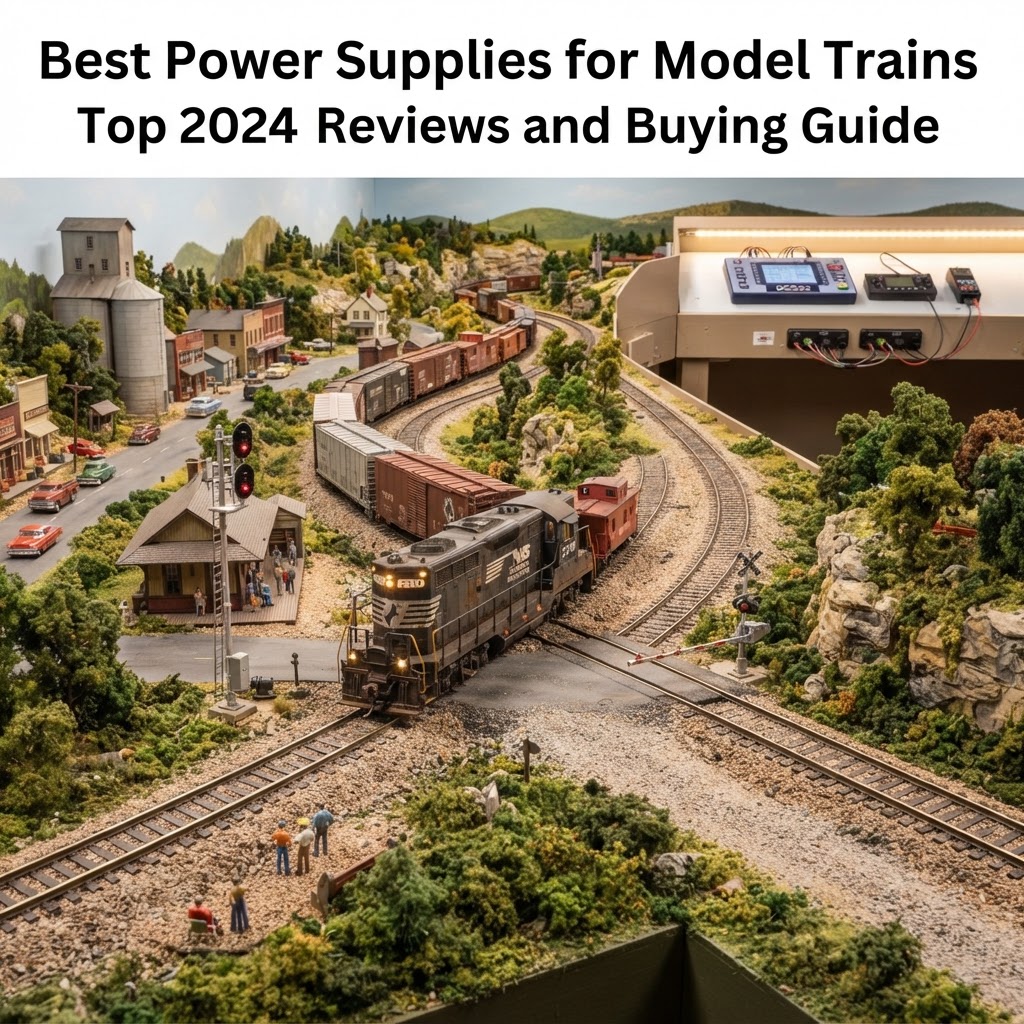
Choosing the best power supplies for model trains can feel overwhelming, especially with so many options on the market spanning different scales, technologies, and price points. Whether you're just getting started with your first layout or you're a seasoned hobbyist expanding a complex multi-train setup, the power supply you choose will directly impact the performance, reliability, and safety of your entire railroad. Get it right, and your locomotives run smoothly and consistently. Get it wrong, and you risk damaging expensive equipment or dealing with frustrating electrical gremlins that are hard to diagnose.
Power supplies are one of those foundational decisions that often get overlooked in favor of the more exciting elements of the hobby — the locomotives, rolling stock, and scenery. But seasoned modelers know that a quality power supply is the backbone of any successful layout. If you're new to the hobby and still figuring out the basics, check out The Ultimate Beginner Guide to Model Railroading: Start Your Journey Today before diving into the technical details here. For everyone else, this guide breaks down the top power supply choices available today, explains the key differences between DC and DCC power, and helps you match the right unit to your specific needs and budget.
In this article, we'll review the best options across several categories — from budget-friendly beginner units to professional-grade power supplies for advanced layouts. We'll also cover the essential specs you need to understand before making a purchase, and answer the most common questions hobbyists have about powering their model railroads.
Understanding Power Supply Basics for Model Trains
Before jumping into product recommendations, it's worth taking a moment to understand what you're actually shopping for. Model train power supplies come in two fundamental types: DC (Direct Current) power packs and DCC (Digital Command Control) command stations with boosters. These are very different systems with different capabilities.
DC vs. DCC Power: What's the Difference?
With a traditional DC system, the power pack controls the speed and direction of trains by varying the voltage and polarity sent to the track. It's simple, affordable, and perfectly adequate for smaller layouts with one or two trains. DCC, on the other hand, sends a constant AC-like signal to the track and uses digital decoders installed in each locomotive to interpret commands. This allows you to independently control multiple trains on the same track and unlock features like sound, lighting effects, and momentum simulation.
If you're trying to decide which system is right for you, we've written a detailed breakdown in our guide to DCC vs DC: The Ultimate Guide to Choosing the Best Model Train Power System. For those already committed to DCC, our 10 Best DCC Systems for Model Railroads: A Comprehensive Buyer Guide is also essential reading.
Key Specs to Look For
When shopping for a power supply, keep these specs in mind:
- Amperage (Amps): This determines how many locomotives and accessories you can run simultaneously. Small layouts with one or two trains can get by with 1–2 amps. Larger layouts benefit from 3–5 amps or more.
- Voltage: Most HO and N scale systems operate between 12–18 volts. Larger scales like G or O may require higher voltage.
- Regulated vs. Unregulated Output: Regulated supplies maintain consistent voltage regardless of load, which is better for DCC decoders and sensitive electronics.
- Short Circuit Protection: A must-have feature that protects your locomotives and wiring from damage.
- Compatibility: Make sure the unit is compatible with your scale and system type.
For more guidance on how your power supply fits into the overall electrical system of your layout, see our How to Wire Model Train Layouts: A Complete Step-by-Step Guide.
Best Power Supplies for Beginners
If you're just starting out, you don't need to spend a fortune. A reliable, entry-level power supply will serve you well while you learn the hobby and develop your layout plans.
MRC Tech 6 Power Pack (Model 1370)
The MRC Tech 6 is one of the most popular beginner DC power packs on the market, and for good reason. It delivers up to 1.5 amps at 18 volts, which is more than enough for a simple HO or N scale layout. The momentum and brake controls give you smooth, realistic train operation, and the built-in accessory output is handy for powering turnouts and lights. It's affordable, durable, and widely available — a solid first power supply for anyone just getting into the hobby.
Bachmann Train Controller
Bachmann starter sets typically include their own basic power pack, which works fine for testing purposes. However, if you're buying separately, Bachmann's standalone train controllers offer a step up in control quality. They're simple to use and pair well with the Best Starter Model Train Sets for Adults: A Comprehensive Guide to Your New Hobby. They won't win awards for sophistication, but they're a reliable stepping stone.
Best Mid-Range Power Supplies
Once your layout starts to grow, you'll want more power and more control. These mid-range options offer excellent performance without breaking the bank.
MRC Prodigy Express² DCC System
The MRC Prodigy Express² is an excellent entry point into DCC that includes both a command station and a built-in booster providing 2.5 amps. It supports up to 99 locomotive addresses and handles most common DCC functions including speed steps, functions, and programming. For hobbyists ready to make the leap from DC to digital, this is one of the most user-friendly systems available. If you're considering that transition, our guide on The Best Way to Upgrade to DCC: A Beginner's Step-by-Step Guide walks you through every step.
Digitrax Zephyr Xtra (DCS52)
The Digitrax Zephyr Xtra is a compact but capable DCC starter system that delivers 2.5 amps and includes LocoNet connectivity, allowing you to expand your system with additional throttles, boosters, and accessories as your layout grows. It's a favorite among HO and N scale modelers who want a scalable system without investing in a full-blown command station right away. The throttle interface is intuitive, and the unit is built to last.
Best High-End Power Supplies for Advanced Layouts
Serious modelers with large, complex layouts need serious power. These premium options deliver the amperage, features, and reliability required for multi-train operations and demanding accessory loads.
Digitrax DCS210 Command Station with DB210 Booster
For large HO or N scale layouts requiring maximum performance, the Digitrax DCS210 paired with a DB210 booster is a formidable combination. The DB210 delivers up to 8 amps and includes auto-reversing capabilities, making complex track configurations much easier to manage. The DCS210 supports advanced features including transponding, extensive programming options, and full LocoNet expandability. It's a professional-grade setup that will grow with even the most ambitious layout.
NCE Power Pro System
NCE has built a sterling reputation in the DCC world, and the Power Pro system is their flagship offering. With a 5-amp command station and the ability to expand up to 10 amps with a booster, it handles large layouts with ease. NCE is particularly praised for its intuitive throttle design and excellent customer support. It supports up to 9,999 locomotive addresses, making it more than capable of handling any conceivable future expansion. Check our Best DCC Controller for Budget: Top Picks for Every Model Railroader if you want to compare controller options alongside your booster choices.
Lenz Set 100 DCC System
Lenz is a German-engineered DCC system known for its precision and reliability. The Set 100 offers 5 amps of output with exceptional voltage regulation, which is critical for protecting sensitive decoder electronics. It's slightly more complex to configure than NCE or Digitrax, but experienced modelers appreciate the fine-grained control it offers. If you model European prototypes or simply want a premium system built to exacting standards, Lenz is worth the investment.
Best Power Supplies for Large Scale Trains
G scale and other large scale trains operate at higher voltages and require more current than smaller scales. Standard HO power supplies simply won't cut it.
Aristo-Craft Train Engineer
Designed specifically for large scale garden railroads, the Aristo-Craft Train Engineer provides the voltage range and current capacity needed to power big locomotives over lengthy outdoor track runs. It handles voltage drops across long wire runs better than most consumer-grade supplies, which is essential for garden railroads that may span dozens of feet.
Bridgewerks Magnum 100
The Bridgewerks Magnum 100 is a heavy-duty variable DC power supply favored by serious large scale modelers. It delivers up to 10 amps and handles voltage regulation exceptionally well even under heavy load. It's not cheap, but for a large-scale layout where reliability is non-negotiable, it's one of the best investments you can make. For more large scale DCC options, see our guide to Best DCC Systems for Large Scale Trains: A Comprehensive Guide.
Tips for Getting the Most from Your Power Supply
Choosing the right power supply is only part of the equation. Here are a few practical tips to maximize performance and protect your investment:
- Use bus wiring: For larger layouts, run heavy gauge bus wires along the length of your layout and connect feeder wires to the track every few feet. This reduces voltage drop and ensures consistent performance across all sections of track.
- Add circuit breakers or auto-reversers: Products like the PSX circuit breakers from DCC Specialties can protect individual layout blocks from short circuits without shutting down the entire layout.
- Keep connections clean: Dirty or corroded rail joiners and wire connections are a leading cause of poor performance. Clean your track regularly and use quality connectors.
- Don't overload your supply: Running too many locomotives and accessories on an underpowered supply causes voltage sag and erratic behavior. Calculate your total current draw and choose a supply with at least 20–25% headroom above your expected load.
- Consider a separate accessory bus: Powering turnout motors, lighting, and other accessories from a separate supply keeps your traction bus clean and reduces interference.
Browse our recommended products for a curated list of power supplies, boosters, and accessories we trust for model railroad layouts.
Frequently Asked Questions
What power supply do I need for HO scale model trains?
For a simple HO scale layout with one or two locomotives, a 1.5–2 amp DC power pack or entry-level DCC system is sufficient. For larger layouts with multiple trains and accessories, look for a DCC system providing at least 3–5 amps. Popular choices include the MRC Prodigy Express² and the Digitrax Zephyr Xtra for starters, or the NCE Power Pro for larger setups.
Can I use a generic DC power supply for model trains?
While it's technically possible to use a generic regulated DC power supply, it's generally not recommended for beginners. Model train-specific power supplies include safety features like short circuit protection, voltage regulation optimized for train motors, and accessory outputs that generic supplies don't offer. If you do use a generic supply for DCC booster applications, make sure it's a quality regulated unit with adequate current rating.
How many amps do I need to run multiple trains?
A rough rule of thumb is to budget about 0.5–1 amp per HO scale locomotive under load, plus additional current for sound decoders, lighting, and accessories. For three to four trains running simultaneously with accessories, a 3–5 amp supply is typically adequate. Larger layouts with more trains should consider 8–10 amp setups with separate power districts.
What's the difference between a command station and a booster?
A command station generates the DCC signal and typically includes a built-in booster to power the track. A separate booster amplifies power without generating its own signal — it takes the signal from the command station and boosts current output for a specific track district. Using boosters allows you to divide large layouts into power districts, preventing a short in one area from shutting down the entire railroad.
Is DCC worth it for a small layout?
DCC offers real advantages even on small layouts, including smoother slow-speed operation, sound capabilities, and easier multi-train control. However, for a simple oval with one train, a basic DC power pack is perfectly adequate and significantly cheaper. If you think your layout will grow or you want sound-equipped locomotives, starting with DCC from the beginning often saves money in the long run. See our comparison of HO vs N Scale Starter Kits: The Ultimate Guide for Beginners for scale-specific guidance.
Conclusion
Selecting the best power supplies for model trains doesn't have to be complicated once you understand the key factors: your scale, the size of your layout, your preference for DC or DCC operation, and your budget. Beginners will do well with proven entry-level units like the MRC Tech 6 or Digitrax Zephyr Xtra, while experienced modelers building large, complex layouts will appreciate the reliability and expandability of systems like the NCE Power Pro or Digitrax DCS210 with booster.
Whatever stage you're at in the hobby, investing in a quality power supply pays dividends in smooth operation, equipment longevity, and sheer enjoyment at the throttle. Take the time to calculate your power needs, read the specs carefully, and don't be afraid to invest a little more upfront for a supply that will grow with your layout.
Ready to keep building your knowledge? Explore more of our in-depth guides here at Model Train Insider — from wiring and DCC systems to locomotive reviews and layout planning. There's always more to discover in this incredible hobby.
Affiliate Disclosure: Some links in this article are affiliate links. We may earn a commission at no extra cost to you.
Enjoying this guide?
Browse our favorite recommended products.
James Mitchell
Model Train Enthusiast & Writer
James has been building layouts and collecting trains for over 15 years. He started Model Train Insider to help newcomers navigate the hobby with practical, no-nonsense advice drawn from hands-on experience.
Stay on Track
Get beginner guides, brand reviews, and layout tips delivered to your inbox. No spam—just trains.
Free forever. Unsubscribe anytime.
Related Articles
Best DCC Controller for Budget: Top Picks for Every Model Railroader
Looking for the best DCC controller for your budget? Discover our top picks to control your model trains without overspending. Upgrade your layout today.
Read more
The Best Tools for Model Trains: A Pro Guide for Every Railroader
Discover the essential equipment every model railroader needs. From precision cutters to weathering kits, master your hobby with our guide to the best tools.
Read more
5 Best DCC Systems for Home Model Railroads: Expert Reviews and Comparisons
Looking for the best DCC system for home layouts? We evaluate the top 5 digital command control systems to help you choose the perfect match for your train room.
Read more