Best Smoke Units for Model Trains: A Comprehensive Guide to Realistic Effects
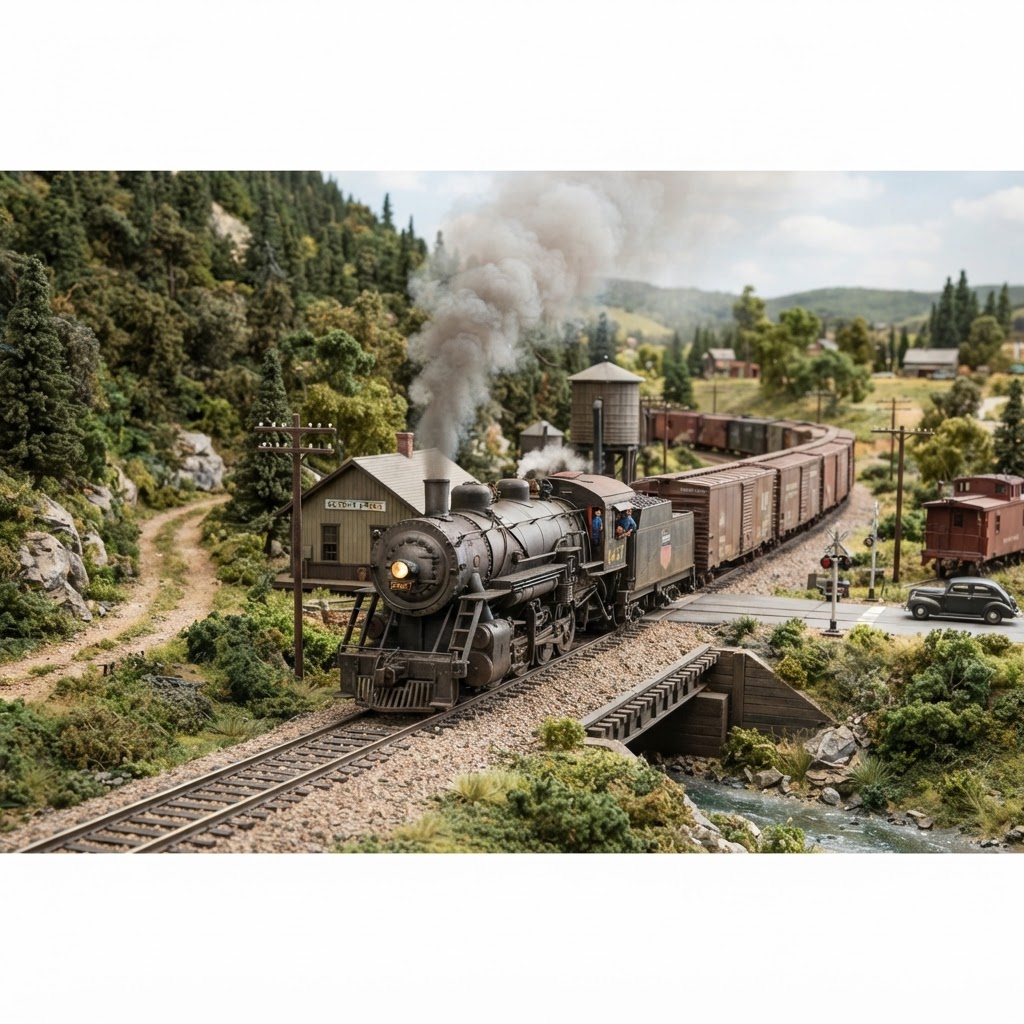
Adding realistic smoke effects to your locomotive is one of the most rewarding upgrades you can make to your model railroad layout. Whether you're recreating the billowing steam of a classic Pacific or the diesel haze of a modern freight hauler, finding the best smoke units for model trains can transform a static display into a living, breathing scene. For hobbyists who want that extra layer of realism, smoke units are a game-changer — and the market has never offered more options than it does today.
Choosing the right smoke unit, however, isn't as simple as picking the first product you find. Compatibility with your scale, locomotive type, DCC system, and layout environment all play a role in the decision. From fluid-based units to fan-driven systems, the technology behind model train smoke has evolved significantly over the past decade. This guide is designed to walk you through everything you need to know to make an informed purchase.
Whether you're a seasoned modeler looking to upgrade an existing fleet or someone just getting started (check out our Ultimate Beginner Guide to Model Railroading for the basics), this article covers the top smoke units on the market, what to look for when buying, and how to get the most out of your investment.
Why Smoke Units Matter for Model Railroading
Smoke units do more than just look impressive — they add a sense of motion and life to your layout that lighting and sound alone can't replicate. When a steam locomotive crests a hill with a plume of white smoke curling from its stack, the entire scene becomes more immersive. The same applies to diesel models, where subtle exhaust effects can make idling locomotives feel genuinely operational.
Beyond aesthetics, smoke units are increasingly integrated with DCC sound and control systems, meaning the smoke output can respond dynamically to throttle input. Throttle up, and the smoke intensifies. Slow down, and it tapers off. This level of synchronization elevates model railroading from a hobby to an art form.
Smoke Units and Scale Compatibility
Not every smoke unit fits every scale. The most common scales — HO, N, O, and G — have different internal space constraints, which directly affects which units will fit. If you're unsure which scale is right for you, our guide on HO vs N Scale Starter Kits is a great starting point.
- O and G Scale: These larger scales have the most room for robust smoke units, making them ideal for fan-driven systems with high output.
- HO Scale: The most popular scale offers a solid range of compatible units, though space remains a consideration.
- N Scale: The smallest common scale presents the greatest challenge, but compact units do exist.
Types of Smoke Units for Model Trains
Understanding the different types of smoke units will help you narrow down your choices before spending a dime.
Resistance-Based Smoke Units
The classic design, resistance-based units use a heating element to vaporize smoke fluid. They're simple, affordable, and widely available. However, they tend to run hotter, consume more fluid, and may produce inconsistent output over time. These are best suited for hobbyists on a budget or those running trains occasionally.
Fan-Driven Smoke Units
Fan-driven units use a small fan to push vaporized fluid through the stack, producing a more realistic and controllable puff of smoke. These units are preferred by serious modelers because the fan speed — and therefore smoke output — can often be controlled via DCC. Brands like Seuthe, Massoth, and Noch are well-regarded in this category.
Piezoelectric (Ultrasonic) Smoke Units
A newer technology, piezoelectric units use ultrasonic vibrations to create a fine mist from water or dedicated fluid. They run cooler, last longer, and produce a very realistic, dense smoke effect. They're increasingly popular in larger scales and are worth considering for layouts where longevity and realism are priorities.
Top Smoke Units for Model Trains
Here's a look at some of the most recommended smoke units across different scales and budgets. You can find several of these on our recommended products page.
1. Seuthe No. 11 Smoke Generator (HO Scale)
The Seuthe No. 11 is a staple in the HO scale world. It's compact, reliable, and easy to install. Running on 12–16V AC or DC, it fits neatly into most HO steam locomotives. Output is consistent, and replacement parts are easy to find. It's a resistance-based unit, so fluid consumption is moderate, but its track record over decades of use speaks for itself.
Best for: HO steam locomotive modelers seeking a proven, affordable option.
2. Massoth Smoke Generator (G Scale / Large Scale)
Massoth is a premium brand known for its integration with LGB and other large-scale systems. Their fan-driven smoke units offer DCC-controlled output, meaning smoke intensity can be programmed to match throttle position. If you're running large-scale trains and already use a DCC system, the Massoth unit is a natural fit. For more on large-scale DCC, see our guide on Best DCC Systems for Large Scale Trains.
Best for: G scale and large-scale modelers with DCC setups.
3. Noch 51000 Profi Smoke Generator
The Noch Profi unit is a fan-driven system compatible with a wide range of scales and applications. It's particularly popular for use in buildings, industrial scenes, and static displays — not just locomotives. The adjustable fan speed and fluid reservoir make it versatile and long-lasting.
Best for: Modelers who want smoke effects beyond just locomotives.
4. MTH Smoke Unit with Proto-Smoke Technology (O Scale)
MTH (Mike's Train House) has long been a leader in O scale smoke technology. Their Proto-Smoke system uses a fan-assisted design with a large fluid reservoir, producing impressive output that can be synchronized with DCC sound. It's one of the most realistic smoke experiences available in O scale.
Best for: O scale operators who want maximum realism and DCC integration.
5. ESU Smoke Unit (HO/O Scale)
ESU, known primarily for their LokSound decoders, also produces a high-quality smoke unit that integrates seamlessly with their DCC ecosystem. The ESU smoke unit can be programmed directly through ESU's LokProgrammer software, giving modelers granular control over output behavior. If you're already running ESU decoders, this is the obvious choice. Check out our 10 Best DCC Systems for Model Railroads guide for context on how DCC integration works.
Best for: ESU DCC users who want seamless integration and programmability.
What to Look for When Buying a Smoke Unit
Compatibility with Your Locomotive and Scale
Always verify that a smoke unit is rated for your scale and that it physically fits inside your locomotive shell. Manufacturer specs will list voltage requirements and dimensions — check these carefully before purchasing.
DCC vs. Analog Operation
If you're running a DCC layout, look for smoke units that can be controlled via function keys or CVs. This allows you to synchronize smoke with sound and speed. For analog layouts, simpler resistance-based units are more appropriate. If you're still weighing your DCC options, our Best DCC Controller for Budget guide can help you get started affordably.
Fluid Type and Consumption Rate
Most smoke units require dedicated smoke fluid — do not use household oils or substitutes, as these can damage the heating element. Fan-driven units generally consume less fluid than resistance-based units. Consider how often you're willing to refill and factor that into your decision.
Heat Output
Resistance-based units run hotter than fan-driven or piezoelectric models. In warmer climates or enclosed display cases, excess heat can warp plastic shells. If heat is a concern, opt for a fan-driven or ultrasonic unit.
Ease of Installation
Some smoke units are drop-in replacements for factory-installed units, while others require soldering and modification. Assess your comfort level with electrical work before buying. Our guide on How to Wire Model Train Layouts covers foundational wiring skills that apply here.
Tips for Getting the Most Out of Your Smoke Unit
Use Quality Smoke Fluid
This cannot be overstated. Low-quality or incorrect fluid will clog heating elements, reduce output, and shorten the lifespan of your unit. Stick to fluids recommended by the manufacturer or widely trusted hobby brands.
Keep the Unit Clean
Residue buildup from smoke fluid is one of the leading causes of smoke unit failure. Regular maintenance — including cleaning the wick or heating element — will significantly extend the life of your unit. For general locomotive maintenance tips, see our article on Top 7 Best Model Train Cleaning Products for Peak Performance.
Store Fluid Properly
Smoke fluid can degrade over time, especially if exposed to heat or sunlight. Store it in a cool, dark place and use it within the manufacturer's recommended timeframe.
Match Power Supply to Unit Specs
Running a smoke unit on incorrect voltage is a fast way to burn it out. Always confirm that your power supply matches the unit's requirements. Our Best Power Supplies for Model Trains guide can help you identify the right setup.
Ventilate Your Layout Room
Smoke fluid vapor, while generally non-toxic in small amounts, can accumulate in enclosed spaces. Good ventilation ensures a comfortable operating environment and prevents residue from settling on your layout scenery.
Steam vs. Diesel: Smoke Unit Considerations
The type of locomotive you're modeling affects how you approach smoke unit selection. Steam locomotives traditionally have a single stack and benefit from units with higher, more dramatic output. Diesel locomotives, by contrast, typically have smaller, subtler exhaust ports — requiring units with lower output and more precise control.
If you're still deciding between steam and diesel models, our Diesel vs Steam Locomotives guide covers the differences in detail and can help you choose the right prototype for your layout.
Frequently Asked Questions
What is the best smoke unit for HO scale trains?
The Seuthe No. 11 is widely considered one of the best options for HO scale due to its reliability, compact size, and affordable price. For modelers who want DCC integration, the ESU smoke unit is an excellent premium alternative.
Can I use any smoke fluid in my smoke unit?
No. Always use the fluid recommended by your smoke unit's manufacturer. Using incompatible fluids can clog the heating element, reduce performance, and void any warranty. Dedicated model train smoke fluids are widely available and inexpensive.
Do smoke units work with DCC systems?
Many modern smoke units are designed specifically for DCC operation and can be controlled via function keys. Units from ESU, Massoth, and MTH offer particularly strong DCC integration. For help setting up a DCC system, see our guide on 10 Best DCC Systems for Model Railroads.
How often do I need to refill smoke fluid?
This depends on your unit type and how frequently you operate your trains. Resistance-based units consume more fluid and may need refilling every few hours of operation. Fan-driven units are more economical and may last significantly longer between refills.
Are smoke units safe to use indoors?
Yes, when used properly and in a well-ventilated space. The fluids used in model train smoke units are generally non-toxic, but prolonged exposure to concentrated vapor in a small room is not ideal. Keep windows open or use a fan to circulate air during long operating sessions.
Conclusion
Finding the best smoke units for model trains comes down to matching the right technology to your scale, budget, and operating style. Whether you're running a classic HO steam locomotive with a Seuthe unit or a large-scale G gauge behemoth powered by a Massoth fan-driven system, the right smoke unit can make your layout feel genuinely alive. Take the time to understand your locomotive's requirements, invest in quality fluid, and maintain your unit regularly — and you'll enjoy years of realistic, atmospheric operation.
Ready to keep building your knowledge? Explore our other guides on topics ranging from Best Starter Model Train Sets for Adults to advanced DCC programming. There's always something new to discover at Model Train Insider.
Affiliate Disclosure: Some links in this article are affiliate links. We may earn a commission at no extra cost to you.
Enjoying this guide?
Browse our favorite recommended products.
James Mitchell
Model Train Enthusiast & Writer
James has been building layouts and collecting trains for over 15 years. He started Model Train Insider to help newcomers navigate the hobby with practical, no-nonsense advice drawn from hands-on experience.
Stay on Track
Get beginner guides, brand reviews, and layout tips delivered to your inbox. No spam—just trains.
Free forever. Unsubscribe anytime.
Related Articles
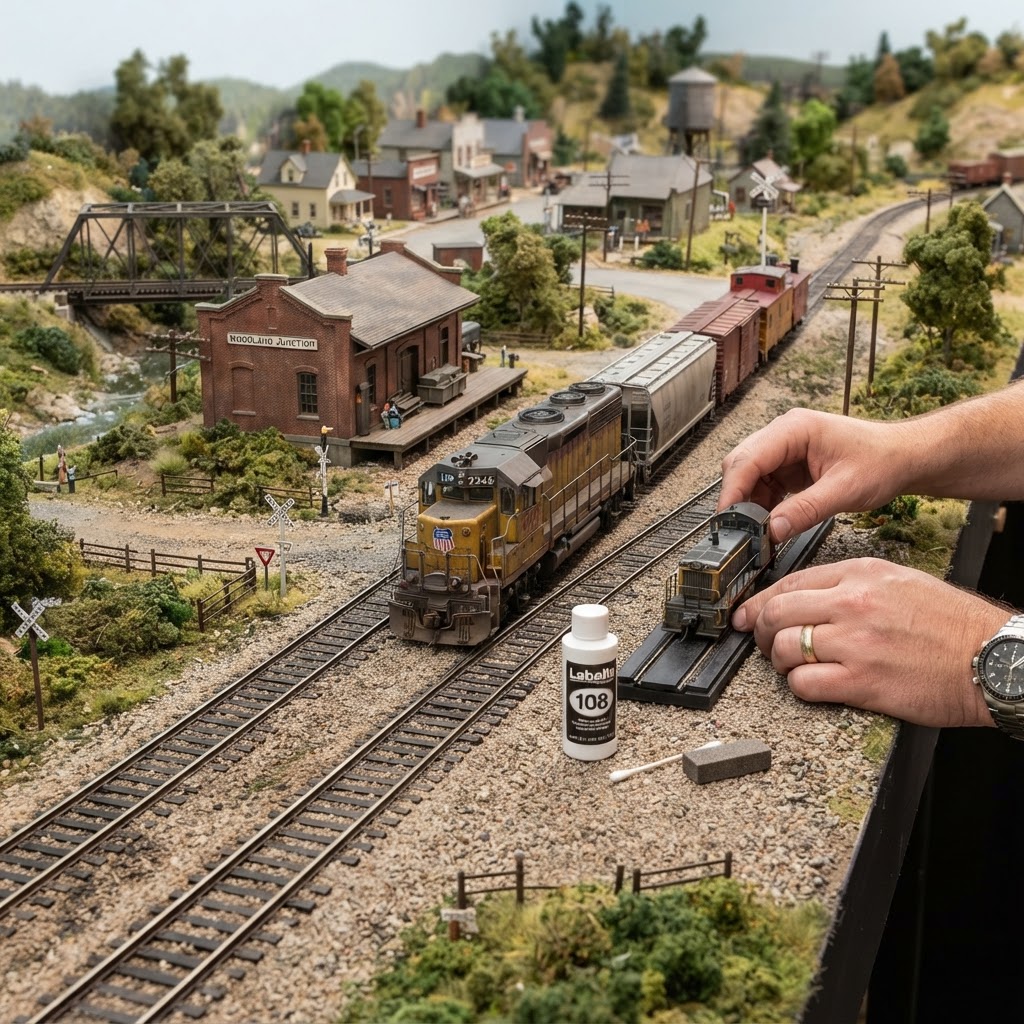
Top 7 Best Model Train Cleaning Products for Peak Performance
Discover the best model train cleaning products to keep your locomotives running smoothly and your tracks spotless. Expert tips for long-lasting maintenance.
Read more
Best DCC Systems for Large Scale Trains: A Comprehensive Guide
Discover the top-rated DCC systems for large scale layouts. Compare power, control, and reliability to find the perfect command station for your model railroad.
Read more
The Best DCC Decoders for Locomotive Upgrades: A Comprehensive Guide
Transform your model railroad fleet with our expert guide to the best DCC decoders for locomotive upgrades. Boost performance and sound quality today.
Read more