The Ultimate Beginner Guide to Model Railroading: Start Your Journey Today
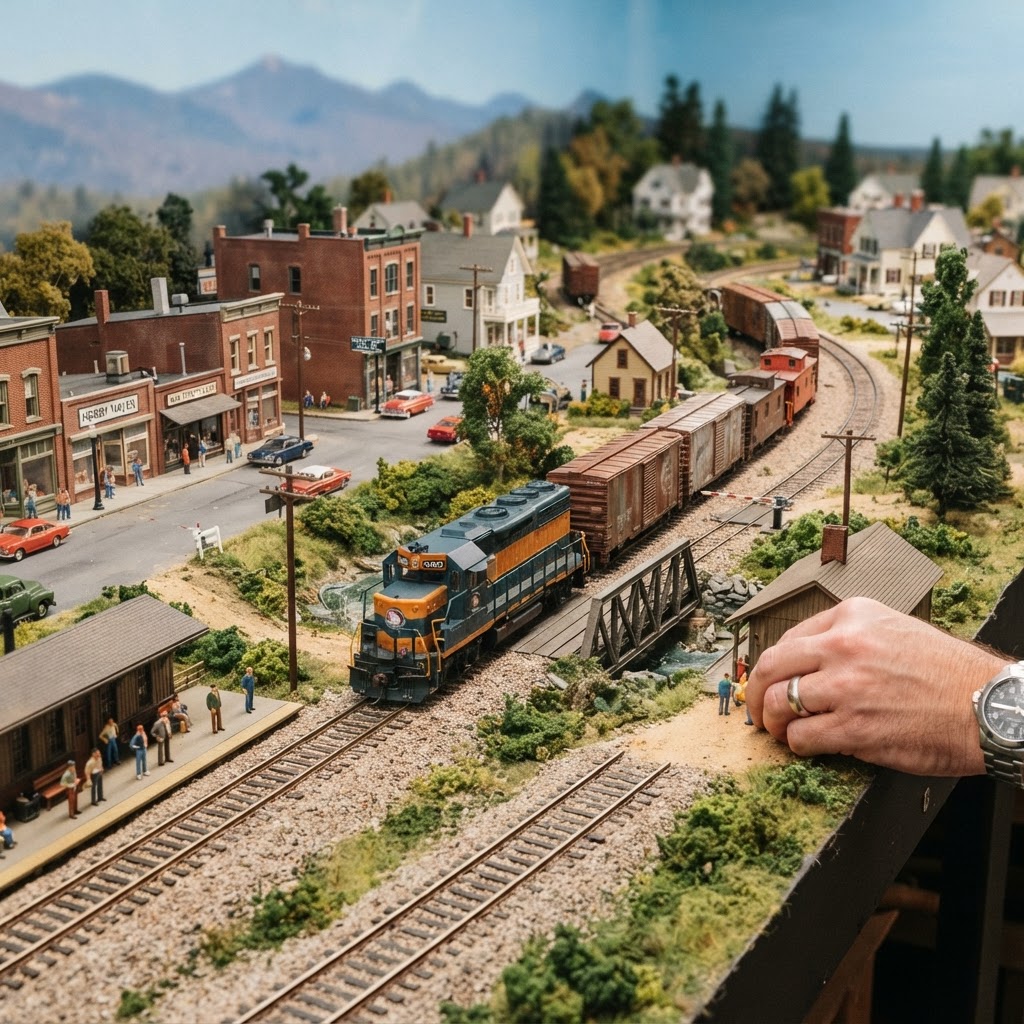
Welcome to one of the most rewarding hobbies you'll ever discover. Whether you stumbled across a vintage locomotive at a flea market or watched a beautifully detailed layout at a local train show, something sparked your curiosity — and now you're ready to dive in. This beginner guide to model railroading is designed to walk you through everything you need to know to get started with confidence, from choosing your first scale to laying track, selecting locomotives, and building a layout that you'll be proud to show off for years to come.
Model railroading has been captivating hobbyists of all ages for over a century, and it's easy to understand why. It combines elements of history, engineering, artistry, and storytelling into a single creative pursuit. You're not just running trains — you're recreating worlds. A quiet mountain pass in the 1940s, a bustling industrial yard in the 1970s, or a modern high-speed rail corridor are all within your reach. With the right foundation, this hobby becomes a lifelong passion rather than an overwhelming maze of terminology and gear.
This ultimate beginner guide to model railroading will break everything down into manageable steps. We'll cover the essential decisions you'll face early on, introduce you to the tools and technology that make the hobby so exciting today, and give you the practical knowledge to avoid the most common beginner mistakes. Let's get the wheels rolling.
Understanding Model Train Scales: Your First Big Decision
Before you buy a single piece of track or a locomotive, you need to understand scale. In model railroading, scale refers to the ratio between the model and the real-world prototype it represents. This single choice will shape everything — from how much space your layout requires to what products are available to you and how much detail you can expect.
The Most Popular Scales Explained
Here's a quick overview of the scales you'll encounter most often:
- HO Scale (1:87) — The most popular scale worldwide. HO offers a massive selection of locomotives, rolling stock, and scenery. It's a great middle ground between detail and space requirements.
- N Scale (1:160) — Roughly half the size of HO. Perfect if you're working with limited space, like an apartment or small dedicated room. Detail has improved dramatically in recent years.
- O Scale (1:48) — Larger and more visually impressive. Often associated with Lionel trains and family-friendly layouts. Requires more space but is easier to handle.
- G Scale (1:22.5) — The largest common scale, often used for garden railroads. Durable and weather-resistant models that thrive outdoors.
- Z Scale (1:220) — The smallest commercially available scale. Incredibly compact but requires careful handling and fine motor skills.
For most beginners, HO or N scale is the recommended starting point. If you want a deeper comparison, check out our guide on HO vs N Scale Starter Kits: The Ultimate Guide for Beginners — it breaks down the pros and cons of each in detail.
For a comprehensive look at all available scales, our Ultimate Beginner Guide to Model Train Scales: Choosing Your Perfect Size is an excellent resource to bookmark.
Choosing Your First Locomotive
Once you've settled on a scale, the real fun begins — picking your locomotive. This is often the most emotionally driven decision in the hobby, and that's perfectly fine. But there are a few practical factors worth considering alongside your personal preferences.
Steam vs. Diesel: Which Is Right for You?
The debate between steam and diesel is one of the oldest conversations in model railroading, and ultimately it comes down to your era of interest and aesthetic preference.
Steam locomotives are iconic, complex, and breathtakingly beautiful. They dominated American and European railroads from the mid-1800s through the 1950s. If you're drawn to the golden age of railroading, steam is a natural fit. Our roundup of the Top 10 Best Steam Engine Models for Your Collection in 2024 is a great place to start your search.
Diesel locomotives took over from the 1950s onward and continue to dominate modern freight and passenger operations. They tend to be mechanically simpler models, run smoothly, and offer an enormous variety of road names and paint schemes. Take a look at our Top 10 Best Diesel Engines for Model Train Collectors to Own in 2024 for top picks across multiple scales.
Should You Consider Brass Models?
Brass models represent the pinnacle of model railroading craftsmanship — hand-detailed, highly accurate, and often limited in production. They're not typically recommended as a first locomotive due to their cost, but if you're a collector at heart, our Ultimate Guide to the Best Brass Model Trains for Collectors will give you a thorough introduction to this premium segment of the hobby.
Understanding Power Systems: DC vs. DCC
This is where many beginners feel overwhelmed, but it doesn't have to be complicated. The two main power systems you'll encounter are DC (Direct Current) and DCC (Digital Command Control).
DC Power: Simple and Affordable
Traditional DC systems use variable voltage to control speed. One controller, one train, one loop of track. It's straightforward, inexpensive, and still used widely — especially for younger hobbyists or those running simple layouts.
DCC: The Modern Standard
DCC assigns a digital address to each locomotive, allowing you to run multiple trains independently on the same track. You can control speed, direction, lighting, and even sound effects all from a single handheld controller or computer interface. For anyone planning a serious layout, DCC is the way to go.
Not sure which system suits your needs? Our in-depth article on DCC vs DC: The Ultimate Guide to Choosing the Best Model Train Power System covers everything you need to make an informed decision.
If you decide DCC is the right path, you'll need a controller. We've reviewed the best options at various price points in our Best DCC Controller for Budget: Top Picks for Every Model Railroader guide. And if you're already running DC and want to make the switch, our step-by-step walkthrough at The Best Way to Upgrade to DCC: A Beginner's Step-by-Step Guide will make the transition smooth and stress-free.
For those interested in larger scales, we also recommend reading our Best DCC Systems for Large Scale Trains: A Comprehensive Guide.
Building Your First Layout
Here's where model railroading truly becomes an art form. Building a layout involves planning, construction, scenery, and wiring — and it can be as simple or as elaborate as you want.
Start Small and Expand
The number one mistake beginners make is planning a layout that's too ambitious. Start with a simple oval or figure-eight on a 4×8 sheet of plywood. This gives you a complete, operational railroad that you can run trains on while you learn the craft. You can always expand later.
Benchwork and Subroadbed
Your layout needs a solid foundation. Basic benchwork can be built from dimensional lumber (2×4s and 1×4s) and topped with plywood. For scenery, many modelers use foam insulation board because it's lightweight, easy to carve, and takes paint well.
Track Planning Tips
- Keep curves gradual — too-tight curves derail trains and look unrealistic.
- Mind your grades — slopes steeper than 2-3% will cause problems for most locomotives.
- Plan your wiring before you lay track — it's much harder to add electrical connections after everything is glued down.
- Leave access panels — you'll need to reach under the layout for maintenance.
Scenery and Detailing
Once your track is down and running reliably, scenery transforms your layout from a test track into a model world. Ground cover, trees, buildings, figures, and water features all contribute to the scene. Take your time here — this is where the hobby truly rewards patience and creativity.
Essential Tools for Model Railroaders
Having the right tools makes every aspect of the hobby easier and more enjoyable. You don't need to invest heavily upfront, but a few key items will serve you well from day one.
Basic toolkit essentials:
- Needle-nose pliers and wire cutters
- Hobby knife with extra blades
- Track gauge tool
- Soldering iron and solder (for wiring)
- Multimeter (for diagnosing electrical issues)
- Tweezers and fine-tip paintbrushes
For a complete breakdown of what the pros use and recommend, visit our guide on The Best Tools for Model Trains: A Pro Guide for Every Railroader. You can also browse our recommended products page for curated gear across all skill levels and budgets.
Joining the Model Railroading Community
One of the best-kept secrets of this hobby is its community. Model railroaders are among the most welcoming and knowledgeable hobbyists you'll find anywhere.
Where to Connect
- National Model Railroad Association (NMRA) — The premier organization for model railroaders in the US and internationally. Membership includes access to clinics, conventions, and local clubs.
- Local clubs — Nothing beats hands-on learning alongside experienced modelers. Most clubs welcome beginners and offer open house events.
- Online forums and communities — Sites like Reddit's r/modeltrains, TrainBoard, and Model Railroad Forums are active communities where questions are always welcome.
- YouTube channels — Dozens of dedicated channels cover everything from beginner tutorials to advanced scenery techniques. Visual learning can be incredibly helpful.
Train Shows and Expos
Attending a model train show is a fantastic way to find deals on used equipment, see operating layouts up close, and connect with vendors and fellow enthusiasts. Check local listings and the NMRA event calendar for shows near you.
Frequently Asked Questions
How much does it cost to start model railroading?
A basic starter set — including a locomotive, a few cars, an oval of track, and a power pack — can cost anywhere from $80 to $300 depending on scale and quality. Budget an additional $50–$150 for basic scenery materials and tools. DCC-ready starter sets tend to cost more upfront but save money if you plan to expand your layout.
What is the best scale for beginners with limited space?
N scale is an excellent choice if space is your primary concern. You can fit a surprisingly detailed and operational layout on a 2×4 or 2×6 board. HO scale is still manageable in small spaces if you plan carefully. See our HO vs N Scale Starter Kits guide for a detailed comparison.
Do I need DCC to enjoy model railroading?
Not at all. Traditional DC systems are simpler and more affordable, and many modelers run beautifully detailed layouts on DC power their entire lives. However, if you plan to run multiple trains independently or want realistic sound and lighting features, DCC opens up a world of possibilities. Read our full comparison at DCC vs DC: The Ultimate Guide.
How long does it take to build a model railroad layout?
That depends entirely on the scope of your project and how much time you invest. A basic starter oval can be up and running in an afternoon. A detailed, scenicked layout on a 4×8 board might take six months to a year of part-time work. Larger basement-filling layouts can take years or even decades — and many modelers consider the process itself to be half the joy.
Where is the best place to buy model train supplies?
Local hobby shops are invaluable — the staff knowledge and ability to see products in person is worth a lot. Online retailers like Walthers, Trainworld, and Amazon also offer competitive pricing and wide selection. Don't overlook eBay and local swap meets for used equipment at great prices. Our recommended products page also lists trusted sources we use and endorse.
Conclusion
Model railroading is one of those rare hobbies that offers something for everyone — whether you're a history buff, a tinkerer, an artist, or simply someone who loves watching trains run. The key is to start simple, enjoy the learning process, and not be afraid to make mistakes. Every expert modeler you admire started exactly where you are right now.
Take it one step at a time: choose your scale, pick a locomotive that excites you, understand your power options, and build a small but operational layout before reaching for something bigger. The hobby will reward your patience many times over.
We're here to help every step of the way. Explore more of our beginner guides, product reviews, and how-to articles right here on Model Train Insider — and don't forget to check out our recommended products page for trusted gear to get you started on the right track.
Affiliate Disclosure: Some links in this article are affiliate links. We may earn a commission at no extra cost to you.
Enjoying this guide?
Browse our favorite recommended products.
James Mitchell
Model Train Enthusiast & Writer
James has been building layouts and collecting trains for over 15 years. He started Model Train Insider to help newcomers navigate the hobby with practical, no-nonsense advice drawn from hands-on experience.
Stay on Track
Get beginner guides, brand reviews, and layout tips delivered to your inbox. No spam—just trains.
Free forever. Unsubscribe anytime.
Related Articles
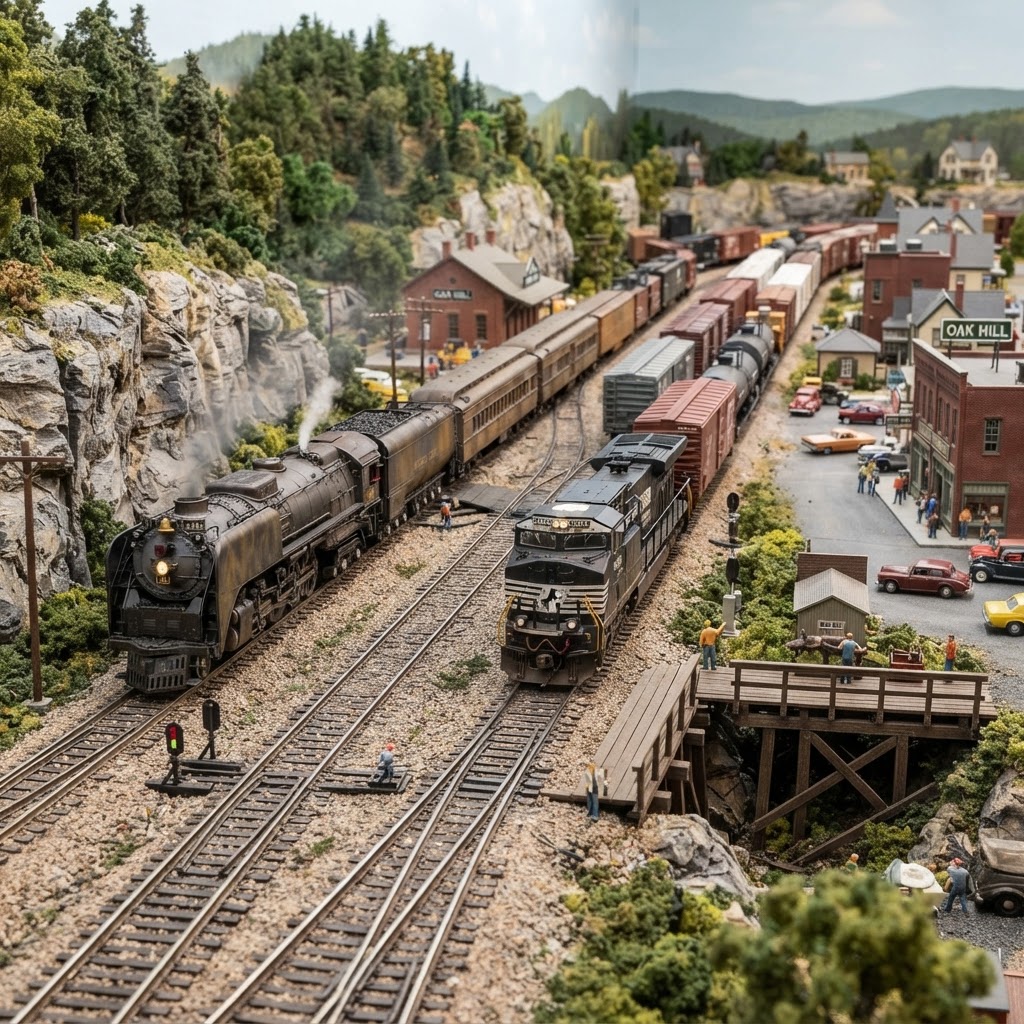
Diesel vs Steam Locomotives: A Guide to Choosing Your Model Train
Struggling to decide between steam or diesel for your layout? Our guide compares steam and diesel model locomotives to help you make the right choice.
Read more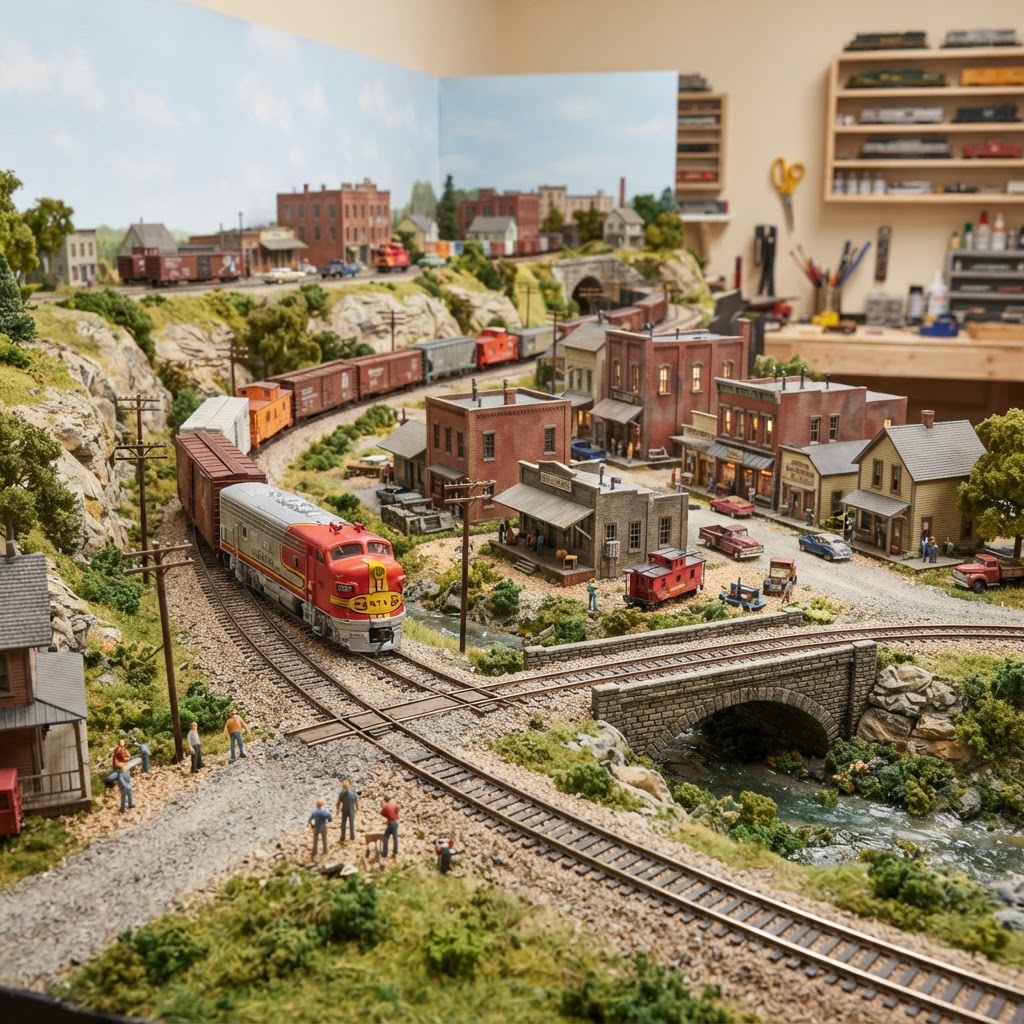
Best Starter Model Train Sets for Adults: A Comprehensive Guide to Your New Hobby
Discover the best starter model train sets for adults. Learn how to choose the right scale, brand, and layout to kickstart your rewarding model railroading hobby.
Read more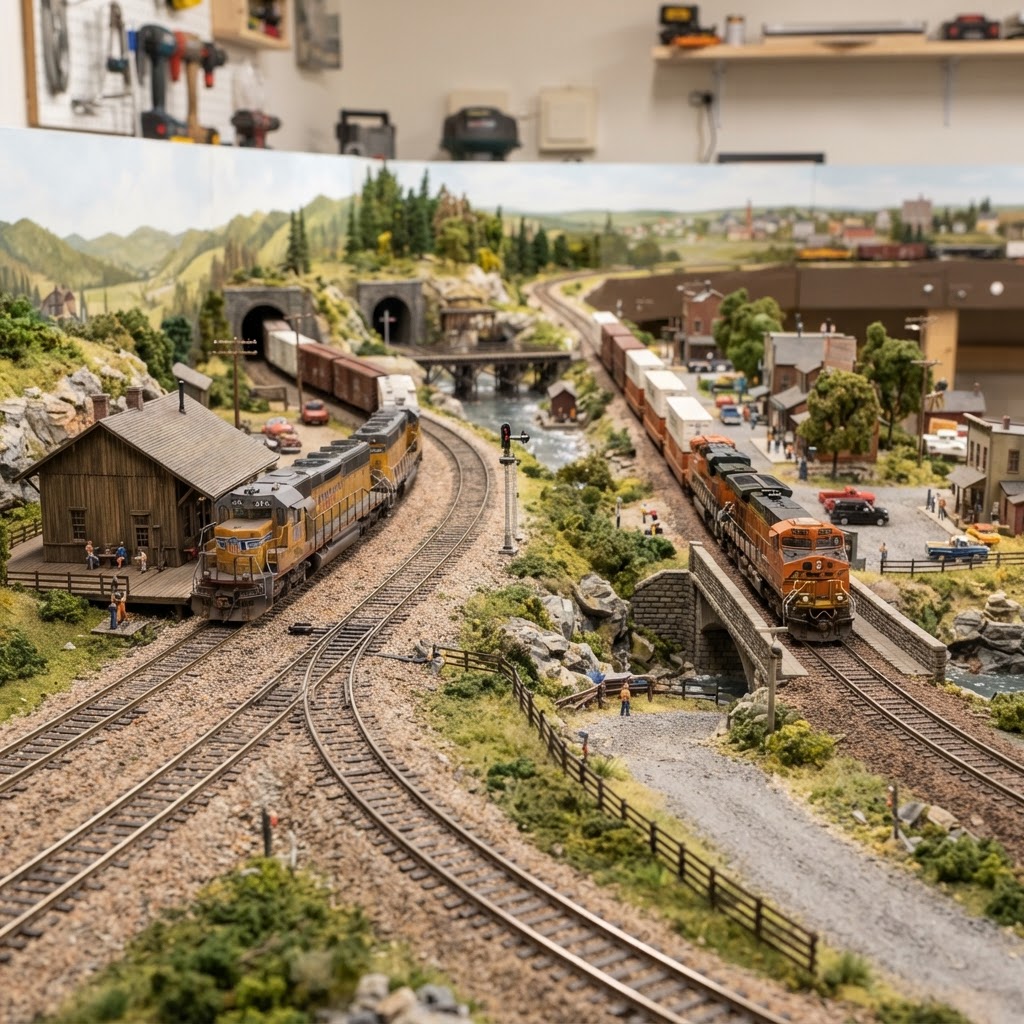
HO vs N Scale Starter Kits: The Ultimate Guide for Beginners
Choosing your first model train set? Compare HO vs N scale starter kits to find the perfect size, space, and detail for your new hobby layout.
Read more