Best DCC Controller for Budget: Top Picks for Every Model Railroader
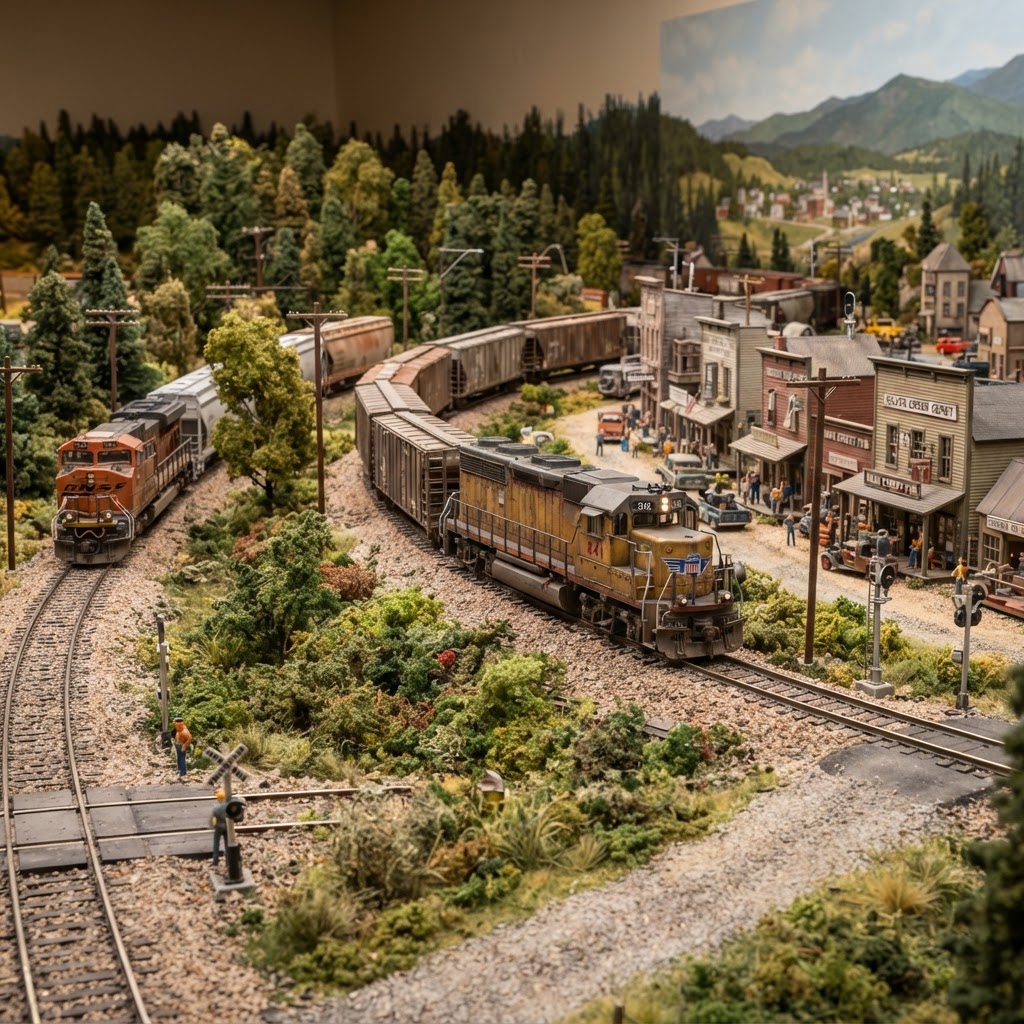
Finding the best dcc controller for budget shoppers can feel overwhelming when you're staring down a wall of options ranging from entry-level starter sets to professional-grade command stations costing hundreds of dollars. Whether you're just getting into Digital Command Control or you're a seasoned hobbyist looking to expand a second layout on a shoestring, there's genuinely good news: the market has never offered more capable, affordable DCC controllers than it does right now. You don't need to break the bank to enjoy smooth, realistic train operation with sound, lighting, and multi-locomotive control.
Before diving into specific recommendations, it's worth understanding what separates a "budget" controller from a premium one — and more importantly, what you actually need versus what's just nice to have. If you're still weighing whether DCC is even right for your setup, check out our guide to DCC vs DC: The Ultimate Guide to Choosing the Best Model Train Power System for a thorough breakdown. Once you're committed to DCC, this article will walk you through the top affordable options, what features matter most, and how to get the most value from your investment.
Budget doesn't have to mean compromise. Many entry-level DCC systems today offer features that were once exclusive to top-tier brands. With some informed decision-making, you can build a fully functional, enjoyable DCC layout without overspending — and leave room in the budget for the locomotives and scenery that bring your railroad to life.
What Is a DCC Controller and Why Does It Matter?
A DCC controller — sometimes called a command station or throttle — is the brain of your digital model railroad. It sends digital signals through the track to individual decoders installed in each locomotive, allowing you to independently control speed, direction, lighting, sound effects, and other functions on multiple trains simultaneously.
The quality and capability of your controller directly impacts your day-to-day experience at the layout. A sluggish throttle response, limited address capacity, or lack of programming features can turn operating sessions into frustrating exercises. On the flip side, paying for features you'll never use is equally wasteful.
If you're brand new to the hobby and still figuring out what scale works best for you, our Ultimate Beginner Guide to Model Train Scales: Choosing Your Perfect Size is a great starting point before committing to any DCC system.
Key Features to Look for in a Budget DCC Controller
Amperage Output
Amperage determines how many locomotives you can realistically run at once. Budget systems typically offer between 1 and 3 amps, which is perfectly sufficient for small to mid-size layouts with a handful of locomotives. HO scale engines generally draw around 0.5–1 amp, while N scale draws even less.
- 1–1.5 amps: Fine for N scale or a small HO layout with 1–2 locomotives
- 2–3 amps: More versatile for HO or larger layouts with multiple trains
Number of Locomotive Addresses
Entry-level systems sometimes cap how many locomotive addresses they can store. Look for a system that supports at least 10–20 active addresses, with full 4-digit DCC addressing if possible.
Programming Track Support
A dedicated programming track lets you safely read and write decoder values (CVs) without affecting other locomotives on the main layout. This is a non-negotiable feature if you plan to customize decoder settings.
Ease of Use
Budget buyers are often beginners. An intuitive interface — clear display, logical button layout, and decent documentation — can make or break the experience. Some systems offer smartphone app integration, which can dramatically improve usability.
Expandability
Even on a budget, think ahead. Can you add a second throttle? Does the system support walk-around operation? Is there a cab bus or wireless option down the road? A system with growth potential protects your investment.
Best Budget-Friendly DCC Controllers Reviewed
1. Bachmann E-Z Command DCC Controller
The Bachmann E-Z Command is one of the most beginner-friendly DCC systems on the market and is often the first controller many hobbyists ever touch. It comes bundled with many Bachmann starter sets and is also available as a standalone unit at a very accessible price.
Pros:
- Extremely easy to use — plug and play
- Affordable, often under $50
- Great for small layouts
Cons:
- Limited to 2-digit addressing by default
- Only around 1 amp of output
- Limited expandability
This system is best suited for someone running one or two locomotives on a small loop, particularly in HO or N scale. It's a fantastic foot-in-the-door option that lets you experience DCC without a major financial commitment. If you're building your first layout, pairing this with one of the options in our HO vs N Scale Starter Kits: The Ultimate Guide for Beginners makes a lot of sense.
2. MRC Prodigy Express²
The MRC Prodigy Express² steps things up considerably while still landing in budget territory. It offers 1.5 amps of power, supports 4-digit addressing, and has a simple, clean throttle design that beginners find approachable.
Pros:
- 4-digit addressing support
- Intuitive LCD display
- Supports momentum and speed step adjustments
- Expandable with additional throttles
Cons:
- Programming features are somewhat limited compared to higher-end MRC units
- Wireless operation requires add-ons
At its price point — typically around $80–$100 — the Prodigy Express² is one of the best values in entry-level DCC. It grows with you better than the Bachmann offering and suits hobbyists who are serious about DCC but not ready to invest in a full-featured system.
3. Digitrax Zephyr Xtra (DCS52)
The Digitrax Zephyr Xtra is often called the best entry-level DCC system for hobbyists who want to grow. It sits at the higher end of the budget range — typically $120–$150 — but delivers capabilities that rival mid-range systems.
Pros:
- 2.5 amps of output
- Full 4-digit addressing
- Built-in operations mode and service mode programming
- LocoNet compatibility for massive expandability
- Can run as a booster for expanded layouts
Cons:
- Steeper learning curve than simpler systems
- Higher upfront cost for budget shoppers
The Zephyr Xtra is the controller to choose if you're budget-conscious today but ambitious about your layout in the future. Its LocoNet bus is the same used by Digitrax's professional systems, meaning you can keep this unit and simply add to it. For a broader look at how this fits into the Digitrax ecosystem, see our 5 Best DCC Systems for Home Model Railroads: Expert Reviews and Comparisons.
4. NCE Power Cab
The NCE Power Cab is a self-contained DCC system that packs impressive functionality into a handheld throttle connected to a small power panel. NCE is renowned for its reliability and customer support, and the Power Cab inherits much of that reputation at an accessible price.
Pros:
- 1.75 amps of output
- Full programming capabilities including reading CVs
- Excellent build quality
- Expandable to full NCE cab bus system
- Superb documentation
Cons:
- Slightly more expensive than some competitors (~$150)
- Power panel requires external power supply
The Power Cab is a favorite among hobbyists who want a "real" DCC system without the premium price tag of the NCE Power Pro. It's especially well-regarded for its programming track integration and its compatibility with NCE's broader accessory ecosystem.
5. SPROG 3 (for Computer-Based Control)
If you're interested in running your railroad from a computer using software like JMRI (Java Model Railroad Interface), the SPROG 3 is an outstanding budget-friendly option. It connects via USB and serves as both a programming device and a basic command station.
Pros:
- Excellent JMRI integration
- Affordable (~$80–$100)
- Great for decoder programming and testing
Cons:
- Not designed as a standalone throttle
- Requires computer knowledge to use effectively
- Limited amperage for serious operations
The SPROG 3 appeals to the tech-savvy hobbyist who enjoys automation, routing logic, and computer-driven operations. It's not for everyone, but for the right person, it's an incredibly powerful budget tool.
Practical Tips for Getting the Most from Your Budget DCC System
Start Simple, Expand Deliberately
Resist the urge to buy every accessory at once. Start with your controller, get comfortable with basic programming and operations, then add throttles or boosters as your layout demands it. Our guide on The Best Way to Upgrade to DCC: A Beginner's Step-by-Step Guide walks through this process in detail.
Invest in Quality Decoders
Your controller is only as good as the decoders in your locomotives. Even a budget controller pairs beautifully with a quality sound decoder from Soundtraxx or ESU LokSound. Don't skimp on decoders if you want that authentic experience with your best steam engine models or diesel engines.
Keep Your Track Clean
DCC systems are more sensitive to dirty track than DC systems. Invest in a good track cleaning routine and tools — our best tools for model trains guide covers exactly what you need to keep things running smoothly.
Join Online Communities
Forums like Model Railroad Forums, TrainBoard, and dedicated Facebook groups are full of hobbyists who've already navigated the budget DCC landscape. Real-world advice from people running the exact system you're considering is invaluable.
Check Our Recommended Products
For a curated list of controllers, decoders, and accessories vetted by our editorial team, visit our recommended products page.
Budget DCC vs. Large Scale Considerations
It's worth noting that budget DCC systems are generally optimized for HO, N, and similar scales. If you're running G scale or other large scale trains, the amperage requirements increase significantly and budget options become more limited. For large scale operators, our dedicated Best DCC Systems for Large Scale Trains: A Comprehensive Guide covers the right options for your needs.
Frequently Asked Questions
What is the cheapest DCC controller that's still worth buying?
The Bachmann E-Z Command is the most affordable option at under $50 and is genuinely worth buying for a small, simple layout. However, if you can stretch your budget to $80–$120, the MRC Prodigy Express² or Digitrax Zephyr Xtra offer significantly more capability and longevity.
Can a budget DCC controller handle sound decoders?
Yes. Sound decoders simply require the controller to support function keys (F0 and above), which virtually all DCC systems do. Budget controllers handle sound decoders just fine — the sound quality depends on the decoder and speaker, not the controller.
How many locomotives can I run on a budget DCC system?
This depends primarily on amperage and the current draw of your locomotives. A 2-amp system can typically handle 3–4 HO locomotives simultaneously under normal operating conditions. N scale trains draw less current, allowing more simultaneous operation.
Is it easy to upgrade from a budget DCC controller later?
It depends on the system. Controllers like the Digitrax Zephyr Xtra and NCE Power Cab are designed to integrate into larger systems seamlessly. More basic controllers like the Bachmann E-Z Command are essentially standalone units that you'd replace rather than expand. Choosing an expandable system from the start is always wise.
Do budget DCC controllers work with all DCC-equipped locomotives?
Yes. All DCC systems and decoders comply with NMRA DCC standards, meaning any NMRA-compliant controller will work with any NMRA-compliant decoder. You may lose access to manufacturer-specific extended features (like certain Digitrax-only functions), but core operation is always compatible.
Conclusion
Finding the best DCC controller for budget-conscious hobbyists doesn't require settling for a frustrating, underpowered experience. From the plug-and-play simplicity of the Bachmann E-Z Command to the impressive expandability of the Digitrax Zephyr Xtra and the reliability of the NCE Power Cab, there's a genuinely capable system at every price point in the affordable range.
The key is matching your choice to where you are now while keeping one eye on where you want to go. A little planning upfront saves you money in the long run and ensures your controller grows with your layout rather than becoming a bottleneck.
Ready to keep building your knowledge? Explore more of our expert guides right here on Model Train Insider — from choosing the right scale to perfecting decoder programming — and turn your model railroad dreams into reality, one track section at a time.
Affiliate Disclosure: Some links in this article are affiliate links. We may earn a commission at no extra cost to you.
Enjoying this guide?
Browse our favorite recommended products.
James Mitchell
Model Train Enthusiast & Writer
James has been building layouts and collecting trains for over 15 years. He started Model Train Insider to help newcomers navigate the hobby with practical, no-nonsense advice drawn from hands-on experience.
Stay on Track
Get beginner guides, brand reviews, and layout tips delivered to your inbox. No spam—just trains.
Free forever. Unsubscribe anytime.
Related Articles
Best Power Supplies for Model Trains: Top 2024 Reviews and Buying Guide
Discover the best power supplies for model trains. Our expert guide reviews top-rated transformers and power packs to ensure smooth performance on your layout.
Read more
The Best Tools for Model Trains: A Pro Guide for Every Railroader
Discover the essential equipment every model railroader needs. From precision cutters to weathering kits, master your hobby with our guide to the best tools.
Read more
5 Best DCC Systems for Home Model Railroads: Expert Reviews and Comparisons
Looking for the best DCC system for home layouts? We evaluate the top 5 digital command control systems to help you choose the perfect match for your train room.
Read more