Best DCC Systems for Large Scale Trains: A Comprehensive Guide
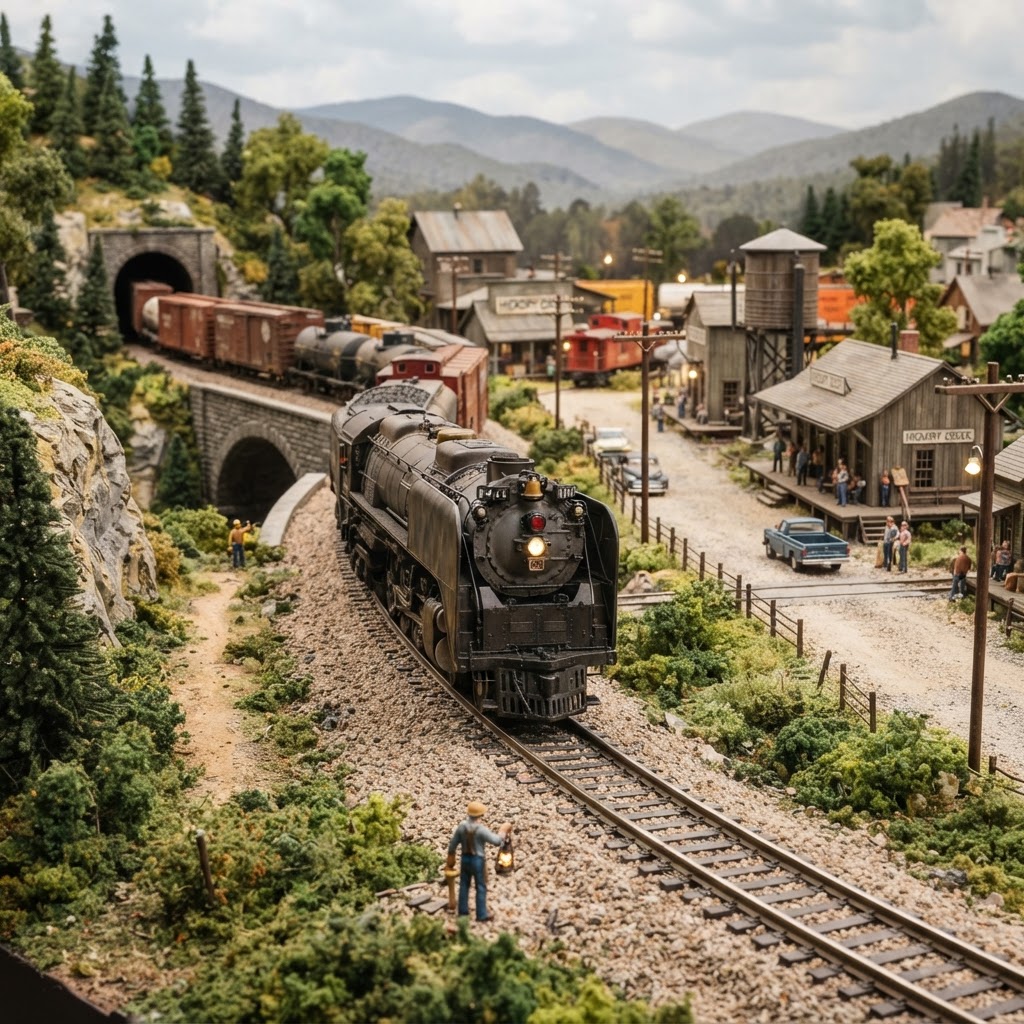
If you're running large scale trains — whether that's G scale garden railroads, Gauge 1 live steam setups, or sprawling outdoor layouts — finding the best DCC systems for large scale operations is one of the most important decisions you'll make as a hobbyist. Large scale trains have unique power demands, longer track runs, and often more complex wiring requirements than their smaller counterparts. Choosing the wrong DCC system can mean poor performance, frustrating drop-outs, or simply not having enough power to run your fleet the way you envision.
Large scale DCC is a different beast compared to HO or N scale systems. You're dealing with locomotives that draw significantly more current, track lengths that can stretch dozens or even hundreds of feet in outdoor environments, and environmental factors like temperature fluctuation, moisture, and debris that simply don't exist indoors. That's why it's worth taking the time to understand what sets the best large scale DCC systems apart — and which features matter most for your specific layout.
In this guide, we'll walk you through the top DCC systems purpose-built or well-suited for large scale model railroading, what to look for before you buy, and how to get the most out of whichever system you choose. Whether you're a seasoned railroader or just making the jump from DC, this article has everything you need to make a confident decision. If you're still weighing the broader question of digital vs. analog control, check out our guide on DCC vs DC: The Ultimate Guide to Choosing the Best Model Train Power System before diving in.
What Makes Large Scale DCC Different?
Before jumping into specific product recommendations, it's worth understanding why large scale DCC systems require special consideration. Most standard DCC systems are engineered with HO or N scale in mind — they offer 3 to 5 amps of power, which is perfectly adequate for those scales but woefully insufficient for G scale or Gauge 1 locomotives that may draw 2 to 3 amps per engine on their own.
Power Requirements
Large scale locomotives are power-hungry. A single G scale engine running at full throttle can easily pull 2–3 amps, and if you're running multiple consists, you could be looking at 6, 8, or even 10+ amps of demand on the main track bus. This means you need a command station and booster combination that can comfortably handle your total load — with headroom to spare.
As a general rule of thumb:
- Single locomotive operation: A 5-amp system may suffice
- Two to four locomotives: Look for 8–10 amps minimum
- Large multi-train layouts: Consider multiple boosters or a 20-amp capable system
Track Voltage
Large scale trains typically operate at higher voltages than HO or N scale — often between 18 and 24 volts. Make sure any DCC system you consider supports the voltage range required by your locomotives. Running large scale engines at lower voltages leads to sluggish performance, poor sound quality, and reduced motor life.
Outdoor Environment Challenges
Garden railroads face challenges no indoor layout does. Moisture, UV exposure, leaves, insects, and temperature swings can all affect track conductivity and electrical connections. The best DCC systems for outdoor large scale use should have robust booster options, support for multiple power districts, and easy fault recovery — so a short circuit in one section doesn't kill the whole layout.
Top DCC Systems for Large Scale Trains
1. Digitrax Super Chief Xtra (SDXH168D)
Digitrax has long been a leader in DCC technology, and the Super Chief Xtra remains one of the most respected systems for large scale applications. It comes with an 8-amp command station/booster that can be expanded significantly with additional PM42 power managers and DB150 boosters.
Key Features:
- 8 amps base output (expandable)
- LocoNet bus for easy accessory and throttle expansion
- Supports up to 10,000 addresses
- Compatible with a wide range of large scale decoders
The Digitrax ecosystem is especially appealing if you plan to grow your layout over time. LocoNet makes it easy to plug in additional throttles, programming tracks, and detection modules without rewiring. It's a system that scales with your ambitions.
Best for: Serious hobbyists with large or expandable layouts who want a proven, feature-rich platform.
2. NCE Power Pro (5 Amp and 10 Amp Versions)
NCE's Power Pro system is widely praised for its intuitive operation and solid reliability — and the 10-amp version makes it a serious contender for large scale use. NCE is particularly popular with hobbyists who value clean, simple interfaces without sacrificing capability.
Key Features:
- Available in 5A and 10A versions
- Cab Bus for easy throttle and accessory expansion
- Excellent CV programming interface
- Strong community support and documentation
NCE is known for outstanding customer support, which is a genuine asset when you're troubleshooting a complex outdoor layout. The Power Pro cab's tactile feel and logical menu layout make it a pleasure to use even on a chilly morning in the garden.
Best for: Hobbyists who want power and reliability without a steep learning curve.
3. ESU ECoS 2 Command Station
The ESU ECoS 2 is a European-engineered powerhouse that punches well above its weight for large scale applications. With a built-in 4-amp output and support for external boosters up to 20 amps, it's highly scalable. The large color touchscreen display is a standout feature, making locomotive management and programming genuinely enjoyable.
Key Features:
- Integrated 4A output with booster support up to 20A
- Color touchscreen with graphical layout overview
- Supports DCC, Märklin Motorola, and Selectrix protocols
- Built-in RailCom and RailCom+ support
The ECoS 2 is a premium choice, and its price reflects that. However, for collectors running high-end brass or European large scale locomotives — many of which use ESU LokSound decoders — the integration is seamless. If you're into high-end brass models, you might also enjoy our Ultimate Guide to the Best Brass Model Trains for Collectors.
Best for: Premium collectors and hobbyists who want cutting-edge features and multi-protocol support.
4. CVP Products EasyDCC
CVP Products' EasyDCC system was designed from the ground up with large scale railroading in mind. It's one of the few systems specifically marketed to G scale and outdoor garden railroaders, and it shows in its feature set and construction.
Key Features:
- Up to 10 amps from the base station
- Designed specifically for large scale voltage and current requirements
- Wireless throttle support
- Long-range wireless capability — ideal for large outdoor layouts
The long-range wireless throttles are a particular boon for garden railroad operators who might be walking alongside a train across a large backyard. You won't be fumbling with tethered cords while navigating garden paths.
Best for: Garden railroad operators who prioritize wireless range and large scale-specific design.
5. Roco/Fleischmann Z21 (with External Booster)
The Z21 is a modern, app-driven DCC system that has gained significant traction in recent years, particularly among hobbyists who want smartphone or tablet control. While the base unit outputs only 3 amps, pairing it with a compatible booster (such as the Roco 10764 booster) brings it into large scale territory.
Key Features:
- Wi-Fi and Ethernet connectivity
- Control via iOS and Android apps
- Supports multiple simultaneous app connections
- Expandable via boosters for large scale current demands
The Z21's modern connectivity is hard to beat if you want to hand a phone-based throttle to a family member or run your railroad from the comfort of a garden chair. Just make sure you plan your booster strategy carefully before committing.
Best for: Tech-forward hobbyists who want app-based control and modern connectivity.
Key Features to Look for in a Large Scale DCC System
When evaluating your options, here are the most critical factors to weigh:
Amperage and Booster Support
As discussed, this is non-negotiable. Always calculate your maximum expected current draw before selecting a system, and choose one that supports external boosters if you anticipate growth. Our recommended products page lists compatible boosters for the major platforms.
Wireless Throttle Options
Large outdoor layouts make wireless throttles almost essential. Look for systems with reliable wireless range or built-in Wi-Fi support. Battery-powered handheld throttles with long battery life are a significant quality-of-life improvement.
Decoder Compatibility
Large scale DCC decoders are made by companies like ESU, Zimo, Soundtraxx, and NCE. Confirm that any system you choose is compatible with the decoders already installed in your locomotives — or the ones you plan to install. If you're upgrading existing locomotives, our Beginner's Step-by-Step Guide to Upgrading to DCC is an excellent starting resource.
Ease of Programming
Programming decoders on a programming track should be straightforward. Look for systems with clear CV entry interfaces, roster management, and ideally a dedicated programming track output. Some systems also support programming on the main (POM), which is essential for large layouts where bringing a locomotive to a programming track isn't practical.
Community and Support
This is underrated. A system with an active user community — forums, YouTube tutorials, local clubs — means help is never far away. Digitrax and NCE both have large, active communities. ESU has strong support through its network of dealers.
Setting Up Your Large Scale DCC Layout
Once you've chosen your system, setup requires more planning than a typical indoor layout. Here are some practical tips:
- Use heavy gauge wire for your track bus. 14 or even 12 AWG is recommended for long track runs to minimize voltage drop.
- Install power districts. Divide your layout into sections with individual circuit breakers so a derailment or short in one area doesn't kill the whole railroad.
- Weatherproof all connections. Use dielectric grease on rail joiners and protect terminal blocks from moisture.
- Test regularly. Seasonal changes can affect track conductivity. Make track cleaning a routine habit before each operating session. See our Best Tools for Model Trains guide for track cleaning recommendations.
Frequently Asked Questions
Can I use a standard HO DCC system for large scale trains?
Technically, some HO systems can run large scale locomotives, but it's generally not recommended. HO DCC systems typically output 3–5 amps, which may not be sufficient for large scale engines that can draw 2–3 amps each. You also risk damaging the command station by overtaxing it. It's far better to invest in a system designed for or rated appropriately for large scale demands.
What is the best DCC system for a garden railroad beginner?
For beginners, the NCE Power Pro 10-amp system or the CVP EasyDCC are excellent starting points. Both are user-friendly, well-documented, and have strong community support. If you're brand new to DCC in general, start with our Beginner's Step-by-Step Guide to Upgrading to DCC.
How many amps do I need for large scale DCC?
A single large scale locomotive typically draws 1–3 amps. For a layout running two to four locomotives simultaneously, a 10-amp system is a solid baseline. Larger layouts with multiple trains should use a high-amperage command station with supplemental boosters to distribute the load across power districts.
Are wireless throttles worth it for large scale layouts?
Absolutely — especially for outdoor garden railroads where you may be walking alongside your train. Wireless throttles allow natural, intuitive operation without being tethered to a fixed location. Most modern DCC systems either include wireless throttles or support them as accessories.
What DCC decoders work best with large scale locomotives?
ESU LokSound 5 XL, Zimo MX695, and Soundtraxx Tsunami2 TSU-4400 are among the most respected large scale decoder options. They offer high current handling, excellent sound quality, and broad compatibility with major DCC systems. Always verify voltage range and motor amperage rating before installing any decoder.
Conclusion
Choosing the best DCC system for large scale trains comes down to understanding your layout's power needs, your operating style, and how much room you want to grow. Whether you go with the proven reliability of Digitrax or NCE, the premium features of the ESU ECoS 2, the large-scale-specific design of CVP EasyDCC, or the modern connectivity of the Roco Z21, there's a system out there that fits your railroad perfectly.
Don't rush the decision — take the time to calculate your current demands, map out your track plan, and research decoder compatibility before committing. The right DCC system will pay dividends in smooth, reliable, and deeply enjoyable operation for years to come.
Ready to keep exploring? Check out our 5 Best DCC Systems for Home Model Railroads for a broader comparison across scales, or browse our recommended products page for curated gear at every budget. Happy railroading!
Affiliate Disclosure: Some links in this article are affiliate links. We may earn a commission at no extra cost to you.
Enjoying this guide?
Browse our favorite recommended products.
James Mitchell
Model Train Enthusiast & Writer
James has been building layouts and collecting trains for over 15 years. He started Model Train Insider to help newcomers navigate the hobby with practical, no-nonsense advice drawn from hands-on experience.
Stay on Track
Get beginner guides, brand reviews, and layout tips delivered to your inbox. No spam—just trains.
Free forever. Unsubscribe anytime.
Related Articles
Best Smoke Units for Model Trains: A Comprehensive Guide to Realistic Effects
Discover the best smoke units for model trains to bring your locomotives to life. We review top-rated options to ensure your layout looks and performs perfectly.
Read more
Top 7 Best Model Train Cleaning Products for Peak Performance
Discover the best model train cleaning products to keep your locomotives running smoothly and your tracks spotless. Expert tips for long-lasting maintenance.
Read more
The Best DCC Decoders for Locomotive Upgrades: A Comprehensive Guide
Transform your model railroad fleet with our expert guide to the best DCC decoders for locomotive upgrades. Boost performance and sound quality today.
Read more