DCC vs DC: The Ultimate Guide to Choosing the Best Model Train Power System
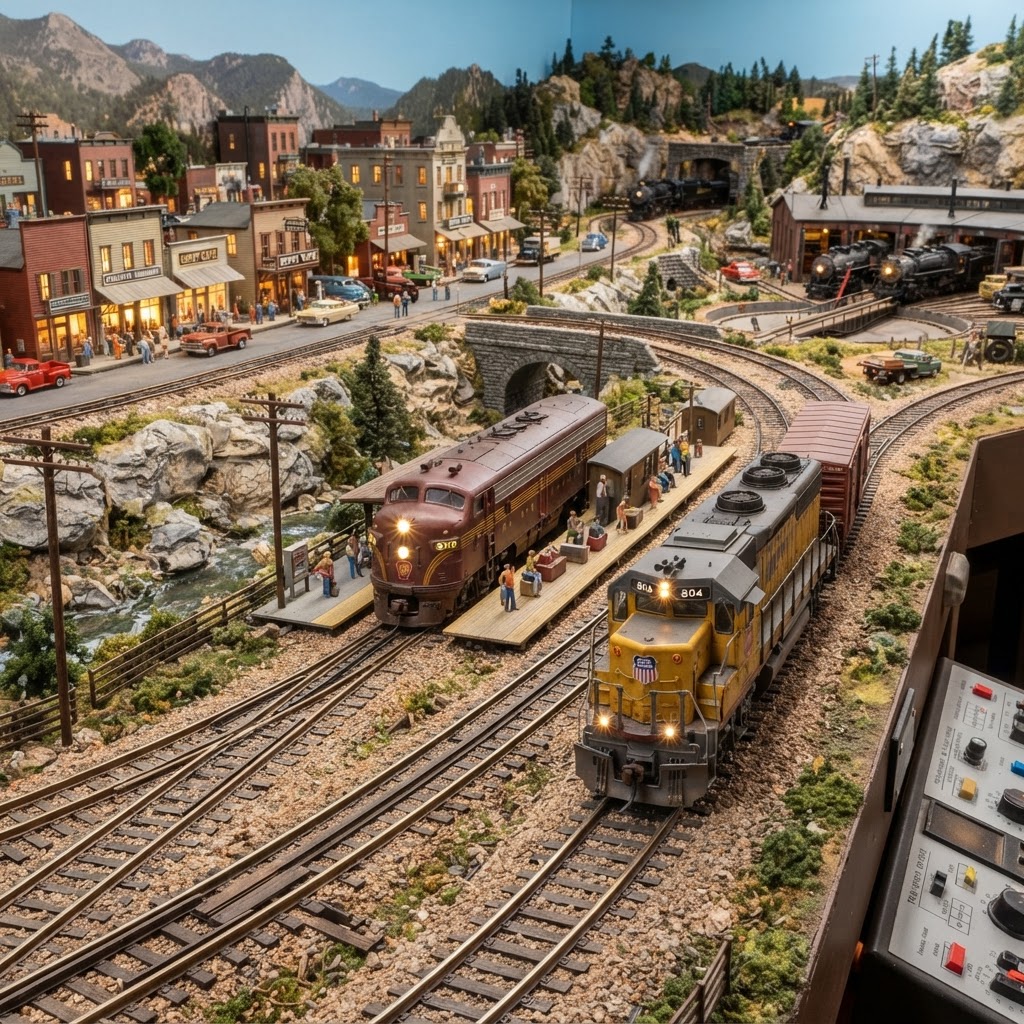
If you've spent any time researching model railroading, you've almost certainly stumbled across the debate over dcc vs dc power systems. It's one of the first major decisions new hobbyists face, and it can feel overwhelming when you're just trying to get your first locomotive rolling around a track. The good news is that neither system is objectively "better" — they each shine in different situations, and understanding the core differences will help you choose the right path from the start.
Both DC (Direct Current) and DCC (Digital Command Control) have powered generations of model railroads, from simple oval layouts on a bedroom floor to sprawling multi-train empires that fill entire basements. The technology behind each system reflects a different philosophy about how a model railroad should work, and those philosophies have real consequences for how you wire your layout, how much you spend, and how much creative control you have over your trains.
In this guide, we'll break down everything you need to know about dcc vs dc power systems — how they work, what they cost, which scales they suit best, and which one makes the most sense for your specific situation. Whether you're a complete beginner or a returning hobbyist upgrading an old layout, this article will give you a clear, practical framework for making the right choice.
What Is DC Power? Understanding the Traditional System
DC, or Direct Current, is the original power system used in model railroading and has been the standard for well over a century. The concept is elegantly simple: electricity flows through the rails, the locomotive picks it up through its wheels, and the motor runs. Increase the voltage, and the train goes faster. Reverse the polarity, and the train reverses direction.
How DC Control Works
A DC power pack sits at the center of the system. It converts household AC current into variable DC voltage, which you then send to the rails via simple wiring. Most basic DC power packs include a throttle (to control speed) and a direction switch. Your locomotive responds directly to these changes in voltage and polarity.
Because the rails themselves carry the control signal, only one train can be independently controlled per electrical block under traditional DC wiring. To run multiple trains independently, you need to divide your layout into separate "blocks," each controlled by its own power pack or throttle. This is called block wiring, and while it works, it can become a complex web of toggle switches, wire, and careful planning as your layout grows.
Pros of DC Power
- Lower upfront cost — A basic DC power pack costs significantly less than a DCC starter system
- Simpler technology — Easy to understand and troubleshoot, especially for beginners
- Compatible with all older locomotives — Your vintage Lionel, Athearn, or Life-Like locomotives work perfectly on DC without any modification
- Wide availability — DC components are everywhere, and the technology is well understood
Cons of DC Power
- Limited multi-train operation — Running multiple trains independently requires complex block wiring
- All locomotives in a block move together — If two engines are in the same block, they both respond to throttle changes
- Less prototypical operation — Fine speed control and realistic slow-speed performance can be harder to achieve
- Lighting and sound are basic — Advanced sound and lighting effects are not possible without additional decoders
What Is DCC? Understanding Digital Command Control
DCC, or Digital Command Control, is a technology standardized by the NMRA (National Model Railroad Association) that revolutionized the hobby starting in the late 1980s and early 1990s. Instead of varying the voltage to control trains, DCC sends a constant full-voltage AC signal through the rails along with a digital data stream. Each locomotive has a small onboard decoder that receives commands addressed specifically to it.
How DCC Control Works
Think of DCC like a radio station broadcasting to specific listeners. The command station sends instructions on the rails, and each decoder is programmed with a unique address. When you send a command to locomotive #3, only locomotive #3 responds — even if a dozen other engines are sitting on the same track. This is the fundamental breakthrough that makes DCC so powerful.
DCC decoders can control far more than just speed and direction. Modern decoders manage momentum, braking rates, motor back-EMF for smooth slow-speed performance, multiple lighting functions, and — with sound decoders — incredibly realistic audio including prime mover sounds, horns, bells, and brake squeals.
If you're serious about DCC, check out our detailed roundup of the 5 Best DCC Systems for Home Model Railroads: Expert Reviews and Comparisons to see how today's top systems compare.
Pros of DCC
- Independent control of multiple trains on the same track — No block wiring required for basic operations
- Realistic performance — Back-EMF, momentum, and fine motor control make for incredibly smooth operation
- Sound and lighting — Sound decoders bring locomotives to life with authentic audio
- Expandability — Add throttles, computer control, automation, and more
- Simplified wiring for complex layouts — Fewer wires needed overall for multi-train operation
Cons of DCC
- Higher upfront cost — A starter DCC system costs more than a basic DC pack, and each locomotive needs a decoder
- Learning curve — Programming decoders and understanding CV (Configuration Variable) settings takes time
- Older locomotives may need retrofitting — Installing decoders in older locos requires some skill and tools
- Overkill for simple layouts — If you only want one train running a simple oval, DCC may be more than you need
DCC vs DC: Head-to-Head Comparison
Cost Comparison
Let's be honest about the money. A decent DC power pack from a reputable brand might run you $30–$80. A beginner DCC system, like the Digitrax Zephyr or NCE Power Cab, typically starts around $150–$200 — and that's before you add decoders to your locomotives, which can range from $15 to $50+ each.
For a hobbyist running a single locomotive on a small layout, DC is the clear budget winner. But for someone who wants to run four or five trains simultaneously with sound and lighting, the math shifts — DCC actually becomes more cost-effective than the elaborate block wiring and multiple power packs that true multi-train DC operation demands.
Complexity and Ease of Use
DC wins on initial simplicity. Plug in your power pack, connect two wires to the track, and you're running. For children or absolute beginners, this instant gratification is genuinely valuable. If you're just getting started, a good HO scale starter set often includes a basic DC power pack that gets you running in minutes.
DCC has a steeper learning curve, but modern systems have become much more user-friendly. Handheld controllers with intuitive interfaces mean you don't need to understand every technical detail to enjoy the basics of DCC operation.
Compatibility with Locomotives
This is an important practical consideration. If you're buying new locomotives today, most mid-range and higher-end models come DCC-ready (with a socket for easy decoder installation) or even DCC-equipped (decoder already installed). Budget starter locomotives are often DC-only.
If you're collecting high-end brass models or vintage steam engines, check the specs carefully. Our guides on the best brass model trains for collectors and the best train brands for authentic steam locomotives can help you understand what to look for when evaluating decoder compatibility.
Layout Size and Complexity
Layout size is perhaps the single biggest factor in the DCC vs DC decision. Here's a simple rule of thumb:
- Small layout, one or two trains: DC is perfectly adequate and more affordable
- Medium to large layout, multiple trains: DCC pays dividends quickly
- Exhibition or club layout: DCC is essentially the industry standard
If you're still deciding on layout scale, our Ultimate Beginner Guide to Model Train Scales and our comparison of HO Scale vs N Scale are excellent resources to read before committing to a power system.
Which Power System Is Right for You?
Choose DC If…
- You're a complete beginner testing the waters with a starter set
- Your budget is tight and you want to minimize upfront costs
- You have a small, simple layout with one or two trains
- You have a large collection of vintage DC-only locomotives you don't want to modify
- You enjoy the simplicity of analog operation
Choose DCC If…
- You want to run multiple trains independently on the same layout
- Realistic sound and advanced lighting are important to you
- You're building a medium or large layout and want to avoid complex block wiring
- You're investing in newer DCC-ready locomotives like the models featured in our Top 10 Best Diesel Engines for Model Train Collectors or Top 10 Best Steam Engine Models guides
- You want room to grow and add features over time
Can You Run DC Locomotives on a DCC Layout?
Yes — with an important caveat. Most modern DCC systems can run a single DC locomotive in a special "DC compatibility mode." However, this is not ideal. The locomotive may run roughly, and you lose all the benefits of DCC. The right long-term approach is to install a decoder in any locomotive you plan to run regularly on a DCC layout.
Installing decoders does require some tools and a steady hand. Our guide to the best tools for model trains covers everything you'll need for decoder installation and general layout work. You can also find our top decoder and system picks on our recommended products page.
Frequently Asked Questions
Is DCC worth it for a beginner?
It depends on your goals. If you're just starting with a small oval layout and a single train, DC is simpler and cheaper. But if you know you want to expand into multi-train operation and realistic sound, starting with DCC from the beginning saves you from having to rewire and upgrade later.
Can I convert my DC layout to DCC?
Yes, and it's often easier than people expect. DCC actually simplifies wiring in many respects — you can run the entire main track from a single DCC bus rather than dividing into blocks. The main task is installing decoders in your locomotives, which ranges from very easy (plug-in socket) to moderately challenging (hardwiring).
Do all model train scales support DCC?
DCC is available across all major scales, including HO, N, O, G, and Z. However, the physical size of decoders can be a challenge in smaller scales like N and Z, where space inside locomotives is very limited. Manufacturers have responded with increasingly tiny decoders, but it's worth verifying compatibility before purchasing.
What is a sound decoder and do I need one?
A sound decoder is a DCC decoder that also includes an audio chip and speaker to produce realistic locomotive sounds. They cost more than basic decoders but dramatically increase the realism and enjoyment of operation. You don't need one, but many hobbyists consider them one of the best upgrades in the hobby once experienced.
What DCC system should a beginner buy?
Entry-level systems from NCE, Digitrax, and Bachmann are popular starting points. For a detailed comparison of today's best options, see our guide to the 5 Best DCC Systems for Home Model Railroads, which includes reviews for a range of budgets and layout sizes.
Conclusion
The dcc vs dc power systems debate doesn't have a single right answer — it has the right answer for you, based on your budget, your layout ambitions, and the kind of railroading experience you want to have. DC is a proven, affordable, and perfectly capable system that has delighted hobbyists for generations. DCC is a transformative technology that unlocks a level of realism, control, and expandability that simply wasn't possible before.
If you're just getting started, don't stress the decision too much. Many hobbyists begin with a simple DC starter set, fall in love with the hobby, and upgrade to DCC as their layout grows — and that's a completely valid path. Others jump straight into DCC and never look back.
Whatever system you choose, the most important thing is that you're out there enjoying the hobby. Explore our other beginner guides, check out our locomotive recommendations, and browse our recommended products page for curated gear at every budget. There's never been a better time to build the model railroad of your dreams.
Affiliate Disclosure: Some links in this article are affiliate links. We may earn a commission at no extra cost to you.
Enjoying this guide?
Browse our favorite recommended products.
James Mitchell
Model Train Enthusiast & Writer
James has been building layouts and collecting trains for over 15 years. He started Model Train Insider to help newcomers navigate the hobby with practical, no-nonsense advice drawn from hands-on experience.
Stay on Track
Get beginner guides, brand reviews, and layout tips delivered to your inbox. No spam—just trains.
Free forever. Unsubscribe anytime.
Related Articles
Diesel vs Steam Locomotives: A Guide to Choosing Your Model Train
Struggling to decide between steam or diesel for your layout? Our guide compares steam and diesel model locomotives to help you make the right choice.
Read more
Best Starter Model Train Sets for Adults: A Comprehensive Guide to Your New Hobby
Discover the best starter model train sets for adults. Learn how to choose the right scale, brand, and layout to kickstart your rewarding model railroading hobby.
Read more
The Ultimate Beginner Guide to Model Railroading: Start Your Journey Today
Discover how to start your model train hobby with our ultimate beginner guide. Learn about scales, track layouts, and essential gear to build your dream railroad.
Read more