5 Best DCC Systems for Home Model Railroads: Expert Reviews and Comparisons
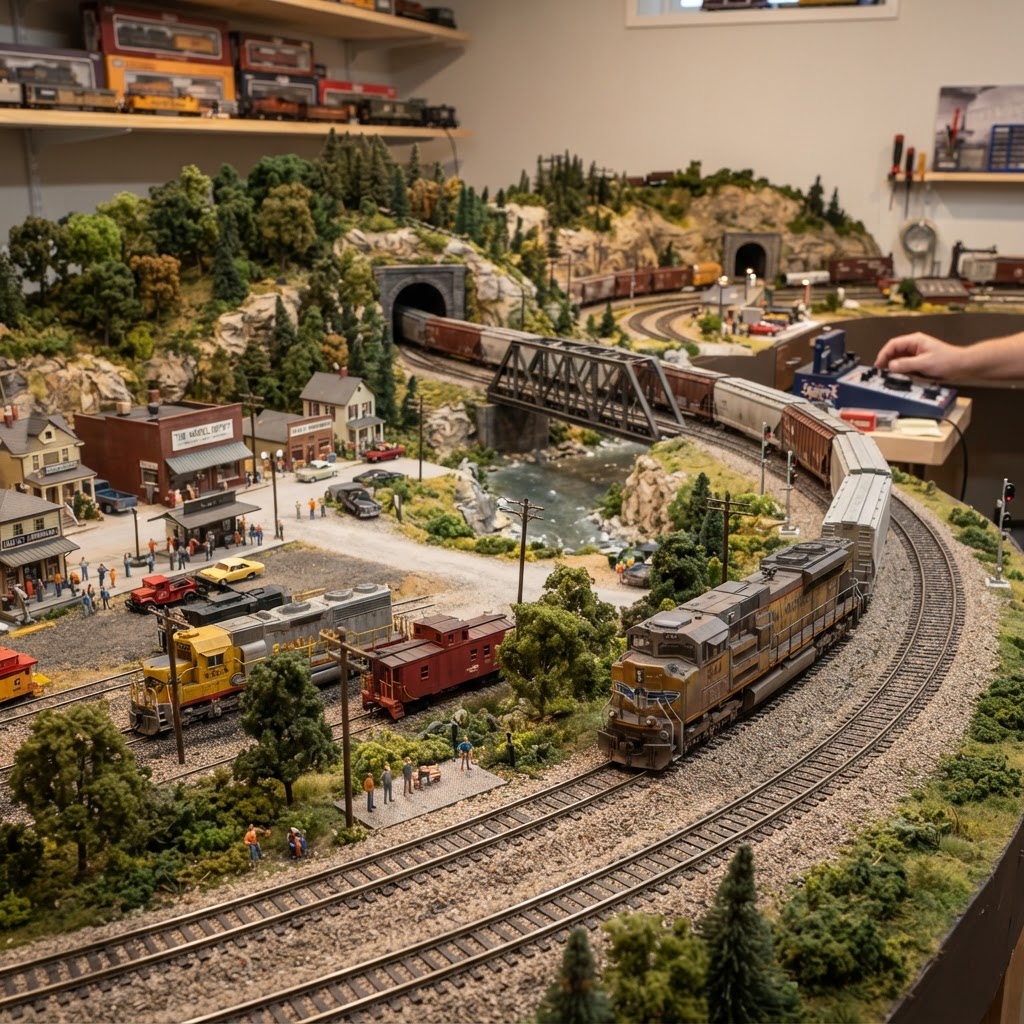
If you've spent any time researching model railroading, you've likely come across the term DCC — Digital Command Control. It's the technology that transformed home layouts from simple oval tracks with a single train to complex, multi-locomotive operations with realistic sound, lighting, and independent speed control. But with so many options on the market, finding the best DCC system for home layouts can feel overwhelming, especially if you're just making the leap from DC analog control.
Whether you're a seasoned hobbyist upgrading from a basic starter setup or a newcomer ready to invest in a proper digital system from day one, choosing the right DCC system is one of the most important decisions you'll make for your layout. The right system will grow with you, support your favorite locomotive brands, and make operations genuinely enjoyable. The wrong one will leave you frustrated with a steep learning curve and hardware that doesn't fit your needs.
In this guide, we'll break down five of the best DCC systems available for home model railroads, covering everything from budget-friendly entry-level options to feature-rich command stations for serious operators. We'll also walk through what to look for before you buy, so you can make a confident, informed choice. If you're still on the fence about whether DCC is right for you at all, check out our deep-dive comparison on DCC vs DC Power: A Complete Guide to Choosing the Best Control System before reading on.
What to Look for in a DCC System
Before jumping into specific products, it's worth understanding the core features that separate a good DCC system from a great one.
Command Station Power Output
Every DCC system has a command station — the brain of the operation — and a booster that delivers power to the track. For small home layouts with a few locomotives, a 3–5 amp system is typically sufficient. Larger layouts with multiple trains running simultaneously may need 5 amps or more, or the ability to add external boosters.
Throttle Usability
The throttle is what you hold in your hand to control your trains. Some systems use traditional handheld throttles with knobs and buttons, while others offer touchscreen interfaces or smartphone app integration. Think about what feels intuitive to you and how many throttles you'll eventually need.
Decoder Compatibility
A quality DCC system should work with NMRA-compliant decoders, which is the industry standard. Most modern locomotives from top brands are either DCC-ready or DCC-equipped out of the box. If you're running high-end steam locomotives, be sure to check out The Best Train Brands for Authentic Steam Locomotives: A Collector's Guide to ensure compatibility.
Expandability
Your layout will grow. A system that supports multiple throttles, computer interface connections, and additional boosters gives you room to expand without starting over.
Budget
DCC systems range from around $100 for entry-level setups to well over $500 for professional-grade systems. Know your budget, but also think long-term — spending a little more upfront often saves money down the road.
The 5 Best DCC Systems for Home Model Railroads
1. Digitrax Zephyr Xtra (DCS52) — Best for Beginners
The Digitrax Zephyr Xtra is consistently one of the top recommendations for hobbyists entering the world of DCC. It's compact, affordable, and surprisingly capable for a starter system.
Key Features:
- 2.5 amp output — suitable for small to medium home layouts
- Built-in throttle with easy-to-read display
- LocoNet connectivity for expandability
- Can run up to 10 locomotives simultaneously
- Compatible with Digitrax's extensive accessory ecosystem
The Zephyr Xtra is a great starting point because it doesn't overwhelm you with features, but it doesn't box you in either. When you're ready to expand, you can add additional throttles, boosters, or even connect it to JMRI software for computer-based operations. It's a system you can grow into rather than grow out of.
Best for: New DCC users, HO and N scale home layouts, budget-conscious hobbyists
Price range: $130–$160
2. NCE Power Cab — Best All-in-One Starter System
The NCE Power Cab is another excellent entry-level choice, beloved for its intuitive throttle design and clean user interface. Unlike some systems that require separate components, the Power Cab is an all-in-one unit — the throttle, command station, and booster are integrated into one handheld device.
Key Features:
- 1.65 amp output (upgradeable with the SB5 booster to 5 amps)
- Simple, menu-driven interface great for beginners
- Supports programming on the main track (POM)
- Compatible with NCE's full system lineup for future upgrades
- Excellent customer support and active user community
The Power Cab's biggest strength is its ease of use. The menu structure is logical, and most operators can get a locomotive running within minutes of unboxing. When you outgrow the Power Cab's power output, the upgrade path to the NCE Pro Cab system is seamless — you keep the throttles and just swap the command station.
Best for: Beginners, small apartment or bedroom layouts, HO and N scale
Price range: $120–$150
If you're just getting started with the hobby and haven't yet settled on a scale, our comparison of HO Scale vs N Scale: Which Is Better for Your Model Railroad Layout? is a great resource before you invest in any system.
3. Digitrax Super Empire Builder (SEB) — Best Mid-Range System
For hobbyists who are past the beginner stage and want a system with more power and flexibility, the Digitrax Super Empire Builder is a strong mid-range contender.
Key Features:
- 5 amp command station/booster
- Includes two UT4 throttles with radio capability option
- LocoNet bus for adding up to 10 additional throttles
- Supports advanced consisting, sound decoders, and accessory decoders
- Compatible with JMRI and other third-party software
The jump to 5 amps makes a noticeable difference on layouts with multiple trains running, especially if you're using sound decoders, which draw slightly more power. The SEB also ships with two throttles, making it easier to run operating sessions with a friend right out of the box.
Best for: Intermediate operators, medium to large home layouts, multi-operator sessions
Price range: $280–$330
4. NCE DCC Pro Cab (PH-Pro) — Best for Serious Hobbyists
The NCE PH-Pro system is what many experienced model railroaders consider the gold standard for home layouts. It offers professional-grade features without the complexity of commercial-scale systems.
Key Features:
- 5 amp output, expandable with additional boosters
- Cab Bus supports up to 63 throttles
- Intuitive Pro Cab throttle with large display
- Full-featured programming track
- Outstanding decoder support and compatibility
What sets the NCE Pro system apart is the combination of raw performance and operator-friendly design. The throttle ergonomics are excellent, and the system's reliability is frequently praised by layout operators who run long operating sessions. If you're building a serious home layout featuring detailed passenger cars or authentic steam locomotives, this system won't let you down. Speaking of which, you might find our guide to The Best Passenger Car Brands for Model Trains: A Comprehensive Guide useful when planning your fleet.
Best for: Experienced operators, large home layouts, club-style operations
Price range: $350–$430
5. Hornby Elite — Best for UK and European Prototype Modelers
For hobbyists modeling British or European railways, the Hornby Elite is a standout choice. While less commonly discussed in North American forums, it's a capable and well-designed system with strong compatibility for OO and HO scale European equipment.
Key Features:
- 4 amp output
- Full-color LCD display
- Compatible with NMRA and RCN decoder standards
- Two-throttle operation straight out of the box
- USB connectivity for PC interface
The Hornby Elite's interface is polished and relatively approachable, and Hornby's customer service is well-regarded in the UK market. It may lack the deep ecosystem of Digitrax or NCE, but for European prototype modelers it's a natural and well-supported fit.
Best for: OO and HO scale European prototype layouts, UK-based hobbyists
Price range: $200–$260
Tips for Getting the Most Out of Your DCC System
Choosing your system is just the beginning. Here are a few practical tips to help you get up and running smoothly:
Start with Quality Decoders
Your DCC system is only as good as the decoders installed in your locomotives. Stick with reputable brands like Soundtraxx, Digitrax, ESU LokSound, or TCS. Quality decoders respond better to throttle commands and offer more realistic sound and lighting features.
Keep Your Track Clean
DCC systems are more sensitive to dirty track than old DC analog setups. Invest in a good track cleaning car and cleaning solution. You'll find some great options on our recommended products page.
Use JMRI for Advanced Operations
Java Model Railroad Interface (JMRI) is free software that works with most major DCC systems. It allows you to program decoders on your computer, set up automated train operations, and even control your layout from a smartphone or tablet.
Don't Skip the Programming Track
Always use a dedicated programming track when setting decoder addresses and adjusting CVs (Configuration Variables). Programming on the main track can sometimes cause unintended changes to other decoders.
Have the Right Tools
Setting up DCC properly requires a few basic tools — a multimeter for checking track voltage, a programming track isolator, and small screwdrivers for decoder installation. Check out our guide to 10 Best Model Train Tools Every Beginner Needs for Their Layout for a complete list.
Frequently Asked Questions
What is the best DCC system for a beginner with a small home layout?
For most beginners, the NCE Power Cab or the Digitrax Zephyr Xtra are the top choices. Both are affordable, easy to learn, and offer a clear upgrade path as your layout grows. The NCE Power Cab is slightly more intuitive for absolute beginners, while the Zephyr Xtra offers a bit more built-in expandability through LocoNet.
Can I use any DCC system with any locomotive?
As long as your locomotive has an NMRA-compliant DCC decoder installed, it should work with any DCC system. Most modern locomotives from reputable brands are either DCC-ready (decoder socket installed, just needs a decoder) or DCC-equipped (decoder already installed). Always check the product specs before purchasing.
Do I need a computer to use a DCC system?
No — all of the systems on this list can be operated completely without a computer. However, connecting to JMRI software unlocks advanced features like decoder programming via a computer interface, automated operations, and smartphone throttle apps. It's optional but highly recommended as you advance.
How many locomotives can a DCC system run at once?
It depends on the system's power output and the number of throttles available. Most home layout DCC systems can address up to 9,999 locomotives, though realistically the number you can run simultaneously is limited by amp capacity. A 5 amp system can typically handle 5–8 average HO scale locomotives running at once.
Is DCC worth it for a small, simple layout?
Absolutely — even for a small layout, DCC offers benefits like independent locomotive control, sound, and realistic lighting that DC simply can't match. If you're new to the hobby and still exploring options, our article on 10 Best Beginner Model Train Sets for Starting Your Hobby Today can help you decide whether to start DCC-ready from day one.
Conclusion
Finding the best DCC system for home layouts really comes down to where you are in the hobby and where you want to go. Beginners will be well-served by the NCE Power Cab or Digitrax Zephyr Xtra, while intermediate and advanced operators will appreciate the power and flexibility of the NCE PH-Pro or Digitrax Super Empire Builder. Whatever you choose, investing in a quality DCC system is one of the single biggest upgrades you can make to your model railroad experience.
If you're still building out your layout and looking for inspiration, browse our full collection of guides — from The 5 Best Model Train Brands for Serious Collectors to beginner-friendly overviews like 5 Best Beginner Model Train Brands to Start Your Hobby Today. There's always more to explore at Model Train Insider.
Affiliate Disclosure: Some links in this article are affiliate links. We may earn a commission at no extra cost to you.
Enjoying this guide?
Browse our favorite recommended products.
James Mitchell
Model Train Enthusiast & Writer
James has been building layouts and collecting trains for over 15 years. He started Model Train Insider to help newcomers navigate the hobby with practical, no-nonsense advice drawn from hands-on experience.
Stay on Track
Get beginner guides, brand reviews, and layout tips delivered to your inbox. No spam—just trains.
Free forever. Unsubscribe anytime.
Related Articles
Best Power Supplies for Model Trains: Top 2024 Reviews and Buying Guide
Discover the best power supplies for model trains. Our expert guide reviews top-rated transformers and power packs to ensure smooth performance on your layout.
Read more
Best DCC Controller for Budget: Top Picks for Every Model Railroader
Looking for the best DCC controller for your budget? Discover our top picks to control your model trains without overspending. Upgrade your layout today.
Read more
The Best Tools for Model Trains: A Pro Guide for Every Railroader
Discover the essential equipment every model railroader needs. From precision cutters to weathering kits, master your hobby with our guide to the best tools.
Read more