Best Freight Cars for Model Trains: Top Recommendations for Every Scale
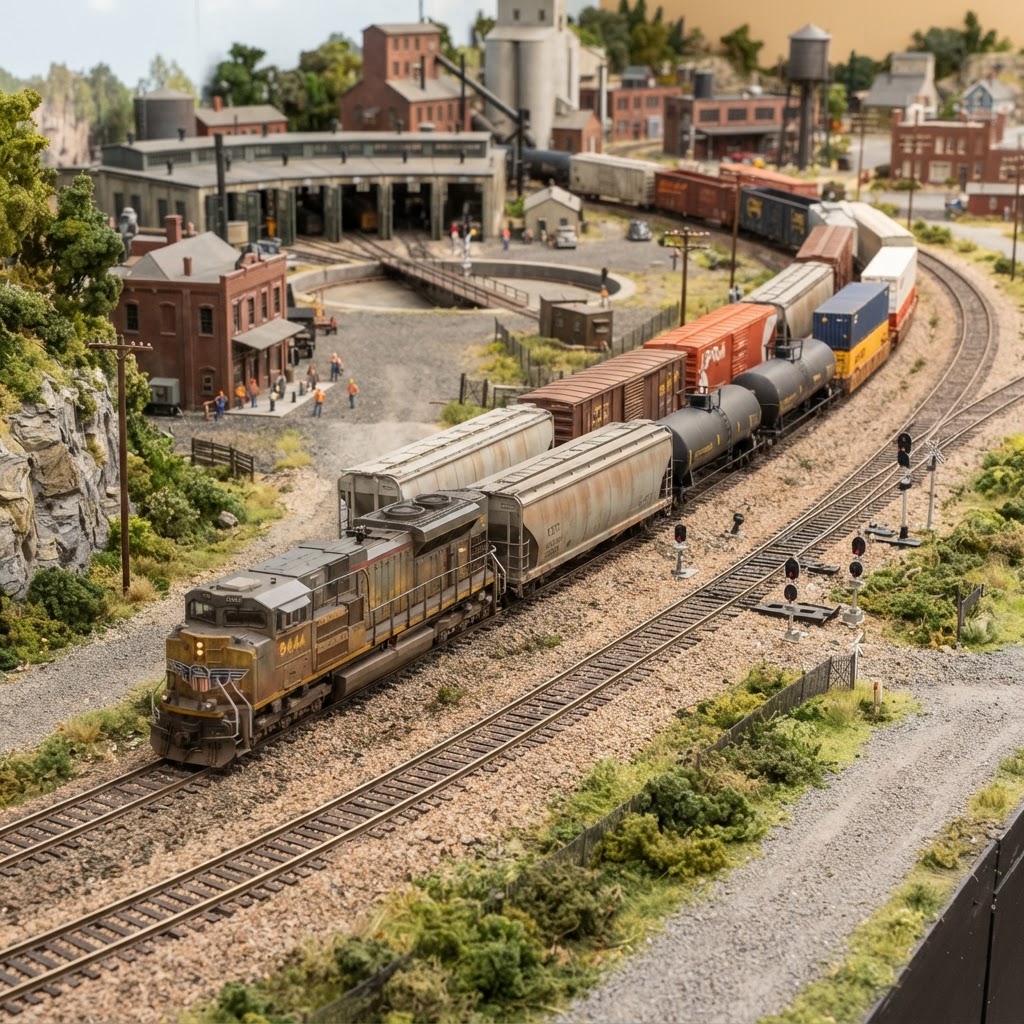
Choosing the best freight cars for model trains is one of the most exciting parts of building a realistic and immersive layout. Whether you're recreating a mid-century American railroad scene or modeling a modern intermodal operation, the freight cars rolling behind your locomotive tell the story of your railroad. With dozens of manufacturers, scales, and car types on the market, finding the right options can feel overwhelming — especially for hobbyists who are just getting started.
Freight cars are more than just filler behind your engine. They add visual depth, historical authenticity, and operational interest to any layout. A well-chosen mix of boxcars, gondolas, tank cars, and flatcars can transform a simple oval of track into a believable working railroad. For seasoned modelers and newcomers alike, understanding which cars offer the best quality, detail, and value is essential to making smart purchasing decisions.
In this guide, we'll walk you through the top freight car types, the best brands to consider, and practical tips for curating a realistic and visually appealing roster. From budget-friendly starter options to highly detailed collector-grade models, this article covers everything you need to know about selecting the best freight cars for model trains at every skill and budget level.
Why Freight Cars Matter for Your Layout
Before diving into specific recommendations, it's worth understanding why freight cars play such a critical role in model railroading. Locomotives often get all the attention — and for good reason (check out our guide on Diesel vs Steam Locomotives if you're still deciding on motive power). But freight cars are what give your railroad its purpose and personality.
Historically accurate freight cars help ground your layout in a specific era and region. A 1950s Southern Pacific layout looks very different from a 1990s BNSF operation, and the freight cars you choose are one of the biggest visual signals of that difference. Beyond aesthetics, freight cars also create operating interest — switching puzzles, industry spotting, and car forwarding systems all depend on having a diverse and well-organized freight car fleet.
Understanding Freight Car Types
Boxcars
Boxcars are the quintessential freight car and a staple of virtually every era of American railroading. They were used to haul everything from manufactured goods to grain, making them incredibly versatile for any layout theme. Modern boxcars typically feature plug doors and are longer than their older counterparts, while older 40-foot boxcars evoke the classic steam and early diesel eras.
Top picks:
- Athearn Genesis 50' Boxcar — Exceptional detail, smooth rolling, and available in a wide range of road names
- Intermountain Railway 40' Boxcar — Superb accuracy for steam-era layouts
- Walthers Mainline 60' Boxcar — Great value with solid detail for modern layouts
Gondolas
Gondolas are open-top cars used to haul bulk materials like coal, scrap metal, and aggregate. They're a great addition to any layout because they're easy to load with realistic cargo details and add industrial character. Standard gondolas, mill gondolas, and coil cars each serve distinct modeling purposes.
Top picks:
- Athearn Blue Box Gondola — An affordable classic that holds up well for general layout use
- ExactRail Platinum Series Gondola — Superb fine detail for display and operating layouts
- Walthers Proto 52' Mill Gondola — Excellent for steel industry scenes
Tank Cars
Tank cars are visually distinctive and add great variety to your freight roster. They were used to haul petroleum, chemicals, food-grade liquids, and more. Single-dome and triple-dome tank cars each have their own historical context, so choosing the right one depends on your era and region.
Top picks:
- Tangent Scale Models 8,000-Gallon Tank Car — Industry-leading detail and prototype accuracy
- Intermountain Railway 8,000-Gallon Single-Dome Tank Car — Finely detailed and widely available
- Athearn Genesis 17,360-Gallon Tank Car — Great for modern era chemical and petroleum operations
Flatcars and Centerbeam Flatcars
Flatcars are incredibly versatile and can be loaded with virtually any kind of cargo — machinery, military equipment, lumber, and pipe. Centerbeam flatcars, a more modern variant, are ideal for modeling lumber and building materials industries.
Top picks:
- Walthers Mainline 60' Bulkhead Flatcar — Solid detailing and excellent value
- Athearn Genesis 61' Centerbeam Flatcar — Realistic and commonly seen in modern operations
- Micro-Trains 40' Flatcar — Ideal for N scale modelers seeking compact realism
Covered Hoppers
Covered hoppers are some of the most common cars seen on modern railroads and are essential for anyone modeling post-1970s operations. They haul grain, plastic pellets, cement, and other dry bulk commodities.
Top picks:
- Athearn Genesis 2-Bay Covered Hopper — Beautifully detailed and widely available
- Intermountain Railway 3-Bay Covered Hopper — Great prototype accuracy for grain operations
- ScaleTrains Operator Series Covered Hopper — A fantastic blend of detail and affordability
Best Brands for Freight Cars
Choosing a reputable manufacturer is just as important as selecting the right car type. Here's a quick breakdown of the top brands producing high-quality freight cars today.
Athearn
Athearn has been a cornerstone of the model railroad hobby for decades. Their Genesis line offers collector-grade detail, while the Blue Box and Ready to Roll series provide more budget-friendly options. If you're weighing brand loyalty decisions, our Athearn vs Bachmann comparison is a great resource for understanding where each brand excels.
Walthers
Walthers produces an impressive range of freight cars through their Mainline and Proto series. Their cars strike a strong balance between detail and affordability, making them a go-to choice for modelers looking to build large fleets without breaking the bank.
Intermountain Railway
Known for exceptional prototype accuracy and fine detail, Intermountain Railway is especially popular among steam-era modelers. Their freight cars are frequently praised for crisp lettering and accurate underframe details.
Tangent Scale Models
Tangent is widely regarded as producing some of the most prototypically accurate HO scale freight cars available. Their attention to detail is second to none, though prices reflect that premium quality.
Micro-Trains
For N scale modelers, Micro-Trains is the gold standard. Their freight cars feature excellent detail for the scale and use reliable Magne-Matic couplers that work seamlessly with most N scale equipment.
Tips for Building a Realistic Freight Car Fleet
Follow the Era and Region Rule
One of the most important principles in model railroading is consistency of era and region. Research what types of freight cars actually operated on the prototype railroad you're modeling. A 1940s steam layout should feature older 40-foot boxcars and wooden gondolas, not modern 60-foot autoracks.
Vary Your Car Types and Road Names
Prototype freight trains rarely ran with all the same car type or road name. Mix boxcars, hoppers, flatcars, and gondolas to create visual variety. Including foreign road cars (cars from other railroads passing through) adds realism and operational interest.
Weathering for Realism
Factory-fresh paint and bright lettering can look out of place on a well-worn layout. Light weathering using washes, dry brushing, and powders can dramatically improve the appearance of your fleet. For keeping your cars — and track — running smoothly, check out our guide on best model train cleaning products.
Add Loads and Details
Visible cargo transforms an empty gondola or flatcar into a storytelling piece. Use commercially available loads of coal, gravel, lumber, or machinery, and pair them with model train figurines to bring the loading dock and yard scenes to life.
Don't Neglect the Mechanical Side
Even the most detailed freight car is useless if it derails constantly. Make sure your track is properly laid and switched — read our guide on best model train switches for expert advice. Also ensure your power supply is up to the task of running longer, heavier consists by reviewing our best power supplies for model trains guide.
Scale Considerations
The scale you model in will significantly narrow your options. Here's a quick overview:
- HO Scale (1:87) — The most popular scale with the widest selection of freight cars from virtually every major manufacturer
- N Scale (1:160) — Compact and ideal for large layouts in limited space; Micro-Trains and Atlas lead the market
- O Scale (1:48) — Larger and more display-oriented; Lionel and MTH offer excellent freight car options
- G Scale (1:22.5) — Best for garden railroads; LGB and Aristocraft are reliable choices
If you're new to the hobby and still choosing a scale, our best starter model train sets for adults guide can help you make that foundational decision.
Budget vs. Premium: Finding the Right Balance
You don't need to spend a fortune to build an impressive freight car fleet. Here's a rough guide to what you get at each price tier:
Budget ($10–$25 per car): Athearn Blue Box, Walthers Mainline, Atlas Trainman — suitable for general operation, decent detail, may require some upgrading
Mid-Range ($25–$50 per car): Athearn Genesis, Walthers Proto, Intermountain Railway — excellent detail, accurate lettering, fine wheelsets, great for display and operation
Premium ($50+ per car): Tangent Scale Models, ExactRail Platinum, ScaleTrains Rivet Counter — museum-quality detail, fine casting, prototype-specific variations
Browse our recommended products page for curated picks across all budget levels. And don't forget to explore top model train accessories to complement your freight car fleet.
Frequently Asked Questions
What are the most common freight car types for beginner model railroaders?
Boxcars and covered hoppers are the best starting points. They're versatile, widely available across all scales, and appropriate for virtually any era of American railroading. Starting with a small mixed consist of four to six cars gives you a solid operational foundation.
Which scale has the best selection of freight cars?
HO scale has by far the widest selection, with nearly every major manufacturer offering extensive freight car lines. N scale is a strong second choice for those with space constraints, with Micro-Trains and Atlas providing excellent options.
How many freight cars do I need for a realistic layout?
A good rule of thumb is to have at least two to three cars per industry on your layout, plus additional cars for staging and yard operations. Most modelers aim for a roster of 20–50 cars for a medium-sized layout, though there's no upper limit.
Should I weather my freight cars?
Weathering is highly recommended for a realistic appearance. Even light weathering — a wash of diluted brown or black paint — can make factory-finished cars look significantly more believable. Many premium manufacturers like Tangent also offer pre-weathered versions of their cars.
What's the difference between ready-to-run and kit freight cars?
Ready-to-run (RTR) cars come fully assembled and are ideal for beginners or modelers who want to expand their fleet quickly. Kit cars require assembly and sometimes painting, but offer a more hands-on experience and are often available in a wider range of prototype variations.
Conclusion
Building a well-rounded freight car fleet is one of the most rewarding aspects of the model railroad hobby. Whether you're drawn to the rugged simplicity of a steam-era boxcar or the sleek lines of a modern intermodal container, the choices available today are more impressive than ever. By focusing on era consistency, visual variety, prototype accuracy, and mechanical reliability, you can create a freight operation that looks great and runs even better.
Take your time building your fleet, mix budget and premium options strategically, and don't underestimate the storytelling power of a well-loaded flatcar or a weathered old gondola sitting in the yard. The best freight cars for model trains are ultimately the ones that fit your vision, your layout, and your passion for the hobby.
Ready to keep exploring? Browse our full library of guides — from wiring your layout to adding realistic smoke effects — to take your railroad to the next level.
Affiliate Disclosure: Some links in this article are affiliate links. We may earn a commission at no extra cost to you.
Enjoying this guide?
Browse our favorite recommended products.
James Mitchell
Model Train Enthusiast & Writer
James has been building layouts and collecting trains for over 15 years. He started Model Train Insider to help newcomers navigate the hobby with practical, no-nonsense advice drawn from hands-on experience.
Stay on Track
Get beginner guides, brand reviews, and layout tips delivered to your inbox. No spam—just trains.
Free forever. Unsubscribe anytime.
Related Articles
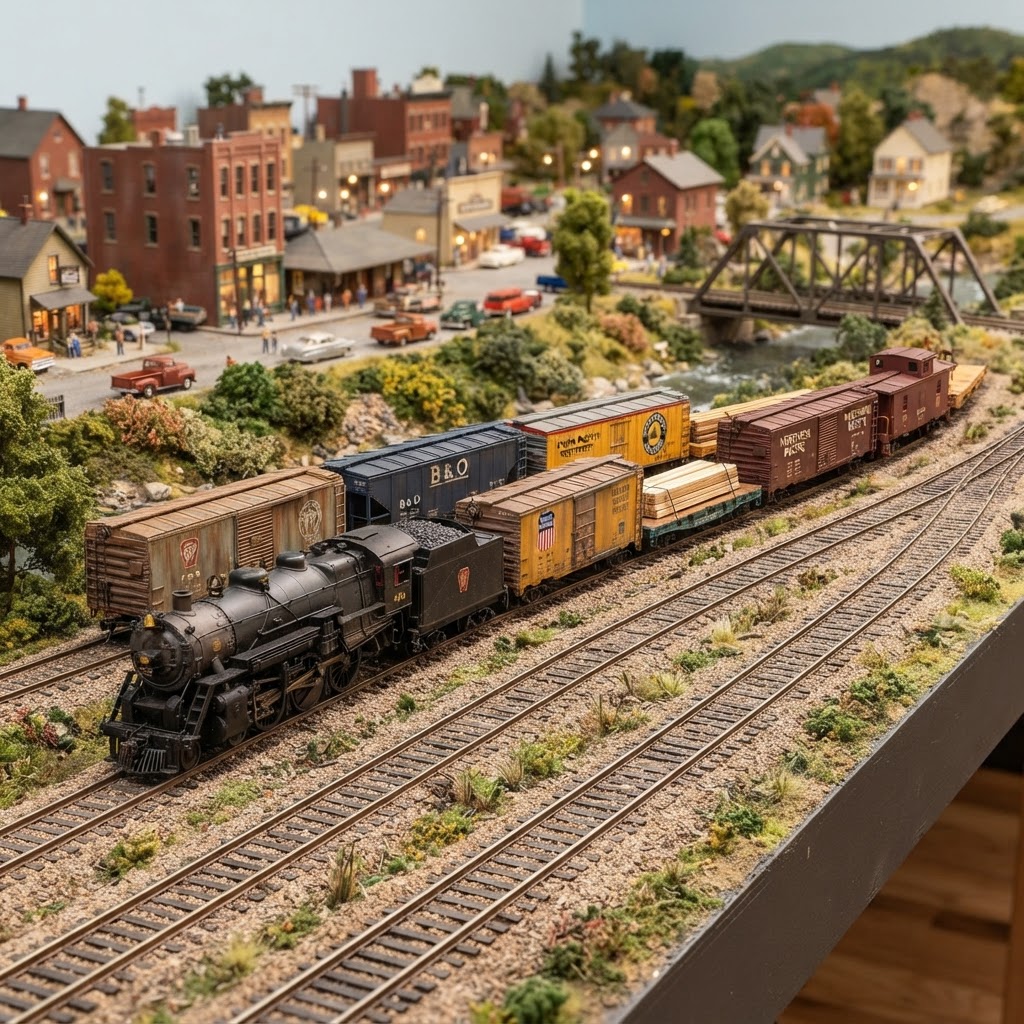
Best Rolling Stock for Model Trains: The Ultimate Collector's Buying Guide
Looking for the best rolling stock for model trains? Our expert guide covers top brands, compatibility tips, and quality standards to enhance your layout.
Read more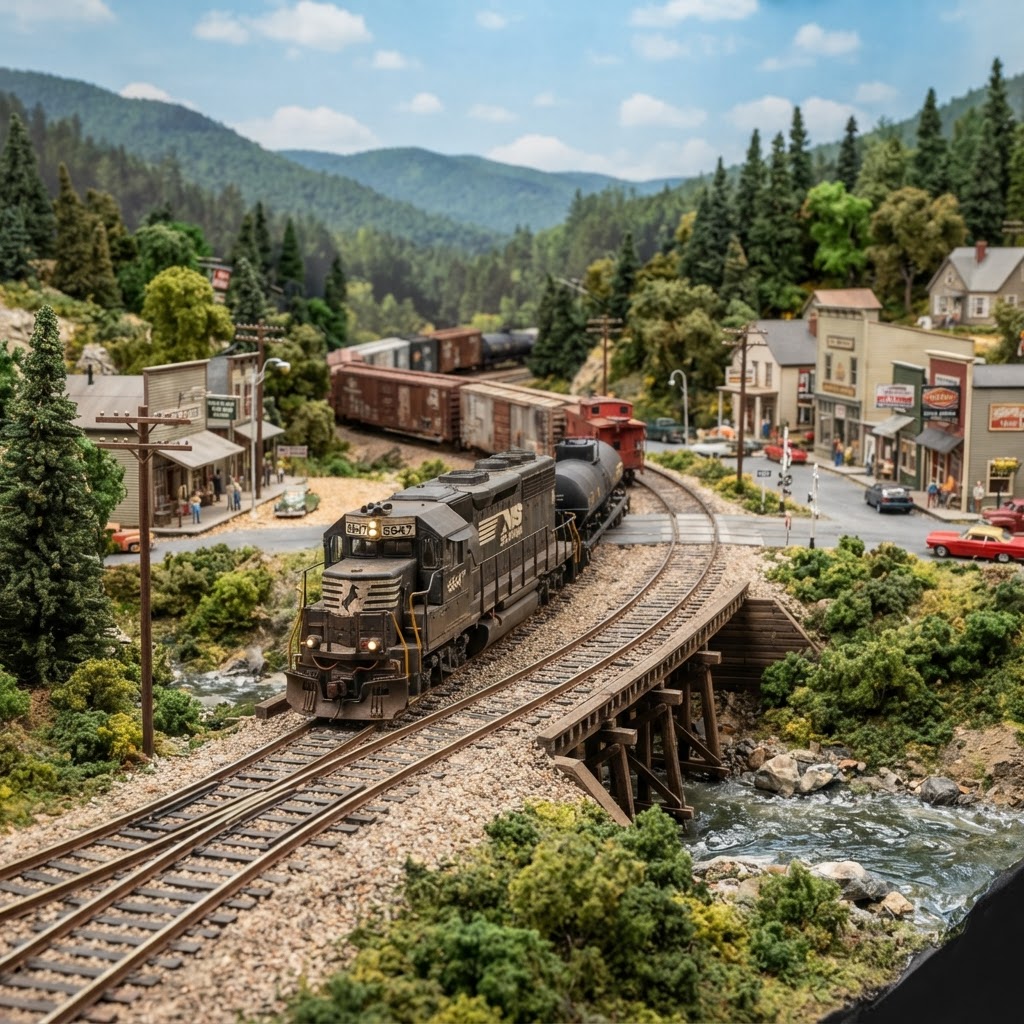
Model Train Product Reviews: The Ultimate Buyer's Guide to Quality Gear
Don't waste money on subpar equipment. Learn how to navigate model train product reviews and choose the best gear for your layout with our expert tips.
Read more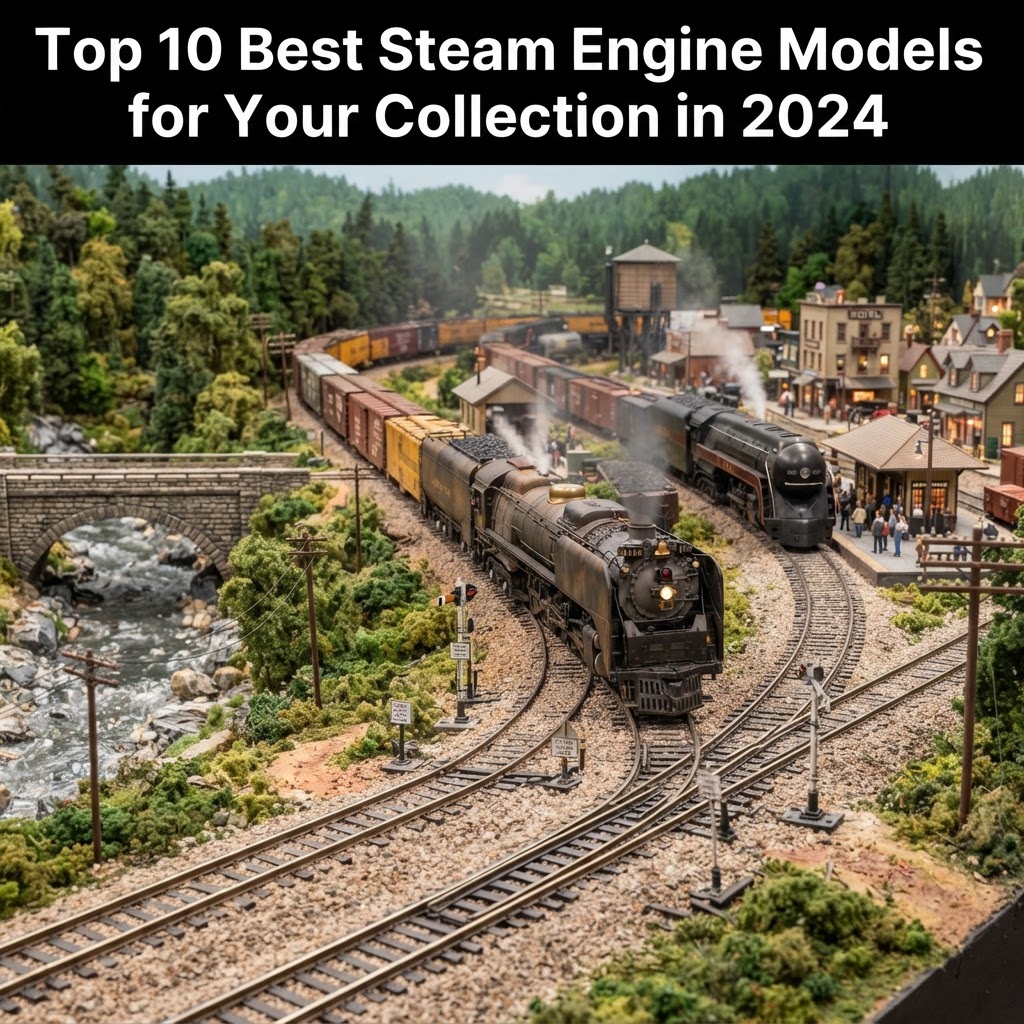
Top 10 Best Steam Engine Models for Your Collection in 2024
Discover the best steam engine models for your collection. From classic locomotives to intricate details, find the perfect addition for your model railway.
Read more