Model Train Product Reviews: The Ultimate Buyer's Guide to Quality Gear
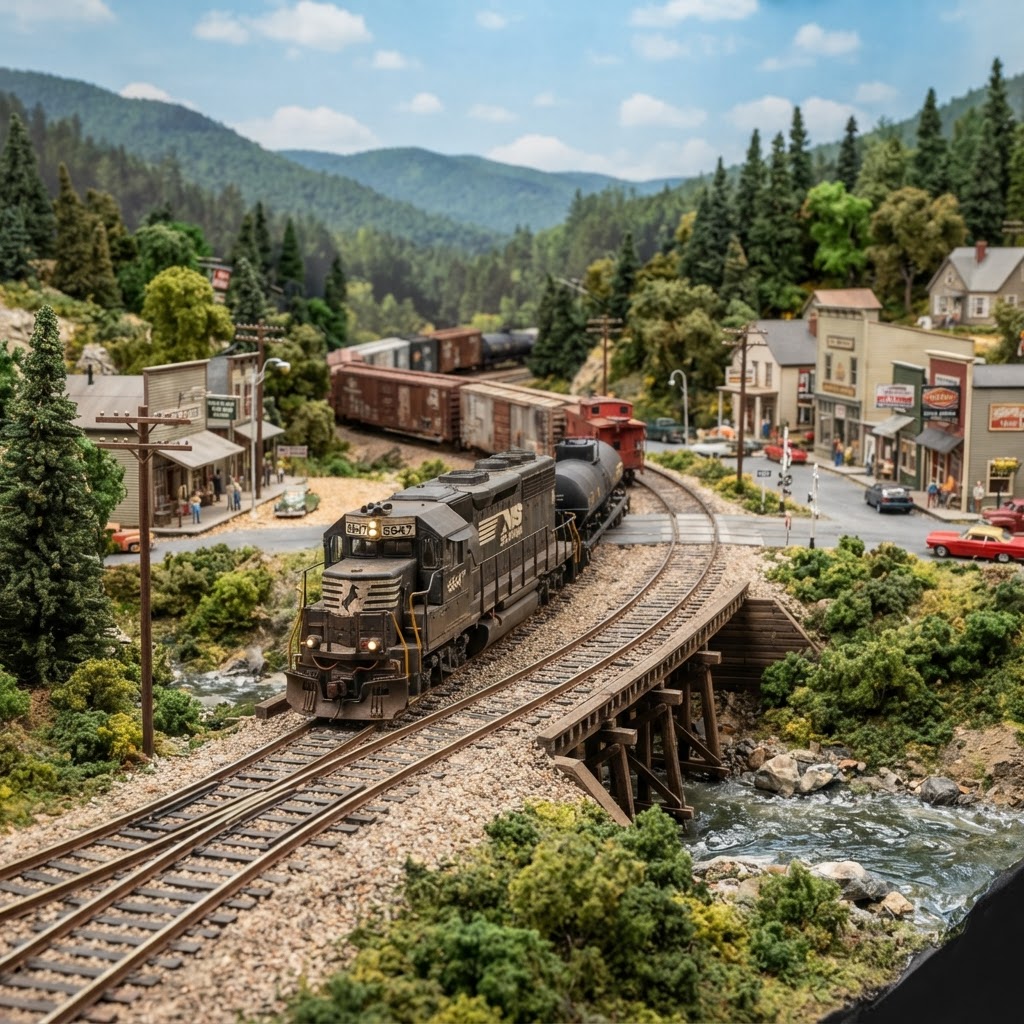
Stepping into the world of model railroading is one of the most rewarding hobbies you can pursue — but it can also be an expensive one. Whether you're a seasoned layout builder or a newcomer just getting started, making smart purchasing decisions depends heavily on finding trustworthy model train product reviews. With hundreds of manufacturers, scales, and product categories flooding the market, knowing how to evaluate a review — and what to look for in the products themselves — can save you significant time, money, and frustration.
The challenge is that not all reviews are created equal. Some are little more than repackaged marketing copy, while others dive deep into real-world performance, durability, and value. Learning to distinguish between the two is a skill every serious hobbyist should develop. Good model train product reviews will tell you not just what a product does, but how it performs under actual layout conditions, how it compares to competing products, and whether it's worth the price tag attached to it.
In this guide, we'll walk you through everything you need to know before you buy — from understanding which review sources to trust, to the specific performance criteria that matter most across locomotives, rolling stock, accessories, and scenery. By the end, you'll have a clear framework for evaluating any product you're considering adding to your layout.
Why Model Train Product Reviews Matter More Than You Think
The model railroad hobby spans an enormous range of price points. A basic starter locomotive might cost $50, while a high-end DCC-equipped brass model can run well into the thousands. At every level, the wrong purchase can derail your enthusiasm just as quickly as it empties your wallet.
Manufacturers produce compelling promotional materials, but those rarely give you the full picture. Reviews from actual hobbyists and experienced journalists fill in the gaps — revealing issues like poor paint adhesion, unreliable couplers, inconsistent motor performance, or plastic construction where die-cast metal was expected.
Beyond individual products, reviews also help you understand brand ecosystems. For example, if you're trying to decide between two major manufacturers, reading comparative analysis — like our in-depth look at Lionel vs MTH: A Comprehensive Guide to Choosing the Perfect Model Train Brand — gives you context that no single product page can offer.
Where to Find Reliable Model Train Product Reviews
Hobby Magazines and Established Publications
Print and digital hobby magazines remain among the most trustworthy sources for model train product reviews. Publications dedicated to model railroading employ experienced hobbyists who test products rigorously and have editorial standards that prevent advertiser bias from skewing results.
If you're not already subscribing to any hobby publications, our roundup of 7 Top Model Railway Magazines to Elevate Your Hobbyist Skills is a great place to start building your reading list. These magazines frequently feature product reviews with detailed photography, performance metrics, and side-by-side comparisons.
Online Forums and Community Groups
Model railroad forums like those found on TrainBoard, The Gauge, and various Facebook groups are invaluable for real-world feedback. When a product has been in hobbyists' hands for months or years, forum threads accumulate honest, detailed assessments that you simply won't find anywhere else.
That said, forum reviews come with caveats. Individual experiences can be outliers, and confirmation bias is real — people who have positive experiences are often more motivated to post than those with average ones. Look for threads with multiple contributors and try to identify consensus opinions rather than relying on a single post.
YouTube Reviews and Video Demonstrations
Video reviews have exploded in popularity for good reason — seeing a locomotive run on actual track, watching a reviewer handle the build quality, or observing the smoke unit in action provides information that text and photos can't fully convey. Look for channels with consistent, long-form content and reviewers who acknowledge product flaws alongside strengths.
Dedicated Hobby Websites
Websites like Model Train Insider publish editorial reviews designed to help hobbyists make informed decisions. When evaluating any review site, check whether they disclose affiliate relationships, cite their testing methodology, and cover a wide range of products rather than only those from certain brands.
Key Criteria to Evaluate in Any Model Train Review
Locomotive Performance
For most hobbyists, locomotives are the most important — and most expensive — purchases they'll make. A thorough review should address several performance factors:
Motor Quality and Smooth Operation: Does the locomotive run smoothly at both low and high speeds? Inconsistent performance at slow speeds is one of the most common complaints in the hobby and often indicates lower-quality motor or gearing.
Sound Systems: Modern locomotives often include onboard sound systems that replicate prototype engines. Reviews should comment on the quality and accuracy of these sounds, whether the system is DCC-compatible, and how well volume controls function.
DCC and Command Control Compatibility: If you run a DCC layout, compatibility is non-negotiable. Good reviews will specify which decoders are installed, whether the locomotive is DCC-ready or DCC-equipped, and how it performs on popular command control systems.
Prototype Accuracy: Serious hobbyists care deeply about how accurately a model represents the real locomotive it's based on. Reviewers with strong prototype knowledge will note any deviations from the real thing — from paint schemes to cab details.
If you're weighing options between popular brands, our comparison of Athearn vs Bachmann: Which Model Train Brand Is Best for Your Layout? covers the key performance differences you need to know.
Rolling Stock Quality
Freight and passenger cars may seem simpler than locomotives, but quality varies widely across manufacturers and price points. When reading reviews of rolling stock, pay attention to:
- Coupler performance: Do the couplers operate reliably and work with industry-standard systems like Kadee?
- Wheel quality: Are the wheels properly gauged and do they roll freely?
- Detail level: How well does the car replicate prototype details like grab irons, brake wheels, and lettering?
- Weight: Properly weighted cars track better and are less prone to derailment.
For scale-specific recommendations, our guide to Best Freight Cars for Model Trains: Top Recommendations for Every Scale is an excellent companion resource.
Track and Switches
Track quality directly affects everything else on your layout. Reviews of track systems should address rail height consistency, tie material and spacing, joiners that maintain reliable electrical contact, and long-term durability. For switches in particular — which are among the most failure-prone components on any layout — detailed reviews are essential.
Our expert analysis of Best Model Train Switches: Expert Reviews and Top Brands for 2024 goes deep on what separates reliable switches from problematic ones.
Accessories and Scenery Products
Accessories like buildings, figures, lighting, and scenery materials are often impulse purchases, but they benefit from review scrutiny just as much as locomotives. Consider:
- Scale accuracy: Does the product match the scale of your layout?
- Paint and finish quality: Is the detail work crisp, or does paint obscure fine features?
- Material durability: Will plastic components hold up over time, particularly if the layout is in a room with temperature fluctuations?
For specific categories, check our guides on 10 Best Model Train Figurines to Bring Your Layout to Life and Top 10 Essential Model Train Accessories for Your Layout.
Red Flags to Watch for in Product Reviews
Not every review deserves your trust. Here are warning signs that a review may not give you an accurate picture:
No mention of flaws: Every product has limitations. A review that reads like a press release, with zero criticism, is likely not independent.
Vague performance descriptions: Phrases like "runs great" or "looks amazing" without specific detail suggest the reviewer hasn't spent meaningful time with the product.
No comparison context: The best reviews situate a product within the competitive landscape. If a review never mentions how a product stacks up against alternatives, you're missing crucial information.
Missing disclosure of sponsorship or affiliate relationships: This doesn't automatically disqualify a review, but the absence of disclosure when affiliate links are present is a transparency concern.
Specialty Product Categories Worth Extra Research
Smoke Units
If realistic effects are important to your layout, smoke units deserve careful evaluation before purchase. Performance varies significantly between products, and installation complexity ranges from plug-and-play to requiring professional help. Our comprehensive breakdown of Best Smoke Units for Model Trains: A Comprehensive Guide to Realistic Effects covers everything from fluid types to maintenance requirements.
Cleaning Products
Track and wheel cleaning is one of the most underappreciated aspects of model railroading, and using the wrong products can damage your investment. Before purchasing any cleaning solution or tool, consult dedicated reviews like our Top 7 Best Model Train Cleaning Products for Peak Performance.
Locomotive Type Considerations
Before investing heavily in a particular type of locomotive, understanding the fundamental differences between steam and diesel models will shape your buying decisions. Our guide to Diesel vs Steam Locomotives: A Guide to Choosing Your Model Train is essential reading for anyone building out their roster.
How to Use Reviews as Part of a Broader Buying Strategy
Reading reviews is just one step in a smart purchasing process. Here's how to integrate review research into a broader strategy:
-
Define your needs first. Know your scale, era, and prototype region before shopping. This filters out irrelevant reviews immediately.
-
Cross-reference multiple sources. Don't rely on a single review. Find at least three independent sources before making a significant purchase.
-
Check the review date. Model railroad manufacturers update tooling and production quality over time. A review from 2015 may not reflect the current production run.
-
Factor in long-term support. Reviews sometimes touch on manufacturer customer service and parts availability. A product that breaks down with no support path is a poor investment regardless of initial quality.
-
Browse curated recommendations. For products that have already been vetted by experienced hobbyists, our recommended products page is a helpful starting point.
Frequently Asked Questions
How do I know if a model train product review is trustworthy?
Look for reviews that include specific performance observations, acknowledge both strengths and weaknesses, disclose any affiliate or sponsorship relationships, and come from sources with a track record in the hobby. Forum threads with multiple contributors are often more reliable than single-author blog posts for real-world performance data.
Are expensive model trains always better quality?
Not necessarily, though price generally correlates with detail level, motor quality, and sound system sophistication. Some mid-range manufacturers offer exceptional value, while some premium-priced imports have quality control issues. Reading reviews before purchase is essential at every price point.
What scale should I focus on when reading product reviews?
Always filter reviews by your specific scale. Performance characteristics, compatibility, and value assessments can differ dramatically between HO, N, O, and other scales. A product praised in HO scale reviews may have no equivalent at all in N scale, or vice versa.
How often do model train products change between production runs?
This varies by manufacturer, but changes in tooling, paint quality, and included features between runs are common. Always check the production run year of the review and compare it to the current production run before assuming the review applies to what you're buying.
Where can I find community-based model train product reviews?
Online forums like TrainBoard and The Gauge are excellent community sources. YouTube channels dedicated to model railroading, as well as Facebook groups organized by scale or manufacturer, also generate substantial community review content. Hobby club newsletters are another underutilized source of honest, long-term assessments.
Conclusion
Navigating the world of model railroading purchases doesn't have to be overwhelming. With a solid understanding of what makes a review credible, which performance criteria matter most for each product category, and how to identify red flags, you're well-equipped to make buying decisions you'll be happy with for years to come. The time you invest in reading and evaluating model train product reviews before purchase is always time well spent — it protects your budget and helps you build a layout that performs and looks exactly the way you envision.
Ready to keep learning? Explore our full library of guides, comparisons, and expert recommendations here on Model Train Insider. From locomotive brand deep-dives to accessory roundups, we're here to help you get the most out of every aspect of the hobby.
Affiliate Disclosure: Some links in this article are affiliate links. We may earn a commission at no extra cost to you.
Enjoying this guide?
Browse our favorite recommended products.
James Mitchell
Model Train Enthusiast & Writer
James has been building layouts and collecting trains for over 15 years. He started Model Train Insider to help newcomers navigate the hobby with practical, no-nonsense advice drawn from hands-on experience.
Stay on Track
Get beginner guides, brand reviews, and layout tips delivered to your inbox. No spam—just trains.
Free forever. Unsubscribe anytime.
Related Articles
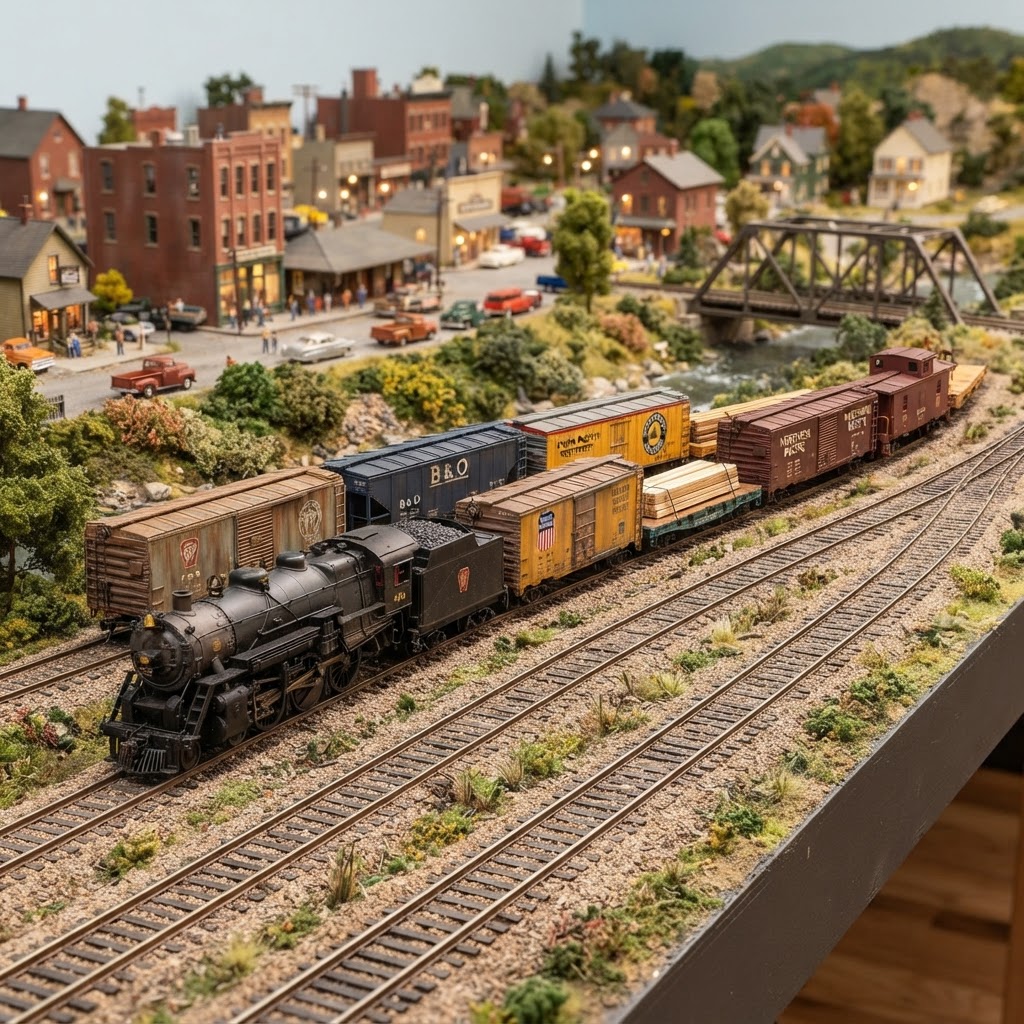
Best Rolling Stock for Model Trains: The Ultimate Collector's Buying Guide
Looking for the best rolling stock for model trains? Our expert guide covers top brands, compatibility tips, and quality standards to enhance your layout.
Read more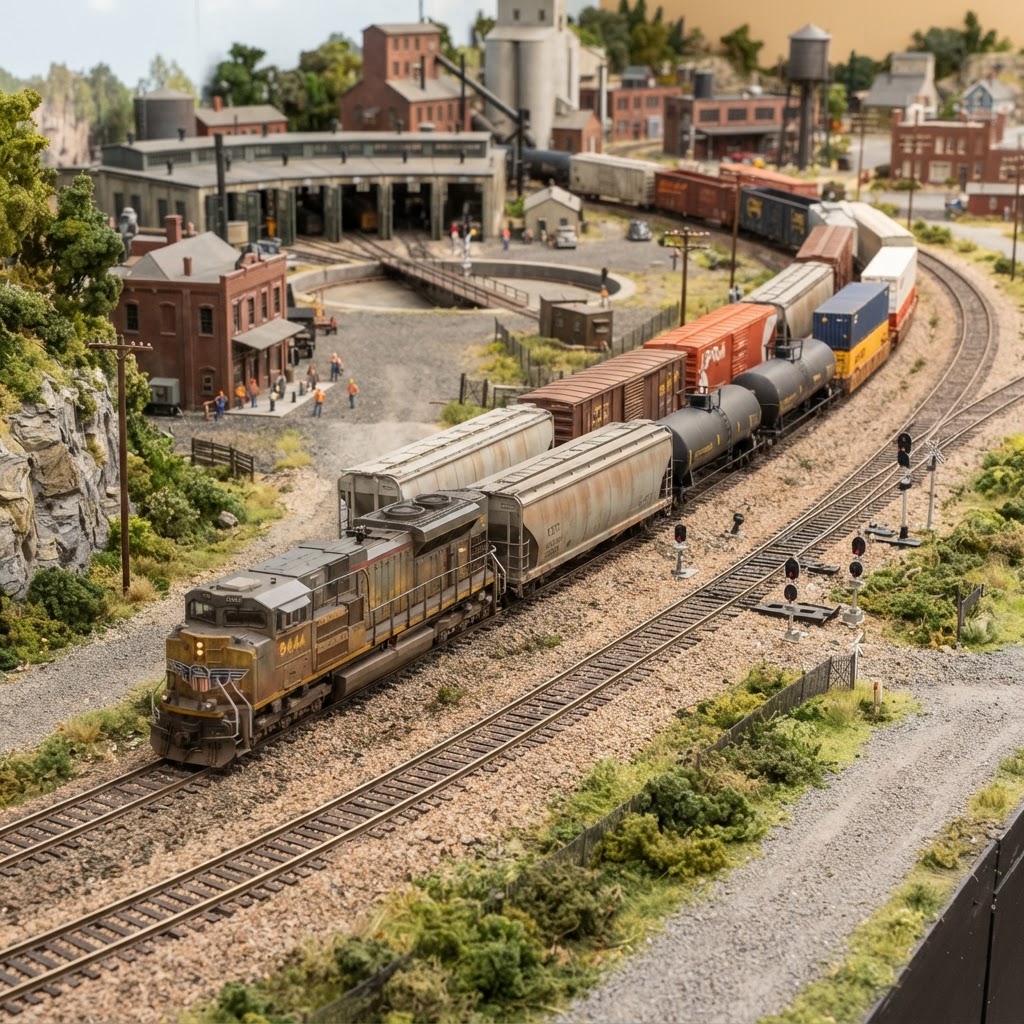
Best Freight Cars for Model Trains: Top Recommendations for Every Scale
Discover the best freight cars for model trains to enhance your rolling stock. We review top-rated brands, car types, and essential details for your layout.
Read more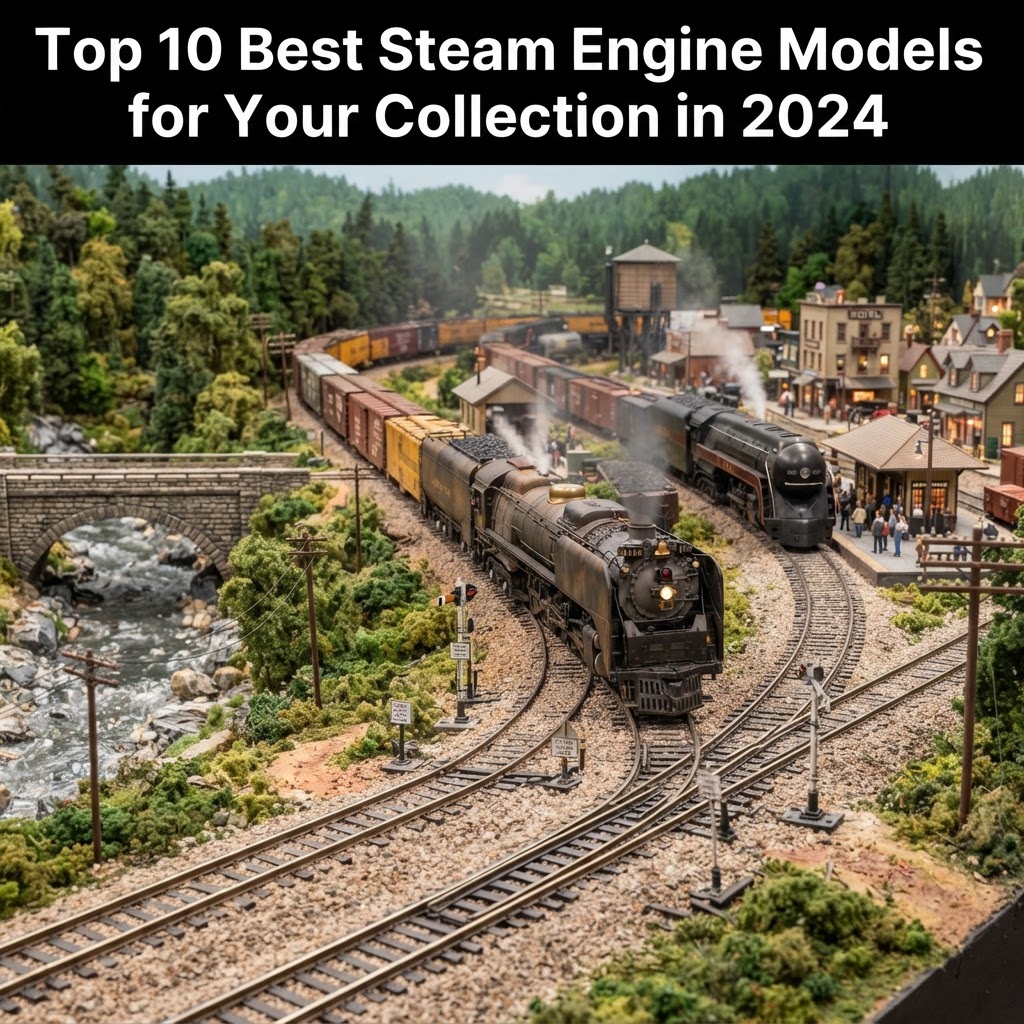
Top 10 Best Steam Engine Models for Your Collection in 2024
Discover the best steam engine models for your collection. From classic locomotives to intricate details, find the perfect addition for your model railway.
Read more