Best Rolling Stock for Model Trains: The Ultimate Collector's Buying Guide
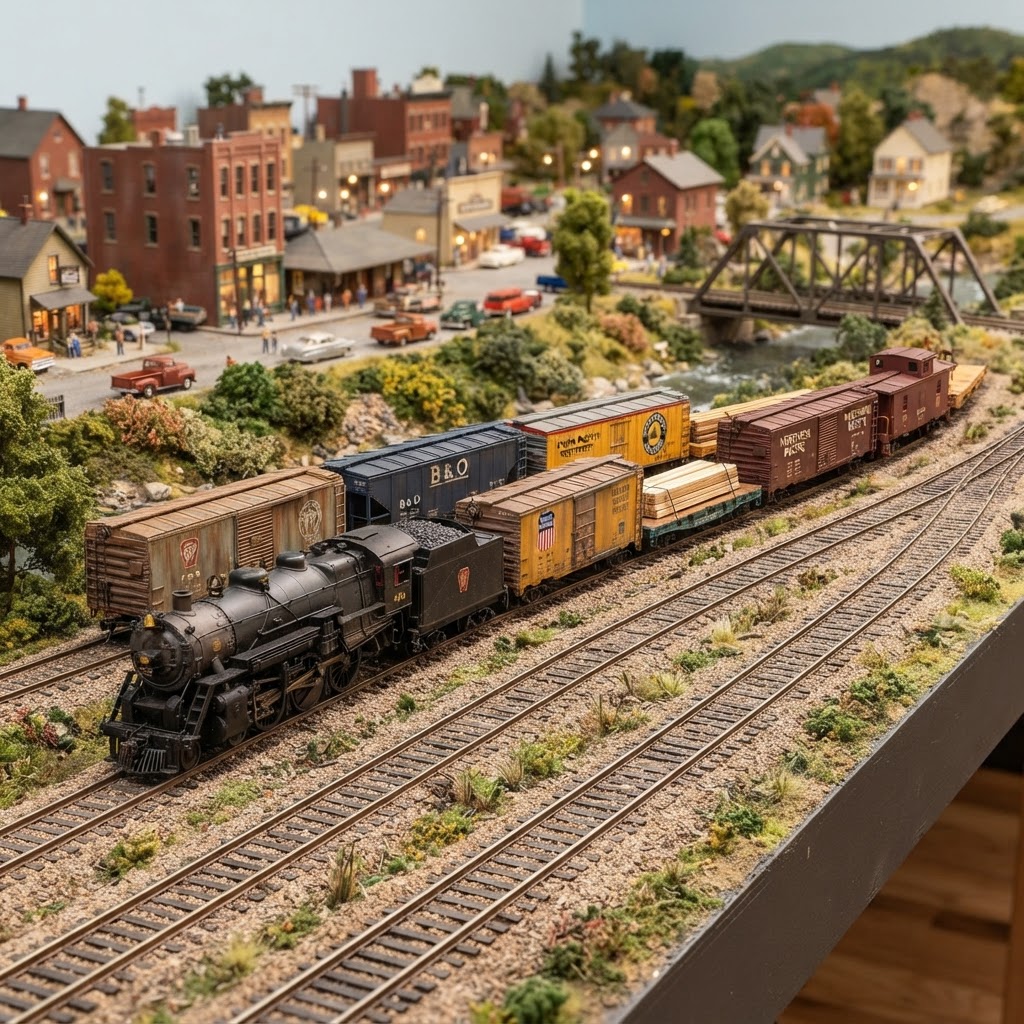
Choosing the best rolling stock for model trains is one of the most exciting — and sometimes overwhelming — decisions a hobbyist can make. Whether you're just getting started or expanding an existing layout, the rolling stock you select defines the personality, era, and realism of your entire railroad. From gleaming passenger cars to weathered freight hoppers, the options available today are more detailed, diverse, and digitally compatible than ever before.
Rolling stock refers to any vehicle that moves along your tracks — locomotives, freight cars, passenger cars, cabooses, and specialty cars. It's the heartbeat of your layout. A beautifully scenicked landscape means little without convincing trains rolling through it. That's why understanding how to evaluate quality, compatibility, and authenticity is essential before spending your hobby budget. This guide is designed to help you do exactly that.
In this comprehensive shopping guide, we'll walk you through everything you need to know about selecting rolling stock across popular scales, top brands to consider, what features matter most, and how to build a cohesive fleet that brings your model railroad to life. Whether you model the steam era or modern diesel operations, there's something here for every railroader.
What Is Rolling Stock and Why Does It Matter?
Rolling stock is the collective term for all the vehicles on your model railroad that ride on the rails. This includes:
- Locomotives – steam, diesel, or electric
- Freight cars – boxcars, flatcars, hoppers, tank cars, gondolas
- Passenger cars – coaches, dining cars, sleepers, observation cars
- Work and specialty cars – maintenance-of-way equipment, cabooses, crane cars
The quality and variety of your rolling stock directly impacts how realistic and engaging your layout feels. Poor-quality cars with wobbly trucks and unrealistic paint schemes can undermine even the most detailed scenery. On the other hand, well-chosen, era-appropriate rolling stock can make your layout feel like a living, breathing railroad.
For a broader overview of must-have additions to your setup, check out our guide to Top 10 Essential Model Train Accessories for Your Layout.
Choosing the Right Scale First
Before purchasing any rolling stock, you need to commit to a scale — or at least understand the scale you're already working in. Mixing scales is a common beginner mistake that leads to frustrating incompatibilities.
HO Scale (1:87)
HO scale is the most popular scale in North America and Europe. It strikes an ideal balance between detail, size, and affordability. The sheer variety of HO rolling stock available from manufacturers is unmatched, making it the easiest scale for which to find locomotives, freight cars, and passenger equipment.
If you're just starting out, our guide to the Best HO Scale Starter Sets For New Hobbyists is an excellent place to begin.
N Scale (1:160)
N scale is perfect for modelers with limited space who still want to run long trains and sweeping scenery. Rolling stock in N scale has improved dramatically in quality over the past decade, with manufacturers like Atlas, Kato, and Micro-Trains producing highly detailed models.
O Scale and G Scale
O scale (1:48) is favored by traditional hobbyists and collectors, and brands like Lionel and MTH have dominated this space for decades. For a detailed look at these two iconic brands, read our article on Lionel vs MTH: A Comprehensive Guide to Choosing the Perfect Model Train Brand.
G scale is ideal for outdoor garden railroads, with rugged construction built to withstand the elements.
Key Features to Look for in Quality Rolling Stock
Not all model train cars are created equal. Here's what separates budget filler from truly great rolling stock:
Truck and Wheel Quality
The trucks (the axle assemblies beneath each car) have a massive impact on how smoothly your rolling stock operates. Look for:
- Metal wheels over plastic — they roll more smoothly and conduct electricity better
- Needle-point axles for reduced friction
- Free-rolling trucks that don't bind on curves
Couplers
Most modern rolling stock in HO scale uses Kadee-compatible knuckle couplers or comes equipped with Kadee couplers from the factory. These allow for realistic coupling and uncoupling operations. Avoid horn-hook couplers (sometimes called "X2F") if realism and reliable operation are your goals.
Paint, Lettering, and Weathering
High-quality rolling stock features crisp, era-accurate lettering and paint schemes. Many premium manufacturers now offer factory-weathered versions of their cars, which save you significant time and add instant realism to your layout.
DCC Compatibility
If you're running a Digital Command Control system, make sure your locomotives are DCC-ready or DCC-equipped. For guidance on control systems that complement your rolling stock, see our DCC Systems Comparison 2024 or our beginner-friendly overview of the Best DCC Controllers For Beginners.
Top Rolling Stock Brands to Know
Athearn
Athearn is one of the most respected names in HO scale rolling stock. Their Genesis and Roundhouse lines cover a wide range of freight cars, locomotives, and passenger equipment at various price points. Athearn is particularly well-regarded for their detailed, accurate freight cars — boxcars, covered hoppers, and tank cars especially.
Bachmann
Bachmann offers excellent entry-level to mid-range rolling stock across HO, N, and On30 scales. Their Spectrum line represents a step up in detail and accuracy. For a head-to-head comparison of these two popular brands, read our Athearn vs Bachmann guide.
Atlas
Atlas produces highly regarded locomotives and freight cars in both HO and N scales. Their Master series locomotives are known for exceptional detail and smooth operation right out of the box.
Kato
Kato is a Japanese manufacturer with a stellar reputation for smooth-running locomotives and passenger equipment, particularly in N scale. Their passenger car sets are some of the finest available for modelers who enjoy running long-distance trains.
Broadway Limited Imports (BLI)
BLI specializes in highly detailed, sound-equipped steam and diesel locomotives. If you want a locomotive with factory-installed DCC and Paragon sound, BLI is a name worth exploring.
Walthers
Walthers is both a major manufacturer and a leading hobby retailer. Their Proto and Mainline series freight cars are extremely popular for their accuracy, detail, and wide road-name selection.
For in-depth reviews of these and other products, visit our Model Train Product Reviews: The Ultimate Buyer's Guide.
Building a Realistic and Cohesive Fleet
One of the most common mistakes modelers make is buying rolling stock without a coherent plan. Here's how to build a fleet that looks and feels authentic:
Pick an Era and Stick to It
Prototype railroads changed dramatically over the decades. Running a 1950s steam locomotive alongside a modern articulated intermodal train is jarring to the eye. Research the era you want to model — pre-war steam, transition era diesel, or contemporary operations — and purchase rolling stock that fits that period.
Model a Specific Railroad
Choosing a prototype railroad (such as the Union Pacific, Santa Fe, Pennsylvania Railroad, or Norfolk Southern) gives your fleet visual and historical cohesion. Most major manufacturers offer road-specific paint schemes for popular railroads.
Balance Your Consist
A realistic freight train doesn't run with 20 identical boxcars. Prototype trains carried a mix of car types depending on the industries they served. Aim for variety:
- 2–3 boxcars
- 1–2 covered hoppers
- 1–2 flatcars or gondolas
- 1 tank car
- 1 caboose (if modeling pre-1980s era)
For a focused look at freight car selection, our guide to the Best Freight Cars for Model Trains covers top recommendations across all scales.
Don't Forget the Details
Small details like load inserts, brake wheel replacements, and weathering go a long way. Adding figures to your layout also brings an incredible sense of life and scale — explore our article on 10 Best Model Train Figurines to Bring Your Layout to Life for inspiration.
Budget Considerations and Where to Buy
Rolling stock ranges from under $10 for basic N scale freight cars to several hundred dollars for premium, sound-equipped locomotives. Here's a rough breakdown:
| Category | Budget Range | |---|---| | Entry-level freight cars | $8–$20 each | | Mid-range freight cars | $20–$45 each | | Premium/detailed freight cars | $45–$80+ each | | Entry-level locomotives | $50–$120 | | Mid-range DCC locomotives | $120–$250 | | Premium sound locomotives | $250–$500+ |
Where to Shop
- Local hobby shops – Best for hands-on inspection and expert advice
- Online retailers – Walthers.com, TrainWorld, ModelTrainStuff offer wide selections
- Hobby shows and swap meets – Great for deals on used and discontinued items
- Manufacturer direct – Some brands sell directly through their websites
Browse our recommended products page for curated picks across scales and categories.
Staying Informed
The world of rolling stock is always evolving, with new releases announced regularly. Subscribing to hobby publications is a great way to stay current. Check out our list of 7 Top Model Railway Magazines to Elevate Your Hobbyist Skills for the best reading resources available.
Frequently Asked Questions
What is the best scale for rolling stock beginners?
HO scale is widely considered the best starting point for most beginners. The variety of available rolling stock is unmatched, prices are reasonable, and the size is easy to handle and detail. N scale is a great alternative if you have limited layout space.
Do I need DCC for my rolling stock?
Not necessarily. If you run a simple DC layout, DCC-ready locomotives will operate just fine on DC power. However, if you want sound, lighting effects, and independent control of multiple locomotives, upgrading to DCC is well worth it. See our Best DCC Controllers For Beginners guide for more.
How many cars should I run in a typical consist?
This depends on your scale, layout size, and locomotive pulling power. For HO scale, a locomotive can typically pull 8–15 cars on level track. On grades, reduce that number. A realistic prototype freight train might run 50–100 cars, but most layouts are designed for shorter consists of 10–20 cars.
Is used rolling stock worth buying?
Absolutely — buying used can be a great way to expand your fleet affordably. Inspect used cars carefully for broken couplers, missing trucks, cracked bodies, or damaged wheel sets. Many issues are inexpensive to fix, and high-quality older models from Athearn, Atlas, or Walthers hold up well over time.
How do I weather my rolling stock?
Weathering is the process of making your cars and locomotives look used and realistic. Common techniques include dry brushing, airbrushing washes, chalk pastels, and rust effects. Many premium manufacturers now offer pre-weathered models if you prefer a no-fuss option. Hobby magazines and YouTube channels offer excellent tutorials for learning these techniques.
Conclusion
Selecting the best rolling stock for model trains is a deeply personal and endlessly rewarding pursuit. The choices you make — the scale, the era, the railroad, the brands — all come together to tell the story of your layout. By focusing on quality, historical accuracy, and cohesive planning, you can build a fleet that runs beautifully and looks stunning on your railroad.
Whether you're assembling your first consist or refining a decades-long collection, the journey is half the fun. Take your time, do your research, and don't be afraid to start small and grow over time. The model railroad hobby is one of continuous learning and discovery.
Ready to explore more? Browse our recommended products page for top-rated picks, and dive deeper into our library of guides here at Model Train Insider to keep your hobby knowledge on the right track.
Affiliate Disclosure: Some links in this article are affiliate links. We may earn a commission at no extra cost to you.
Enjoying this guide?
Browse our favorite recommended products.
James Mitchell
Model Train Enthusiast & Writer
James has been building layouts and collecting trains for over 15 years. He started Model Train Insider to help newcomers navigate the hobby with practical, no-nonsense advice drawn from hands-on experience.
Stay on Track
Get beginner guides, brand reviews, and layout tips delivered to your inbox. No spam—just trains.
Free forever. Unsubscribe anytime.
Related Articles
Model Train Product Reviews: The Ultimate Buyer's Guide to Quality Gear
Don't waste money on subpar equipment. Learn how to navigate model train product reviews and choose the best gear for your layout with our expert tips.
Read more
Best Freight Cars for Model Trains: Top Recommendations for Every Scale
Discover the best freight cars for model trains to enhance your rolling stock. We review top-rated brands, car types, and essential details for your layout.
Read more
Top 10 Best Steam Engine Models for Your Collection in 2024
Discover the best steam engine models for your collection. From classic locomotives to intricate details, find the perfect addition for your model railway.
Read more