The Ultimate Guide to the Best Brass Model Trains for Collectors
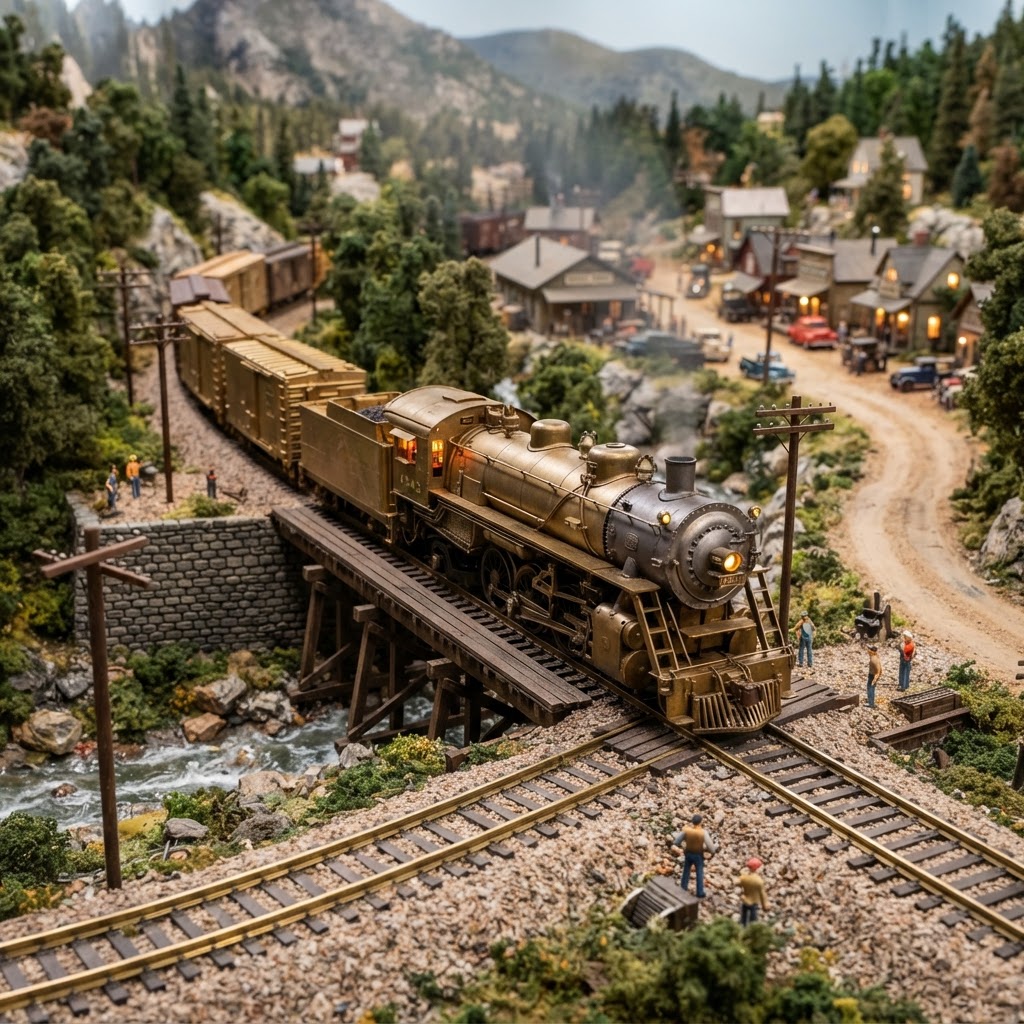
For serious hobbyists and collectors, few things rival the prestige and craftsmanship of owning a finely detailed brass model train. Whether you're a seasoned collector or just beginning to explore the upper echelons of the hobby, finding the best brass models for collectors requires understanding what separates a mediocre reproduction from a museum-quality masterpiece. Brass models occupy a unique space in the model railroad world — they are simultaneously functional locomotives and works of art, hand-crafted with a level of detail that plastic models simply cannot match.
The appeal of brass model trains goes far beyond their shiny exteriors. These models are typically produced in limited runs by specialized manufacturers, often imported from Japan or Korea, where skilled artisans hand-assemble each unit with extraordinary precision. Because of their limited availability and exceptional quality, brass models tend to hold or even appreciate in value over time — making them not just a hobby purchase, but a genuine collectible investment. For those already familiar with the basics of scale modeling, brass represents the natural next step toward serious collecting.
In this guide, we'll walk you through everything you need to know about collecting brass model trains — from the most respected manufacturers to the scales that offer the best selection, tips for evaluating quality, and how to protect your investment for years to come. If you're newer to the hobby and still exploring scales and sizes, you may want to start with The Ultimate Beginner Guide to Model Train Scales: Choosing Your Perfect Size before diving in.
What Makes Brass Model Trains Special?
Hand-Crafted Quality and Detail
The defining characteristic of brass model trains is the level of craftsmanship involved in their production. Unlike injection-molded plastic models produced by the thousands, brass models are typically crafted in small batches — sometimes as few as 50 to 200 units per run. Each model is hand-assembled, hand-painted, and often hand-detailed, resulting in a level of accuracy that rivals prototype photography.
Fine details like working valve gear, separately applied grab irons, etched metal number boards, and prototypically correct cab interiors are standard features on quality brass models. These aren't toys — they're scale replicas built for discerning collectors who know the difference between a close approximation and a truly accurate reproduction.
Limited Production Runs and Collectibility
One of the most compelling reasons to collect brass is scarcity. When a manufacturer announces a new run of a particular locomotive, collectors often pre-order immediately, knowing that once the run sells out, secondary market prices can climb significantly. This limited availability is a double-edged sword — it makes finding specific models challenging, but it also means your collection retains and builds value over time.
For collectors interested in specific prototype railroads or locomotive classes, brass often represents the only option. Many obscure or regionally significant locomotives have never been produced in plastic, making brass the sole avenue for authentic representation.
Top Brass Model Train Manufacturers to Know
Precision Craft Models (PCM)
Precision Craft Models is one of the most well-regarded names in modern brass production. Based in the United States but manufacturing primarily in Korea, PCM is known for producing highly detailed HO and O scale locomotives with exceptional prototype accuracy. Their steam locomotive offerings are particularly celebrated, and many collectors consider PCM models the gold standard for American prototype brass. If you're passionate about steam power, also check out The Best Train Brands for Authentic Steam Locomotives: A Collector's Guide for a broader perspective.
Overland Models (OMI)
Overland Models, Inc. was for decades one of the premier importers of brass model trains from Korea. Though the company has significantly reduced its output in recent years, their back catalog remains highly sought after on the secondary market. OMI models are known for their consistent quality across scales and their faithful adherence to prototype specifications. Finding an OMI model in excellent condition is considered a genuine score for any serious collector.
Key Imports
Key Imports has a storied history in the brass hobby, producing some of the most iconic brass models ever made. Operating since the 1960s, Key has imported models from Japan and Korea spanning everything from New York Central Hudsons to Southern Pacific Cab Forwards. Their older Japanese-made models are especially prized for their craftsmanship and are frequently traded among advanced collectors.
Sunset Models / Third Rail
Sunset Models (operating under the Third Rail brand for O scale) focuses heavily on the O scale market and has developed a devoted following among collectors of that scale. Their models are known for exceptional paint schemes, robust mechanisms, and outstanding prototype accuracy. Third Rail O scale brass is often cited as some of the finest O scale modeling available anywhere in the world.
Tenshodo and Fujiyama (Japanese Manufacturers)
For collectors who appreciate the origins of brass model trains, Japanese manufacturers like Tenshodo and Fujiyama represent the roots of the craft. Japan pioneered brass model train manufacturing in the post-WWII era, and models from these makers — particularly from the 1960s through the 1980s — are now highly collectible antiques in their own right.
Best Scales for Brass Collecting
HO Scale Brass
HO scale (1:87) is by far the most widely collected scale for brass models, and it offers the broadest selection of available models both new and on the secondary market. The combination of manageable size and exceptional detail makes HO the preferred scale for most serious collectors. If you're deciding between scales, the comparison in HO Scale vs N Scale: Which Is Better for Your Model Railroad Layout? offers useful context.
O Scale Brass
O scale (1:48) brass is the choice for collectors who want maximum visual impact. The larger size allows for even more intricate detailing, and O scale brass locomotives are genuinely impressive display pieces. The trade-off is cost — O scale brass models are typically among the most expensive in the hobby — and the space requirements for operating layouts are substantial.
N Scale Brass
N scale brass exists and has a dedicated collector base, though the selection is considerably narrower than HO or O. The fine detail achievable at 1:160 scale is remarkable, and N scale brass models often command premium prices despite their smaller size. For those committed to N scale, The Best Starter Kits for N Scale Beginners: A Comprehensive Guide provides helpful background before venturing into brass collecting.
How to Evaluate Brass Model Quality
Checking Prototype Accuracy
Before purchasing any brass model, research the prototype. Serious collectors compare models against historical photographs, technical drawings, and railroad historical society publications. Key areas to examine include boiler contour, driver spacing, cab window placement, and tender design. The best brass models for collectors are those that hold up to rigorous scrutiny against prototype documentation.
Mechanical Condition and Running Quality
Many brass models are purchased as display pieces, but mechanical reliability still matters — especially for models intended for operation. Examine the motor, gearing, and wheel pickups carefully. Older Japanese brass models sometimes require servicing due to aged lubricants or worn brushes, but a properly maintained brass locomotive can run beautifully for decades.
Paint and Lettering Quality
Factory-painted brass models vary widely in finish quality. Look for crisp, even paint application, sharp lettering, and accurate color matching to the prototype. Some collectors prefer undecorated (unpainted) brass, which allows for custom painting and weathering, while others prize original factory paint in pristine condition.
Original Packaging and Documentation
Like any collectible, brass model trains in original boxes with original documentation command higher prices and hold value better. Retain all packaging, paperwork, and certificates of authenticity that come with your models. On the secondary market, a model presented in excellent condition with original box can sell for significantly more than a loose example.
Tips for Building a Brass Collection
Define Your Collecting Focus
The most satisfying brass collections are usually built around a theme: a specific prototype railroad, a particular locomotive type, a geographic region, or a historical era. A focused collection tells a story and is far more compelling — both to you and to future buyers — than a random assortment of models. Consider whether you want to collect working steam locomotives, diesel power, passenger equipment, or a mix.
For guidance on passenger equipment to complement your locomotive collection, The Best Passenger Car Brands for Model Trains: A Comprehensive Guide is an excellent resource.
Buy from Reputable Sources
Purchase brass models from established hobby dealers, reputable auction houses, or well-reviewed sellers on platforms like eBay. The brass market has its share of misrepresented models — pieces described as "mint" that show significant wear, or models attributed to prestigious makers that are actually lower-quality imitations. When in doubt, consult collector forums or railroad historical societies before committing to a purchase.
Consider DCC Conversion
Many brass collectors choose to upgrade their models with Digital Command Control (DCC) decoders for more realistic operation. This is especially valuable if you plan to run your brass models on a layout alongside other DCC-equipped equipment. Explore 5 Best DCC Systems for Home Model Railroads: Expert Reviews and Comparisons to find the right system for operating your collection.
Storage and Display Best Practices
Protect your investment by storing brass models properly. Keep them in a low-humidity environment to prevent tarnishing, use acid-free materials for long-term storage, and display models away from direct sunlight. Handling should be minimized, and when necessary, use clean cotton gloves to avoid transferring oils from your hands to the finish.
For tools and supplies to help maintain and display your collection, browse our recommended products page for curated options suited to serious collectors.
Frequently Asked Questions
How much do brass model trains typically cost?
Brass model trains range widely in price. Entry-level or older models in fair condition can be found for $100–$300, while premium new-production models from top manufacturers often sell for $500–$1,500 or more. Rare, highly sought-after models in mint condition with original packaging can exceed $3,000 on the secondary market.
Are brass model trains a good investment?
Many brass models hold or appreciate in value over time, particularly limited-run models from reputable manufacturers in excellent condition. However, like any collectible market, values fluctuate based on demand, condition, and market trends. Collecting brass is best approached as a passion first and investment second.
Can I run brass model trains on a standard layout?
Yes, most brass models are designed for operation, not just display. However, older models may need servicing before running, and some require DCC decoder installation for use on modern command control layouts. Always test gently at low speed before extended operation.
Where is the best place to buy brass model trains?
Reputable hobby shops, established online dealers, collector shows, railroad historical society meets, and auction platforms like eBay are all viable sources. Joining collector communities and forums is invaluable for finding quality models, getting fair pricing guidance, and avoiding misrepresented merchandise.
How do I know if a brass model is authentic and accurately attributed?
Research the manufacturer's catalog numbers, compare the model against known photographs and documentation, and consult collector resources or railroad historical societies. Established hobby dealers can often provide provenance information. For unfamiliar manufacturers, collector forums are an excellent source of expert knowledge.
Conclusion
Brass model trains represent the pinnacle of the model railroad hobby — a place where artistry, history, and engineering converge in miniature. Whether you're drawn to the thundering steam locomotives of the golden age of railroading or the sleek diesel power of the modern era, there is almost certainly a brass model out there that captures your prototype of choice with breathtaking fidelity. Building a collection of the best brass models for collectors is a journey that rewards patience, research, and genuine passion for the craft.
As you continue exploring the hobby, don't miss our deeper guides on related topics. The 5 Best Model Train Brands for Serious Collectors: A Curated Guide is an excellent next stop for collectors looking to expand their knowledge, and The Best Train Brands for Authentic Steam Locomotives: A Collector's Guide offers more detail on steam prototype accuracy. Happy collecting — and may your next brass find be everything you hoped for.
Affiliate Disclosure: Some links in this article are affiliate links. We may earn a commission at no extra cost to you.
Enjoying this guide?
Browse our favorite recommended products.
James Mitchell
Model Train Enthusiast & Writer
James has been building layouts and collecting trains for over 15 years. He started Model Train Insider to help newcomers navigate the hobby with practical, no-nonsense advice drawn from hands-on experience.
Stay on Track
Get beginner guides, brand reviews, and layout tips delivered to your inbox. No spam—just trains.
Free forever. Unsubscribe anytime.
Related Articles
Top 10 Best Steam Engine Models for Your Collection in 2024
Discover the best steam engine models for your collection. From classic locomotives to intricate details, find the perfect addition for your model railway.
Read more
Top 10 Best Diesel Engines for Model Train Collectors to Own in 2024
Discover the best diesel engines for collectors in 2024. Explore premium locomotive models, rare finds, and essential tips for building your collection.
Read more
The 5 Best Model Train Brands for Serious Collectors: A Curated Guide
Discover the best train brands for collectors. We evaluate craftsmanship, historical value, and investment potential for serious model railroad enthusiasts.
Read more