The Best N Scale Starter Sets For 2024: A Complete Buyer Guide
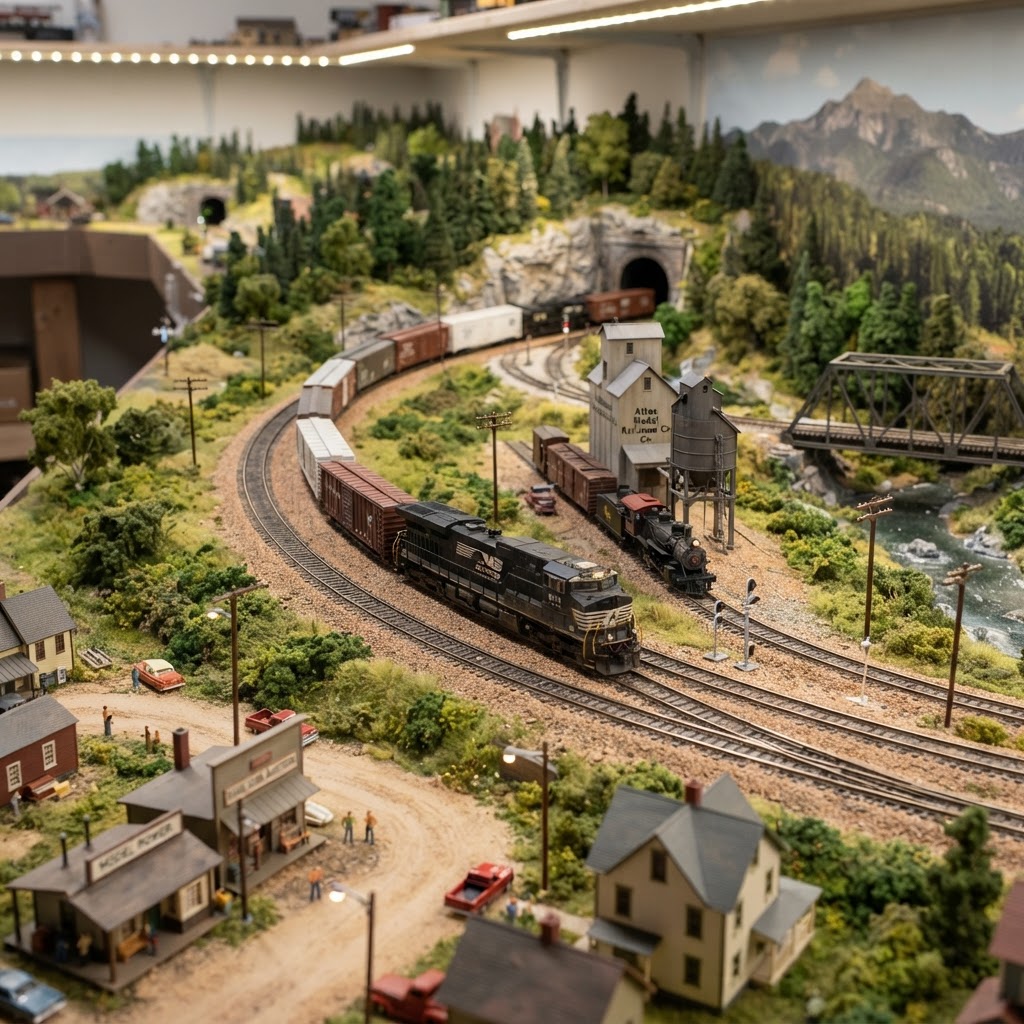
If you've ever watched a model train wind its way through a miniature landscape and thought, "I want to build that," then you're in the right place. Getting started in the hobby doesn't have to be overwhelming, especially when you choose the right foundation. Finding the best N scale starter set for your needs is one of the most important first decisions you'll make, and it can mean the difference between a hobby that flourishes for decades and one that ends up gathering dust in a closet.
N scale has become one of the most popular model railroad scales in the world, and for good reason. At 1:160 ratio, these compact trains allow hobbyists to build sprawling, detailed layouts even in apartments, spare bedrooms, or on modest-sized tables. Whether you're drawn to the intricate detail, the space-saving design, or simply the joy of watching a tiny locomotive haul freight through a mountain pass, N scale offers an incredible entry point into the world of model railroading.
In this guide, we'll walk you through everything you need to know to choose the best N scale starter set for 2024. We'll cover the top brands, what to look for before you buy, tips for expanding your layout, and answers to the most common questions beginners ask. Whether you're buying for yourself or as a gift, this article will give you the confidence to make a smart, satisfying purchase.
Why N Scale Is a Great Choice for Beginners
Before diving into specific products, it's worth understanding why N scale is such a compelling option. If you're still weighing your options between scales, our detailed guide on HO Scale vs N Scale: A Comprehensive Guide to Choosing the Perfect Model Train Size offers an excellent side-by-side comparison. But here's the quick breakdown:
Space Efficiency Without Sacrificing Detail
N scale trains are roughly half the size of HO scale, meaning you can fit a full loop of track — complete with switches, sidings, and scenery — on a 2×4 foot board. For beginners who don't have a dedicated train room, this is a massive advantage. You can start small and expand gradually without needing to tear everything down and start over.
A Thriving Community and Product Ecosystem
N scale has one of the largest and most active communities in the hobby. Major manufacturers like Kato, Bachmann, Atlas, and Micro-Trains all produce extensive lines of N scale locomotives, rolling stock, and accessories. That means you'll never run out of ways to expand and customize your layout.
Affordable Entry Points
Compared to larger scales like O scale, N scale starter sets are generally more affordable — both upfront and as you grow your collection. If you're curious how N scale stacks up against even larger formats, take a look at our comparison of Lionel vs MTH: Choosing the Best O Scale System for Your Layout to understand the cost and space differences.
What to Look for in an N Scale Starter Set
Not all starter sets are created equal. Before you make your purchase, consider these key factors:
1. What's Included in the Box
A quality N scale starter set should include at minimum:
- A locomotive (steam or diesel)
- Several cars (freight or passenger)
- An oval or figure-eight loop of track
- A power pack or transformer
- A basic speed controller
Some sets also include a small building or scenery piece, which adds immediate visual appeal to your first layout. Always check the contents list before buying — a cheap price tag sometimes means a critically incomplete set.
2. DCC vs. DC Power
This is one of the most important decisions beginners face. DC (Direct Current) systems are simpler and less expensive, making them ideal for absolute beginners. DCC (Digital Command Control) systems are more sophisticated, allowing you to run multiple trains independently and add sound effects, lighting, and other digital features.
Many modern starter sets come DCC-ready, meaning the locomotives have the wiring to accept a DCC decoder even if the set ships with basic DC control. This gives you room to upgrade later without replacing your entire fleet. For a deeper dive into your options, our guide on Kato vs Bachmann DCC: Which Control System Is Right For Your Layout? is an excellent resource.
3. Track Quality and Compatibility
Cheap, poorly-made track is the #1 source of frustration for beginners. Look for nickel-silver rail over steel rail — it conducts electricity better, resists oxidation, and lasts much longer. Also, confirm that the track system used in the starter set is compatible with track sold separately, so you can expand without compatibility headaches.
4. Brand Reputation and Parts Availability
Choosing a reputable brand means better quality control, easier access to replacement parts, and strong community support. Our full breakdown of Top 5 Model Railroad Brands for Beginners is a great companion read when evaluating your options.
The Best N Scale Starter Sets for 2024
Here are our top picks for beginners entering the N scale hobby this year. These recommendations balance quality, value, expandability, and ease of use.
1. Kato N Scale Unitrack Starter Sets — Best Overall
Kato is widely regarded as the gold standard in N scale, and their Unitrack starter sets are a perfect reflection of why. Kato's proprietary Unitrack system features a built-in roadbed that snaps together easily and holds securely, making it ideal for beginners who want reliable, frustration-free operation right out of the box.
What we love:
- Exceptional build quality and smooth-running locomotives
- Unitrack system is easy to assemble and expand
- Reliable electrical connectivity reduces stalling and derailments
- Wide range of available prototypes (Japanese, American, European)
Things to consider:
- Slightly higher price point than budget alternatives
- Unitrack is proprietary, so mixing with other brands requires adapters
Kato sets are available for both DC and DCC operation, and the locomotives are known for their longevity. If you're serious about the hobby, starting with Kato is an investment that pays dividends for years. For a full comparison of how Kato stacks up against another popular option, see our guide on Bachmann vs Kato: The Ultimate Guide to N Scale Reliability.
2. Bachmann N Scale Spectrum and E-Z Track Sets — Best for Budget-Conscious Beginners
Bachmann is the most recognized name in beginner model railroading, and their N scale starter sets are perennial bestsellers. Their E-Z Track system — featuring integrated plastic roadbed — snaps together effortlessly, and the locomotives offer solid performance at an accessible price point.
What we love:
- Very affordable — often the lowest price per piece in the category
- Wide variety of set themes (steam era, modern diesel, passenger service)
- Many sets are DCC-ready
- Excellent starter option for younger hobbyists or gift purchases
Things to consider:
- Quality control can vary between runs
- E-Z Track, while convenient, is less realistic-looking than separate rail and tie systems
- Locomotives may require tuning out of the box for optimal performance
Bachmann's range is broad enough that you can find something for almost any prototype preference. They're a solid choice when you want to get up and running quickly without a steep financial commitment.
3. Atlas N Scale Trainman Starter Sets — Best for Realism
Atlas has long been respected for producing highly detailed, realistic models, and their Trainman line brings that quality closer to beginner price points. Atlas Code 80 track is a step above many starter-set options in terms of appearance and conductivity.
What we love:
- Superior detail on locomotives and rolling stock
- Code 80 nickel-silver track is a longtime industry standard
- Strong expansion options within the Atlas ecosystem
- Great choice for hobbyists who prioritize scale realism from day one
Things to consider:
- Slightly steeper learning curve for absolute beginners
- Starter sets are less commonly found in big-box retail stores
Atlas is an excellent choice for beginners who already have a strong interest in specific railroad prototypes or eras and want their layout to reflect that passion accurately.
4. Tomix N Scale Basic Sets — Best for Layout Flexibility
Tomix, a division of Japanese manufacturer Tomy, produces beautifully engineered N scale sets that rival Kato in quality. Their Fine Track system is modular and highly flexible, making it easy to design creative, non-standard layouts beyond a simple oval.
What we love:
- Fine Track system allows for highly creative layout designs
- Strong quality control and smooth-running locomotives
- Excellent selection of Japanese prototype trains (Shinkansen bullet trains, etc.)
- Expanding into a full layout is straightforward
Things to consider:
- Best suited for fans of Japanese railroading
- Less widely available in North American hobby shops
- Documentation occasionally requires translation
If you're drawn to Japanese-prototype modeling — Shinkansen bullet trains, commuter rail, or scenic Japanese countryside layouts — Tomix offers an experience that few other brands can match.
Setting Up Your First N Scale Layout
Once your starter set arrives, getting it running is usually straightforward. Here are a few practical tips to make your first experience as smooth as possible:
Start on a Flat, Stable Surface
Before investing in a permanent layout board, try your starter set on a flat table or sheet of plywood. This lets you experiment with track arrangements before committing to a fixed design.
Clean Your Track Before Running
Even brand-new track can have oils or oxidation from the manufacturing process. A quick wipe-down with a clean, dry cloth or a track cleaning car will ensure better electrical connectivity and smoother operation from the start.
Gather the Right Tools
You don't need a full workshop to get started, but a few basic tools will make your life much easier. Our guide to 10 Best Beginner Model Railroad Tools Every Hobbyist Needs covers everything from rail nippers to track gauges. You can also browse our recommended products page for curated picks.
Think About Expansion Early
Even as a beginner, it's worth thinking one step ahead. Choosing a track system and brand ecosystem that offers plenty of expansion options will save you from costly restarts later. Check out our Best Model Train Kits For Beginners guide for ideas on what to add next.
Expanding Beyond Your Starter Set
Once you've mastered the basics, the real fun begins. Here's a quick roadmap for what to explore next:
- Add more track: Extend your oval, add sidings, or create a passing loop for multiple train operation
- Upgrade to DCC: If your locomotive is DCC-ready, installing a decoder opens up a world of digital control features. Our 10 Best DCC Control Systems For Model Train Beginners guide is a great place to start
- Add scenery: Ground cover, trees, buildings, and water effects transform a track loop into a believable world
- Expand your roster: Pick up additional locomotives and rolling stock to reflect a specific railroad or era
Not sure where the hobby fits you yet? Our foundational article, What Is the Best Beginner Train Scale? A Complete Guide to Starting Your Hobby, is a helpful resource for thinking through your long-term direction. And if you're curious how N scale starter sets compare to their HO equivalents, see our roundup of 10 Best HO Scale Starter Sets for Beginners.
Frequently Asked Questions
What is the best N scale starter set for absolute beginners?
For absolute beginners, the Bachmann E-Z Track N scale sets are often the best starting point due to their low cost, easy setup, and wide availability. However, if your budget allows, a Kato Unitrack starter set offers significantly better long-term quality and reliability.
Is N scale harder to work with than HO scale?
N scale components are smaller, which can make fine detailing and certain repairs slightly more challenging. However, for basic operation and layout building, N scale is no more difficult than HO. The main learning curve involves handling smaller parts carefully and ensuring clean track for reliable electrical contact.
Can I run N scale trains on a 4×8 foot layout?
Absolutely — in fact, a 4×8 foot board gives you generous room for an N scale layout with multiple loops, sidings, a small yard, and significant scenery. N scale's compact size truly shines on layouts of this size, allowing for far more complexity than HO scale would permit in the same footprint.
Are N scale starter sets DCC compatible?
Many modern N scale starter sets are DCC-ready, meaning the locomotive has been wired to accept a DCC decoder drop-in. Some higher-end sets come with DCC already installed. Always check the product description carefully — "DCC ready" and "DCC equipped" mean different things.
How much should I expect to spend on a good N scale starter set?
Quality N scale starter sets range from approximately $60–$80 on the budget end (Bachmann) to $150–$250+ for premium options (Kato, Atlas). The higher-priced sets typically offer better locomotives, smoother operation, and more durable track — making them a worthwhile investment if you plan to stay in the hobby long-term.
Conclusion
Choosing the best N scale starter set is the first exciting step in a hobby that can bring years — even decades — of creative satisfaction. Whether you go with the precision of Kato, the accessibility of Bachmann, the realism of Atlas, or the flexibility of Tomix, the most important thing is to simply get started. Every great layout began with a single loop of track.
As you grow in the hobby, you'll find a wealth of resources, a welcoming community, and an almost endless supply of ways to expand and personalize your miniature world. We're here to help you every step of the way — explore our other beginner guides, check out our recommended products page for trusted gear picks, and don't hesitate to dive deeper into any topic that sparks your curiosity.
Happy modeling — and may your trains always run on time.
Affiliate Disclosure: Some links in this article are affiliate links. We may earn a commission at no extra cost to you.
Enjoying this guide?
Browse our favorite recommended products.
James Mitchell
Model Train Enthusiast & Writer
James has been building layouts and collecting trains for over 15 years. He started Model Train Insider to help newcomers navigate the hobby with practical, no-nonsense advice drawn from hands-on experience.
Stay on Track
Get beginner guides, brand reviews, and layout tips delivered to your inbox. No spam—just trains.
Free forever. Unsubscribe anytime.
Related Articles
The Best Starter Kits for N Scale Beginners: A Comprehensive Guide
Looking for the best starter kit for N scale? Explore our expert recommendations to help you kickstart your model railroad journey with confidence and ease.
Read more
5 Best Beginner Model Train Brands to Start Your Hobby Today
Looking to start your model railroad journey? Discover the top beginner-friendly train brands that offer high quality, reliability, and ease of use.
Read more
Best Model Train Starter Sets of 2024: Top Picks for New Hobbyists
Looking for the best train starter sets? Discover our expert guide to the top model railroad kits for beginners to start their journey into the hobby today.
Read more