Lionel vs MTH: A Comprehensive Guide to Choosing the Perfect Model Train Brand
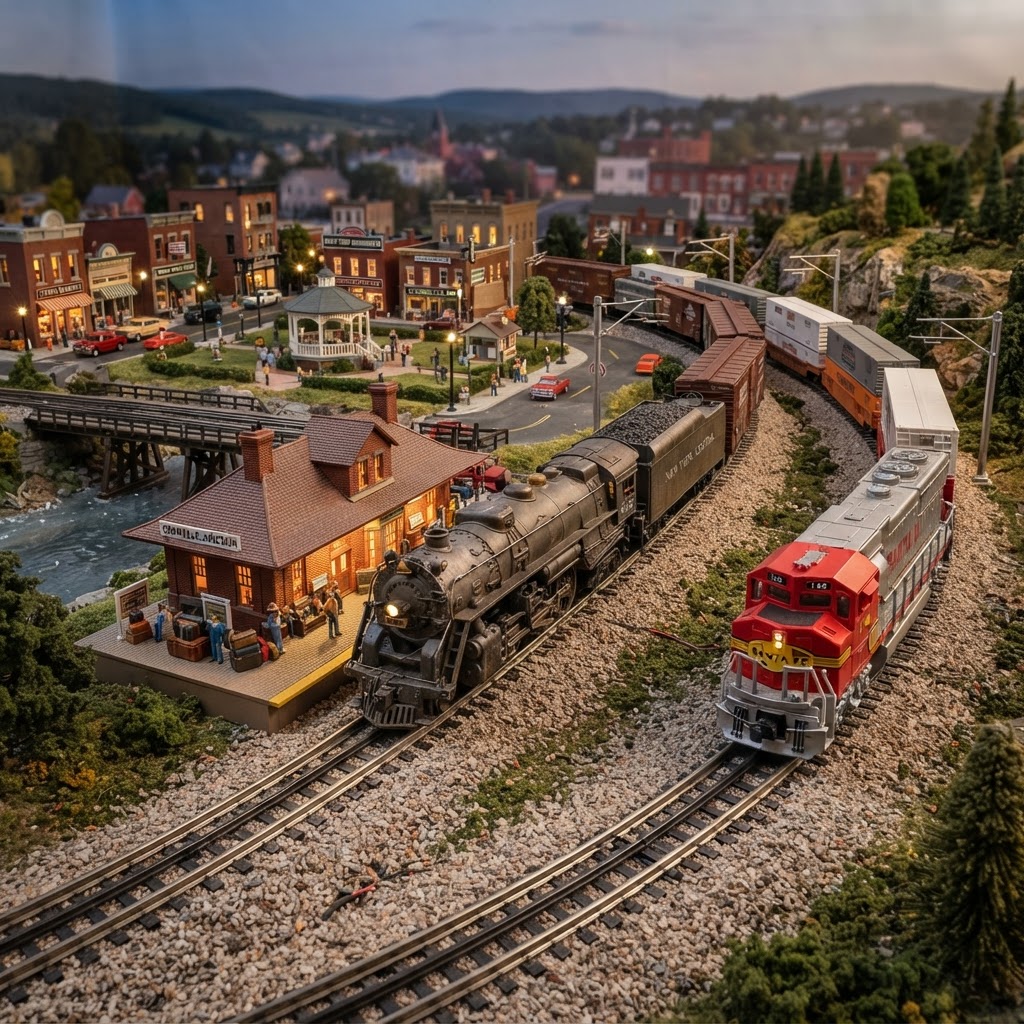
When it comes to O gauge model railroading, few debates spark as much passion as Lionel vs MTH. Both brands have earned devoted followings, and for good reason — each offers exceptional quality, innovative technology, and a wide range of locomotives and rolling stock that can bring any layout to life. Whether you're a seasoned hobbyist looking to expand your collection or a newcomer trying to decide where to invest your money, understanding the differences between these two titans of the hobby is essential.
Lionel has been a household name in model railroading since 1900, carrying more than a century of heritage and nostalgia. MTH Electric Trains, founded in 1980 by Mike Wolf, may be the younger brand, but it quickly carved out a reputation for innovation — particularly with its DCS (Digital Command System) technology. Choosing between Lionel and MTH isn't simply about picking a winner; it's about finding the brand that best aligns with your layout goals, budget, and personal preferences.
In this guide, we'll break down the key differences between Lionel and MTH across several important categories, including sound systems, control technology, build quality, pricing, and product variety. By the end, you'll have a clearer picture of which brand deserves a spot on your layout — or whether both might have a role to play.
A Brief History of Both Brands
Lionel: Over a Century of Tradition
Lionel's story begins in New York City at the turn of the 20th century. Founded by Joshua Lionel Cowen, the company became synonymous with American Christmas mornings and basement railroads for generations of families. Through decades of ownership changes and near-bankruptcy moments, Lionel has persevered and modernized, now offering cutting-edge TMCC (Trainmaster Command Control) and Legacy control systems while still honoring its nostalgic roots.
The brand's longevity means there's an enormous secondary market for vintage Lionel equipment, and its name alone carries significant cultural weight. For many hobbyists, Lionel isn't just a brand — it's a connection to childhood memories and a piece of American history.
MTH Electric Trains: Innovation from the Start
MTH was born out of a licensing deal with Lionel that eventually led founder Mike Wolf to create his own independent brand. From the beginning, MTH focused on pushing technological boundaries. The introduction of Proto-Sound in the 1990s set a new bar for realistic sound reproduction in O gauge trains, and the later development of DCS (Digital Command System) gave operators unprecedented control over their locomotives.
MTH built a loyal following of tech-savvy hobbyists who appreciated the brand's commitment to realistic detail and functional innovation. Unfortunately, MTH ceased production of new products in 2022, though a substantial inventory of new and used equipment remains available through dealers and the secondary market.
Control Systems: Legacy vs DCS
One of the most critical factors in the Lionel vs MTH comparison is the control technology each brand uses. This determines how you interact with your trains and what features you can access.
Lionel's Legacy System
Lionel's current flagship control system is the Legacy Control System, which builds on the older TMCC platform. Legacy allows operators to control speed, direction, sound effects, lighting, and even smoke output with precision. The system communicates via radio frequency, meaning you don't need a direct line of sight to operate your locomotive.
The Lionel app and CAB-2 remote offer intuitive interfaces that many hobbyists find easy to learn. Legacy is also backward compatible with older TMCC equipment, which is a significant advantage if you're inheriting or purchasing vintage Lionel locomotives.
MTH's DCS System
MTH's Digital Command System (DCS) is widely praised for its depth of features and flexibility. DCS communicates through the track itself (track signal technology), which some hobbyists find more reliable in certain layout configurations. The system allows for incredibly detailed control, including independent management of multiple sound channels, smoke intensity, and speed curves.
The DCS remote is feature-rich but can have a steeper learning curve for beginners. For tech enthusiasts, however, the depth of customization is a major selling point. MTH also offered Wi-Fi interface options, allowing operation via smartphone or tablet.
For help choosing the right power supply to run either system effectively, check out our guide to the best power supplies for model trains.
Sound Quality and Realism
Both Lionel and MTH have invested heavily in sound technology, and both deliver impressive results — but with distinct approaches.
Lionel RailSounds
Lionel's RailSounds technology provides highly realistic audio that includes diesel prime mover sounds, steam chuffing synchronized to wheel rotation, brake squeals, station announcements, and crew dialogue on select models. The Legacy system allows you to trigger individual sounds independently, giving you a theatrical level of control over your layout's atmosphere.
MTH Proto-Sound 3.0
MTH's Proto-Sound 3.0 (PS3) is considered by many enthusiasts to be among the best sound systems ever produced for O gauge trains. The layered audio, synchronized chuffing, and realistic diesel transitions are exceptional. MTH also incorporated passenger announcements, maintenance sounds, and ambient cab noise into many of its locomotives.
For layouts where realism is a top priority, MTH's sound systems often get the slight edge in critical comparisons — though Lionel has closed the gap significantly with its newer offerings. If you're looking to enhance realism further, our guide to the best smoke units for model trains is worth a read alongside your sound system research.
Build Quality and Detail
Lionel's Construction Standards
Lionel produces locomotives and rolling stock across a wide range of price points, from entry-level Lionel Ready-to-Run sets aimed at families to high-end Scale models with die-cast construction, fine paint applications, and separately applied metal details. Their top-tier products — particularly in the Lionel Legacy and Vision Line categories — are genuinely impressive in terms of craftsmanship.
MTH's Attention to Detail
MTH earned a strong reputation for exceptional detail, particularly in its Premier and RailKing lines. The Premier series, in particular, featured highly accurate prototypical modeling with finely rendered details that appealed to serious scale modelers. MTH's rolling stock was similarly well-regarded, and you can find excellent options in our guide to the best freight cars for model trains.
Both brands produce models that reward close inspection, but MTH's Premier line is often cited as setting a particularly high bar for factory-applied detail.
Product Range and Availability
Lionel's Ongoing Production
Because Lionel is still actively producing new products, it enjoys a clear advantage in terms of current availability. New locomotives, freight cars, passenger sets, and accessories arrive regularly, and the brand continues to introduce new roadnames, paint schemes, and special releases. This also means warranty support and customer service remain active and accessible.
Lionel's product catalog spans O gauge and O-27 gauge, with options for every budget. Their starter sets make excellent entry points for new hobbyists, while their top-tier collectibles satisfy the most demanding scale enthusiasts.
MTH's Secondary Market
Since MTH is no longer producing new products, buyers must rely on existing dealer stock, online marketplaces, and hobby shop inventories. The good news is that MTH produced an enormous catalog over its four-decade run, and finding quality MTH equipment isn't difficult — you just won't find anything brand new from the factory.
The secondary market for MTH remains robust, and prices for lightly used or new-old-stock MTH products are often very reasonable. For hobbyists who value value-per-dollar on sound and detail, the MTH secondary market is worth exploring seriously.
Pricing and Value
Both brands span a wide pricing spectrum, but here's a general breakdown:
- Entry-level Lionel sets (Ready-to-Run): $150–$400
- Mid-range Lionel locomotives (TMCC/Legacy): $300–$700
- High-end Lionel models (Vision Line, Scale): $700–$1,500+
- MTH RailKing locomotives (PS3): $200–$500 (secondary market)
- MTH Premier locomotives (PS3): $400–$900 (secondary market)
For hobbyists on a budget, MTH's secondary market often offers more features per dollar, particularly at the mid-range price point. Lionel's value proposition is strongest when you factor in ongoing support, warranty service, and the confidence of buying new.
If you're equipping a layout from scratch, don't forget to budget for accessories. Our list of top 10 essential model train accessories can help you plan your purchases wisely. You can also browse our recommended products page for curated buying suggestions.
Compatibility Considerations
One important practical point: Lionel Legacy and MTH DCS are not natively compatible with each other. If you want to run both brands on the same layout, you'll need to invest in additional hardware or use conventional (analog) operation for one of them.
Both systems can run trains in conventional mode, so mixing Lionel and MTH equipment is entirely possible — you just lose the advanced digital features on whichever brand isn't matched to your command system. Some advanced hobbyists use separate command systems on separate loops of track, allowing full-feature operation of both.
For a broader look at how different brands stack up in terms of system compatibility, check out our comparison of Athearn vs Bachmann, which explores similar themes in HO scale.
Which Brand Is Right for You?
Here's a quick summary to guide your decision:
Choose Lionel if you:
- Want an actively supported brand with ongoing product releases
- Value long-term warranty coverage and customer service
- Prefer a system with broad community support and tutorials
- Are buying for children or families who want a durable, iconic brand
- Plan to expand your collection steadily over many years
Choose MTH if you:
- Prioritize maximum sound and feature quality for the price
- Are comfortable navigating the secondary market
- Want the depth of DCS control and are willing to invest time learning it
- Are focused on highly detailed scale modeling
- Are buying on a budget and want premium features at a lower cost
For more inspiration as you build your layout, consider checking out resources like top model railway magazines or adding character with model train figurines to bring your scenes to life.
Frequently Asked Questions
Is MTH still making trains?
No. MTH Electric Trains ceased production of new products in 2022. However, existing inventory continues to be sold through authorized dealers and the secondary market, and a large catalog of used MTH equipment is widely available.
Can I run Lionel and MTH trains on the same layout?
Yes, but with limitations. Both systems support conventional (analog) operation, so you can run trains from both brands on the same track. However, to use the advanced digital features of each brand, you'll need their respective command systems — Lionel Legacy and MTH DCS are not cross-compatible.
Which brand has better sound quality, Lionel or MTH?
Both brands offer excellent sound systems. MTH's Proto-Sound 3.0 is frequently cited by enthusiasts as among the finest ever produced for O gauge, with highly realistic layered audio. Lionel's RailSounds system in Legacy-equipped locomotives is also excellent and continues to improve. The gap has narrowed considerably in recent years.
Is Lionel or MTH better for beginners?
Lionel is generally considered more beginner-friendly due to its simpler starter sets, intuitive Legacy remote interface, and ongoing customer support. MTH's DCS system, while powerful, has a steeper learning curve that may overwhelm newcomers.
Where can I find MTH trains now that they're discontinued?
MTH equipment can be found through hobby shops that still carry remaining inventory, online marketplaces such as eBay, and classified listings in model railroad communities. Many dealers continue to stock new-old-stock MTH products at competitive prices.
Conclusion
The Lionel vs MTH debate doesn't have a definitive winner — it has two strong contenders suited to different types of hobbyists. Lionel brings heritage, active production, and a beginner-friendly ecosystem. MTH delivers unmatched sound technology, exceptional detail, and outstanding secondary-market value. Many serious O gauge enthusiasts ultimately own equipment from both brands, and there's real joy in experiencing what each has to offer.
Whatever direction you choose, the most important thing is getting on the track and enjoying the hobby. For more helpful guides, comparisons, and product recommendations, explore the rest of what Model Train Insider has to offer — from choosing the right switches for your layout to keeping your track clean for peak performance. Happy railroading!
Affiliate Disclosure: Some links in this article are affiliate links. We may earn a commission at no extra cost to you.
Enjoying this guide?
Browse our favorite recommended products.
James Mitchell
Model Train Enthusiast & Writer
James has been building layouts and collecting trains for over 15 years. He started Model Train Insider to help newcomers navigate the hobby with practical, no-nonsense advice drawn from hands-on experience.
Stay on Track
Get beginner guides, brand reviews, and layout tips delivered to your inbox. No spam—just trains.
Free forever. Unsubscribe anytime.
Related Articles
Athearn vs Bachmann: Which Model Train Brand Is Best for Your Layout?
Struggling to choose between Athearn and Bachmann? Our in-depth comparison helps you decide which brand fits your budget and model railroad project needs.
Read more
Best Model Train Switches: Expert Reviews and Top Brands for 2024
Looking for the best model train switches? Explore our comprehensive guide to the top-rated brands and components to improve your model railway track performance.
Read more
The Best Passenger Car Brands for Model Trains: A Comprehensive Guide
Discover the best passenger car brands for your model railroad. We evaluate quality, detail, and performance to help you build an authentic train layout.
Read more