10 Best Beginner Model Railroad Tools Every Hobbyist Needs
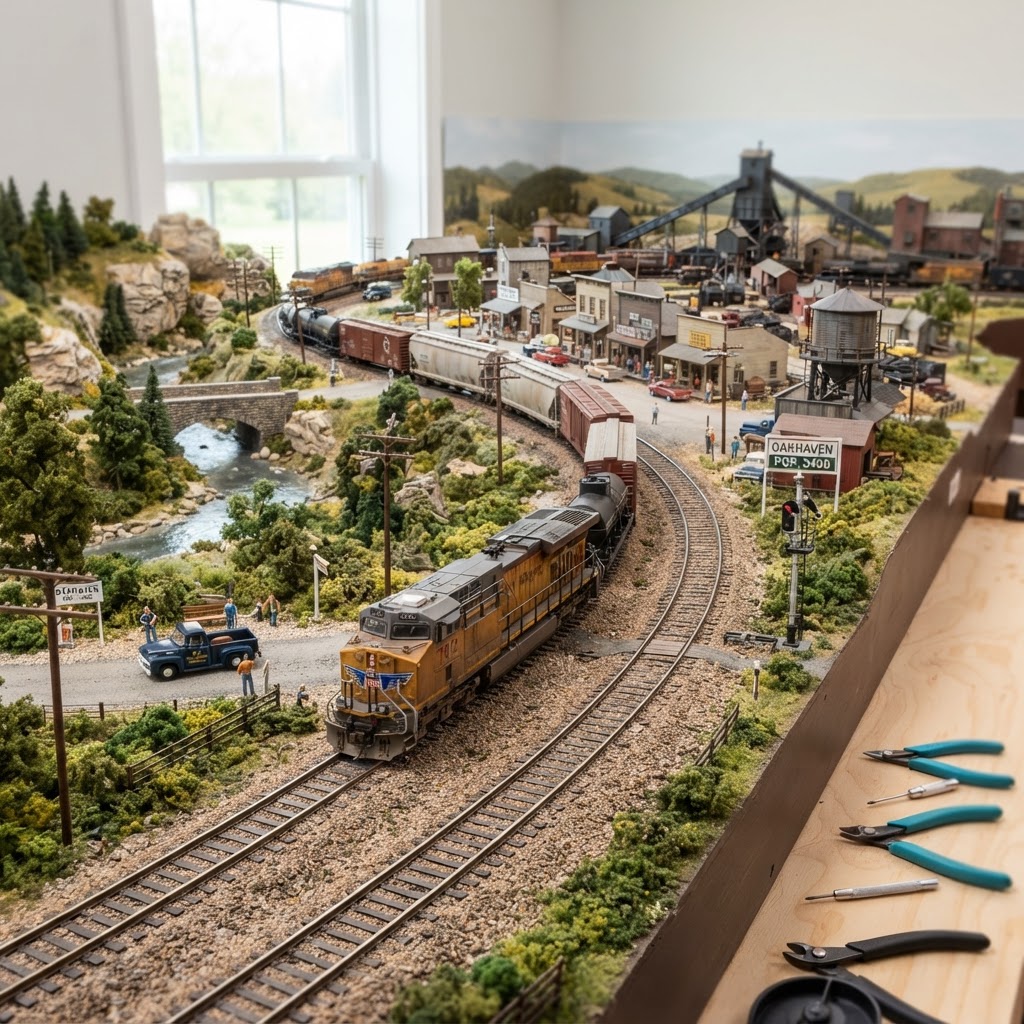
Whether you're just getting started or setting up your first permanent layout, having the right equipment on hand makes all the difference. The best beginner model railroad tools aren't just about convenience — they're about making your experience more enjoyable, more precise, and ultimately more rewarding. Without the proper toolkit, even simple tasks like laying track, wiring decoders, or building scenery can become frustrating ordeals that discourage newcomers from sticking with the hobby.
Model railroading is one of the most immersive and creative hobbies out there, blending elements of engineering, art, and storytelling into a single tabletop world. But just like any craft, the quality of your results depends heavily on the tools you use. A poorly cut piece of track, a crooked building, or a botched solder joint can derail your enthusiasm just as quickly as it derails your trains. That's why investing in a solid set of starter tools early on is one of the smartest moves you can make.
In this guide, we'll walk you through the 10 best beginner model railroad tools you should have in your workshop from day one. Whether you're working in HO scale, N scale, or O scale, most of these tools are universal and will serve you across years of layout building. If you're still deciding on a scale, check out our guide on What Is the Best Beginner Train Scale? A Complete Guide to Starting Your Hobby before diving in.
Why the Right Tools Matter in Model Railroading
Before we jump into the list, it's worth taking a moment to understand why tools matter so much in this hobby. Model railroading involves a surprisingly wide range of tasks — cutting foam and wood for benchwork, soldering electrical connections, painting and weathering rolling stock, laying and spiking track, and assembling detailed kits.
Each of these tasks demands a different set of tools, and using the wrong ones can lead to poor results or even damaged models. A hobby knife used where you need a rail cutter, or bare fingers where you need tweezers — these small mistakes add up. The good news is that most of the essential tools are affordable and easy to find, and once you've built your toolkit, you'll be set for the long haul.
The 10 Best Beginner Model Railroad Tools
1. Hobby Knife (X-Acto Knife)
No modeler's toolkit is complete without a good hobby knife. The X-Acto knife is the gold standard for model railroaders, and for good reason. It's lightweight, razor-sharp, and available in a variety of blade styles for different tasks. Use it to trim plastic kit parts, cut masking tape for painting, score foam board for terrain, and clean up mold lines on rolling stock.
What to look for: Get a #1 handle with a pack of #11 blades. Replace blades frequently — a dull blade is less accurate and more dangerous than a sharp one.
2. Rail Cutters (Flush-Cut Nippers)
Cutting model railroad track to fit your layout is one of the most common tasks you'll face, and doing it cleanly matters for both electrical continuity and appearance. A standard pair of wire cutters will leave a rough, angled cut that can cause derailments. Flush-cut nippers (also called sprue cutters or rail nippers) leave a clean, perpendicular cut that fits flush against rail joiners.
Pro tip: After cutting, use a small flat file to smooth any burrs on the rail ends. This prevents wheels from catching and derailing.
3. Needle-Nose Pliers
Needle-nose pliers are one of the most versatile tools in any model railroad toolkit. You'll use them to bend wire, insert rail joiners, grip small parts, adjust couplers, and handle countless other fine-detail tasks. Look for a pair with a fine, tapered tip for maximum precision.
Bonus: Get a pair with a side cutter built in — this gives you additional utility without adding bulk to your tool roll.
4. Soldering Iron and Solder
If you're planning to wire your layout — and you should be — a soldering iron is non-negotiable. Soldering ensures reliable electrical connections that won't loosen over time, which is critical for consistent performance from your locomotives and accessories.
For beginners, a temperature-controlled soldering station in the 25–40 watt range is ideal. Avoid cheap fixed-temperature irons that can overheat and damage plastic ties or decoder components.
What you'll need:
- A quality soldering iron with a fine tip
- 60/40 rosin-core solder (not acid-core)
- Solder wick or a solder sucker for cleanup
- Helping hands or a third-hand tool to hold wires in place
If you're planning to install DCC decoders, proper soldering skills become even more essential. Check out our comparison of Kato vs Bachmann DCC: Which Control System Is Right For Your Layout? for more on decoder installation requirements.
5. Digital Calipers
Precision matters in model railroading, especially when working in smaller scales like N or Z. Digital calipers let you measure parts, track gauges, clearances, and spacing with accuracy down to a fraction of a millimeter. They're invaluable when building structures, checking wheel gauge, or scratchbuilding.
You don't need to spend a lot here — a basic set of digital calipers from a hardware store will do the job beautifully. Once you start using them, you'll wonder how you ever managed without them.
6. Track Gauge Tool
A track gauge tool is a simple but essential device that ensures your track is correctly spaced at the right width for your chosen scale. Incorrect track gauge is one of the most common causes of derailments and operational problems for beginners.
Most gauge tools are scale-specific, so make sure you buy one that matches your scale. If you're still deciding between scales, our detailed breakdown of HO Scale vs N Scale: A Comprehensive Guide to Choosing the Perfect Model Train Size can help you make that call before purchasing gauge-specific tools.
7. Tweezers (Multiple Types)
No beginner toolkit is complete without a set of precision tweezers. Model railroading involves an enormous number of tiny parts — detail parts, decoder wires, small screws, decals, and miniature figures. Trying to handle these with your fingers is a recipe for lost parts and sloppy placements.
Recommended types:
- Straight tweezers for general handling
- Curved tweezers for reaching into tight spaces
- Anti-static tweezers if you're working with DCC decoders or electronics
Look for tweezers with a non-slip grip and fine, well-aligned tips that close precisely without crossing.
8. Foam Cutter or Hot Wire Cutter
If you're planning to build scenery — and what fun would a layout be without it? — a foam cutter is one of the most satisfying tools you can own. Extruded polystyrene foam (the pink or blue stuff from the hardware store) is the preferred substrate for modern model railroad layouts because it's lightweight, easy to shape, and takes paint and glue well.
A hot wire foam cutter slices through foam cleanly and precisely, leaving smooth edges without the crumbling and mess you get from knives or saws. It's ideal for cutting terrain profiles, mountain shapes, roadbeds, and more.
9. Paintbrushes (Detail Brushes)
Painting is an enormous part of model railroading. From weathering locomotives to painting structures and scenic elements, you'll need a range of quality detail brushes. Cheap craft brushes lose their tips quickly and make precise work nearly impossible.
What to get:
- A set of fine detail brushes in sizes 00, 0, and 1
- A medium flat brush for base-coating structures
- A wide, soft brush for dry brushing weathering effects
Take care of your brushes by cleaning them thoroughly after every use. With proper care, a quality brush will last for years.
10. Magnifying Lamp or Optivisor
As you work with increasingly small parts and fine details, your eyes will thank you for investing in a magnifying lamp or an Optivisor headband magnifier. These tools let you see exactly what you're doing when soldering tiny wire connections, applying decals, or painting minuscule details on figures and rolling stock.
A magnifying lamp with built-in LED lighting is particularly useful because it eliminates shadows and illuminates your work surface evenly. This is especially important for older hobbyists or those working in N scale, where parts can be extraordinarily small.
Building Your Tool Kit on a Budget
You don't need to buy all of these tools at once. A smart approach for beginners is to start with the essentials — a hobby knife, flush-cut nippers, needle-nose pliers, and tweezers — then add tools as specific needs arise. As you progress into wiring, add a soldering station. As you begin building scenery, add a foam cutter.
For curated product picks across all categories, visit our recommended products page, where we've compiled our top picks for beginner modelers across every price range.
You might also find it helpful to explore our guides on Best Model Train Kits For Beginners: A Complete Starter Guide and 5 Best Beginner Model Train Kits To Start Your Hobby Today to understand what types of projects your tools will need to support.
Tips for Organizing Your Model Railroad Workshop
Having tools is one thing — being able to find them when you need them is another. Here are a few organizational strategies that work well for model railroaders:
Use a Tool Roll or Small Tool Bag
Keep your most-used hand tools together in a dedicated tool roll. This keeps them protected, portable, and easy to locate.
Label Your Storage Bins
Invest in a set of small stackable bins or a parts organizer with multiple compartments. Label everything clearly — this is especially important for tiny screws, rail joiners, and detail parts that look identical but aren't.
Designate a Dedicated Work Area
Even a small corner of a table or a portable folding surface can serve as your dedicated modeling area. Having a consistent workspace helps you stay organized and reduces the risk of losing small parts or tools.
Frequently Asked Questions
What tools do I need to start model railroading?
At a minimum, beginners should start with a hobby knife, flush-cut rail nippers, needle-nose pliers, and a set of tweezers. As your layout grows, you'll want to add a soldering iron, track gauge, digital calipers, and foam-cutting tools.
Do I need to solder to build a model railroad?
While it's technically possible to build a basic layout without soldering using rail joiners alone, soldering your track feeders and electrical connections will dramatically improve reliability and reduce troubleshooting headaches. It's a skill well worth learning early.
Are model railroad tools different from regular hobby tools?
Many standard hobby and craft tools — like X-Acto knives, tweezers, and paintbrushes — work perfectly for model railroading. However, certain tools like track gauge tools and rail cutters are specifically designed for the hobby and worth buying purpose-made versions.
What scale should I start with before buying scale-specific tools?
Some tools, like track gauges, are scale-specific, so it's worth choosing your scale before purchasing them. For advice on picking the right scale, read our guide on HO Scale vs N Scale: A Comprehensive Guide to Choosing the Perfect Model Train Size or explore Top 5 Model Railroad Brands for Beginners: A Guide to Getting Started for brand-specific recommendations.
How much should a beginner spend on model railroad tools?
A solid beginner toolkit can be assembled for $50–$150 depending on quality. Prioritize a good hobby knife, rail nippers, and tweezers first, then add a soldering station when you're ready to tackle wiring. Avoid the cheapest options for soldering irons — quality matters more there than almost anywhere else.
Conclusion
Building a well-equipped workshop doesn't happen overnight, but every tool you add to your collection brings you one step closer to the layout of your dreams. The best beginner model railroad tools are the ones that make your work easier, more precise, and more enjoyable — and the ten tools we've covered in this guide will serve you through every stage of the hobby, from your very first starter set to a sprawling multi-level masterpiece.
Ready to keep learning? Explore our beginner-friendly guides on everything from 10 Best HO Scale Starter Sets for Beginners to 10 Best DCC Control Systems For Model Train Beginners: A 2024 Guide. There's always something new to discover at Model Train Insider.
Affiliate Disclosure: Some links in this article are affiliate links. We may earn a commission at no extra cost to you.
Enjoying this guide?
Browse our favorite recommended products.
James Mitchell
Model Train Enthusiast & Writer
James has been building layouts and collecting trains for over 15 years. He started Model Train Insider to help newcomers navigate the hobby with practical, no-nonsense advice drawn from hands-on experience.
Stay on Track
Get beginner guides, brand reviews, and layout tips delivered to your inbox. No spam—just trains.
Free forever. Unsubscribe anytime.
Related Articles
5 Best Starter DCC Controllers for New Model Railroad Hobbyists
Looking for the best starter DCC controller? We evaluate the top 5 entry-level systems to help you easily control your model train layout with precision.
Read more
10 Essential Tools for Model Railroading: The Ultimate Starter Toolkit
Building a layout? Discover the 10 best tools for model railroading that every beginner needs to achieve professional results and precise detailing.
Read more
Best Starter DCC Controllers Reviewed: Top Picks for New Model Railroaders
Looking to upgrade your layout? We review the best starter DCC controllers to help beginners take full control of their model trains with ease and precision.
Read more