Choosing a Model Train Scale: The Ultimate Guide for Beginners
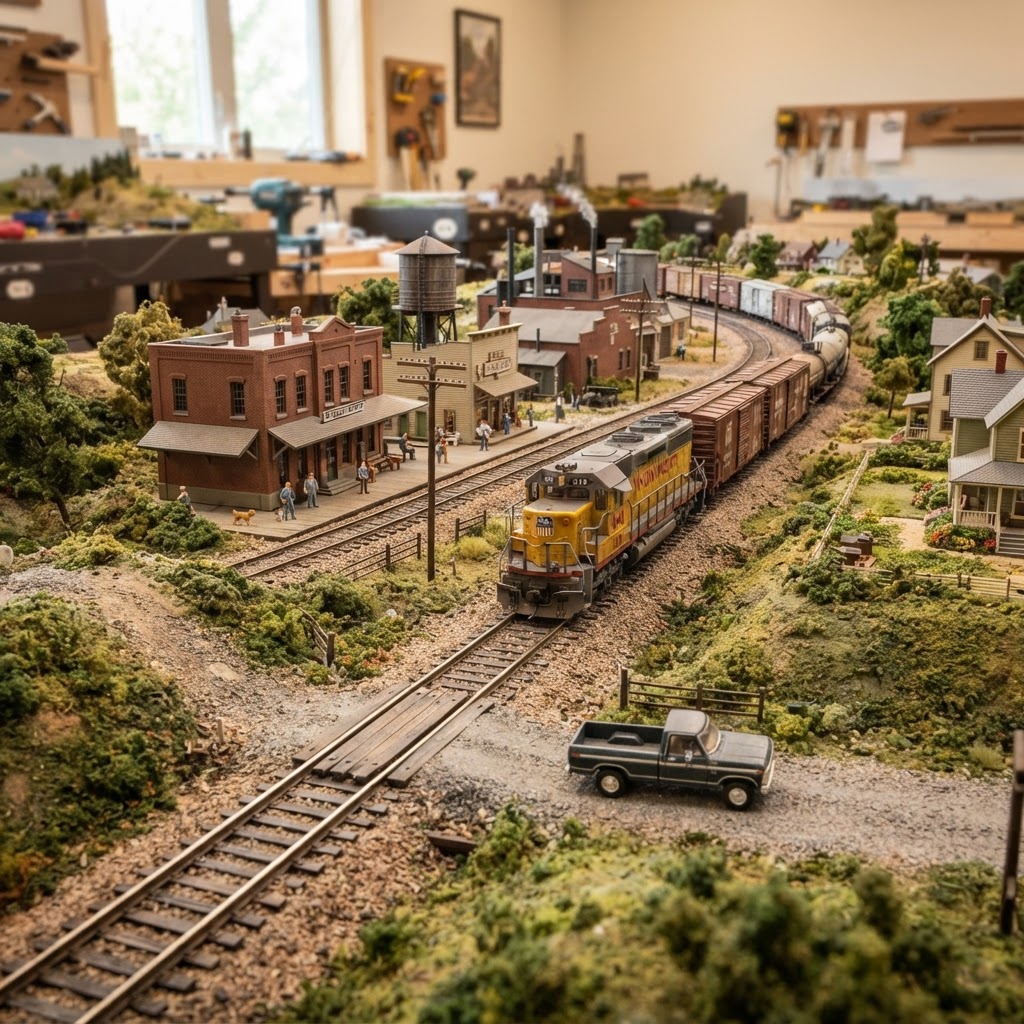
If you've ever watched a model train glide smoothly around a beautifully detailed layout and thought, "I want to build that," you're not alone. Model railroading is one of the most rewarding hobbies you can pick up, blending creativity, engineering, and a deep love of trains into a single satisfying pursuit. But before you buy your first locomotive or start planning your dream layout, there's one foundational decision you need to make: choosing a scale. For beginners, this single choice will shape everything from how much space you need to how much you'll spend and how easy it will be to find compatible equipment.
Choosing a scale for beginners can feel overwhelming at first. Walk into any hobby shop — or scroll through any online retailer — and you'll encounter a dizzying array of options: HO, N, O, G, Z, and more. Each scale has its own community, its own ecosystem of products, and its own set of trade-offs. The good news is that there's no universally "wrong" answer. The best scale for you depends on your specific circumstances, goals, and preferences. This guide will walk you through everything you need to know to make a confident, informed decision.
By the end of this article, you'll understand the most popular model railroad scales, know exactly which factors to weigh when making your choice, and have a clear sense of where to go next. Whether you have a spare bedroom to dedicate to a sprawling layout or just a bookshelf to work with, there's a scale that's perfect for you. Let's dive in.
Understanding Model Railroad Scales
Before comparing the options, it helps to understand what "scale" actually means in the context of model railroading.
What Is a Scale?
A scale is the ratio between the size of the model and the size of the real thing. For example, HO scale is 1:87, meaning one inch on the model equals 87 inches on a real locomotive. The larger the second number in the ratio, the smaller the model.
It's also worth distinguishing between scale and gauge. Scale refers to the proportional size of the model, while gauge refers to the distance between the rails. Sometimes these terms are used interchangeably in casual conversation, but they are technically different. Most beginners don't need to worry about this distinction right away, but it's good to have in the back of your mind.
The Most Popular Model Railroad Scales
HO Scale (1:87)
HO scale is by far the most popular scale in North America and Europe, and for very good reasons. It strikes an ideal balance between size, detail, and affordability. At roughly half the size of O scale, HO is small enough to allow for reasonably sized layouts without requiring an entire room, yet large enough to feature impressive levels of detail that are easy to see and appreciate.
Why beginners love HO scale:
- The largest selection of locomotives, rolling stock, and accessories of any scale
- Wide variety of track systems, including options discussed in our Kato Unitrack vs. Bachmann E-Z Track comparison
- Moderate price point — not the cheapest, but not the most expensive
- Easy to find at local hobby shops and online retailers
- Large, active community with abundant tutorials and resources
Space requirements: A basic oval can fit on a 4×8-foot sheet of plywood, making it manageable for most homes.
If you're leaning toward HO, check out our Best Starter Model Train Sets For Beginners 2024 guide for product recommendations.
N Scale (1:160)
N scale is the second most popular scale and is especially well-loved by hobbyists who are short on space. At roughly half the size of HO, N scale trains allow you to build impressive, expansive layouts in a fraction of the footprint. You can model sweeping mountain passes, long freight runs, and multi-track yards in the space where an HO layout might only have room for a simple loop.
Why beginners choose N scale:
- Perfect for apartments, small rooms, or desktop layouts
- Impressive scenery potential despite compact size
- Good product availability, though not as vast as HO
- Great for modeling long trains and sweeping landscapes
The trade-offs: The small size makes detailed work more challenging and requires steady hands for maintenance. Some beginners find the tiny components tricky to handle at first.
For specific locomotive recommendations, take a look at our list of the Top 10 Best N Scale Locomotives for Compact Layouts in 2024.
O Scale (1:48)
O scale is one of the oldest and most iconic model railroad scales, closely associated with classic American manufacturers like Lionel and MTH. These are the big, bold, beautiful trains that many people remember from childhood — and they remain enormously popular today, especially among collectors and operators who prioritize visual impact over space efficiency.
Why beginners choose O scale:
- Large, easy-to-handle models with exceptional detail
- Strong collector community and excellent resale value
- Iconic brands with decades of history
- Great for display-focused layouts
The trade-offs: O scale requires significantly more space and tends to cost more than HO or N scale. Curves are wider, so even a basic oval can require a dedicated room.
If you're considering O scale, our comparison of Lionel vs MTH is essential reading before you commit to a brand.
G Scale (1:22.5 and similar)
G scale — sometimes called Large Scale — is the giant of the model railroad world. These trains are built for outdoor garden railroads as much as indoor layouts, and they're incredibly durable. G scale is a fantastic choice for hobbyists who want to create a backyard railroad empire or who want a layout that doubles as a festive holiday display.
Why beginners choose G scale:
- Extremely durable and well-suited for outdoor use
- Easy to handle and see detail — great for older hobbyists or those with dexterity challenges
- Spectacular visual presence indoors or out
The trade-offs: G scale is expensive and requires large amounts of space. Most beginners on a budget or in smaller homes will find it impractical.
Z Scale (1:220)
At the other extreme, Z scale is the smallest commercially available scale for most hobbyists. It's a niche choice, but one with a passionate following. Z scale allows for incredibly detailed layouts in a briefcase-sized footprint.
Why some beginners choose Z scale:
- Smallest footprint of any mainstream scale
- Impressive when done well
- Unique conversation piece
The trade-offs: Limited product availability, higher prices for what you get, and very small components that demand precision. Z scale is generally not recommended as a first scale for most beginners.
Key Factors to Consider When Choosing Your Scale
Available Space
This is often the single most decisive factor. Be honest about how much permanent, dedicated space you have for a layout.
- Limited space (small apartment, desktop): Consider N scale or even Z scale
- Moderate space (spare bedroom, basement corner): HO scale is ideal
- Generous space (full basement, large room): HO, O, or even G scale all become viable
- Outdoor space available: G scale is worth serious consideration
Budget
Model railroading can be as affordable or as extravagant as you make it. In general:
- N scale tends to be slightly less expensive per item due to less material, but quality products still cost real money
- HO scale offers the best value-to-selection ratio for most beginners
- O scale and G scale command premium prices
Don't forget to budget for track, controllers, scenery materials, structures, and maintenance tools. Our list of Top 10 Essential Model Railroad Accessories Every Layout Needs is a great resource for understanding the full scope of what you'll want to acquire over time. You can also browse our recommended products page for curated beginner-friendly picks.
Your Goals as a Hobbyist
Ask yourself what aspect of the hobby excites you most:
- Operations: Running realistic train movements and schedules? HO and N are best supported
- Collecting: Acquiring beautiful, detailed locomotives? O scale has a rich collector tradition — see our Athearn Genesis vs Standard comparison for a sense of what detail levels can look like in HO
- Scenery and modeling: Building realistic landscapes? All scales support this, but HO and N are especially well-documented
- Garden railroading: G scale stands alone here
Availability of Products
One practical consideration that beginners sometimes overlook is local availability. If your nearest hobby shop stocks primarily HO scale, that's a meaningful advantage — you can browse in person, get advice from staff, and avoid shipping costs. HO scale also dominates online marketplaces, making it easy to find exactly what you need.
Community and Support
HO and N scale have the largest online communities, the most YouTube tutorials, and the most active clubs. If you're the type of learner who benefits from abundant resources, forums, and local clubs, HO scale has a clear edge.
Choosing a Control System: DCC vs. DC
Whichever scale you choose, you'll also need to decide how you want to control your trains. The two main options are DC (Direct Current) and DCC (Digital Command Control). DCC offers significantly more flexibility, allowing you to run multiple locomotives independently and add sound and lighting effects, but it has a steeper learning curve and higher upfront cost.
For a thorough breakdown, read our dedicated guide on DCC vs DC for Beginners. Most modern starter sets are DC-based and perfectly adequate for getting started.
Our Recommendation for Most Beginners
If you're asking for a straightforward recommendation: start with HO scale. It offers the best combination of product availability, community support, manageable size, and long-term expandability. You won't outgrow it, and you'll never struggle to find new locomotives, cars, or accessories.
That said, if space is genuinely limited, N scale is an excellent alternative that doesn't require you to sacrifice ambition.
Check out our guide to the Best Locomotives for Beginners and our roundup of the 10 Best Model Train Sets For Serious Adult Hobbyists In 2024 to start building your shopping list.
Once you have your first locomotive, you'll want to keep it running smoothly. Our guide to the 10 Best Model Train Maintenance Tools Every Enthusiast Needs will help you stay prepared.
Frequently Asked Questions
What is the easiest scale for beginners?
HO scale is widely considered the easiest scale for beginners due to its enormous product selection, abundant tutorials, and moderate size. The components are large enough to handle comfortably while still allowing for impressive layouts in a manageable space.
Is N scale too small for beginners?
N scale is not too small for most beginners, but it does require a bit more patience and care when handling small components and performing maintenance. If space is your primary constraint, N scale is a perfectly reasonable starting point — especially with good lighting and a pair of fine-tipped tweezers on hand.
How much does it cost to start a model railroad?
A basic starter set in HO or N scale can cost anywhere from $100 to $300 and will typically include a locomotive, a few cars, an oval of track, and a basic power pack. A more complete beginner layout with scenery and structures will likely run $500 to $1,000 or more depending on your ambitions.
Can I switch scales later?
Technically, yes — but it's not without cost. Locomotives and rolling stock from one scale are not compatible with another, so switching scales means starting your collection over. It's worth taking time upfront to choose a scale you're confident about.
What scale is best for small apartments?
N scale is the top choice for small apartments, allowing for creative, detailed layouts in a very compact footprint. Z scale is even smaller but has limited product availability and higher costs. Many N scale hobbyists build impressive layouts on a single door or a 2×4-foot shelf.
Conclusion
Choosing a scale is the first and most important decision you'll make as a new model railroader, but it doesn't have to be stressful. By honestly assessing your available space, budget, and hobby goals, you can confidently narrow down your options and find the scale that's truly right for you. For most beginners, HO scale offers the smoothest on-ramp into the hobby — but N scale, O scale, and others each have compelling strengths worth considering.
The most important thing is simply to get started. Every experienced modeler you admire began exactly where you are right now. Explore our other beginner guides here on Model Train Insider, build your knowledge, and don't be afraid to lay down that first loop of track. The journey is every bit as enjoyable as the destination.
Affiliate Disclosure: Some links in this article are affiliate links. We may earn a commission at no extra cost to you.
Enjoying this guide?
Browse our favorite recommended products.
James Mitchell
Model Train Enthusiast & Writer
James has been building layouts and collecting trains for over 15 years. He started Model Train Insider to help newcomers navigate the hobby with practical, no-nonsense advice drawn from hands-on experience.
Stay on Track
Get beginner guides, brand reviews, and layout tips delivered to your inbox. No spam—just trains.
Free forever. Unsubscribe anytime.
Related Articles
5 Best Beginner Model Train Brands to Start Your Hobby Today
Looking to start your model railroad journey? Discover the top beginner-friendly train brands that offer high quality, reliability, and ease of use.
Read more
Best Model Train Starter Sets of 2024: Top Picks for New Hobbyists
Looking for the best train starter sets? Discover our expert guide to the top model railroad kits for beginners to start their journey into the hobby today.
Read more
5 Best Starter DCC Controllers for New Model Railroad Hobbyists
Looking for the best starter DCC controller? We evaluate the top 5 entry-level systems to help you easily control your model train layout with precision.
Read more