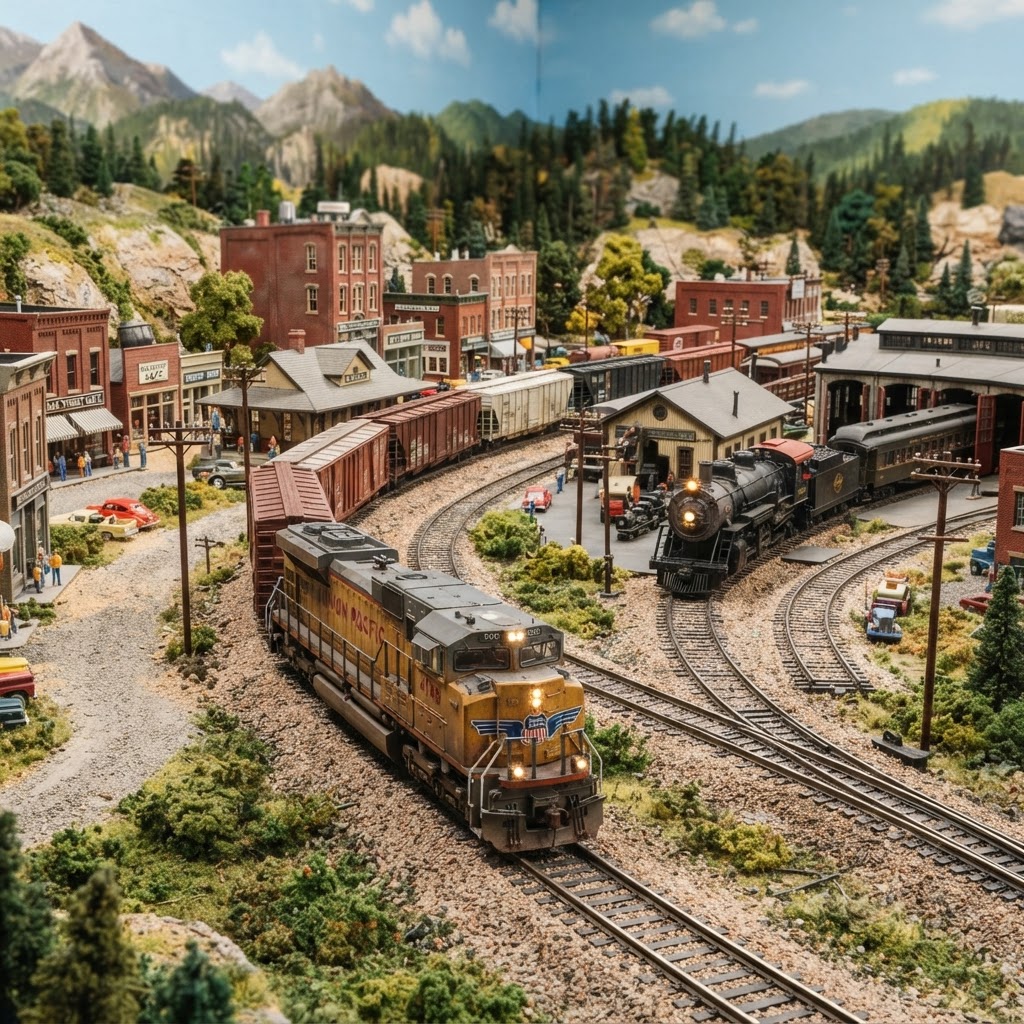
Top 10 Essential Model Railroad Accessories Every Layout Needs
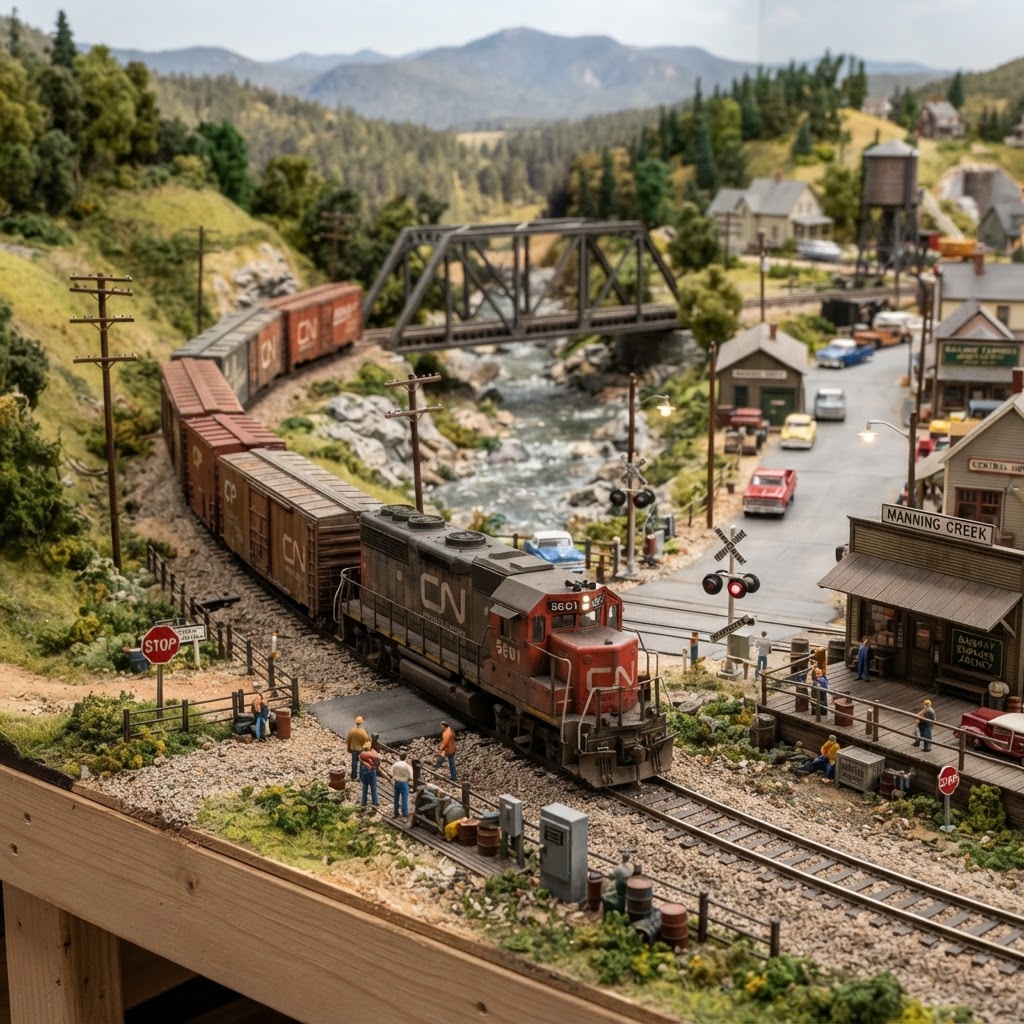
Whether you're just starting out or you've been running trains for decades, having the right gear can make all the difference in your layout's realism, reliability, and overall enjoyment. The world of model railroading is rich with options, and knowing which top 10 model railroad accessories are truly worth your investment can save you time, money, and plenty of frustration. From essential track-cleaning tools to sophisticated digital control systems, the accessories you choose will shape every aspect of your hobby experience.
Building a compelling layout isn't just about the locomotives and rolling stock — it's about the entire ecosystem that supports them. Scenery materials, lighting, sound systems, and power supplies all work together to bring your miniature world to life. Whether you're operating a tight around-the-Christmas-tree loop or an ambitious basement empire with multiple operating lines, the right accessories transform a simple toy train setup into a captivating, museum-quality display.
In this guide, we've compiled a practical, well-rounded list of the top 10 model railroad accessories that every serious hobbyist should consider adding to their toolkit. We'll cover everything from the basics that beginners need on day one to the advanced upgrades that experienced modelers use to take their layouts to the next level. Let's dive in.
Why Accessories Matter in Model Railroading
Before we jump into the list, it's worth understanding why accessories are so critical to the hobby. A locomotive without a well-maintained track is unreliable. A beautifully detailed layout without proper lighting looks flat and unconvincing. Scenery without thoughtful groundcover looks sterile and unfinished.
Accessories are the connective tissue of your layout. They enhance operation, improve realism, and protect your investment in locomotives and rolling stock. If you're just getting started, check out our Best Starter Model Train Sets For Beginners 2024: A Buyer's Guide to make sure you have a solid foundation before adding accessories on top.
The Top 10 Essential Model Railroad Accessories
1. Track Cleaning System
Nothing derails a good operating session faster — literally — than dirty track. Oxidation, dust, and oil buildup on your rails cause poor electrical conductivity, which leads to stuttering locomotives, flickering lights, and frequent stops.
A quality track cleaning system is arguably the single most important accessory you can own. Options range from simple cleaning cars that drag an abrasive pad along the rails to more advanced systems that apply cleaning fluid while simultaneously vacuuming up debris. For regular maintenance, a track cleaning car combined with a good rail-cleaning fluid is the gold standard.
Pro tip: Clean your track before every major operating session, especially if your layout has been sitting idle for a few weeks. You'll be amazed at the difference it makes.
For more detail on the tools that keep your layout running smoothly, visit our guide to the 10 Best Model Train Maintenance Tools Every Enthusiast Needs.
2. Digital Command Control (DCC) System
If you're still running your layout on traditional DC power, upgrading to a DCC system is one of the most transformative things you can do. DCC allows you to independently control multiple locomotives on the same track, program individual engine addresses, and integrate sound decoders for realistic engine noise, whistles, and bells.
For beginners who aren't sure which system is right for them, our comprehensive guide on DCC vs DC For Beginners: Choosing The Best Control System For Your Layout walks through all the key differences. If you're ready to make the jump, our Best Starter DCC Sets: A Beginner's Guide to Digital Command Control will help you choose the right entry-level system.
Popular DCC brands include Digitrax, NCE, and Bachmann's EZ Command system — each offering different levels of complexity and expandability depending on your needs.
3. Sound Decoders
Paired naturally with DCC, sound decoders add an incredible layer of immersion to any layout. Imagine hearing the chuff of a steam locomotive as it crests a grade, the squeal of brakes as a freight train slows for a siding, or the diesel prime mover revving up as a locomotive accelerates out of a yard.
Modern sound decoders from brands like SoundTraxx and ESU LokSound are remarkably detailed, capturing the unique acoustics of specific prototype engines. If you're a steam enthusiast, our article on the Top 7 Best Steam Locomotives For Serious Collectors highlights models that are often DCC and sound-ready right out of the box.
4. Scenery and Groundcover Materials
A layout without scenery is just track on a board. Groundcover materials — including static grass, ground foam, ballast, and rock castings — are what transform bare plywood into a convincing miniature landscape.
Here's a quick breakdown of essential scenery materials:
- Static grass: Creates realistic meadows, field edges, and overgrown sidings
- Ground foam: Excellent for modeling bushes, tree foliage, and general ground texture
- Ballast: Gives your track a prototypically correct roadbed appearance
- Plaster or foam rock molds: Used to create convincing rock faces, cliffs, and cuts
- Scenic water products: Two-part epoxy or realistic water products simulate rivers, ponds, and puddles
Woodland Scenics is one of the most trusted names in scenery materials and offers complete terrain systems for modelers at every skill level. Investing in quality scenery materials early will pay dividends in the visual impact of your layout for years to come.
5. Model Railroad Lighting (LED Lighting Kits)
Lighting is one of the most underrated accessories in the hobby. Strategic LED lighting can completely change the atmosphere of your layout, illuminating building interiors, street scenes, yard areas, and even adding flickering effects for fireplaces or welding shops.
LED strip lights are commonly used to light the underside of layout fascias, creating a diffused ambient light across the entire scene. Individual building lighting kits allow you to illuminate structures from the inside, giving your town scenes a warm, inhabited glow during night operations.
What to look for:
- Warm white LEDs for building interiors and street lamps
- Cool white or blue LEDs for moonlight or industrial settings
- Flickering LED modules for special effects like fires or neon signs
Many modelers also install lighting on their passenger cars and locomotives to enhance realism during operations. It's a relatively low-cost upgrade with a dramatic visual payoff.
6. Turnout (Switch) Motors and Controllers
Manual turnouts are fine when you're starting out, but as your layout grows, reaching across the layout to throw switches becomes impractical and risks knocking over carefully placed scenery. Motorized turnout controllers allow you to operate all your switches from a central panel or even through your DCC system.
Popular options include Tortoise switch machines, which are known for their slow, prototypical throw action, and the more affordable Peco and Atlas snap switches for smaller layouts. Wiring turnouts to a control panel with LEDs that indicate track routing is a satisfying project that also improves operational efficiency significantly.
7. Power Supply and Electrical Accessories
Reliable power is the backbone of any layout. A quality power supply that delivers clean, consistent current will prevent all manner of operational headaches — from stuttering locomotives to erratic decoder behavior.
Key electrical accessories to consider include:
- Circuit breakers: Protect your layout wiring from short circuits
- Block detection modules: Allow you to automate train detection and signaling
- Terminal strips and bus wiring: Ensure clean electrical connections across your entire layout
- Reverse loop modules: Automatically handle polarity changes when running through reversing sections
If you're choosing between DCC and DC for your power setup, our detailed comparison at DC vs DCC Control Systems: A Comprehensive Guide for Model Railroaders is an excellent resource to review before you buy.
8. Structures and Building Kits
Structures — including depots, engine houses, industries, and lineside buildings — are what give your layout a sense of place and purpose. They tell the story of why your railroad exists and what it's serving.
Building kits range from simple snap-together plastic structures aimed at beginners to highly detailed laser-cut wood kits designed for experienced modelers. Kit manufacturers like Walthers, Atlas, and Woodland Scenics offer options across all scales and difficulty levels.
When selecting structures, think about your railroad's region and era. A New England fishing village looks very different from a Southwest desert mining operation, and choosing period-appropriate buildings dramatically improves the visual coherence of your layout.
9. Couplers and Uncoupling Tools
Reliable couplers are essential for smooth operations. Most modern locomotives and rolling stock come equipped with Kadee-compatible knuckle couplers, which closely mimic the appearance and function of real railroad couplers.
Kadee couplers are the industry gold standard and are available in numerous configurations to fit different brands and scales. An uncoupling tool — either a simple bent wire tool or a magnetic uncoupler embedded in the track — allows you to uncouple cars without touching them, enabling realistic switching operations.
Tip for beginners: If you're assembling a first fleet of rolling stock, check out our guide to the Best Locomotives for Beginners: Top 5 Reliable Trains to Start Your Collection to ensure your motive power is compatible with standard knuckle couplers from the start.
10. Layout Design and Planning Software
Before you drive the first spike, having a solid track plan saves enormous amounts of time and materials. Layout planning software allows you to experiment with different configurations, test train clearances, and visualize your finished layout before you commit to cutting any lumber.
Popular software options include:
- AnyRail: User-friendly and compatible with most major track brands
- XtrkCAD: A free, open-source option with a large community
- Trainplayer: Excellent for visualizing operations and running virtual trains on your plan
Many serious modelers also use these tools to calculate grade percentages and minimum curve radii, ensuring that their chosen locomotives and cars will operate without problems on the finished layout. For ideas on locomotives suited to specific layout configurations, browse our 10 Best Model Train Sets For Serious Adult Hobbyists In 2024.
Bonus Tips for Getting the Most from Your Accessories
- Buy quality over quantity. A few high-quality accessories will serve you better than a pile of cheap, unreliable gear.
- Plan your purchases. Think about how each accessory fits into your long-term layout plan before buying.
- Join a club or online community. Fellow hobbyists are an invaluable resource for product recommendations and installation tips.
- Check our recommended products page for curated selections across all major accessory categories.
Frequently Asked Questions
What are the most important model railroad accessories for beginners?
For beginners, the three most essential accessories are a reliable track cleaning system, a quality power supply, and some basic scenery materials. These three categories will have the most immediate impact on both the operation and appearance of your layout. If you're starting from scratch, our Best Starter Model Train Sets For Beginners 2024: A Buyer's Guide is a great first stop.
Is DCC worth it for a small layout?
Yes — even on a small layout, DCC offers significant advantages, including independent multi-train control and sound integration. Entry-level DCC systems are affordable and easy to set up. See our guide on DCC vs DC For Beginners for a full breakdown of the pros and cons.
How often should I clean my model railroad track?
For most hobbyists, cleaning track before each major operating session is a good rule of thumb. If your layout is in a dusty environment or sees heavy use, you may need to clean more frequently. A track cleaning car used during regular running sessions can significantly reduce the buildup between deep cleanings.
What scale is best for accessories and availability?
HO scale (1:87) offers the widest selection of accessories, structures, rolling stock, and scenery materials of any scale, making it the most practical choice for hobbyists who want maximum variety. N scale is second in terms of product availability and is ideal for those with limited layout space.
Can I mix accessories from different manufacturers?
In most cases, yes — especially for scenery materials, lighting, and electrical components. Couplers and track require more attention to compatibility, but the model railroad industry has largely standardized around common coupler types (Kadee-style knuckle couplers) and track standards (NMRA standards) to ensure interoperability across brands.
Conclusion
Building a great model railroad layout is a journey, and choosing the right accessories is a major part of what makes that journey rewarding. From keeping your track clean and your power reliable to adding breathtaking scenery and immersive sound, the top 10 model railroad accessories covered in this guide represent the core investments that will elevate your hobby from the ground up.
Whether you're comparing locomotive brands like in our Athearn Genesis vs Standard: Is the Premium Upgrade Worth Your Investment? article, or deciding between control systems in our DC vs DCC Control Systems guide, Model Train Insider is here to help you make informed, confident decisions at every stage of your modeling journey.
Explore more of our guides, dive deeper into the topics that interest you most, and don't forget to check out our recommended products page for hand-picked accessories that our team trusts and uses.
Happy modeling — and may your trains always run on time.
Affiliate Disclosure: Some links in this article are affiliate links. We may earn a commission at no extra cost to you.
Enjoying this guide?
Browse our favorite recommended products.
James Mitchell
Model Train Enthusiast & Writer
James has been building layouts and collecting trains for over 15 years. He started Model Train Insider to help newcomers navigate the hobby with practical, no-nonsense advice drawn from hands-on experience.
Stay on Track
Get beginner guides, brand reviews, and layout tips delivered to your inbox. No spam—just trains.
Free forever. Unsubscribe anytime.