5 Best Starter DCC Controllers for New Model Railroad Hobbyists
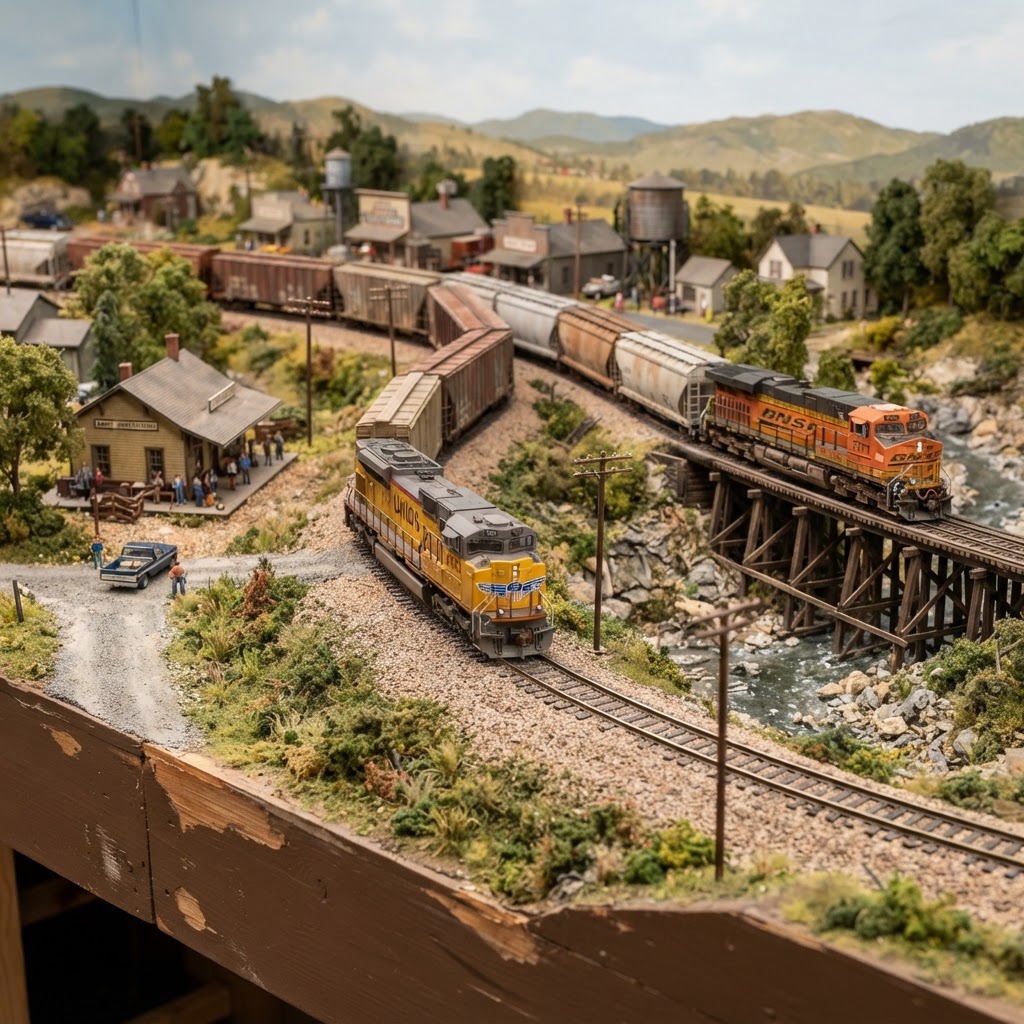
Finding the best starter DCC controller can feel overwhelming when you're just stepping into the world of digital command control. With dozens of options on the market — ranging from basic throttle units to feature-packed command stations — it's easy to get lost in the specs and jargon before you've even laid a single piece of track. The good news is that the modern DCC market has never been more beginner-friendly, and there are several excellent entry-level systems that make learning the ropes genuinely enjoyable rather than frustrating.
Whether you're building your first layout or upgrading from a simple DC power pack, choosing the right DCC controller sets the tone for your entire hobby experience. A great starter system should be intuitive enough to use on day one, yet capable enough to grow with you as your layout expands and your skills develop. In this guide, we've done the research so you don't have to — breaking down the top five starter DCC controllers available today, what makes each one stand out, and which type of hobbyist each system suits best.
Before diving in, it's worth noting that your DCC controller is just one piece of the puzzle. If you're brand new to the hobby, you might also want to check out our guide to 10 Essential Tools for Model Railroading: The Ultimate Starter Toolkit to make sure you have everything you need for a smooth start. Now, let's get into the systems that deserve a spot on your workbench.
What Is a DCC Controller and Why Does It Matter?
Before we jump into product recommendations, let's quickly cover the basics. DCC stands for Digital Command Control — a standardized system that allows you to independently control multiple locomotives on the same track using digital signals. Unlike traditional DC systems where the track voltage controls speed, DCC sends a constant power signal to the rails while individual decoders installed in each locomotive interpret digital commands for speed, direction, lighting, and sound.
The controller — sometimes called a command station or throttle — is what you use to send those commands. It's the brain and the hands of your DCC setup, and choosing one that matches your skill level and layout goals is essential. A system that's too complex can discourage beginners, while one that's too limited will force you to upgrade sooner than you'd like.
If you're still figuring out which scale you'll be modeling, take a detour over to our Choosing a Model Train Scale: The Ultimate Guide for Beginners before investing in a control system — your scale choice can sometimes influence which DCC system makes the most sense.
What to Look for in a Starter DCC Controller
Ease of Use
The most important factor for beginners is intuitive operation. Look for a controller with a clear display, logical button layout, and straightforward programming. Some systems include helpful quick-start guides and tutorial modes that flatten the learning curve considerably.
Amperage Output
The power output of a DCC system is measured in amps. For a small starter layout with a few locomotives, a 2–3 amp system is usually sufficient. HO scale layouts with multiple trains running simultaneously may eventually need more, but for getting started, this range covers most needs.
Decoder Compatibility
Most modern DCC systems follow the NMRA DCC standard, meaning they're broadly compatible with decoders from all major manufacturers. Still, it's worth confirming compatibility before buying. For help choosing decoders for your locomotives, see our Best DCC Decoders for Locomotive Upgrades: A Comprehensive Guide.
Expandability
Even as a beginner, you'll want a system with room to grow. Look for controllers that support additional throttles, computer interfaces, or layout automation features — even if you don't plan to use those features right away.
Price
Starter DCC systems typically range from $100 to $250. You don't need to spend top dollar to get a capable system, but going too cheap can mean sacrificing reliability or features you'll quickly wish you had.
Top 5 Starter DCC Controllers
1. Digitrax Zephyr Extra (DCS52)
Best Overall Starter System
The Digitrax Zephyr Extra has long been a go-to recommendation in the model railroading community, and for good reason. This compact command station packs a surprising amount of capability into a beginner-friendly package. It outputs 2.5 amps, which is plenty for a starter layout, and includes a built-in throttle that's comfortable to use right out of the box.
What sets the Zephyr Extra apart is its LocoNet connectivity, which means it can integrate with a massive ecosystem of Digitrax accessories, additional throttles, and computer interfaces down the line. Programming decoders is straightforward thanks to dedicated programming track outputs, and the front-panel controls are logically laid out without feeling cluttered.
The Zephyr Extra also supports jump ports, allowing you to plug in a DC power pack as an additional throttle — a clever feature if you have friends who want to operate trains with you before investing in wireless throttles.
- Output: 2.5 amps
- Price Range: ~$130–$150
- Best For: Beginners who want long-term expandability
2. NCE Power Cab
Best for Ease of Use
If simplicity is your top priority, the NCE Power Cab is hard to beat. This all-in-one system combines the command station and throttle into a single handheld unit, which means there's very little setup involved — plug it in, and you're running trains within minutes.
The Power Cab outputs 1.65 amps, which works well for small to medium starter layouts. The menu-driven interface is clear and well-documented, and NCE's reputation for excellent customer support makes it a particularly safe choice for hobbyists who may have questions as they learn the system.
One standout feature is the cab bus port, which allows you to connect additional throttles or upgrade to the NCE PowerHouse Pro system later without starting over from scratch. The Power Cab is widely regarded as one of the most beginner-friendly DCC systems on the market and consistently earns high marks in community forums and reviews.
- Output: 1.65 amps
- Price Range: ~$120–$140
- Best For: True beginners who want minimal setup and great support
3. Bachmann E-Z Command DCC Controller
Best Budget Option
For hobbyists on a tight budget who still want the benefits of DCC operation, the Bachmann E-Z Command system offers a low-cost entry point that gets the job done. It's a no-frills controller that focuses on the essentials: speed control, direction, and basic function activation.
At under $50, it's the most affordable dedicated DCC system on this list. The tradeoff is limited expandability — it's not designed to grow into a large, complex layout. But if you're just testing the waters with DCC, or building a small display layout, it's a perfectly capable starter tool.
Bachmann's E-Z Track system pairs naturally with this controller, and if you're curious about how it stacks up against other track systems, our Kato Unitrack vs. Bachmann E-Z Track: The Ultimate Comparison for Modelers is worth a read.
- Output: ~1 amp
- Price Range: ~$40–$55
- Best For: Budget-conscious beginners or casual hobbyists
4. MRC Prodigy Advance Squared
Best Mid-Range Value
The MRC Prodigy Advance Squared strikes a compelling balance between affordability and feature depth. It delivers 3.5 amps of output — more than most starter systems — making it a capable choice if you plan to run larger locomotives or expand your layout relatively quickly.
The large backlit LCD display makes programming and operation straightforward, and the system supports up to 99 locomotives in its memory, which is far more than most hobbyists will ever need. Wireless walk-around throttle support is included out of the box, giving you freedom to move around your layout while operating trains — a feature usually reserved for more expensive systems.
Sound function support is solid, which matters if you're planning to run locomotives equipped with sound decoders. For a look at how DCC sound compares across major brands, check out our MTH vs Lionel: Comparing Sound Fidelity and DCC Control Features article.
- Output: 3.5 amps
- Price Range: ~$170–$200
- Best For: Beginners planning a mid-size layout with sound-equipped locos
5. Hornby Elite DCC Controller
Best for International Hobbyists and OO/HO Modelers
The Hornby Elite is a polished, well-built DCC controller that's particularly popular in the UK but widely available worldwide. It features a 4 amp output, dual throttle knobs for controlling two locomotives simultaneously, and a clear color display that makes navigation intuitive.
The Elite supports a wide range of DCC functions and offers solid decoder programming capabilities. While it sits at the higher end of the starter price range, its build quality and dual-throttle design give it a premium feel that many beginners find motivating — there's something about a well-designed piece of equipment that makes you want to use it.
For those specifically modeling in OO or HO scale, the Hornby Elite is a particularly natural fit. Browse our recommended products page for current pricing and purchasing options.
- Output: 4 amps
- Price Range: ~$200–$230
- Best For: HO/OO modelers wanting a premium beginner experience
Setting Up Your DCC System: Quick Tips for Beginners
Once you've chosen your controller, getting set up correctly from the start will save you headaches down the road. Here are a few practical tips:
- Keep your track clean. DCC is more sensitive to dirty track than DC systems. Make this a regular habit — our guide on How to Clean Track Rails Effectively: The Ultimate Guide for Smooth Running Trains covers everything you need to know.
- Program on a dedicated programming track. Most starter systems include a programming track output — use it. Programming on the main can cause issues with other locomotives.
- Start with one locomotive. Get comfortable with your system using a single decoder-equipped loco before adding more to your roster.
- Read the manual. Seriously — DCC manuals have improved dramatically in recent years, and most starter systems include genuinely helpful documentation.
For a broader look at how different DCC controllers compare in terms of value and performance, our DCC Controller Review: Top 5 Picks for Precision Control and Best Value offers additional perspective.
Frequently Asked Questions
What is the best starter DCC controller for HO scale?
For HO scale, the Digitrax Zephyr Extra or the MRC Prodigy Advance Squared are both excellent choices. HO scale locomotives draw more current than N scale, so having at least 2.5–3.5 amps of output capacity is helpful, especially as your roster grows.
Can I use a DCC controller with non-DCC locomotives?
Most DCC systems include an "address 00" or analog mode that allows you to run older DC locomotives on the same system, though this isn't always ideal and can cause motor heating. It's best to install DCC decoders in your locomotives for full compatibility and control.
Do I need a separate booster for a starter layout?
For most starter layouts — typically 4x8 feet or smaller with two to four locomotives — a separate booster is not necessary. The built-in power output of a starter system is sufficient. As your layout grows, you can add booster districts to handle increased power demands.
Is DCC worth it for a beginner, or should I start with DC?
DCC is absolutely worth it from the start if you plan to run multiple locomotives or want realistic sound and lighting features. The learning curve is steeper than DC, but modern starter systems have made it far more accessible. Many beginners who start with DC end up switching to DCC later, which means spending money twice.
What's the difference between a DCC controller and a DCC decoder?
A DCC controller (command station) is the device you use to send commands — it's the hub of your system. A DCC decoder is a small circuit board installed inside each locomotive that receives and interprets those commands. You need both for a functioning DCC setup. See our Best DCC Decoders for Locomotive Upgrades: A Comprehensive Guide for help choosing decoders.
Conclusion
Choosing the best starter DCC controller doesn't have to be a stressful decision. Whether you go with the versatile Digitrax Zephyr Extra, the beginner-friendly NCE Power Cab, the budget-conscious Bachmann E-Z Command, the feature-rich MRC Prodigy Advance Squared, or the premium Hornby Elite, each of these systems will give you a solid foundation for years of enjoyable model railroading.
The most important thing is to pick a system that matches your current needs and budget, and start running trains. You'll learn far more from hands-on experience than from researching endlessly. And when you're ready to dive deeper, Model Train Insider has you covered — from our Best Starter DCC Controllers Reviewed roundup to our guides on scales, track systems, and everything in between.
Happy modeling, and welcome to the hobby!
Affiliate Disclosure: Some links in this article are affiliate links. We may earn a commission at no extra cost to you.
Enjoying this guide?
Browse our favorite recommended products.
James Mitchell
Model Train Enthusiast & Writer
James has been building layouts and collecting trains for over 15 years. He started Model Train Insider to help newcomers navigate the hobby with practical, no-nonsense advice drawn from hands-on experience.
Stay on Track
Get beginner guides, brand reviews, and layout tips delivered to your inbox. No spam—just trains.
Free forever. Unsubscribe anytime.
Related Articles
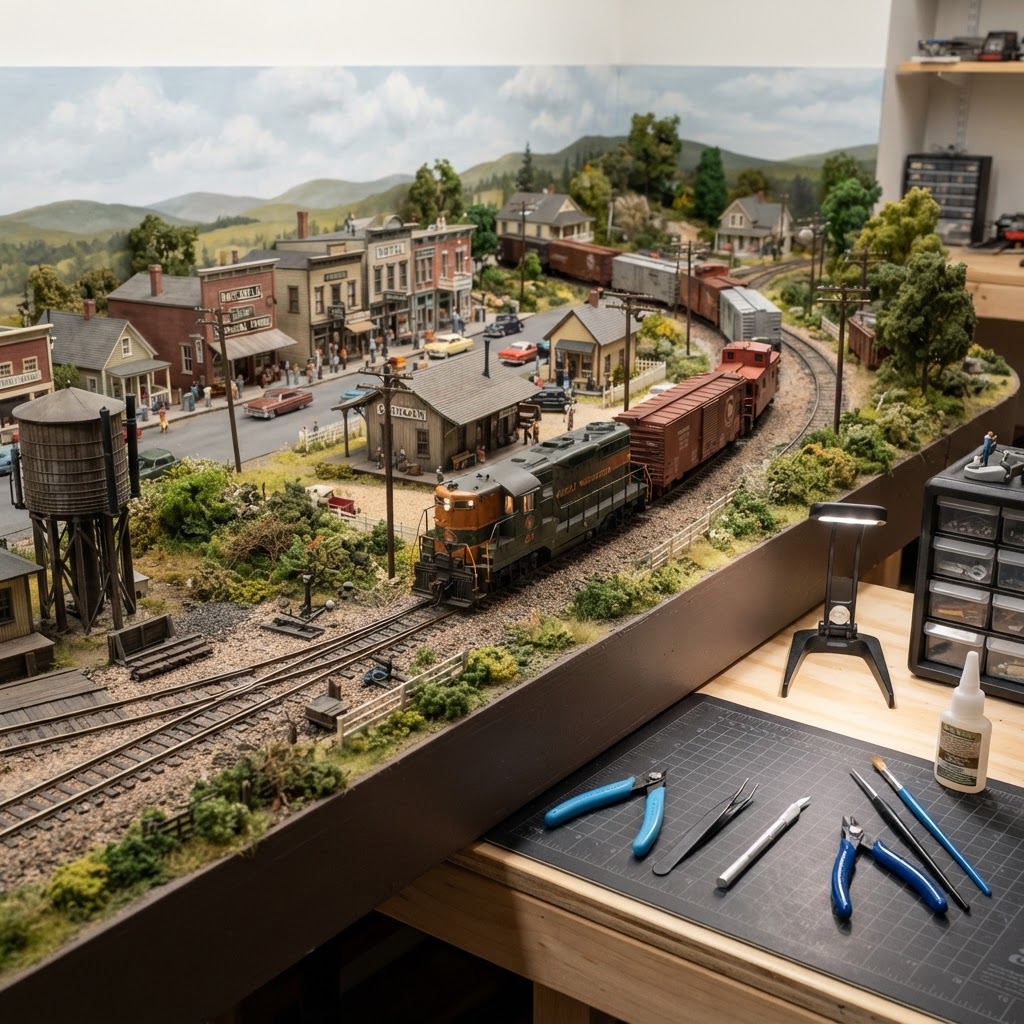
10 Essential Tools for Model Railroading: The Ultimate Starter Toolkit
Building a layout? Discover the 10 best tools for model railroading that every beginner needs to achieve professional results and precise detailing.
Read more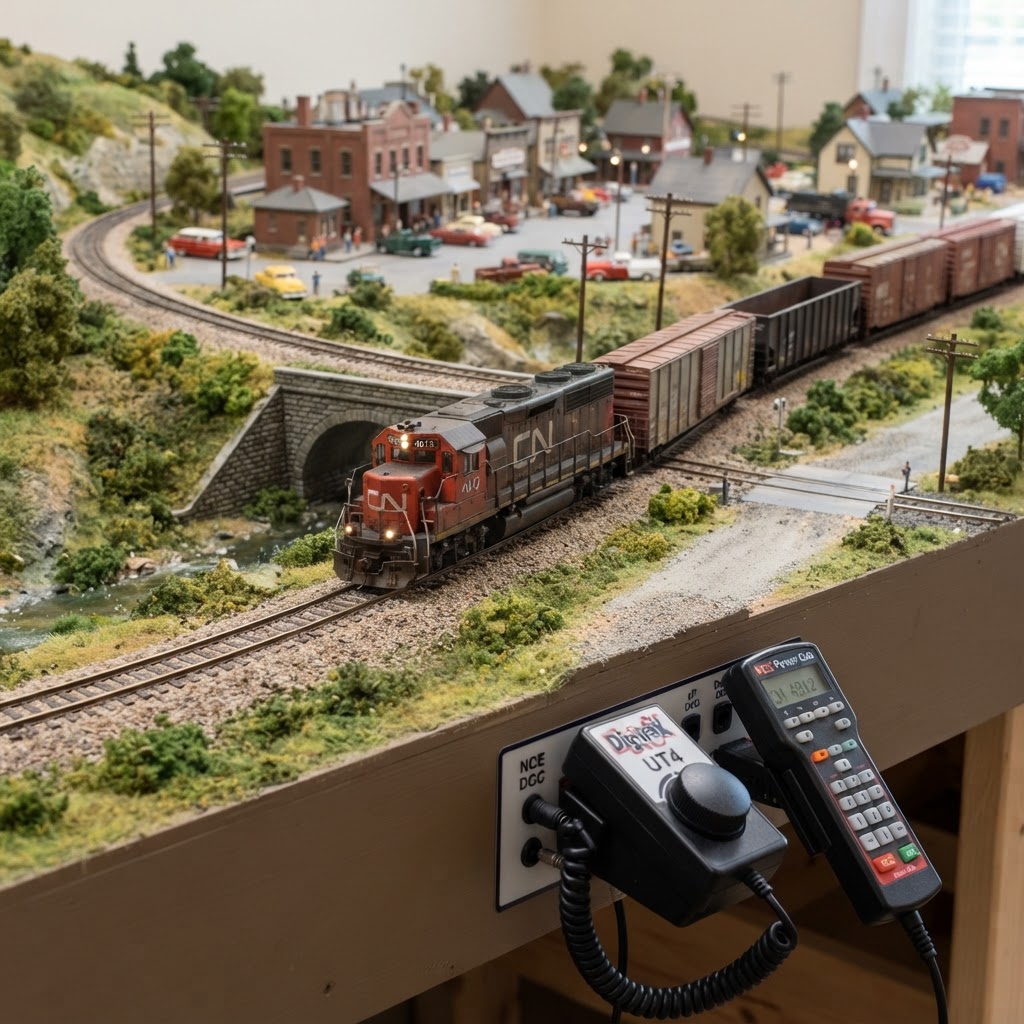
Best Starter DCC Controllers Reviewed: Top Picks for New Model Railroaders
Looking to upgrade your layout? We review the best starter DCC controllers to help beginners take full control of their model trains with ease and precision.
Read more
Best Model Train Sets for Kids: Top Picks for Beginners and Families
Looking for the best train set for kids? Discover our expert guide to the top durable, interactive, and fun model train sets perfect for family hobby time.
Read more