Athearn Genesis vs Standard: Is the Premium Upgrade Worth Your Investment?
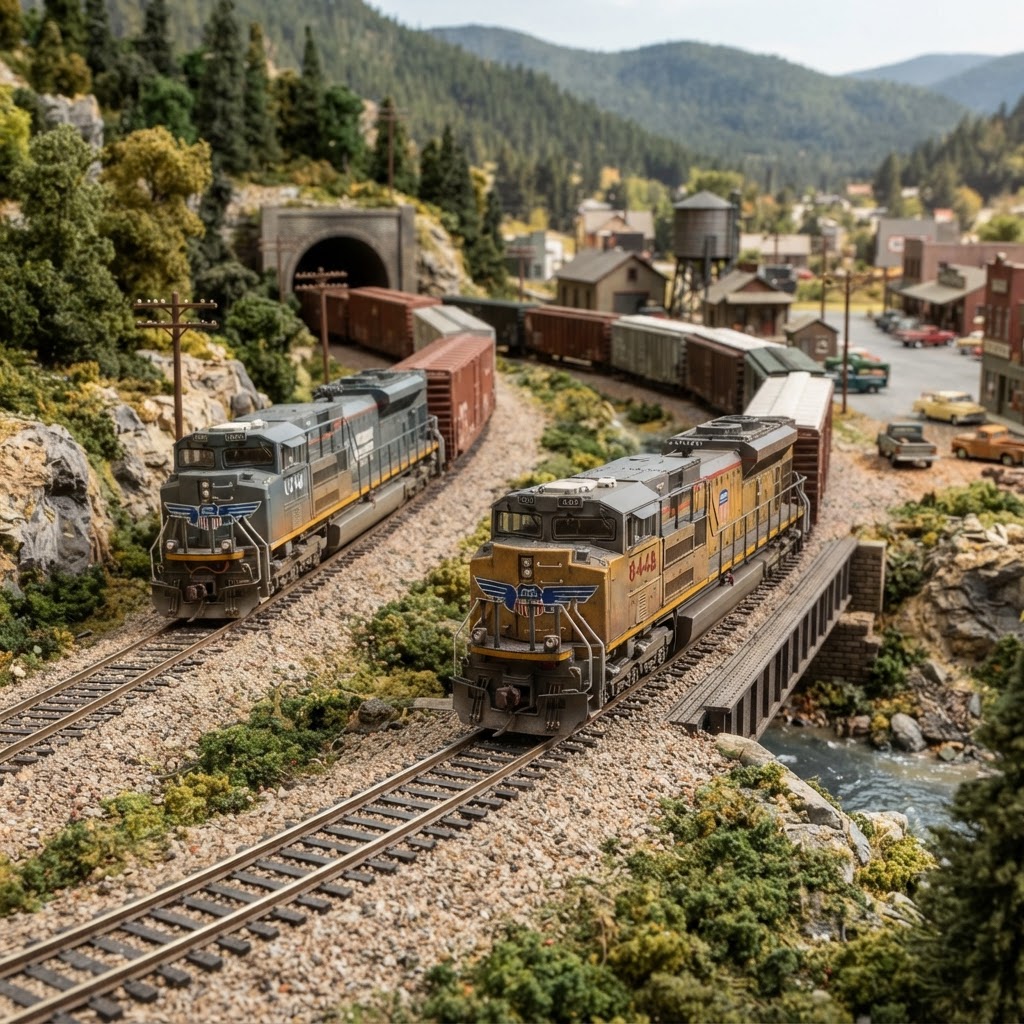
When it comes to choosing between Athearn Genesis vs Standard series locomotives, model railroaders face one of the most debated decisions in the HO scale hobby. Athearn has been a cornerstone of American model railroading for decades, and their two primary product lines — the premium Genesis series and the more accessible Blue Box/Standard series — cater to very different audiences. Whether you're a seasoned collector weighing an upgrade or a newcomer wondering where to invest your first dollars, understanding the real-world differences between these two lines can save you money, frustration, and buyer's remorse.
The Genesis line represents Athearn's flagship offering: highly detailed, DCC-ready locomotives with factory sound options, fine scale components, and remarkable prototype accuracy. The Standard series (sometimes called the "Athearn Blue Box" or "Roundhouse" line depending on the era), on the other hand, has long been the entry point for budget-conscious hobbyists who want reliable runners without the premium price tag. But the gap between the two lines is more nuanced than simply "better vs. worse." Each serves a legitimate purpose depending on your layout goals, budget, and modeling philosophy.
In this article, we'll break down the Athearn Genesis vs Standard comparison across every major category — detail, performance, DCC compatibility, value, and more — so you can make an informed buying decision. We'll also look at who each line is best suited for, helping you spend smarter whether you're just starting out or adding to a mature collection.
A Brief History of Athearn's Product Lines
Athearn has been producing model trains since 1946, and the company's history is woven deeply into the fabric of American HO scale modeling. For most of the 20th century, Athearn was synonymous with affordable, reliable locomotives and rolling stock. The classic "Blue Box" kits — snap-together models that hobbyists assembled themselves — were a rite of passage for generations of model railroaders.
In the late 1990s and early 2000s, Athearn began repositioning itself to compete with higher-end manufacturers. The Genesis line was introduced to capture the growing demand for factory-assembled, highly detailed locomotives with finer mechanisms and better prototype fidelity. Meanwhile, the Standard (or "Ready-to-Roll") line continued to serve hobbyists who prioritized value and durability over museum-level detail.
Today, Athearn operates under the Horizon Hobby umbrella, but the dual-tier philosophy remains intact. Understanding this background helps explain why both lines exist and why neither is going away anytime soon.
Detail and Prototype Accuracy
Genesis Series Detail
The Genesis line is where Athearn truly flexes its modeling muscles. These locomotives feature:
- Separately applied details including grab irons, air hoses, and MU connectors
- Fine-scale handrails that are far more delicate and prototypically accurate than those found on budget models
- Highly detailed cab interiors with painted crew figures on many models
- Accurate road-specific paint schemes with sharp, correctly researched lettering
- Photo-etched metal components on select models
For serious collectors and layout modelers who care about prototype accuracy, the Genesis line is consistently impressive. When placed alongside photographs of the actual prototype locomotives, Genesis models hold up remarkably well. If you're building a display-quality layout or competing at a model railroad show, the Genesis is the clear winner here.
Standard Series Detail
The Standard series offers noticeably less detail by comparison, but it's worth understanding what you're actually getting. Modern Standard series models are still far ahead of where the old Blue Box kits were. You'll find:
- Molded-on details (rather than separately applied)
- Simplified handrail designs
- Adequate but less precise paint and printing
- Limited road-specific detailing
That said, the Standard series isn't embarrassing. On a busy layout viewed from a normal distance, many hobbyists find the detail difference less dramatic than catalog photos suggest. If you're running trains for the joy of operation rather than close-up scrutiny, the Standard series holds its own.
Performance and Mechanism Quality
How Genesis Locomotives Run
The Genesis line uses a premium mechanism that typically includes:
- Precision flywheels for smooth slow-speed operation
- All-wheel drive on most models
- All-wheel pickup for consistent electrical contact
- Coreless or high-quality can motors that run quietly and efficiently
- Factory-installed DCC decoder sockets (and many come with sound-equipped versions)
In practical terms, Genesis locomotives are some of the smoothest-running models in the HO scale market. They handle tight curves well, maintain consistent speeds at slow crawl settings, and rarely stall on well-maintained track. For operators who enjoy sophisticated DCC layouts with momentum and speed matching, Genesis models are a joy to use.
If you're already exploring digital command control, check out our guide on DCC vs DC For Beginners: Choosing The Best Control System For Your Layout to understand how these locomotives fit into a modern layout setup.
How Standard Series Locomotives Run
Standard series models use a simpler but generally reliable mechanism. Key characteristics include:
- Adequate but less refined motor performance
- Fewer flywheel-equipped models
- Simpler drive systems that are easier to repair but less sophisticated
- DCC-ready sockets on many (but not all) newer models
The Standard series is no slouch. These locomotives are known for being tough, repairable, and predictable. Hobbyists who run DC layouts or who want locomotives that can take some rough handling will appreciate the straightforward engineering. For beginners setting up their first layout, the Standard series offers a forgiving learning curve.
If you're newer to the hobby and evaluating your first purchases, our article on Best Locomotives for Beginners: Top 5 Reliable Trains to Start Your Collection offers helpful context for where Athearn fits in the broader market.
DCC and Sound Compatibility
This is one area where the difference between the two lines becomes financially significant.
Genesis and DCC/Sound
Genesis locomotives are built with DCC integration in mind from the ground up. Most models come with:
- Factory-installed DCC decoder sockets (often 21-pin or 8-pin)
- Sound-equipped versions available with quality speakers and QSI or ESU LokSound decoders
- Lighting packages including ditch lights, cab lights, and number board illumination
The sound-equipped Genesis models are genuinely impressive. Prime mover sounds, dynamic brake whine, and air compressor rhythms are all faithfully reproduced. For operators who want an immersive experience, the factory sound option is a compelling feature.
For a deeper dive into decoder options and DCC systems, our Best Starter DCC Sets: A Beginner's Guide to Digital Command Control is a great companion resource.
Standard Series and DCC
Many Standard series models include a DCC-ready socket, but the out-of-the-box experience is more limited. Factory sound versions are rarely offered, and aftermarket decoder installation, while possible, requires more effort. If DCC and sound are priorities for you, the Genesis line's factory integration is a meaningful advantage.
Price Comparison: What Are You Actually Paying For?
Let's get to the number that drives most purchasing decisions.
- Standard series locomotives typically range from $40–$90 depending on the model and any promotions.
- Genesis locomotives generally run $150–$250+, with sound-equipped versions often exceeding $250.
That's a significant gap. Is it worth it? The honest answer is: it depends on your goals.
When the Genesis Premium Makes Sense
- You're building a display-quality layout where close-up detail matters
- You're investing in DCC sound and want factory-integrated quality
- You're a serious collector focused on prototype accuracy
- You want consistent, smooth performance for complex operations
When the Standard Series Is the Smart Choice
- You're just starting out and want to learn the hobby before investing heavily
- You need to roster multiple locomotives on a budget
- You're building a working layout where operational reliability trumps fine detail
- You want locomotives that are easy to repair without worrying about damaging expensive components
For budget-conscious buyers building out a full fleet, the ability to buy two or three Standard series locomotives for the price of one Genesis is a real consideration. Check out our 10 Best Model Train Sets For Serious Adult Hobbyists In 2024 for more recommendations across different price points.
Durability and Repairability
One underappreciated advantage of the Standard series is its mechanical simplicity. The drivetrain components are widely available, easy to source, and straightforward to replace. For hobbyists who like to tinker, the Standard series is almost infinitely maintainable with basic tools.
The Genesis line, with its finer components and separately applied details, requires more careful handling. The delicate handrails and separately applied grab irons can break during routine layout work if you're not careful. Repairs are possible but demand more patience and, sometimes, more specialized parts.
For anyone maintaining a model locomotive fleet, our guide to the 10 Best Model Train Maintenance Tools Every Enthusiast Needs covers the essential toolkit for keeping both series running at their best. You can also browse our recommended products page for curated gear suited to different skill levels.
Which Athearn Line Is Right for You?
Best for Beginners
If you're new to model railroading, the Standard series is the better starting point. It gives you reliable, operational locomotives at a price that leaves room to invest in track, scenery, and infrastructure. You can always upgrade specific locomotives to Genesis models as your layout evolves.
Our Best Starter Model Train Sets For Beginners 2024: A Buyer's Guide can help you map out your initial investment wisely.
Best for Intermediate and Advanced Modelers
Experienced hobbyists with established layouts and a clear prototype focus will likely find the Genesis line worth the premium. The enhanced detail, smoother mechanisms, and factory DCC/sound capabilities align with the priorities of modelers who are building toward a finished, exhibition-quality layout.
If you're also exploring other premium brands, our comparison of Lionel vs MTH: Choosing The Perfect O Gauge Brand For Your Collection offers a useful parallel perspective on navigating brand tiers in different scales.
Frequently Asked Questions
Is the Athearn Genesis worth the extra cost?
For detail-focused modelers and those who prioritize DCC sound, yes — the Genesis line offers demonstrably better detail, smoother performance, and factory-integrated digital features that justify the price premium. However, for operators focused on running a large fleet or learning the hobby, the Standard series offers excellent value.
Can I run Athearn Standard and Genesis locomotives together on the same layout?
Absolutely. Many hobbyists mix both lines on their layouts without issue. From a viewing distance, the detail difference is less noticeable than in side-by-side close-up comparisons. Both lines are fully compatible with standard HO track and DCC systems.
Do Athearn Genesis locomotives come DCC-ready out of the box?
Yes, virtually all current Genesis models include a factory-installed DCC socket, and many are available in DCC Sound versions with integrated decoders and speakers. For more on DCC systems, see our DC vs DCC Control Systems: A Comprehensive Guide for Model Railroaders.
How does Athearn compare to other premium HO brands like Kato or Walthers?
Athearn Genesis competes directly with Kato's upper-tier models and Walthers Mainline/Proto series in terms of detail and pricing. Each brand has specific prototype strengths — Kato excels in Japanese and some North American prototypes, while Athearn has deep roots in American diesel modeling. The best choice often depends on the specific railroad you're modeling.
Are Athearn Standard series parts easy to find?
Yes — Athearn Standard series parts have been in production for decades, and replacement gears, motors, and drivetrain components are widely available through hobby shops and online retailers. This makes the Standard series a particularly practical choice for modelers who enjoy performing their own maintenance.
Conclusion
The Athearn Genesis vs Standard debate doesn't have a single right answer — it has the right answer for you. Genesis locomotives deliver exceptional detail, smooth DCC-ready performance, and factory sound options that make them the clear choice for serious collectors and experienced modelers building display-quality layouts. Standard series locomotives, meanwhile, offer the reliability, repairability, and affordability that make them ideal entry points and practical workhorses for large, operational fleets.
The smartest approach for most hobbyists is a hybrid strategy: invest in a few Genesis models for your primary or showcase locomotives, and fill out your roster with Standard series models where operational utility matters more than close-up scrutiny. Both lines have earned their place on the layout.
Ready to keep building your knowledge? Explore our full library of guides — from DCC vs DC Locomotives: The Ultimate Guide for Beginners to our curated list of the Top 7 Best Steam Locomotives For Serious Collectors — and make every purchase count.
Affiliate Disclosure: Some links in this article are affiliate links. We may earn a commission at no extra cost to you.
Enjoying this guide?
Browse our favorite recommended products.
James Mitchell
Model Train Enthusiast & Writer
James has been building layouts and collecting trains for over 15 years. He started Model Train Insider to help newcomers navigate the hobby with practical, no-nonsense advice drawn from hands-on experience.
Stay on Track
Get beginner guides, brand reviews, and layout tips delivered to your inbox. No spam—just trains.
Free forever. Unsubscribe anytime.
Related Articles
Which Brand Makes the Best Steam Locomotives? A Collector's Guide
Looking for the best train brand for steam engines? We evaluate top manufacturers to help you find the most detailed and reliable steam locomotives for your layout.
Read more
The Best Steam Locomotive Brands For Serious Model Train Collectors
Discover the best steam locomotive brands for your model railroad. We compare top manufacturers for detail, performance, and reliability in every scale.
Read more
MTH vs Lionel: Comparing Sound Fidelity and DCC Control Features
Struggling to choose between MTH and Lionel? We break down the key differences in sound realism and DCC control systems to help you build your perfect layout.
Read more