The Ultimate Beginner's Guide to Model Trains: Get Started Today!
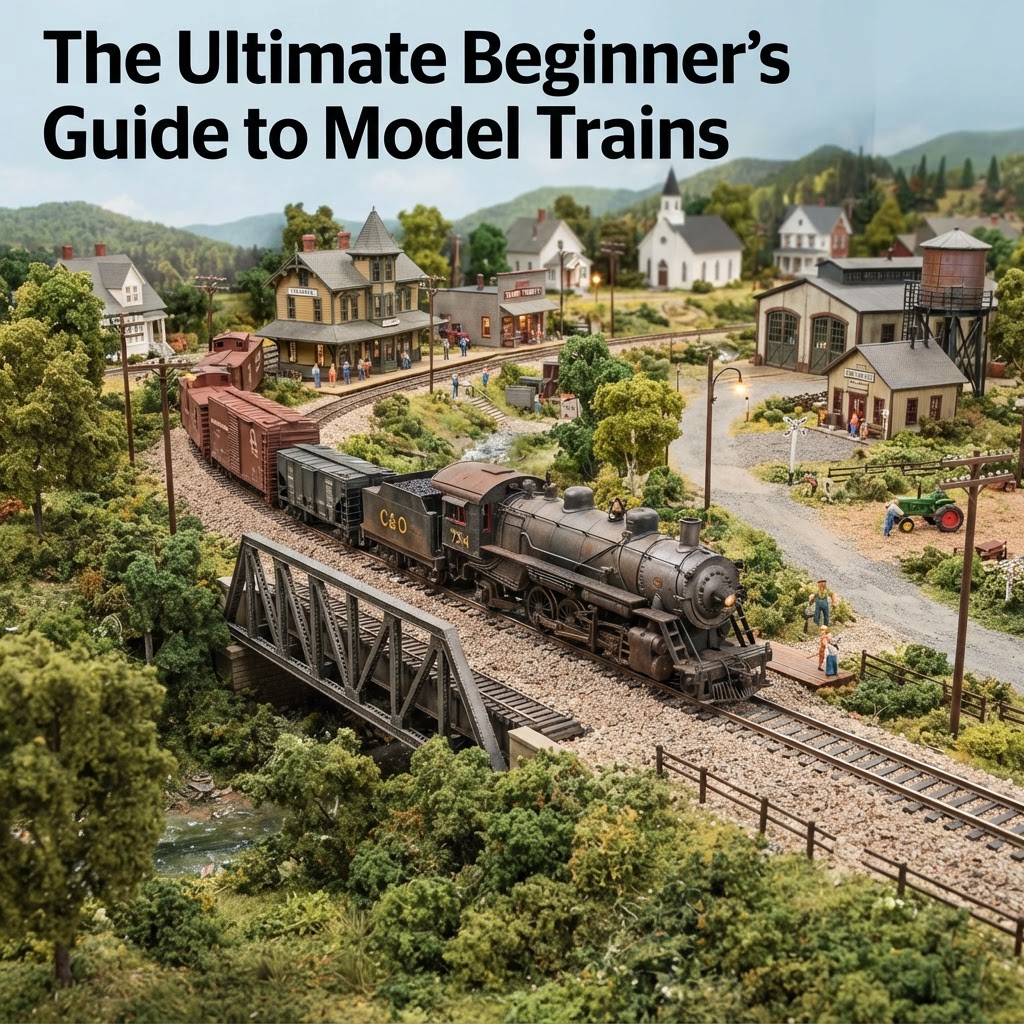
Welcome to one of the most rewarding hobbies you'll ever discover. Whether you stumbled across a vintage locomotive at a flea market, watched a friend's layout come to life, or simply feel the pull of nostalgia from childhood memories, this beginner guide to model trains is your starting point for a lifelong journey. Model railroading blends creativity, engineering, history, and craftsmanship into a single hobby that can be as simple or as elaborate as you choose to make it.
The world of model trains can feel overwhelming at first glance. There are dozens of scales, hundreds of brands, miles of track options, and entire communities devoted to debating the finer points of locomotive authenticity. But here's the truth: getting started doesn't have to be complicated or expensive. With the right foundational knowledge, you can build a satisfying layout, choose equipment that fits your budget, and avoid the most common beginner mistakes that send newcomers running for the door.
This guide is designed specifically for those taking their first steps. We'll walk you through scales and gauges, starter sets, layout planning, control systems, scenery, and maintenance — everything you need to confidently begin your model railroading adventure. By the end, you'll have a clear roadmap for getting your first trains running and a strong foundation to build on for years to come.
Understanding Model Train Scales and Gauges
Before you buy a single piece of track, you need to understand scales and gauges — the two most fundamental concepts in the hobby.
What Is a Scale?
A scale refers to the ratio between the size of your model and its real-world counterpart. For example, HO scale (the most popular in North America) is 1:87, meaning every inch on the model represents 87 inches on a real locomotive. Larger scales mean bigger, more detailed models; smaller scales allow you to pack more railroad into a tighter space.
What Is a Gauge?
Gauge refers to the distance between the two running rails of the track. In the real world, standard gauge railroads measure 4 feet 8.5 inches between rails. In the model world, gauge tracks correspond to specific scales so everything stays proportional.
The Most Common Scales for Beginners
Here's a quick breakdown of the most popular scales you'll encounter:
- HO Scale (1:87) — The most widely used scale worldwide. Huge variety of locomotives, rolling stock, and accessories. Great middle ground between detail and space requirements.
- N Scale (1:160) — Ideal if you have limited space. You can build a complex layout in a small apartment.
- O Scale (1:48) — Larger, easier to handle, often associated with Lionel and classic toy train traditions.
- G Scale (1:22.5) — The giant of the hobby, frequently used for outdoor garden railroads.
- Z Scale (1:220) — The smallest commercially available scale, impressively detailed but challenging for beginners.
For most newcomers, HO scale is the recommended starting point due to its massive selection of products, affordability, and a thriving community. If space is a serious concern, N scale is a close second. Check out our Best Model Train Brands Compared for Beginners and Collectors for a deeper dive into which manufacturers lead each scale.
Choosing Your First Starter Set
The easiest entry point into model railroading is a starter set — a boxed package that typically includes a locomotive, a few cars, an oval of track, and a basic power pack or controller. These sets are designed to get you running quickly without requiring deep technical knowledge.
What to Look for in a Starter Set
When evaluating starter sets, consider the following:
- Quality of the locomotive — Look for sets from reputable brands. A smooth-running motor will save you frustration.
- Track included — Some starter sets include plastic roadbed track (like Kato Unitrack or Bachmann EZ Track) that snaps together easily. This is ideal for beginners.
- Power supply — Make sure the power pack is adequate for future expansion, not just a bare-minimum unit.
- Theme and era — Pick a railroad theme you genuinely enjoy. If you love steam engines, don't buy a diesel starter set just because it's on sale.
Popular beginner-friendly brands include Bachmann, Lionel, Kato, and Atlas. Each brings something different to the table, so reading comparisons is time well spent before committing. Browse our recommended products page for curated picks across budgets and scales.
Tip: Avoid the cheapest no-name sets sold at discount stores. They often use poor-quality motors and flimsy plastic track that will frustrate you before you even get started.
Planning Your Layout
One of the most exciting — and most important — stages of the hobby is planning your layout. A well-planned layout avoids costly mistakes, makes construction smoother, and gives you a clear vision to work toward.
Deciding on a Layout Size and Space
Start by assessing your available space honestly. Common layout formats include:
- 4×8 foot sheet — The classic beginner layout. Fits most hobby rooms and allows for basic loops with a passing siding.
- Around-the-room shelf layout — Great for maximizing wall space in a dedicated room.
- Point-to-point layout — Simulates real railroad operations by running trains from one terminus to another.
- Modular layout — Built in sections you can rearrange, move, or expand over time.
Using Track Planning Software
Before cutting a single piece of wood, consider using digital tools to experiment with track arrangements. Software like SCARM, AnyRail, or XTrackCAD lets you lay out virtual track, test clearances, and calculate grades without spending a dollar on physical materials. Discover your options in our full review: Discover the Best Track Planning Software for Model Railroaders.
Choosing a Theme and Era
The most satisfying layouts have a cohesive theme — a time period, geographic region, or railroad company that ties everything together. Do you want to model the steam era of the 1920s through the 1940s? The transition era of the 1950s? Modern operations with double-stack container trains? Choosing a clear theme keeps your purchases focused and your layout visually consistent.
Understanding Control Systems: DC vs. DCC
When you're ready to move beyond a basic oval, you'll need to understand how model trains are controlled.
Traditional DC (Direct Current) Control
Traditional DC control powers all trains on a given section of track simultaneously. Speed is controlled by increasing or decreasing voltage. It's simple, affordable, and perfectly adequate for basic layouts. Most starter sets include a DC power pack.
Digital Command Control (DCC)
DCC is a digital system that assigns an address to each locomotive. This allows you to run multiple trains independently on the same track, control headlights and sound effects, and even program locomotive behaviors. DCC transforms model railroading into an incredibly immersive experience.
For beginners curious about DCC, start with our beginner-friendly breakdown: Top DCC Systems for Beginners: Ultimate Guide to Easy Operation. When you're ready for a more advanced comparison, our Top 5 DCC Systems for Model Trains: Ultimate Guide for Enthusiasts covers the full spectrum.
Rule of thumb: Start with DC if you're on a tight budget. Upgrade to DCC when you want to run multiple locomotives or add sound to your models.
Building Scenery and Detailing Your Layout
A layout with trains running on bare plywood is fun, but adding scenery transforms it into a living miniature world. Scenery-building is where many hobbyists find their deepest creative satisfaction.
Basic Scenery Techniques
- Terrain forming — Use carved foam insulation boards or crumpled newspaper covered in plaster cloth to create hills, valleys, and embankments.
- Ground cover — Scatter fine turf, static grass, and ballast to simulate earth, grass, and gravel. Woodland Scenics is the industry standard for these materials.
- Trees and vegetation — Pre-made trees from hobby brands work fine, but making your own from natural materials like sea foam or twisted wire armatures adds unique character.
- Structures — Model buildings, bridges, and tunnels bring the human world into your scene. These range from simple plastic kits to highly detailed laser-cut wood structures.
Lighting Your Layout
Lighting dramatically elevates the realism and mood of a model railroad. From interior building lights to street lamps, crossing signals, and locomotive headlights, there are dozens of creative options. Explore the full range of possibilities in our dedicated article: Illuminate Your Layout: The Best Model Train Lighting Options.
Rolling Stock: Building Your Fleet
A locomotive alone doesn't make a railroad. You need rolling stock — freight cars, passenger cars, and other vehicles that make up a realistic train.
Starting with Freight Cars
Freight cars are the most common rolling stock type and the backbone of most layouts. Boxcars, gondolas, tank cars, flatcars, and hoppers all have distinct purposes and appearances. If you're modeling in HO scale, our guide to The Ultimate Guide to the Best Freight Cars for HO Scale Model Trains will give you a thorough foundation for building a realistic and varied freight fleet.
Collecting vs. Operating
Some hobbyists focus purely on operating — running trains, switching cars, and simulating real railroad activity. Others are passionate collectors who seek out rare, vintage, or limited-edition pieces. Most enthusiasts fall somewhere in between. If the collecting side of the hobby interests you, visit our curated Top Picks: Best Model Trains for Collectors for inspiration.
Maintaining Your Model Railroad
Model trains require regular care to keep them running reliably. Neglect maintenance and you'll face sluggish locomotives, derailments, and frustrating stalls.
Track Cleaning
Dirty track is the number one cause of poor electrical contact and unreliable running. Oxidation, dust, and oil residue build up surprisingly quickly. Clean your tracks regularly using a dedicated track cleaning car, a cleaning block, or appropriate cleaning solutions. Learn the safe way to do it in our guide: How to Clean Model Train Tracks Properly Without Damaging Them.
Locomotive Maintenance
- Lubrication — Apply tiny amounts of appropriate model train oil to motor bearings and gear trains. Over-lubrication is as damaging as no lubrication.
- Wheel cleaning — Locomotive drive wheels collect grime that affects traction and electrical pickup. Clean them regularly with a cotton swab dampened with isopropyl alcohol.
- Decoder checks — If you're running DCC, periodically check decoder settings and firmware when manufacturers release updates.
Understanding the Cost of the Hobby
Model railroading has a reputation for being expensive, and while it can certainly become a significant investment, it doesn't have to break the bank — especially at the start. Understanding what drives pricing helps you make smarter purchases.
Factors like die-cast metal construction, factory-installed DCC decoders, sound systems, and fine hand-painted details all contribute to higher price points. For a transparent look at what you're paying for, read Why Are Model Trains So Expensive? The Real Reasons Explained.
Smart beginners buy starter sets, shop used markets, and expand gradually rather than trying to build a complete layout all at once. And if you ever need to downsize or sell part of your collection, our guide on Who Buys Model Trains Near Me? Best Places to Sell Your Collection will help you find the right buyers.
Frequently Asked Questions
What is the best scale for a beginner?
HO scale (1:87) is widely considered the best starting point for beginners. It offers the largest variety of locomotives, cars, track, and accessories at reasonable prices, supported by a massive global community of modelers.
How much does it cost to start model railroading?
A basic starter set can cost as little as $50–$100, while a more serious entry-level setup with quality locomotives, DCC control, and basic scenery materials might run $300–$600. The hobby scales in cost as your layout and ambitions grow.
Do I need DCC right away?
No. Traditional DC control is perfectly fine for beginners running a single locomotive on a simple layout. Consider upgrading to DCC when you want to run multiple trains independently or add realistic sound effects to your locomotives.
What's the difference between a starter set and a true hobby-grade locomotive?
Starter set locomotives are designed for ease of use and affordability. They typically run reliably but may lack fine details, smooth slow-speed performance, and DCC-ready or sound-equipped capabilities. Hobby-grade locomotives from manufacturers like Athearn, Walthers, or BLI offer superior detail, smoother motors, and often include factory-installed DCC and sound.
Can I build a model railroad in a small apartment?
Absolutely. N scale is ideal for tight spaces, allowing you to model a complex railroad in as little as a 2×4 foot area. Even HO scale can work in small spaces with a well-planned shelf layout along a single wall.
Conclusion
Model railroading is a hobby that rewards patience, curiosity, and creativity in equal measure. This beginner guide to model trains has introduced you to the foundational concepts — scales and gauges, starter sets, layout planning, control systems, scenery, rolling stock, and maintenance — but the real journey begins when you set your first locomotive on the rails and watch it come to life.
The best approach is to start simple, learn as you go, and let your interests guide you deeper into whichever aspects of the hobby captivate you most. Don't worry about building a perfect layout right away. Every modeler starts somewhere, and every layout is a work in progress.
Ready to keep exploring? Browse our full library of beginner guides, product reviews, and how-to articles right here on Model Train Insider. There's always something new to discover on the layout — and off it.
Affiliate Disclosure: Some links in this article are affiliate links. We may earn a commission at no extra cost to you.
Enjoying this guide?
Browse our favorite recommended products.
James Mitchell
Model Train Enthusiast & Writer
James has been building layouts and collecting trains for over 15 years. He started Model Train Insider to help newcomers navigate the hobby with practical, no-nonsense advice drawn from hands-on experience.
Stay on Track
Get beginner guides, brand reviews, and layout tips delivered to your inbox. No spam—just trains.
Free forever. Unsubscribe anytime.
Related Articles
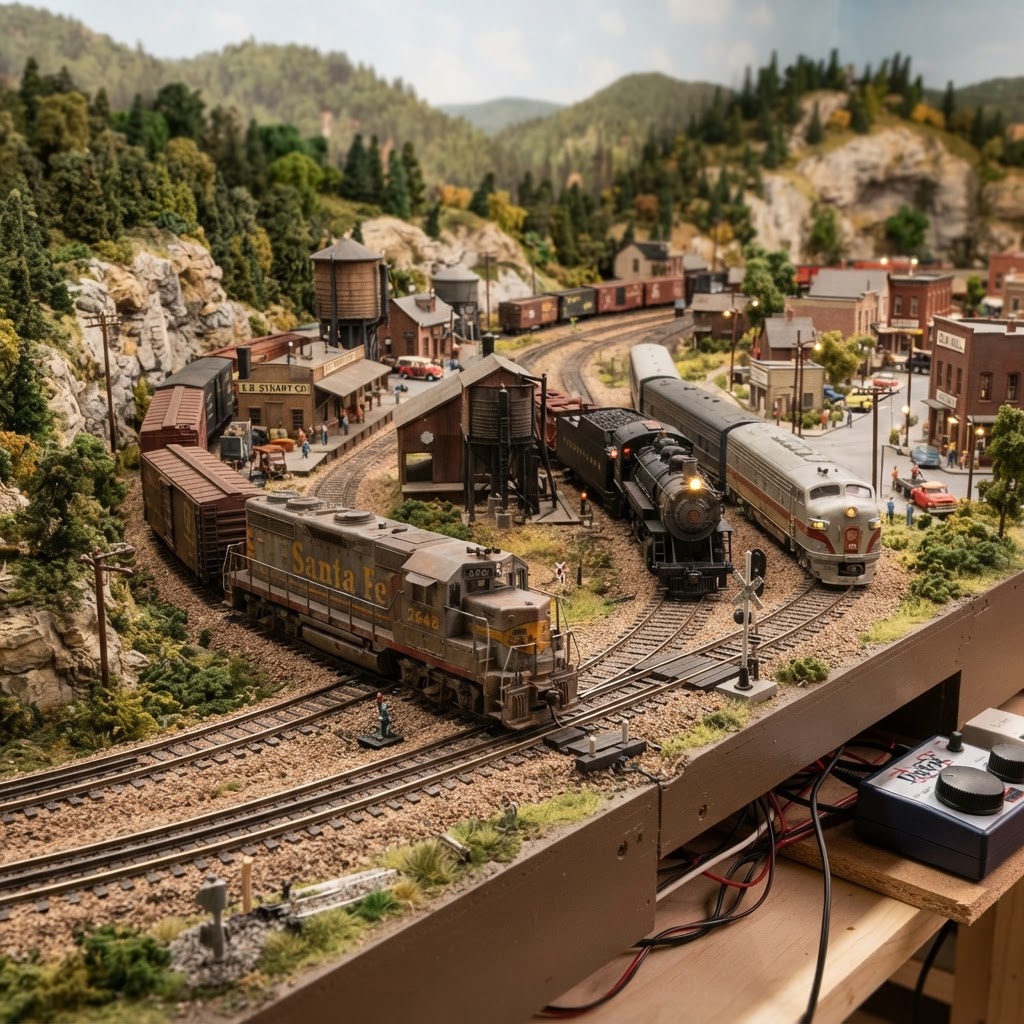
DCC vs DC For Beginners: Choosing The Best Control System For Your Layout
Confused by DCC vs DC for beginners? We break down the differences to help you choose the right control system for your model railroad layout.
Read more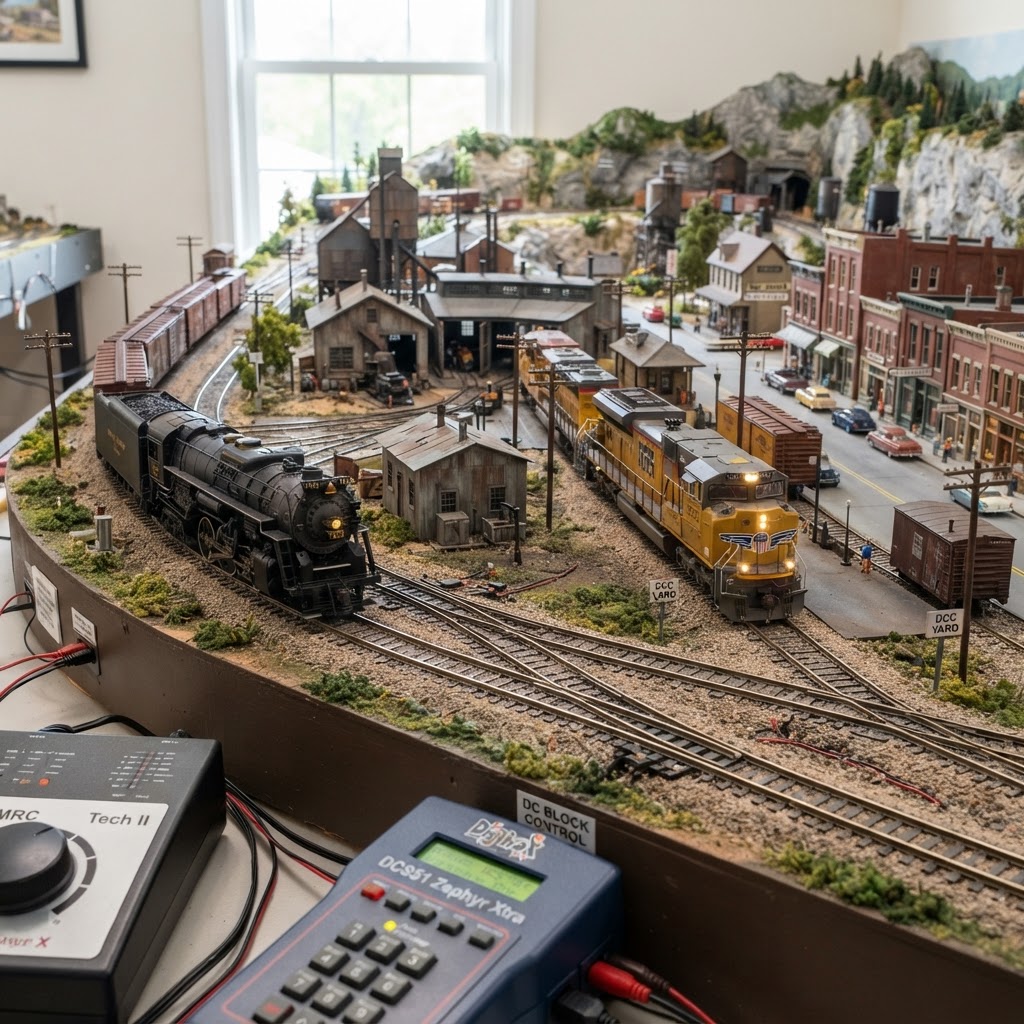
DC vs DCC Control Systems: A Comprehensive Guide for Model Railroaders
Confused about model train controls? Discover the differences between DC and DCC systems to decide which is the best fit for your model railroad layout.
Read more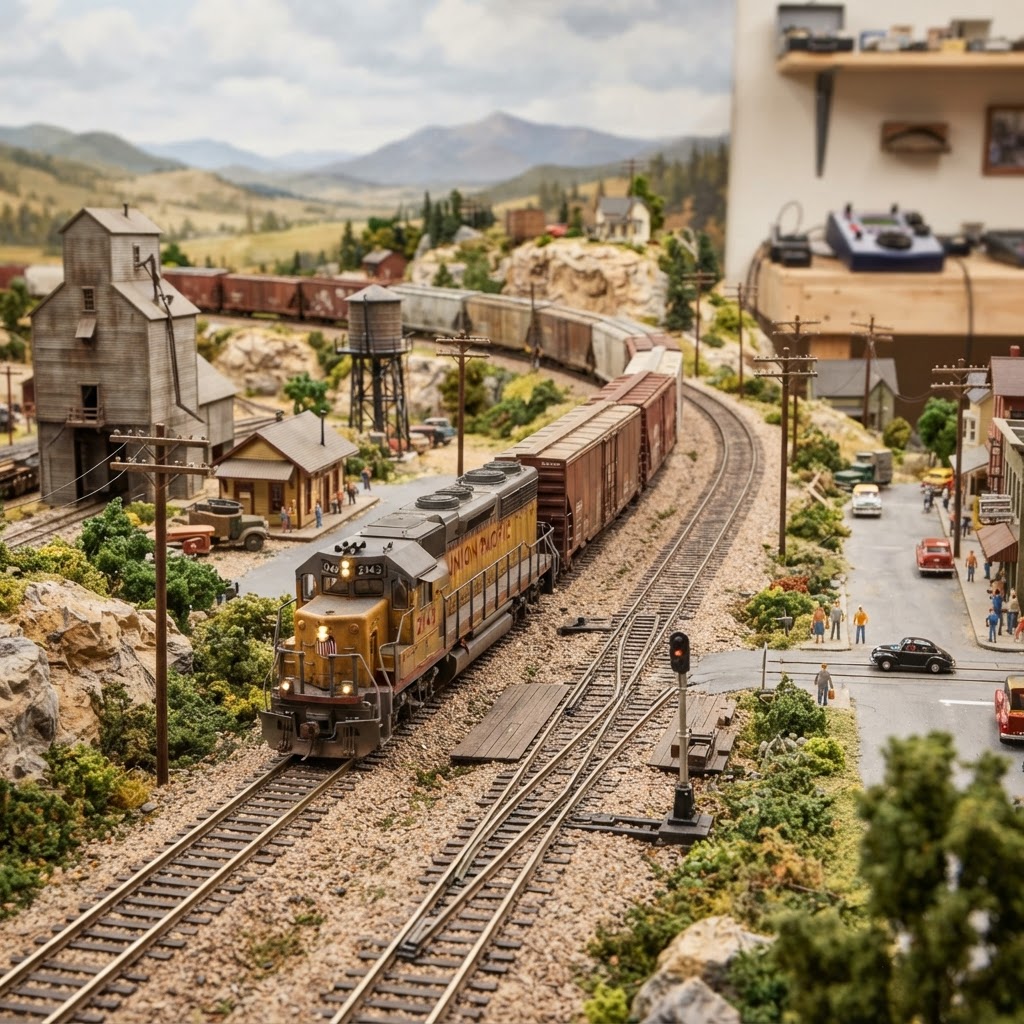
Best Starter DCC Sets: A Beginner’s Guide to Digital Command Control
Looking for the best starter DCC set for your model railroad? We compare top digital command control systems to help you choose the right one for your layout.
Read more