Top DCC Systems for Beginners: Ultimate Guide to Easy Operation
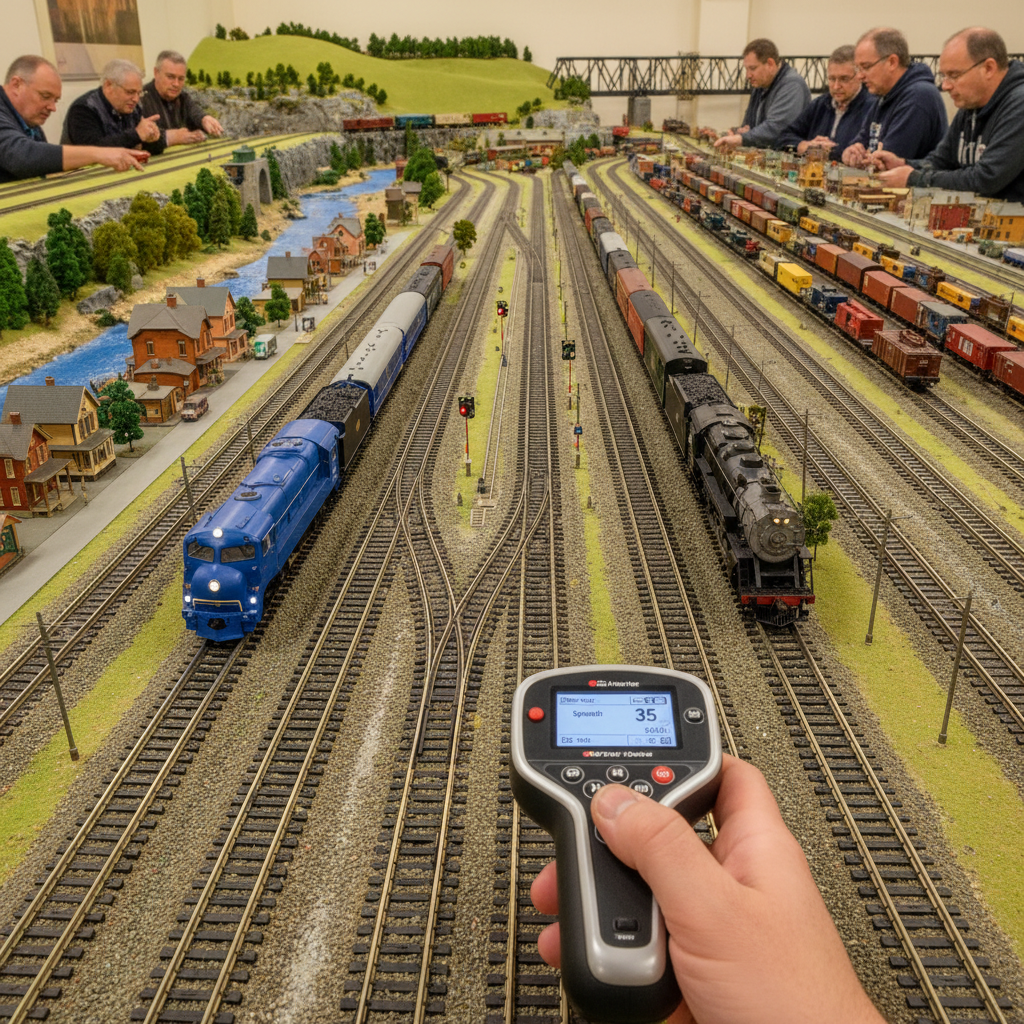
If you're stepping into the world of model railroading, one of the first major decisions you'll face is choosing a control system for your locomotives. Digital Command Control — better known as DCC — has become the standard for serious hobbyists, offering incredible precision, flexibility, and realism compared to older analog systems. But with so many options on the market, finding the best DCC system for beginners can feel overwhelming. That's exactly what this guide is here to solve.
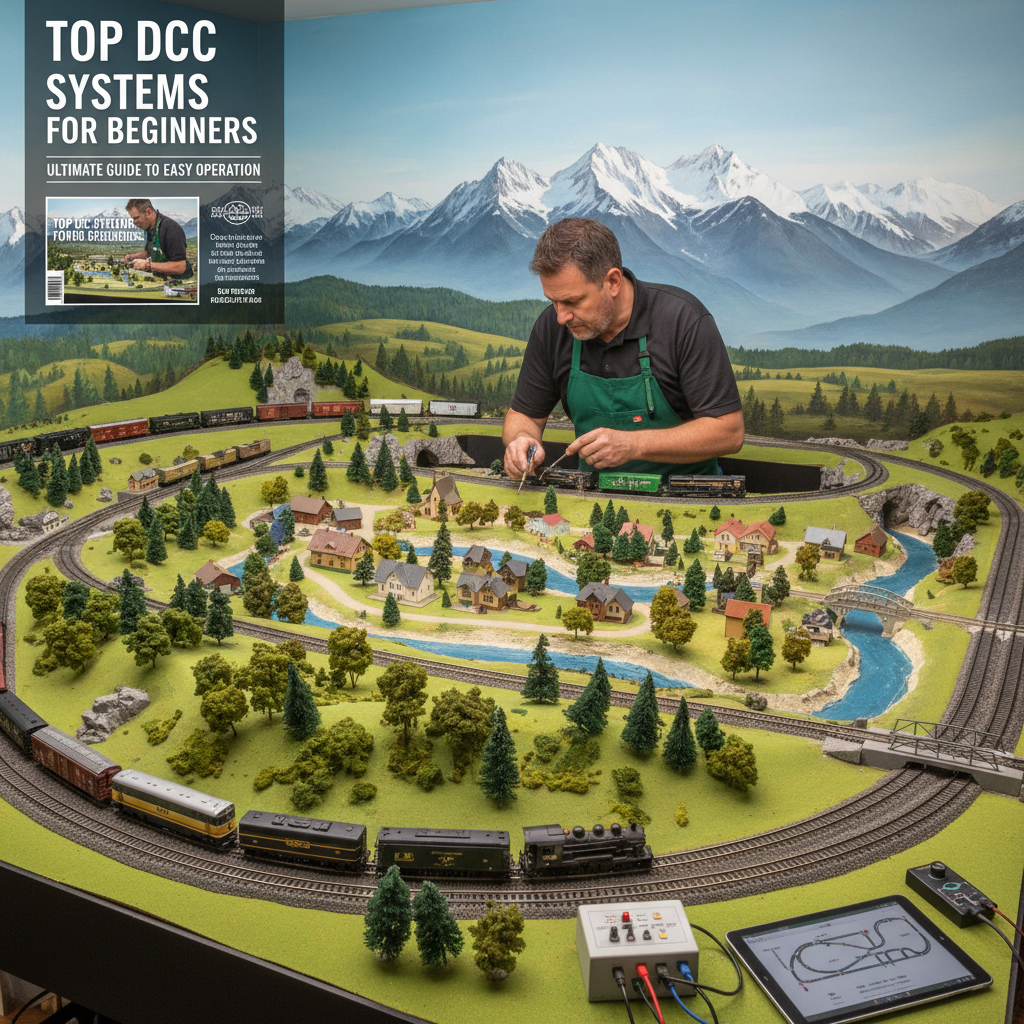
DCC technology allows you to independently control multiple locomotives on the same track, program realistic sound effects, adjust lighting, and much more — all from a single handheld throttle or even your smartphone. The learning curve exists, but the right starter system can make all the difference between loving the hobby and giving up in frustration. Whether you're setting up your first layout in an HO scale or exploring N scale trains, choosing beginner-friendly DCC hardware is a smart investment from day one.
In this article, we've rounded up the top DCC systems that are ideal for newcomers to the hobby. We'll cover what makes each one stand out, what to look for before buying, and how to get started on the right foot. If you're also curious how DCC fits into the broader landscape of model train technology, check out our Top 5 DCC Systems for Model Trains: Ultimate Guide for Enthusiasts for a deeper dive into more advanced options.
What Is DCC and Why Does It Matter for Beginners?
Before jumping into product recommendations, it helps to understand why DCC is worth the investment in the first place. Traditional DC (Direct Current) systems control trains by varying the voltage on the track — meaning every locomotive on the same block of track moves at the same speed. That's a significant limitation when you want to run a realistic, multi-train layout.
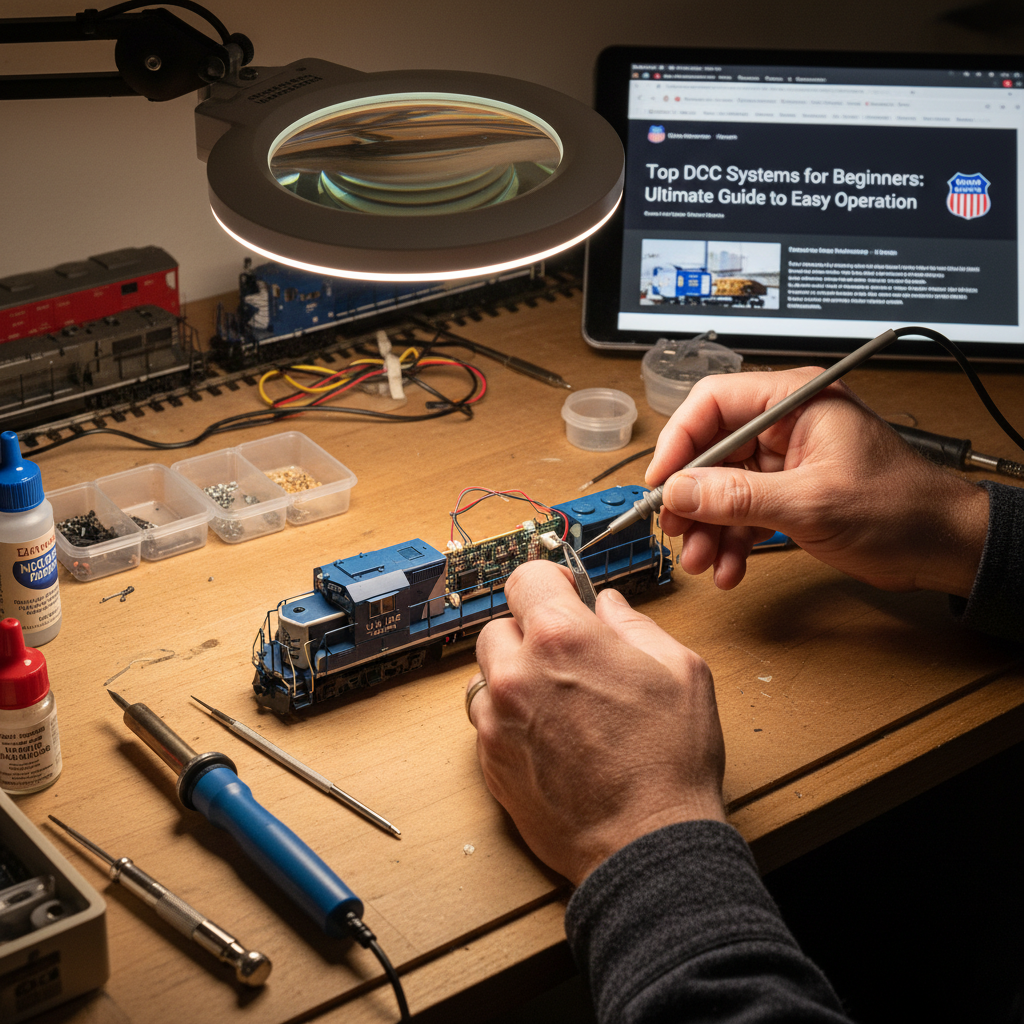
DCC solves this problem by sending a constant electrical signal through the track while each locomotive receives its own unique digital address. A small decoder chip installed inside the locomotive interprets commands sent specifically to that address. The result? You can run two, five, or even a dozen trains independently on the same layout — each at its own speed, direction, and sound profile.
For beginners, this opens up a world of possibilities without requiring complex block wiring. A good starter DCC system keeps things simple on the surface while giving you room to grow as your skills develop.
What to Look for in a Beginner DCC System
Not all DCC systems are created equal, and choosing the wrong one can lead to unnecessary headaches. Here are the key factors to evaluate before making a purchase.
Ease of Setup
The best starter system should be up and running within minutes of unboxing. Look for systems that include clear documentation, intuitive controls, and plug-and-play compatibility with DCC-ready locomotives.
Number of Locomotive Slots
Entry-level DCC systems often limit how many locomotives you can control simultaneously. For a small beginner layout, 5–10 slots is typically sufficient, but it's worth choosing a system that can scale with you.
Throttle Design
A well-designed handheld throttle makes operation much more enjoyable. Physical knobs and buttons are often easier for beginners than touchscreen-only interfaces. Some systems also support smartphone app control, which can be a bonus once you get comfortable.
Power Output (Amperage)
More amps mean you can run more locomotives without tripping the circuit. Beginner systems typically range from 1.5A to 5A. For a small layout with a few locomotives, 3A is usually a solid starting point.
Budget
DCC systems range from under $100 for basic starter sets to several hundred dollars for feature-rich command stations. Beginners don't need to break the bank, but choosing the cheapest option sometimes means outgrowing the system quickly. For context on overall model train costs, see our article Why Are Model Trains So Expensive? The Real Reasons Explained.
Top DCC Systems for Beginners
1. Bachmann E-Z Command DCC System
Best for: Absolute beginners on a tight budget
The Bachmann E-Z Command is one of the most accessible entry points into DCC. It's compact, affordable, and designed specifically for hobbyists who are just getting started. The controller is straightforward — you won't find yourself digging through nested menus to perform basic operations.
Key Features:
- 1.5A power output (suitable for small layouts)
- Simple 2-digit address programming
- Compatible with all NMRA DCC-compliant decoders
- Lightweight and easy to hold during operation
The main limitation of the E-Z Command is its power output, which can be restrictive if you plan to run multiple larger locomotives simultaneously. However, for a beginner running one or two trains on a modest layout, it performs admirably. It's also typically bundled with Bachmann starter sets, making it a convenient choice if you're buying a complete package.
2. Digitrax Zephyr Xtra (DCS52)
Best for: Beginners who want room to grow
The Digitrax Zephyr Xtra is widely regarded as one of the best DCC systems for beginners who are serious about the hobby. It sits at a mid-range price point but packs in features that would satisfy even intermediate hobbyists.
Key Features:
- 2.5A command station and booster
- Built-in throttle with a smooth control knob
- LocoNet connectivity for expansion
- Supports up to 10 locomotive addresses at once
- Computer interface capability
One of the standout advantages of the Zephyr Xtra is the Digitrax ecosystem behind it. As your layout grows, you can expand with additional throttles, boosters, and accessories without switching brands. The LocoNet system is an industry standard, and the Digitrax community is enormous — meaning online help and tutorials are abundant for new users.
3. NCE Power Cab
Best for: Beginners who want a clean, user-friendly interface
NCE has an outstanding reputation in the model railroad community for producing reliable, well-supported DCC equipment. The Power Cab is their entry-level offering and represents exceptional value for money.
Key Features:
- 1.65A output (upgradeable with a booster)
- Large, easy-to-read display
- Intuitive menu system with logical navigation
- Compatible with the full NCE system for future expansion
- Excellent customer support from NCE
The Power Cab's menu system is often praised for being more intuitive than competing systems at a similar price. Programming decoders — something that intimidates many beginners — feels manageable with the Power Cab's step-by-step prompts. If you eventually want to expand, NCE's full cab bus system integrates seamlessly.
4. Hornby Elite DCC Controller
Best for: UK-based beginners and Hornby layout owners
For hobbyists who are already invested in the Hornby ecosystem or prefer a European brand, the Hornby Elite is a strong choice. It's a more capable system than Hornby's basic entry-level controllers and bridges the gap nicely between starter and advanced setups.
Key Features:
- 4A power output
- Two independent throttle knobs for simultaneously controlling two trains
- Bright LCD display
- Fully NMRA DCC compliant
- Works with all DCC-compatible locomotives
The dual throttle design is particularly helpful for beginners who want to learn multi-train operations early without needing additional hardware. It's intuitive enough for newcomers but capable enough to serve as a long-term solution for many hobbyists. To learn more about brands that pair well with DCC systems, check out our Best Model Train Brands Compared for Beginners and Collectors.
5. Sprog 3 (USB DCC Programmer/Command Station)
Best for: Tech-savvy beginners who prefer computer-based control
The Sprog 3 takes a different approach than traditional handheld DCC systems. It connects to your computer via USB and works with software like JMRI (Java Model Railroad Interface) to control your layout from a PC, Mac, or even a tablet.
Key Features:
- USB connectivity for computer control
- Works with free JMRI software
- Excellent for programming decoders
- 1A output (best paired with a separate booster for running trains)
- Great for hobbyists comfortable with software
While the Sprog 3 isn't a traditional plug-and-play system, it's an excellent option for beginners who enjoy tinkering with software. JMRI is a powerful free platform that opens up automation, roster management, and advanced decoder programming. The learning curve is steeper than a handheld system, but the long-term capabilities are impressive.
DCC-Ready vs. DCC-Equipped: What's the Difference?
This is a question that trips up a lot of beginners. When shopping for locomotives to run on your new DCC system, you'll encounter two terms frequently.
- DCC-Ready means the locomotive has a plug for installing a decoder, but the decoder itself must be purchased separately. This is often the more affordable option up front.
- DCC-Equipped means the decoder is already installed and ready to program. More convenient, but typically more expensive.
For absolute beginners, DCC-equipped locomotives reduce the hassle of installation and let you focus on learning the system itself. As you gain confidence, installing your own decoders becomes a rewarding skill that saves money long-term. You can explore locomotive options from established manufacturers in our guide to Top Model Train Companies Every Beginner Should Know.
Tips for Getting Started with Your DCC System
Once you've chosen your system, here are some practical tips to make your first DCC experience smooth and enjoyable.
Start with one locomotive. It's tempting to run multiple trains right away, but beginning with a single locomotive lets you focus on learning the controls, programming basics, and how your system responds.
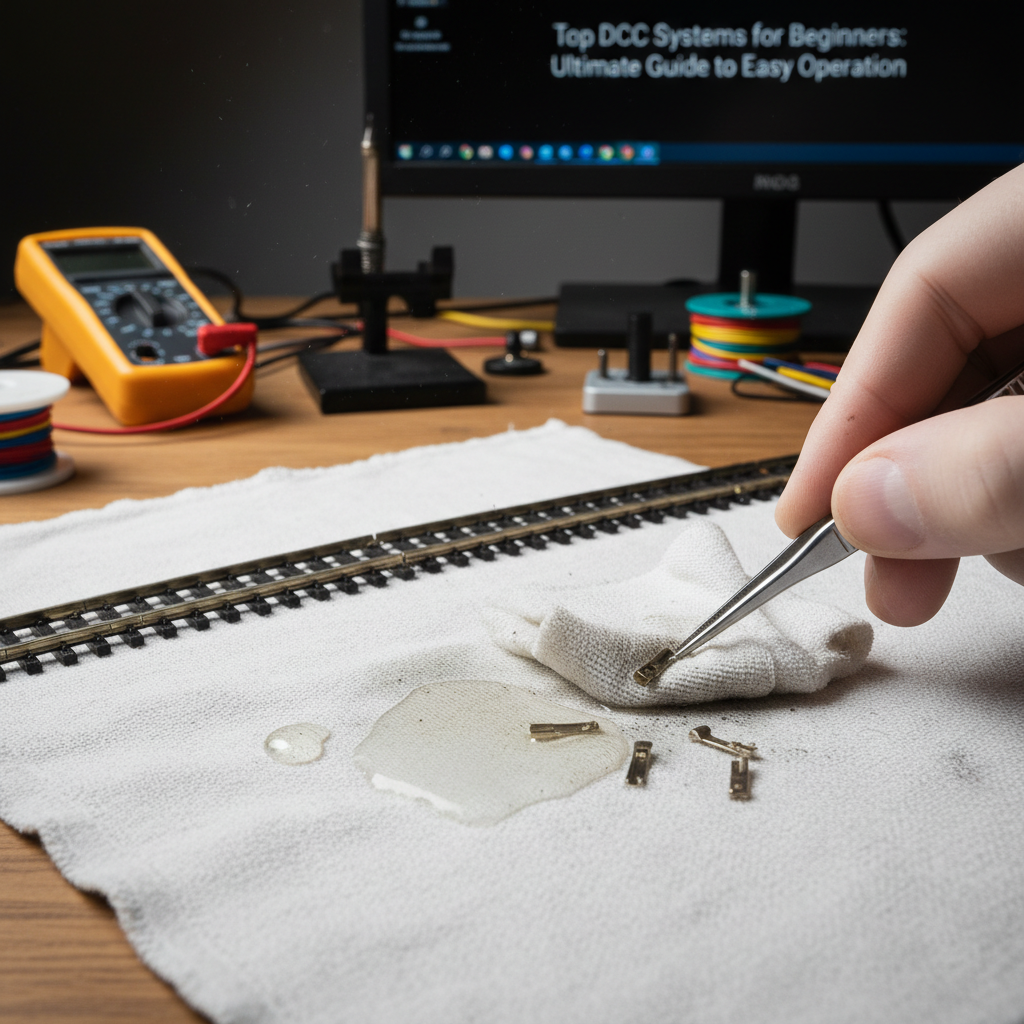
Keep your track clean. DCC systems are sensitive to poor electrical contact. Dirty or oxidized track can cause erratic behavior and frustrating signal drops. Make track maintenance a regular habit — our guide on How to Clean Model Train Tracks Properly Without Damaging Them is a great resource to bookmark.
Read the manual (seriously). DCC manuals can seem dense, but spending 30 minutes with the documentation before setup saves hours of troubleshooting later.
Join an online community. Forums like those on Model Railroader's website or dedicated Facebook groups are filled with experienced hobbyists who love helping beginners. Don't be shy about asking questions.
Invest in quality accessories gradually. You don't need every DCC accessory on day one. Build your system piece by piece as your layout and skills evolve. Browse our recommended products page for curated picks at every budget level.
Frequently Asked Questions
What is the easiest DCC system for a complete beginner?
The Bachmann E-Z Command and the NCE Power Cab are both excellent choices for complete beginners. The E-Z Command is simpler and more affordable, while the Power Cab offers a more intuitive menu system with room to expand as your skills grow.
Can I use any DCC system with any locomotive?
Most DCC systems and decoders follow the NMRA DCC standard, which ensures a high degree of compatibility. However, some features — like advanced sound programming or manufacturer-specific functions — may require a compatible brand ecosystem. Always check compatibility before purchasing.
How much should I spend on a beginner DCC system?
A reasonable starting budget is $100–$200 for a solid beginner DCC system. Spending less risks getting a system you'll outgrow quickly, while spending more than $250 as a beginner often means paying for features you won't use right away.
Do I need a computer to use DCC?
No. Most DCC systems are entirely self-contained with handheld throttles that don't require a computer. That said, connecting to a computer via software like JMRI can unlock powerful programming and automation features once you're ready.
Is DCC worth it for a small beginner layout?
Absolutely. Even on a simple layout with two locomotives, DCC provides a level of control and realism that DC simply can't match. And because good DCC equipment holds its value well, you can always sell or upgrade components later — visit our guide on Who Buys Model Trains Near Me? Best Places to Sell Your Collection if that's ever a consideration.
Conclusion
Choosing the best DCC system for beginners doesn't have to be stressful. Whether you go with the affordable simplicity of the Bachmann E-Z Command, the expandable Digitrax Zephyr Xtra, the user-friendly NCE Power Cab, the dual-throttle Hornby Elite, or the software-powered Sprog 3, each of these systems offers a solid foundation for your model railroad journey.
The most important thing is to start. Pick a system that fits your current budget and layout size, get your first locomotive running, and let the hobby grow naturally from there. DCC opens up a world of operational realism and creative possibility that makes model railroading more rewarding than ever.
Ready to explore more? Browse our full library of guides here at Model Train Insider to find everything from track planning tips to locomotive reviews. The hobby is waiting — and it's better than ever.
Affiliate Disclosure: Some links in this article are affiliate links. We may earn a commission at no extra cost to you.
Enjoying this guide?
Browse our favorite recommended products.
James Mitchell
Model Train Enthusiast & Writer
James has been building layouts and collecting trains for over 15 years. He started Model Train Insider to help newcomers navigate the hobby with practical, no-nonsense advice drawn from hands-on experience.
Stay on Track
Get beginner guides, brand reviews, and layout tips delivered to your inbox. No spam—just trains.
Free forever. Unsubscribe anytime.
Related Articles
DCC vs DC For Beginners: Choosing The Best Control System For Your Layout
Confused by DCC vs DC for beginners? We break down the differences to help you choose the right control system for your model railroad layout.
Read more
DC vs DCC Control Systems: A Comprehensive Guide for Model Railroaders
Confused about model train controls? Discover the differences between DC and DCC systems to decide which is the best fit for your model railroad layout.
Read more
Best Starter DCC Sets: A Beginner’s Guide to Digital Command Control
Looking for the best starter DCC set for your model railroad? We compare top digital command control systems to help you choose the right one for your layout.
Read more