Who Buys Model Trains Near Me? Best Places to Sell Your Collection
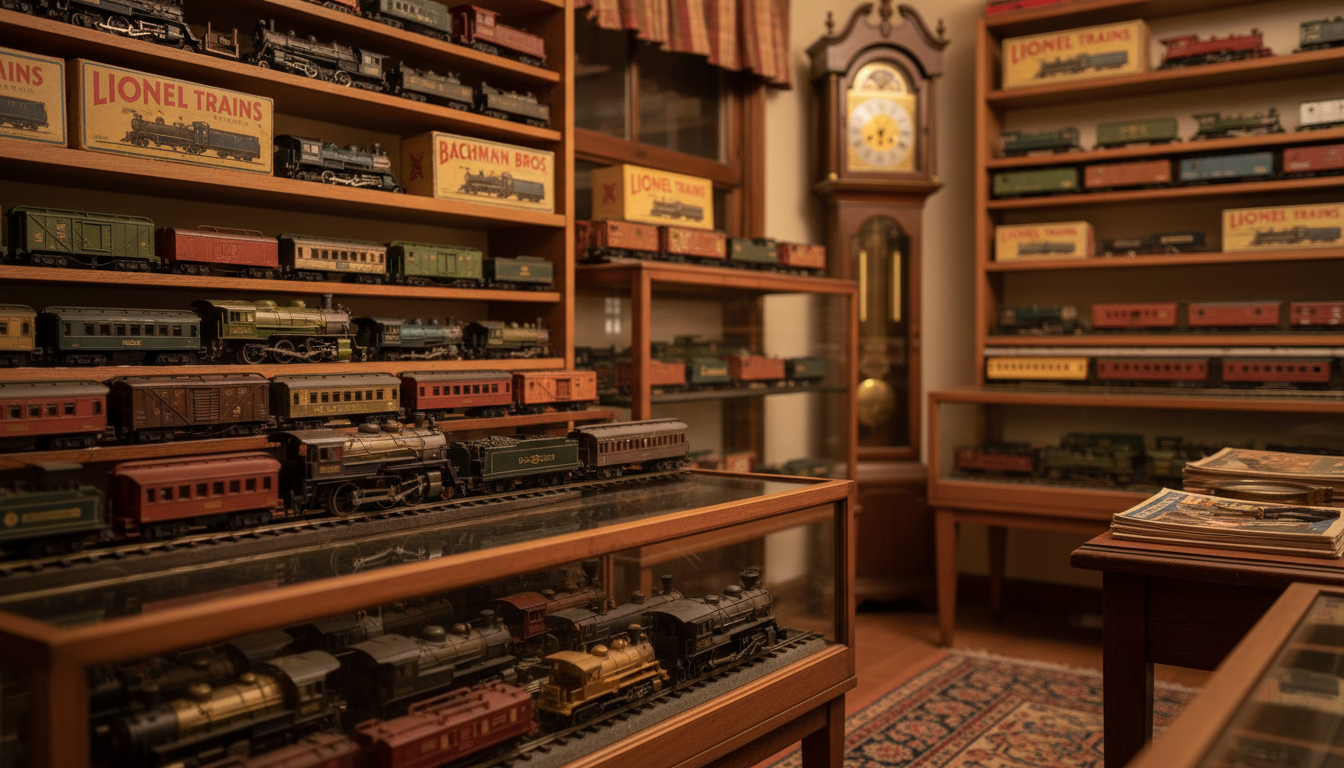
Selling a model train collection is one of those tasks that sounds straightforward until you actually try to do it. Whether you've inherited a collection from a family member, you're downsizing your layout, or you're simply ready to move on from the hobby, figuring out where to sell — and for how much — can be genuinely confusing.
I've been on both sides of this equation. I've sold trains at local shops, shipped boxes through eBay, set up tables at train shows, and negotiated deals in Facebook groups. Each method has its strengths and pitfalls. This guide will walk you through the most practical options for selling model trains, how to value what you have, and the mistakes that cost sellers the most money.
Before You Sell: Understanding What You Have
Before you contact a single buyer, you need to know what's in the collection. This sounds obvious, but the number of people who try to sell "a bunch of old trains" without identifying them first is staggering — and they almost always leave money on the table.
Step 1: Identify the Scale and Brand
Look at the underside of locomotives and rolling stock. Most will have a manufacturer name, model number, and sometimes a production date. Common scales you'll encounter:
- O-Gauge / O-Scale — Larger trains, often Lionel or MTH
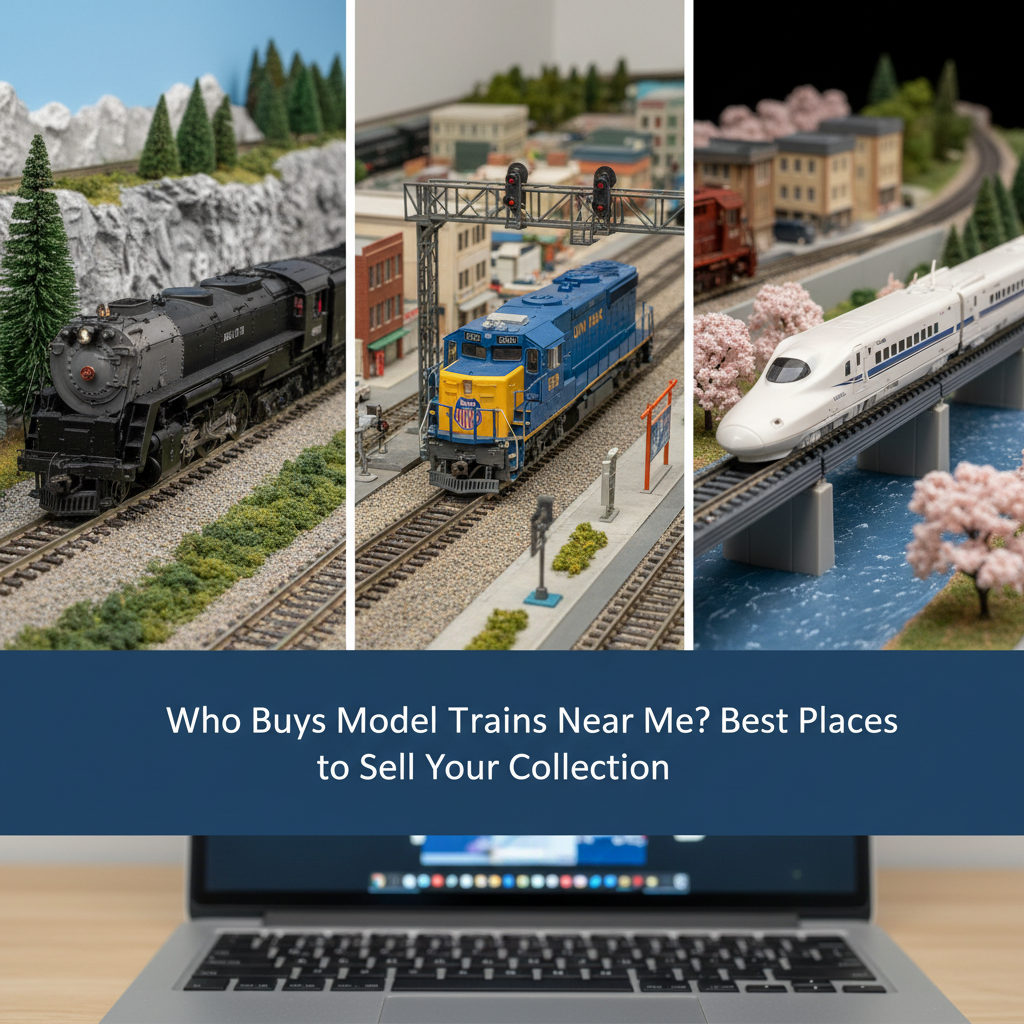
- HO Scale — The most popular scale; look for Athearn, Bachmann, Atlas, Kato
- N Scale — Smaller; common brands are Kato, Atlas, Micro-Trains
- G Scale — Large outdoor-scale trains; LGB, Bachmann Garden
Step 2: Assess Condition
Condition dramatically affects value. Key factors:
- Original packaging — A train in its original box with Styrofoam inserts can be worth 2–3× more than the same model loose
- Working condition — Does the locomotive run? Do the lights work?
- Paint and decals — Are they original and intact, or chipped and faded?
- Completeness — For sets, are all pieces present?
Step 3: Research Comparable Sales
Before setting any price, check what similar items have actually sold for — not just what people are asking. On eBay, use the "Sold Items" filter. This gives you real market data.
Local Hobby Shops: Instant Cash, Lower Prices
Your local hobby shop (LHS) is often the first place people think of when selling trains. It's convenient: you walk in, show them what you have, and (hopefully) walk out with cash.
Pros:
- Immediate payment — no waiting for auctions to end or buyers to pay
- No shipping hassles
- Experienced staff can quickly identify and value items
- Good shops will be honest about what they can and can't sell
Cons:
- Shops need to resell at a profit, so expect offers of 40–60% of retail value
- Some shops are selective and won't buy everything
- Rural areas may not have a hobby shop at all
Tips for Selling to Shops:
- Call ahead. Many shops only buy on certain days or by appointment.
- Bring everything organized and identified if possible — shops appreciate sellers who've done their homework.
- Don't take the first offer personally. They're running a business, and their margins are thin.
- Ask if they do consignment — you might get a better price if you're willing to wait.
Train Shows: The Hobbyist Marketplace
Model train shows and swap meets are goldmines for selling. You'll find serious collectors, dealers, and fellow hobbyists all in one place, and the hobby atmosphere means buyers understand what they're looking at.
Pros:
- Access to knowledgeable, motivated buyers
- Ability to set your own prices
- Opportunity to sell in bulk or as individual pieces
- Great for rare and vintage items that attract collector attention
Cons:
- Table fees typically range from $30–$100+ per show
- Requires transporting your collection (fragile items need careful packing)
- Time commitment — a full day or weekend
- No guarantee you'll sell everything
Tips for Train Show Success:
- Price everything clearly. Buyers at shows won't haggle over items without tags — they'll just walk past.
- Bring a variety — a mix of locomotives, rolling stock, accessories, and track sells better than just one category.
- Be prepared to negotiate on the last day. Serious collectors often wait for deals near closing time.
- Talk to buyers. The social element of train shows often leads to repeat customers and bulk deals.
eBay: Maximum Reach, Maximum Effort
eBay remains the single largest marketplace for model trains. The audience is global, the search tools are robust, and if you have rare or desirable items, this is where they'll fetch the highest prices.
Pros:
- Access to buyers worldwide
- Auction format can drive prices above what you'd expect for rare items
- Sold listing data helps you price accurately
- eBay's buyer protection gives customers confidence to bid higher
Cons:
- eBay fees (approximately 13–15% after final value fees and payment processing)
- Shipping costs, packaging materials, and time
- Risk of returns, damage claims, and difficult buyers
- Requires good photos and detailed descriptions to attract bids
eBay Selling Tips:
- Photograph everything from multiple angles, in good lighting. Close-ups of details, markings, and any damage are essential.
- Use specific titles. "Athearn Genesis HO SD70ACe UP #8444 DCC Sound" will outperform "Model Train Locomotive" every time.
- Offer combined shipping for buyers purchasing multiple items.
- Start auctions at $0.99 for common items — the low starting price attracts more watchers and often drives the final price higher than a fixed listing.
- Ship with tracking and insurance for items over $50.
Facebook Marketplace and Groups
Facebook has become a surprisingly effective platform for selling model trains. There are dedicated model railroad buy/sell groups with thousands of active members, and Facebook Marketplace reaches local buyers who'd rather pick up in person.
Pros:
- No selling fees on Marketplace (local pickup)
- Dedicated model train groups have knowledgeable, engaged buyers
- Easy to share photos and descriptions
- Direct communication with buyers
Cons:
- Requires active Facebook account and group membership
- No seller protection on local transactions
- Group rules vary — some require specific post formats
- Potential for lowball offers and no-shows on local deals
Top Facebook Groups for Model Train Sales:
- Search for groups like "HO Scale Model Trains Buy Sell Trade," "N Scale Buy/Sell/Trade," and "Lionel Trains Collectors and Dealers"
- Read group rules before posting
- Include clear photos, condition notes, prices, and shipping terms in every listing
Estate Sales and Auction Houses
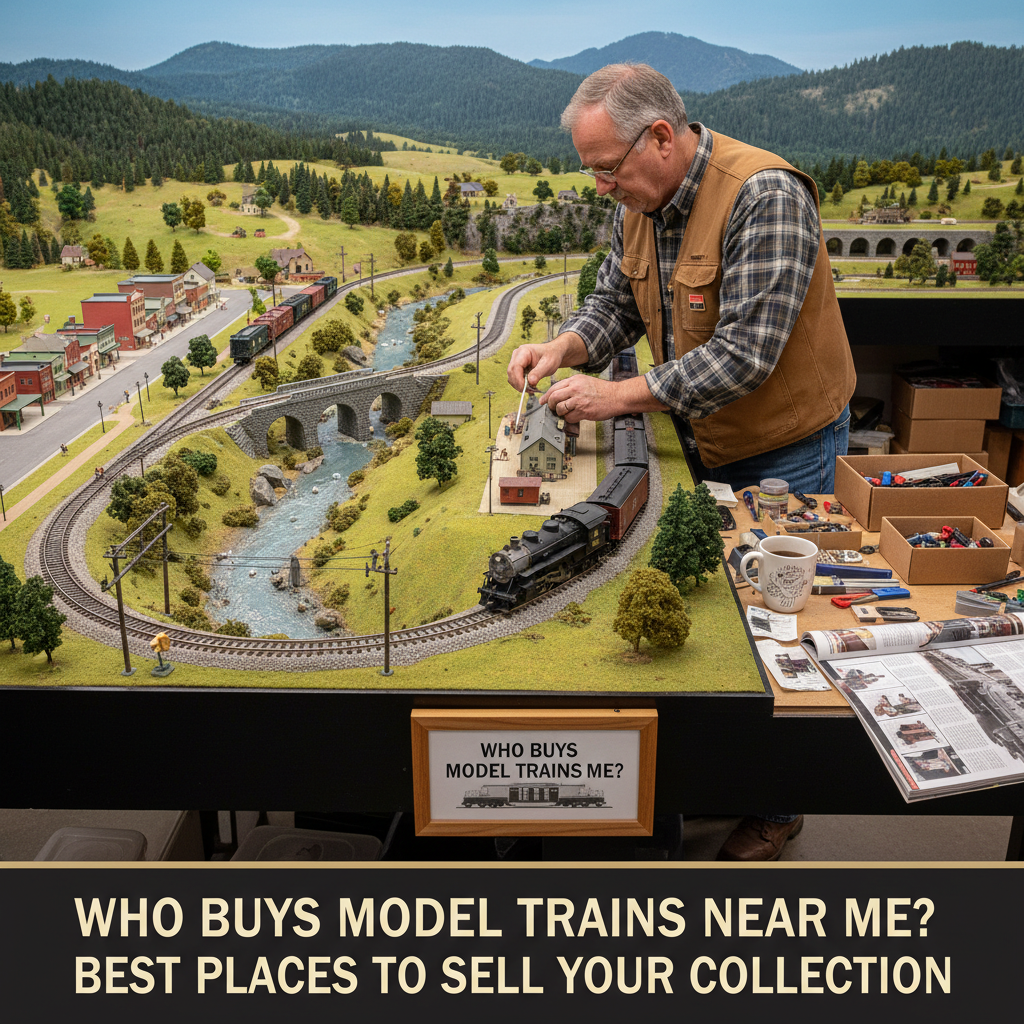
If you're dealing with a large collection — especially one with rare or vintage pieces — an estate sale or auction house might be the right choice.
When This Makes Sense:
- The collection is too large to sell piecemeal (hundreds or thousands of items)
- It includes rare or high-value pieces that benefit from competitive bidding
- You don't have the time or expertise to sell items individually
Pros:
- Auction houses handle pricing, marketing, and transactions
- Competitive bidding can drive rare items well above estimated values
- Professional cataloging and photography
Cons:
- Commission fees typically range from 15–30%
- You may wait months for payment
- Auction timing may not align with peak hobby buying seasons
Online Dealers and Buyback Services
Several online businesses specialize in buying model train collections. Companies like TrainWorld, Charles Ro Supply, and various online dealers will purchase collections outright or on consignment.
Pros:
- Convenient — many will arrange shipping or even pick up large collections
- Quick turnaround compared to eBay or shows
- Experienced valuers who can handle rare items appropriately
Cons:
- Expect wholesale pricing (similar to or slightly better than hobby shops)
- Less control over individual item pricing
- Some require a minimum collection value
Common Mistakes That Cost Sellers Money
After years in this hobby, I've seen the same mistakes repeatedly. Avoid these and you'll get significantly better results:
Mistake #1: Assuming "Old" Means "Valuable" The most common misconception. A Tyco train set from the 1970s might have sentimental value, but on the market, most basic Tyco and Life-Like sets from that era sell for $15–$40. Age alone doesn't determine value — brand, condition, rarity, and demand do.
Mistake #2: Refusing to Sell Piecemeal "I want to sell the whole collection as one lot" is understandable but usually means accepting a steep discount. Dealers who buy entire collections factor in the work of sorting, listing, and storing hundreds of items. Selling individual high-value items separately and bundling the rest often nets more total money.
Mistake #3: Poor Photos In online selling, photos are everything. Blurry, dark, or poorly composed images make even valuable trains look worthless. Use natural light, a clean background, and take close-ups of details, markings, and any flaws.
Mistake #4: Ignoring Shipping Costs Trains are fragile and often heavier than you'd expect. Underestimating shipping costs (or offering free shipping without building it into the price) eats directly into your profit. Always calculate shipping before setting your price.
Mistake #5: Not Researching Before Pricing Setting prices based on original retail, emotional attachment, or guesswork almost always backfires. Check eBay sold listings, consult price guides, and if you're unsure, get an informal appraisal from a local hobby shop or experienced collector.
How to Value Your Collection
Here's a practical framework for estimating what your collection might be worth:
| Item Type | Typical Resale Range | |-----------|---------------------| | Common rolling stock (loose) | $5–$20 each | | Rolling stock with original box | $10–$40 each | | Standard DC locomotives | $30–$100 | | DCC Sound locomotives | $80–$250 | | Premium/Genesis locomotives (mint, boxed) | $150–$400 | | Vintage brass locomotives | $200–$2,000+ | | Starter sets (complete, boxed) | $40–$150 | | Track and accessories | 25–50% of original retail |
These are general ranges. Rare items, limited runs, and brass models can exceed these significantly.
Frequently Asked Questions
How do I know if my trains are brass? Brass models are heavier than plastic or die-cast trains and usually unpainted or custom-painted. Check the underside — brass models often have import stickers from Japanese or Korean manufacturers. They'll also have a distinctly different feel and weight compared to mass-produced plastic models.
Is original packaging really that important? Yes, especially for collectible and vintage items. Original boxes, inserts, and paperwork can increase value by 30–100% or more. Always keep packaging if you have it.
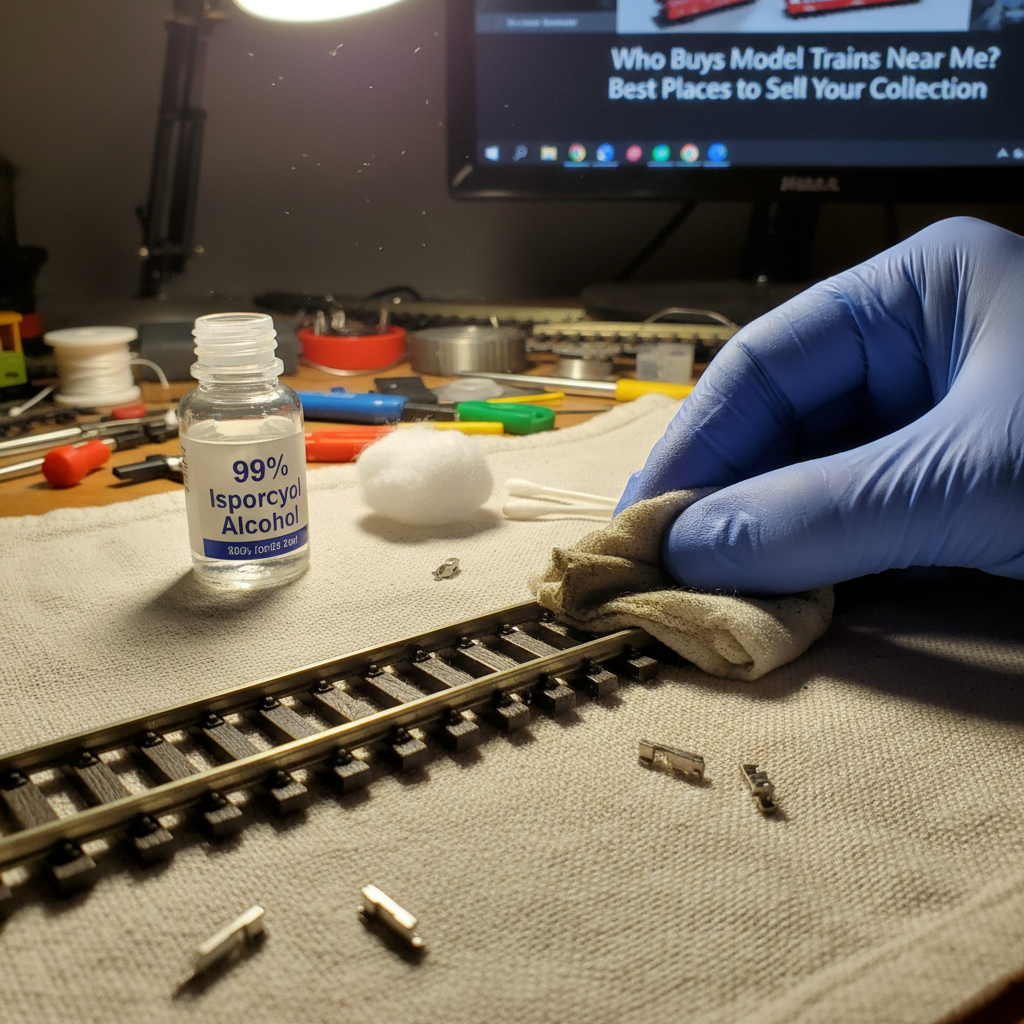
Should I clean or repair trains before selling? Light cleaning (dusting, gentle wipe-down) is fine. But don't repaint, re-decal, or attempt mechanical repairs unless you know what you're doing. Amateur repairs can actually decrease value. Collectors often prefer "honest wear" over botched restoration.
How do I find train shows near me? The National Model Railroad Association (NMRA) website lists regional events. TCA (Train Collectors Association) and hobby shop bulletin boards are also good resources. Search "model train show" plus your state or metro area.
What's the best time of year to sell? Demand peaks in October through January (the holiday season and gift-buying period). Spring and early fall are also good, especially around train show season. Summer tends to be the slowest period.
Will a dealer come to my house to look at my collection? Many will, especially for large collections. Call ahead and describe what you have. Most dealers can give you a rough estimate over the phone and then schedule an in-person visit if it sounds worthwhile.
Want to learn more about the brands in your collection? Read our guide to Top Model Train Companies Every Beginner Should Know. Wondering why some trains command such high prices? Check out Why Are Model Trains So Expensive?
Enjoying this guide?
Browse our favorite recommended products.
James Mitchell
Model Train Enthusiast & Writer
James has been building layouts and collecting trains for over 15 years. He started Model Train Insider to help newcomers navigate the hobby with practical, no-nonsense advice drawn from hands-on experience.
Stay on Track
Get beginner guides, brand reviews, and layout tips delivered to your inbox. No spam—just trains.
Free forever. Unsubscribe anytime.
Related Articles
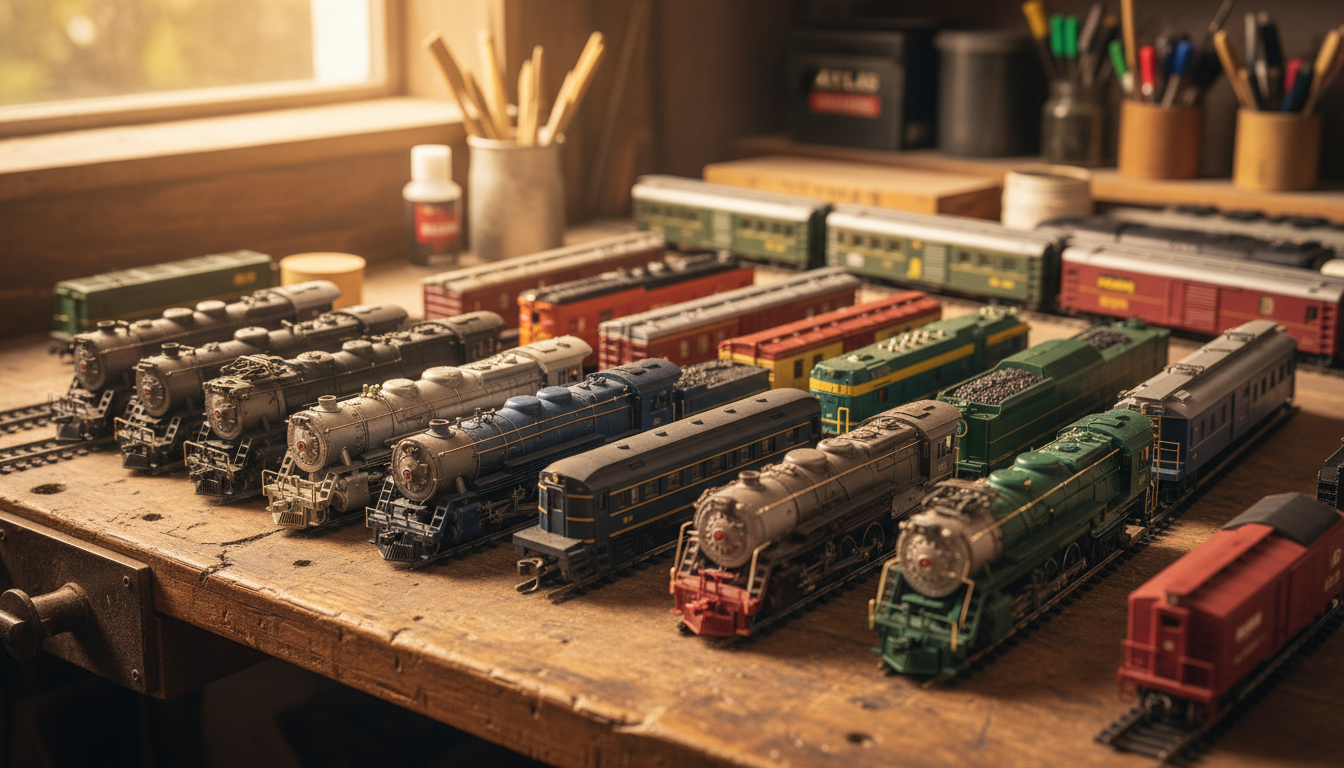
Top Model Train Companies Every Beginner Should Know
A comprehensive guide to the biggest names in model railroading — from Lionel's American legacy to Kato's Japanese precision — so you can pick the brand that fits your layout, scale, and budget.
Read more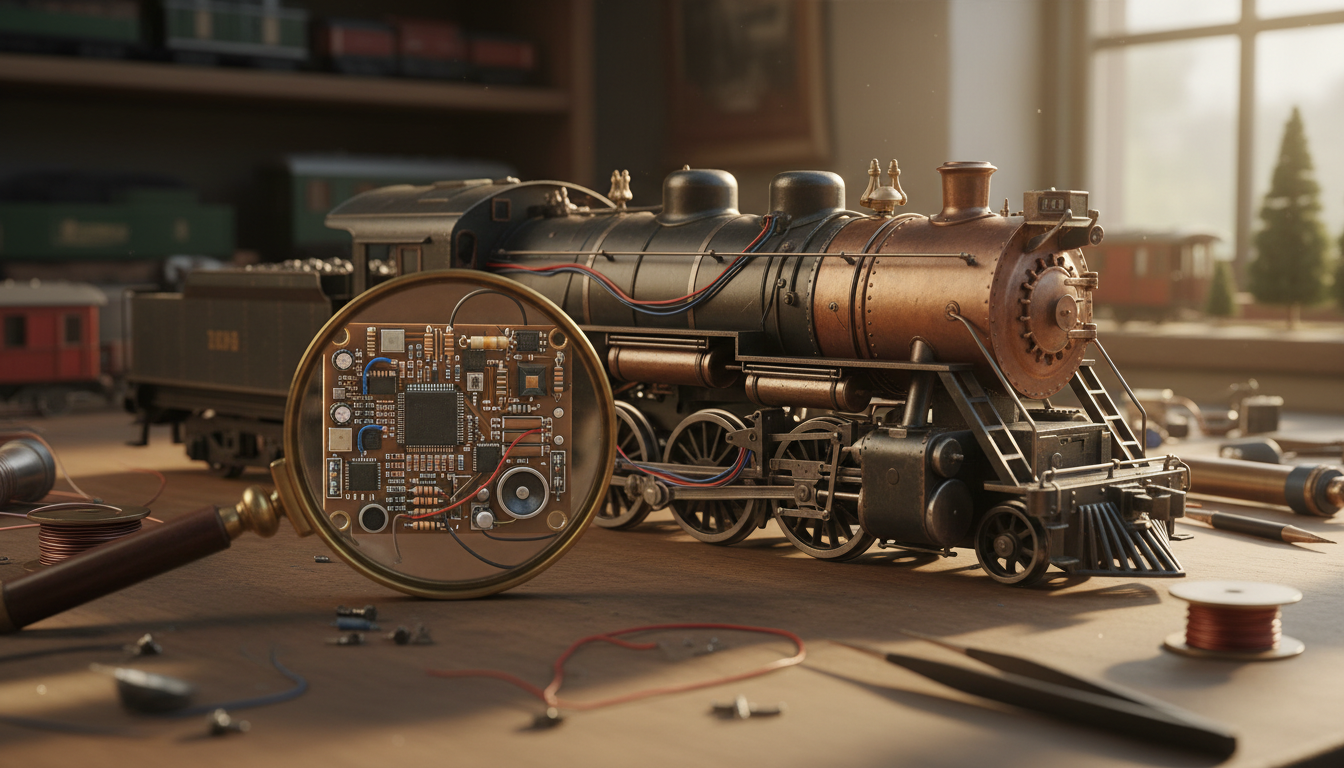
Why Are Model Trains So Expensive? The Real Reasons Explained
From precision tooling and DCC electronics to licensing fees and limited production runs — here's an honest look at why quality model trains carry the price tags they do, plus tips for saving money.
Read more