Kato vs Bachmann DCC: Which Control System Is Right For Your Layout?
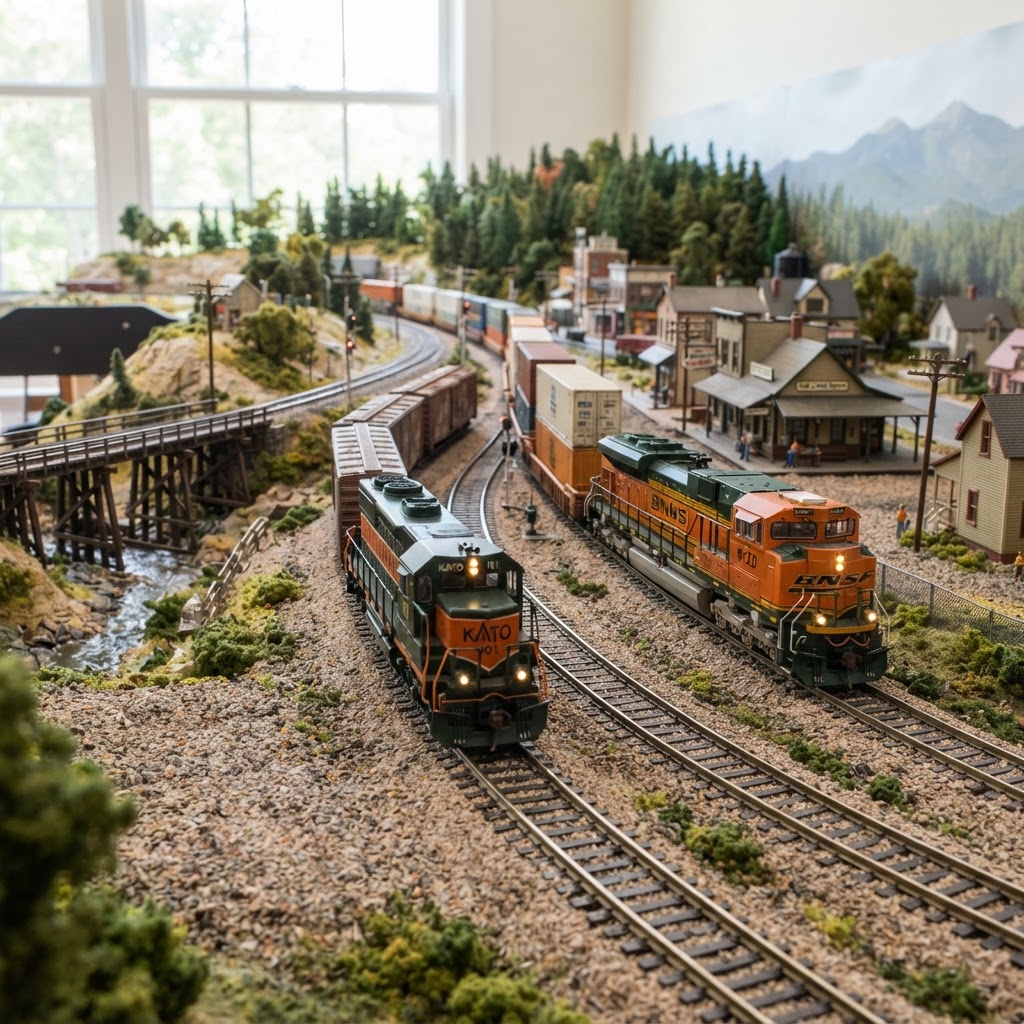
When choosing a Digital Command Control system for your model railroad layout, few decisions spark more debate among hobbyists than the classic kato vs bachmann dcc comparison. Both brands have earned loyal followings over decades of manufacturing quality locomotives and control systems, yet they approach DCC in distinctly different ways. Whether you're a first-time buyer trying to make sense of the options or an experienced modeler looking to upgrade your existing setup, understanding what separates these two manufacturers can save you time, money, and frustration down the road.
Kato and Bachmann each bring something unique to the table. Kato, the Japanese-based manufacturer renowned for its precision engineering and smooth-running locomotives, offers DCC solutions that reflect their commitment to quality craftsmanship. Bachmann, an American brand with a long history of accessible, beginner-friendly products, takes a more value-oriented approach with its E-Z Command and Spectrum DCC systems. The gap between these philosophies becomes clear the moment you start comparing features, decoder quality, and overall user experience.
In this guide, we'll break down both systems across several key categories — from out-of-the-box performance and sound capabilities to expandability and price point. If you're just getting started with digital control, you may also want to check out our 10 Best DCC Control Systems For Model Train Beginners: A 2024 Guide before diving in, as it provides excellent context for where both brands fit in the broader DCC landscape. Now, let's get into the details.
Understanding DCC: A Quick Refresher
Before diving into the brand-specific comparisons, it helps to understand what DCC actually is and why it matters. Digital Command Control is a standard that allows model railroaders to independently control multiple locomotives on the same track using digital signals rather than varying voltage levels. Each locomotive carries its own decoder chip that responds to commands from a central controller.
DCC opens up a world of possibilities: independent speed and direction control for multiple trains, lighting effects, sound systems, and even momentum simulation. For anyone serious about building a dynamic, realistic layout, DCC is essentially the baseline technology to build upon.
If you're newer to the hobby and still weighing your scale options, our HO Scale vs N Scale: The Ultimate Comparison for Beginners article is a great resource, since DCC availability and compatibility can differ across scales — a factor worth considering before committing to either Kato or Bachmann.
Kato DCC Systems: Precision in Every Detail
Overview of Kato's DCC Approach
Kato occupies a distinct niche in the model railroad world. Their locomotives are widely celebrated for buttery-smooth running characteristics, precise detail work, and excellent out-of-the-box performance. Kato's DCC philosophy follows the same principle: their products are designed to work exceptionally well from the moment you unbox them, with minimal setup required.
Kato primarily produces DCC-ready locomotives that are designed to accept third-party decoders, along with a selection of DCC-equipped models. They have also partnered with Digitrax for their Sound DCC solutions in certain product lines, particularly in N scale. This approach means Kato isn't necessarily selling you a complete DCC ecosystem — rather, they're delivering high-quality rolling stock that plays nicely within the broader DCC standard.
Decoder Quality and Installation
One of the standout qualities of Kato's DCC-ready locomotives is the thoughtful design of their decoder sockets. Kato models typically feature accessible plug-and-play sockets (usually NMRA standard 8-pin or 21-pin configurations), making decoder installation straightforward even for hobbyists who are new to the process.
Kato's own DCC decoders, where offered, are known for smooth voltage regulation and quiet motor control — hallmarks of the brand's engineering DNA. Their N scale offerings, in particular, benefit from Kato's tight manufacturing tolerances, which translate into cleaner electrical pickup and fewer stall issues on complex track layouts.
Sound Capabilities
Kato has expanded its sound-equipped DCC offerings in recent years, particularly in their N scale and HO scale steam and diesel locomotive lines. The sound quality, when present, is generally well-regarded, with realistic prime mover sounds, horns, and bell effects. However, Kato's sound lineup is more limited in scope than what Bachmann's Spectrum line offers, so if a wide variety of sound-equipped ready-to-run options is a priority, keep that in mind.
Best Use Case for Kato DCC
Kato is an excellent choice for modelers who:
- Prioritize smooth, reliable running performance above all else
- Are comfortable selecting and installing third-party decoders
- Model in N scale, where Kato's offerings are particularly strong
- Want locomotives that hold their value well over time
Bachmann DCC Systems: Accessible and Feature-Rich
Overview of Bachmann's DCC Lineup
Bachmann takes a more inclusive approach to DCC. Their lineup is broadly divided into two tiers: the E-Z Command system aimed at beginners, and the more advanced Spectrum and Econami sound decoder products for experienced modelers. This layered approach means Bachmann has an entry point for virtually every level of hobbyist.
The E-Z Command system is one of the most beginner-friendly DCC setups on the market. It features a simple handheld controller with intuitive buttons, pre-set function keys, and a straightforward programming method. For anyone intimidated by the complexity of full-featured DCC systems, E-Z Command lowers the barrier to entry considerably. You might also explore our Top 5 Model Railroad Brands for Beginners: A Guide to Getting Started for additional context on how Bachmann fits into the beginner ecosystem.
The Spectrum Line and Econami Decoders
Bachmann's Spectrum line represents their premium tier, featuring more detailed locomotive models equipped with sound-capable decoders. The Econami sound decoder, developed in partnership with SoundTraxx, delivers impressive audio fidelity at a competitive price point. These decoders support a wide range of configuration variables (CVs), allowing experienced users to fine-tune performance to their preferences.
The Econami decoder's sound library includes realistic diesel and steam sounds, auto-brake squeal, crew conversations, and ambient sound effects — a feature set that genuinely competes with more expensive third-party sound solutions.
E-Z Command: The Beginner's Gateway
The E-Z Command controller is designed to be picked up and used immediately. There's no complex programming interface, no need to memorize CV numbers, and no external booster required for smaller layouts. For new hobbyists building their first layout, this simplicity is genuinely valuable.
That said, E-Z Command has real limitations. The system supports a relatively small number of locomotive addresses and lacks some of the advanced programming features that enthusiasts eventually demand. If you outgrow E-Z Command, you'll need to migrate to a more capable system — a transition that's worth anticipating from the start. For related reading, check out our Best HO Scale Starter Set for Adults: A Complete Buyer's Guide for Bachmann-specific starter recommendations.
Expandability and Ecosystem
Bachmann's DCC-equipped locomotives are NMRA-compliant, meaning they work with any standard DCC command station — Digitrax, NCE, Lenz, and others. This compatibility is a significant advantage, as hobbyists aren't locked into a proprietary system. If you start with E-Z Command and later upgrade to a full-featured Digitrax or NCE system, your Bachmann locomotives will continue to work seamlessly.
Head-to-Head Comparison: Key Categories
Price and Value
Bachmann wins on price accessibility. Entry-level DCC-equipped Bachmann locomotives and starter sets are significantly more affordable than comparable Kato offerings. This makes Bachmann an attractive choice for budget-conscious modelers, families, and those just testing the waters of the hobby. Check out our recommended products page for curated picks across both brands.
Kato commands a premium, but that premium is generally justified by superior build quality, smoother motor performance, and better long-term reliability. For serious collectors and layout builders, the investment often pays off over time.
Running Quality
Kato takes a clear lead here. Their flywheels, precision motors, and excellent electrical pickup produce some of the smoothest running locomotives in any scale. Slow-speed performance is exceptional, which matters enormously for realistic operations on complex layouts.
Bachmann's Spectrum models are solid performers, but entry-level Bachmann trains can exhibit inconsistency in running quality. Hobbyists occasionally encounter issues with electrical pickup on older Bachmann models — something worth investigating if you experience problems. Our How to Troubleshoot Locomotive Power Issues: A Comprehensive Guide covers these scenarios in detail.
Sound Features
Bachmann's Econami-equipped Spectrum models offer better out-of-the-box sound variety than the average Kato locomotive. If rich, immersive sound is a priority, Bachmann's Spectrum lineup — particularly the steam models — is genuinely impressive for the price.
Detail and Aesthetics
Both brands produce attractively detailed models, but Kato's fit and finish is generally considered superior, especially in N scale. Fine details, crisp paint schemes, and durable construction are consistent hallmarks of Kato products.
Beginner Friendliness
Bachmann wins convincingly in this category. The E-Z Command system, DCC-equipped starter sets, and comprehensive instruction materials make Bachmann the more approachable brand for newcomers. If you're buying a first set for a younger family member, our The Best Model Train Sets for Kids: Top Picks for Young Conductors article offers further guidance.
Which Brand Should You Choose?
The honest answer is that your choice depends heavily on your priorities and your stage in the hobby.
Choose Kato if you:
- Model primarily in N scale and want the best performance available
- Are an intermediate to advanced hobbyist comfortable with decoder installation
- Prioritize smooth running and long-term reliability
- Are building a serious, permanent layout
Choose Bachmann if you:
- Are new to DCC and want an accessible, affordable entry point
- Want out-of-the-box sound without additional investment
- Are shopping on a tighter budget
- Are buying for a child or casual hobbyist
For those still exploring starter options across brands, our Best Model Train Kits For Beginners: A Complete Starter Guide and 5 Best Beginner Model Train Kits To Start Your Hobby Today offer excellent side-by-side comparisons of entry-level products. Also, don't overlook the importance of a reliable power supply for your layout — our The Best Power Supplies for Model Trains: A Complete Buying Guide will help you choose the right one for your setup.
Frequently Asked Questions
Is Kato DCC compatible with Bachmann locomotives?
Yes. Both Kato decoders and Bachmann decoders comply with the NMRA DCC standard, meaning command stations from either brand (or any other NMRA-compliant manufacturer) can control locomotives equipped with decoders from the other brand. You're never locked into a proprietary ecosystem when using standard DCC.
Can I upgrade a Bachmann E-Z Command system to a more advanced DCC setup later?
Absolutely. Bachmann's DCC-equipped locomotives will work with any NMRA-compliant DCC command station. You can start with E-Z Command and upgrade to a full-featured system like Digitrax or NCE without replacing your locomotive fleet.
Are Kato locomotives good for beginners?
Kato locomotives run beautifully and are certainly usable by beginners, but their higher price point and the need to select and install third-party decoders for DCC operation can add complexity. Beginners who prioritize simplicity may find Bachmann's ready-to-run DCC offerings more immediately accessible.
Does Bachmann make sound-equipped DCC locomotives?
Yes. Bachmann's Spectrum line includes numerous sound-equipped DCC locomotives using the Econami decoder developed with SoundTraxx. These models feature realistic diesel and steam sounds and compete well with comparably priced offerings from other manufacturers.
Which brand is better for N scale layouts?
Kato has long been considered the gold standard for N scale model railroading. Their N scale locomotives offer exceptional detail, smooth running, and reliable performance that is difficult to match at any price. While Bachmann does offer N scale products, serious N scale modelers typically gravitate toward Kato.
Conclusion
The kato vs bachmann dcc debate doesn't have a single winner — it has two different answers for two different types of modelers. Kato delivers precision engineering and world-class running performance, making it the preferred choice for experienced hobbyists and serious N scale enthusiasts. Bachmann offers accessible entry points, feature-rich sound systems, and beginner-friendly controllers that make DCC less intimidating for those just starting their journey.
Whichever brand you choose, both are reputable manufacturers with strong track records and active hobbyist communities behind them. The best approach is to define your priorities — budget, scale, experience level, and sound requirements — and let those factors guide your decision.
Ready to dive deeper into the world of model railroading? Explore our full library of guides here at Model Train Insider, including our detailed look at Athearn Genesis vs Standard: Is the Premium Upgrade Worth Your Investment? for another brand comparison perspective. Whether you're building your first loop of track or expanding a basement empire, we've got the resources to help you run with confidence.
Affiliate Disclosure: Some links in this article are affiliate links. We may earn a commission at no extra cost to you.
Enjoying this guide?
Browse our favorite recommended products.
James Mitchell
Model Train Enthusiast & Writer
James has been building layouts and collecting trains for over 15 years. He started Model Train Insider to help newcomers navigate the hobby with practical, no-nonsense advice drawn from hands-on experience.
Stay on Track
Get beginner guides, brand reviews, and layout tips delivered to your inbox. No spam—just trains.
Free forever. Unsubscribe anytime.
Related Articles
Which Brand Makes the Best Steam Locomotives? A Collector's Guide
Looking for the best train brand for steam engines? We evaluate top manufacturers to help you find the most detailed and reliable steam locomotives for your layout.
Read more
The Best Steam Locomotive Brands For Serious Model Train Collectors
Discover the best steam locomotive brands for your model railroad. We compare top manufacturers for detail, performance, and reliability in every scale.
Read more
MTH vs Lionel: Comparing Sound Fidelity and DCC Control Features
Struggling to choose between MTH and Lionel? We break down the key differences in sound realism and DCC control systems to help you build your perfect layout.
Read more