10 Best DCC Control Systems For Model Train Beginners: A 2024 Guide
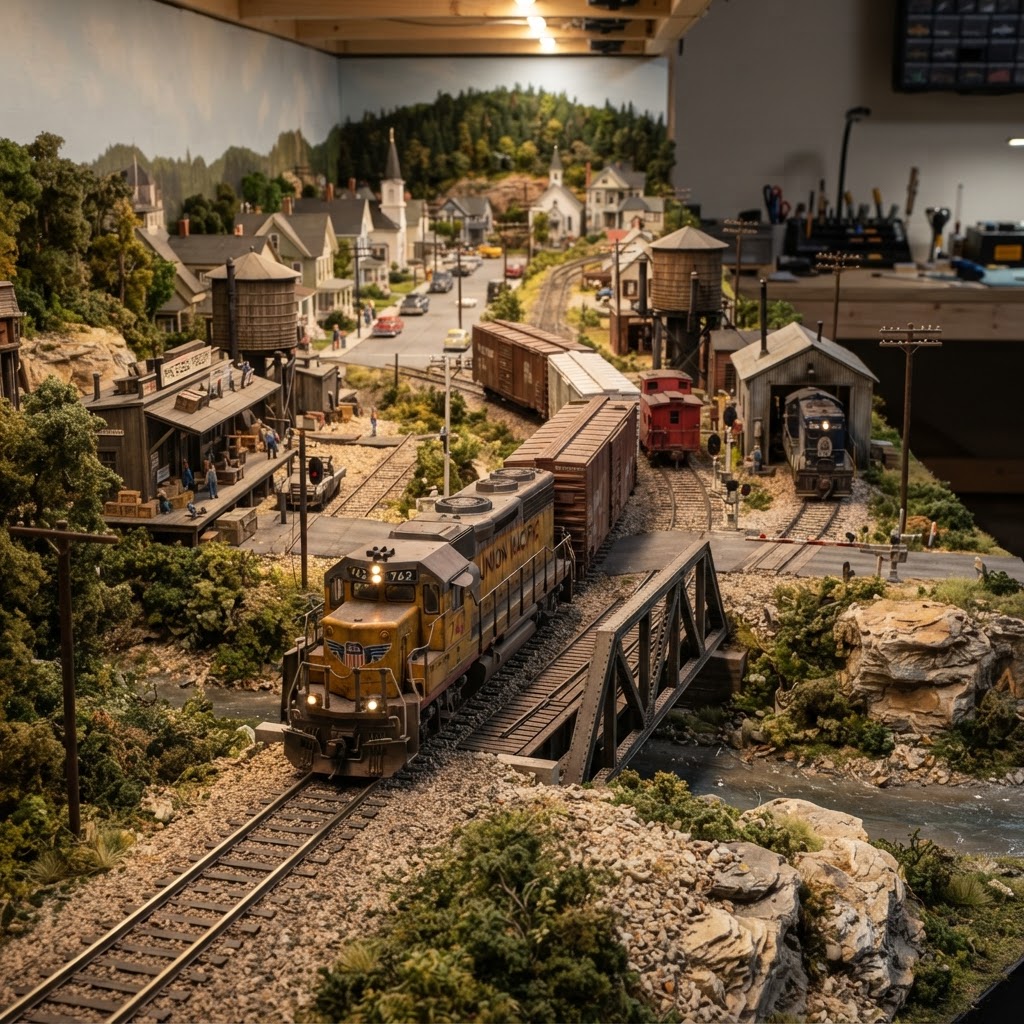
If you've recently discovered the world of model railroading, you've probably heard the term "DCC" thrown around more than a few times. DCC, or Digital Command Control, is the modern standard for operating model trains, and finding the best DCC control systems for beginners can feel overwhelming when you're just starting out. With dozens of options on the market — ranging from basic starter throttles to full-featured command stations with smartphone integration — it's hard to know where to begin.
The good news is that today's DCC systems are more beginner-friendly than ever. Manufacturers have worked hard to lower the learning curve, offering intuitive interfaces, helpful starter bundles, and robust online communities to support new hobbyists. Whether you're running a simple loop of HO scale locomotives or building an ambitious multi-train layout, there's a DCC system designed to grow with your hobby. If you're not sure which scale is right for you yet, check out our guide on HO Scale vs N Scale: The Ultimate Comparison for Beginners before investing in any control system.
In this guide, we've rounded up 10 of the best DCC control systems for beginners, breaking down each option's key features, pros, cons, and ideal use cases. We've also included practical buying advice and answers to the most common questions new hobbyists ask. Let's dive in.
What Is DCC and Why Does It Matter?
Before jumping into product recommendations, it's worth understanding what DCC actually does. Traditional DC (direct current) analog control powers the track itself — meaning every locomotive on the same track runs at the same speed and direction. DCC changes everything by sending a constant power signal through the rails and embedding individual decoder chips inside each locomotive. This allows you to independently control multiple trains on the same track, adjust lighting effects, trigger realistic sound, and fine-tune locomotive performance.
For anyone serious about the hobby, DCC isn't just a luxury — it's the foundation of a truly dynamic layout. Pair a quality DCC system with the right locomotives and you'll have an experience that analog simply can't match. If you're still building your locomotive fleet, our Best Model Train Kits For Beginners: A Complete Starter Guide is a great place to start.
What to Look for in a Beginner DCC System
Not all DCC systems are created equal, and what works for an experienced modeler might be frustrating for someone just learning the ropes. Here are the key factors to consider:
Ease of Use
Look for systems with clear displays, intuitive button layouts, and straightforward programming. Some command stations come with large knobs and simplified menus specifically designed for beginners.
Power Output (Amps)
Entry-level systems typically output between 1.5 and 5 amps. For a small layout with two or three locomotives, 2–3 amps is usually sufficient. Larger layouts with more trains will need more headroom.
Expandability
You may start small, but your layout will likely grow. Choose a system that supports additional throttles, boosters, and computer control so you're not stuck replacing everything a year from now.
Budget
Starter DCC systems can range from around $50 to $250, with full-featured systems going higher. We always recommend checking our recommended products page for the latest deals and bundles.
Community Support
A large user base means more tutorials, YouTube videos, and forum threads when you run into problems — and you will run into problems. Stick with brands that have active communities.
10 Best DCC Control Systems for Beginners
1. Bachmann EZ Command DCC System
Best for: Absolute beginners on a tight budget
The Bachmann EZ Command is one of the most affordable entry points into DCC, making it a popular choice for hobbyists who want to test the waters without a major financial commitment. It features a simple two-button interface with a built-in 1-amp power output and supports up to 10 locomotive addresses.
While it lacks the advanced features of pricier systems, the EZ Command does exactly what a beginner needs: it lets you run DCC-equipped locomotives independently on the same track with minimal setup. It's worth noting that the 1-amp limit makes it unsuitable for larger layouts or multiple trains running simultaneously.
Pros: Very affordable, beginner-friendly interface, compact design Cons: Limited power output, no walk-around throttle, minimal expandability
2. MRC Prodigy Express²
Best for: Beginners ready to step up from entry-level
The MRC Prodigy Express² is a step above the most basic systems, offering 2.5 amps of power, a backlit display, and support for up to 50 locomotive addresses. It also features a built-in momentum and brake function, which gives your trains a more realistic feel right out of the box.
One standout feature is its compatibility with additional handheld throttles, giving you walk-around capability as your layout grows. This system strikes a solid balance between beginner accessibility and room to grow.
Pros: Affordable upgrade from entry level, good power output, walk-around capable Cons: Programming on the main can be limited, smaller display than higher-end units
3. Digitrax Zephyr Xtra (DCS52)
Best for: Beginners who want room to grow
Digitrax is one of the most respected names in DCC, and the Zephyr Xtra is their purpose-built beginner system. With 2.5 amps of output, a built-in throttle, and LocoNet connectivity, this system can grow into a full Digitrax layout as your hobby expands. It also functions as a standalone booster for larger layouts.
The Zephyr Xtra supports both DCC and DC operations simultaneously, which is a useful feature if you still have older DC locomotives in your fleet. The LocoNet ecosystem is one of the largest in the hobby, meaning accessories, throttles, and software integrations are widely available.
Pros: Expandable LocoNet system, supports DC locos, reliable brand Cons: Interface has a learning curve, slightly higher price point for beginners
4. NCE Power Cab
Best for: Beginners who want an all-in-one solution
The NCE Power Cab is widely regarded as one of the most beginner-friendly DCC systems available, and for good reason. It packages the command station, booster, and throttle into a single handheld unit, making setup extremely straightforward. The 1.65-amp output is modest, but it's adequate for small to medium layouts.
NCE is known for exceptional customer support and an active user community, which is invaluable when you're learning. The Power Cab can also be expanded into NCE's full PH-Pro system if your needs outgrow the starter setup.
Pros: Truly all-in-one design, beginner-friendly programming, excellent support community Cons: 1.65 amps may limit larger layouts, upgrading requires additional investment
5. Hornby Elite DCC Controller
Best for: Beginners running Hornby or UK-prototype layouts
The Hornby Elite is a popular choice in the UK market and works beautifully with Hornby locomotives and decoders. It features a large LCD display, easy-to-navigate menus, and 4 amps of output — impressive for a beginner-oriented system.
With support for up to 256 locomotive addresses and a cab bus for additional throttles, the Elite has more long-term potential than many starter systems. If you're running OO gauge or UK-based layouts, this is a strong contender.
Pros: High power output, large display, solid expandability Cons: Less common in North American markets, fewer third-party accessories
6. Roco Z21 Start
Best for: Tech-savvy beginners who want smartphone control
The Roco Z21 Start brings WiFi connectivity to beginner DCC, allowing you to control your trains directly from a smartphone or tablet using the free Z21 app. With 3 amps of output and a sleek, modern interface, it's one of the most visually appealing systems in this list.
The app is intuitive and fun to use, particularly for younger hobbyists or those who prefer touchscreen interfaces. If you have kids who want to get involved in the hobby, this system pairs nicely with our guide to The Best Model Train Sets for Kids: Top Picks for Young Conductors.
Pros: Smartphone/tablet control, modern design, WiFi connectivity Cons: WiFi dependency can cause lag, less tactile than traditional throttles
7. Digitrax DCS210+ Twin
Best for: Beginners planning a multi-train layout from day one
If you know from the start that you want to run multiple trains on a larger layout, the Digitrax DCS210+ Twin is worth the investment. It offers 5 amps of output and supports up to 10 simultaneous operations via LocoNet, along with built-in transponding for automatic locomotive detection.
This system is a step up in complexity, but Digitrax's extensive documentation and community support make it manageable for a motivated beginner. Pair it with the right recommended products and you'll have a layout that can truly scale.
Pros: High power output, advanced features, excellent expandability Cons: More expensive, steeper learning curve
8. Lenz LH90 Compact System
Best for: Beginners who value precision and reliability
Lenz is a German manufacturer with a reputation for engineering excellence. The LH90-based starter system delivers precise control and reliable performance that experienced modelers swear by. The system supports XpressNet, which allows for a wide range of compatible throttles and accessories.
Lenz systems aren't the flashiest on the market, but their rock-solid reliability makes them a smart long-term investment. For hobbyists interested in highly detailed locomotives, you may want to pair this system with insights from our Athearn Genesis vs Standard: Is the Premium Upgrade Worth Your Investment? article.
Pros: Reliable engineering, XpressNet compatibility, precise control Cons: Higher price, less widely distributed in North America
9. Sprog 3 USB DCC Programmer
Best for: Beginners focused on computer-based layout control
The Sprog 3 is unique on this list because it's primarily a DCC programmer that connects via USB to your computer, allowing you to use JMRI (Java Model Railroad Interface) software for full layout control. It's 2.5 amps and provides a fully featured DCC environment through free, open-source software.
This is an excellent option for modelers who enjoy tinkering with technology and want maximum control over their layout's behavior. JMRI is incredibly powerful but does require some technical comfort. For troubleshooting locomotive issues, our guide on How to Troubleshoot Locomotive Power Issues: A Comprehensive Guide will come in handy.
Pros: Powerful computer integration, access to JMRI, affordable Cons: Requires a computer, not ideal for those who prefer hardware-only setups
10. Gaugemaster Prodigy Advance² Wireless
Best for: Beginners wanting wireless freedom right away
The Gaugemaster Prodigy Advance² Wireless builds on the MRC Prodigy platform with the addition of wireless radio frequency operation, allowing true walk-around control without tethering to a cable. With 3.5 amps of output and support for up to 99 locomotive addresses, it's a capable system for layouts of moderate size.
The wireless throttle has a solid range and a comfortable ergonomic design that makes operating sessions more enjoyable. It's a strong choice for beginners who want a polished, complete out-of-the-box experience.
Pros: Wireless walk-around control, good power output, comfortable throttle Cons: Premium price for a beginner system, limited ecosystem compared to Digitrax or NCE
Practical Tips for Getting Started with DCC
Once you've chosen your system, here are a few tips to set yourself up for success:
- Start simple. Begin with one or two DCC-equipped locomotives and get comfortable with programming before expanding.
- Use Programming Track. Always use a dedicated programming track to set decoder addresses and CVs — it prevents accidentally overwriting other decoders on your main line.
- Invest in a good power supply. Your DCC system is only as good as the power feeding it. Read our guide on The Best Power Supplies for Model Trains: A Complete Buying Guide to make sure you're not cutting corners here.
- Explore sound decoders. Once you're comfortable with basic DCC, adding sound is a transformative upgrade. Our roundup of Best DCC Sound Decoders: Top Picks for Realistic Locomotive Audio will point you in the right direction.
- Join a community. Forums like TrainBoard, the Digitrax users group, and model railroad subreddits are invaluable for beginners.
Frequently Asked Questions
Do I need DCC to run model trains?
No — you can run model trains using traditional DC analog control, and many hobbyists still do. However, DCC offers significant advantages including independent multi-train control, realistic sound, lighting effects, and far more precise operation. For anyone building a serious layout, DCC is the recommended standard.
Can I use DCC locomotives on a DC layout?
Most modern DCC-equipped locomotives can also operate on DC layouts, though they may not perform as smoothly as they would under DCC control. Check the manufacturer's specifications for your specific locomotive to confirm compatibility.
How many amps do I need for my layout?
A small starter layout with one to three trains typically requires 2–3 amps. Medium layouts with more trains and powered accessories may need 5 amps or more. As your layout grows, you can add booster units to increase total power capacity without replacing your command station.
What's the difference between a command station and a booster?
A command station generates the DCC signal and manages locomotive addresses. A booster amplifies that signal to provide more current to your track. Many beginner systems combine both functions in one unit, while larger layouts use separate command stations and boosters for greater power and flexibility.
Is DCC compatible with all model train brands?
DCC is an industry-standard protocol, meaning a DCC system from one manufacturer will work with DCC-equipped locomotives from any other manufacturer. However, advanced sound functions and proprietary features may vary between brands. It's always a good idea to verify compatibility, especially when mixing brands on the same layout.
Conclusion
Choosing the right DCC control system is one of the most important decisions you'll make as a new model railroader, and the good news is that there's a great option at every budget level. Whether you go with the approachable Bachmann EZ Command, the expandable Digitrax Zephyr Xtra, or the tech-forward Roco Z21 Start, the systems on this list will give you a solid foundation to build on for years to come.
As your skills and layout grow, don't be afraid to revisit your setup. The best DCC control systems for beginners are the ones that match where you are today while leaving room for where you want to go tomorrow. When you're ready to expand your knowledge, explore our full library of beginner guides — including our 5 Best Beginner Model Train Kits To Start Your Hobby Today and The Best HO Scale Starter Set for Adults: A Complete Buyer's Guide — to keep your hobby moving forward.
Happy modeling!
Affiliate Disclosure: Some links in this article are affiliate links. We may earn a commission at no extra cost to you.
Enjoying this guide?
Browse our favorite recommended products.
James Mitchell
Model Train Enthusiast & Writer
James has been building layouts and collecting trains for over 15 years. He started Model Train Insider to help newcomers navigate the hobby with practical, no-nonsense advice drawn from hands-on experience.
Stay on Track
Get beginner guides, brand reviews, and layout tips delivered to your inbox. No spam—just trains.
Free forever. Unsubscribe anytime.
Related Articles
10 Best Model Train Tools Every Beginner Needs for Their Layout
Discover the 10 best model train tools essential for building and maintaining your layout. From precision cutters to adhesives, get your workbench ready today.
Read more
10 Best Beginner Model Train Sets for Starting Your Hobby Today
Looking for the best beginner model train sets? Explore our expert-reviewed list to find the perfect starter kit to begin your model railroading journey.
Read more
The Best Starter Kits for N Scale Beginners: A Comprehensive Guide
Looking for the best starter kit for N scale? Explore our expert recommendations to help you kickstart your model railroad journey with confidence and ease.
Read more