Best Model Train Kits For Beginners: A Complete Starter Guide
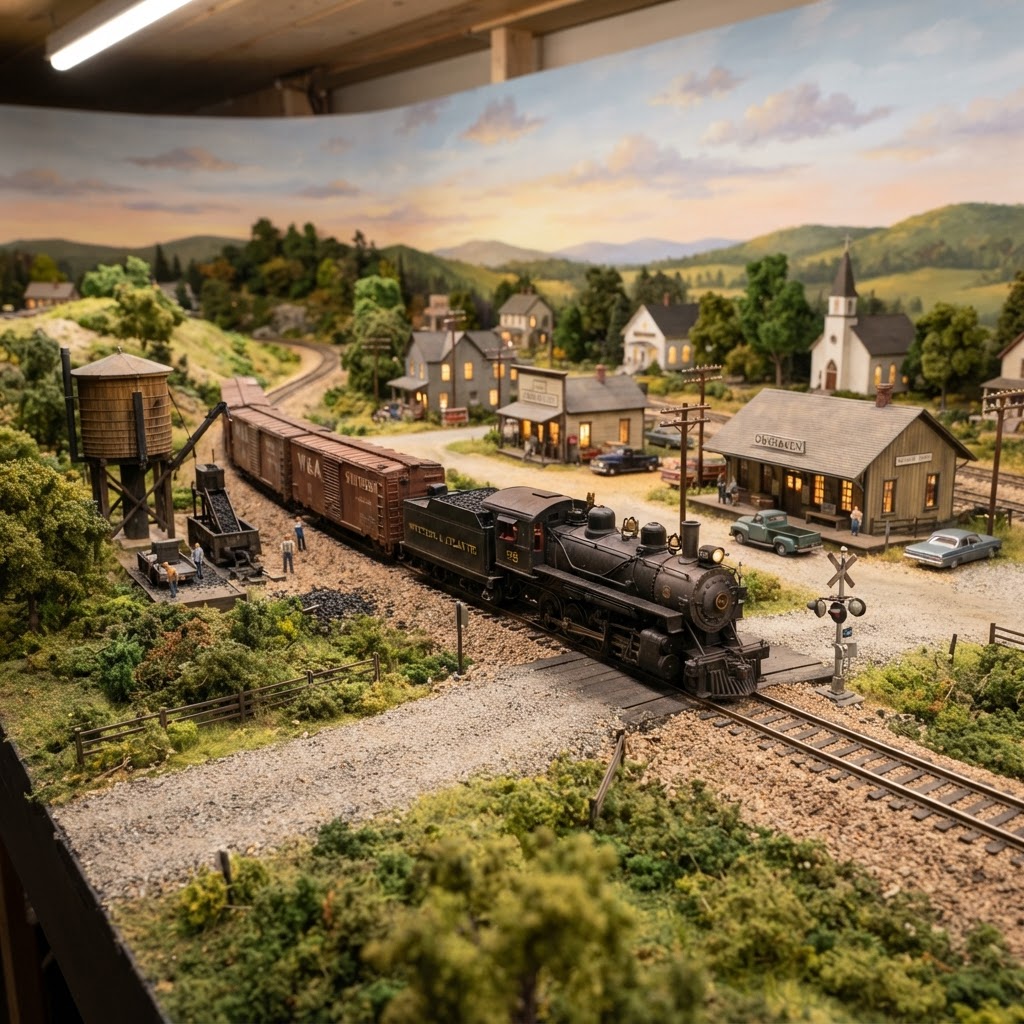
Getting into model railroading is one of the most rewarding hobbies you can pick up, but knowing where to start can feel overwhelming. With hundreds of manufacturers, scales, and styles to choose from, first-time buyers often find themselves paralyzed by too many choices. That's why finding the best kits for beginners is so important — the right starting point sets the tone for your entire experience in the hobby. Whether you're shopping for yourself or searching for the perfect gift, a beginner-friendly kit makes all the difference between falling in love with model trains and giving up out of frustration.
The good news is that the model train industry has come a long way in making entry-level products more accessible, better detailed, and easier to run than ever before. Today's starter kits often include everything you need right out of the box — track, a locomotive, rolling stock, a power supply, and even basic scenery accessories. The challenge isn't finding a kit; it's finding the right kit for your age, space, budget, and long-term goals. This guide is designed to help you cut through the noise and make a confident, informed decision.
Whether you're a parent looking to introduce a child to the hobby, a retiree revisiting a childhood passion, or a curious adult exploring something entirely new, this article has you covered. We'll walk through the best scales for beginners, what to look for in a starter kit, age-appropriate recommendations, and expert tips to make your first layout a success.
Why Choosing the Right Scale Matters First
Before you buy anything, one of the most important decisions you'll make as a new model railroader is choosing your scale — the ratio at which your model trains are sized relative to real trains. This single choice will determine which tracks, locomotives, buildings, and accessories are compatible with your collection for years to come.
HO Scale: The Most Popular Choice for Beginners
HO scale (1:87) is the most widely used scale in the hobby, and for good reason. It strikes a perfect balance between detail, affordability, and manageable size. Layouts can fit on a standard 4x8-foot sheet of plywood, and the sheer variety of available products means you'll never run out of options. Most major manufacturers — Athearn, Bachmann, Kato, Atlas — produce extensive HO scale product lines, making replacement parts and expansion sets easy to find.
If you're an adult starting the hobby, check out our The Best HO Scale Starter Set for Adults: A Complete Buyer's Guide for deep-dive recommendations tailored specifically to grown-up hobbyists.
N Scale: Big Layouts in Small Spaces
N scale (1:160) is the second most popular option and a fantastic choice if you're working with limited space. An N scale layout can fit on a small bookshelf or coffee table and still deliver incredible visual impact. The trade-off is that the smaller size makes detailed work and handling slightly more challenging — especially for younger children or hobbyists with limited dexterity.
For a complete breakdown of both options, our HO Scale vs N Scale: The Ultimate Comparison for Beginners covers everything you need to know side by side.
G Scale and O Scale: Great for Younger Kids
If you're shopping for young children, larger scales like G scale (1:22.5) or O scale (1:48) offer more durable, easier-to-handle models that can withstand enthusiastic play. These scales are also popular for holiday and garden railway setups.
What to Look for in a Beginner Model Train Kit
Not all starter kits are created equal. Here's what separates a great beginner kit from a frustrating one:
Complete Out-of-the-Box Experience
The best kits for beginners include everything in one box: a locomotive, passenger or freight cars, an oval of track, a power supply or controller, and ideally some basic scenery. Having to source components separately before you can even run your first train is a common beginner pitfall. Look for kits labeled "ready-to-run" (RTR) to avoid this trap.
For a curated list of complete, ready-to-run options, our 5 Best Beginner Model Train Kits To Start Your Hobby Today is an excellent starting point.
Quality Power Supply
A reliable power supply is the unsung hero of any model train setup. Many budget kits include underpowered controllers that cause frustrating speed inconsistencies or damage locomotives over time. Always check what power supply is included — and don't hesitate to upgrade it later if needed. Our The Best Power Supplies for Model Trains: A Complete Buying Guide can help you make a smart choice.
Expandability
Think beyond the starter kit. Can the track system expand easily? Are locomotives compatible with DCC (Digital Command Control) decoders for future upgrades? A kit that locks you into a closed ecosystem can become expensive and limiting as your skills grow.
Durability and Build Quality
Cheaper kits use brittle plastic couplers, flimsy track, and motors that burn out quickly. Brands like Bachmann, Lionel, Kato, and Atlas have earned strong reputations for building entry-level products that are both durable and detailed. Reading user reviews before purchasing can save you a lot of heartache.
Best Kits by Age Group
Best Model Train Kits for Young Children (Ages 3–8)
For the youngest model railroaders, safety and durability are paramount. Large pieces that don't present a choking hazard, easy-to-connect track sections, and simple plug-and-play operation are must-haves.
Top picks for this age group include:
- Lionel My First Train Set — chunky, colorful, and nearly indestructible
- LEGO City Trains — technically not traditional model trains but excellent for building spatial and mechanical thinking
- Bachmann Thomas & Friends Starter Sets — familiar characters that young children love, with simple oval track layouts
For more options tailored specifically to kids, our article on The Best Model Train Sets for Kids: Top Picks for Young Conductors goes deep on age-appropriate recommendations.
Best Model Train Kits for Older Kids and Teenagers (Ages 9–16)
This age group can handle more complex operations and is ready to start thinking about scenery, weathering, and layout design. HO scale starter sets are ideal here, offering better detail and a massive ecosystem of expansion products.
Recommended options include:
- Bachmann HO Scale E-Z Track Train Sets — reliable, well-reviewed, and widely available
- Lionel O Gauge Starter Sets — classic American look with easy setup and a strong community
- Kato N Scale Starter Sets — excellent for teens who want a compact, highly detailed layout
Pairing a starter kit with some beginner scenery materials and a simple book on layout design can transform this into a deeply engaging creative project.
Best Model Train Kits for Adults and Seniors
Adult beginners often come to model railroading with specific interests — recreating a particular era of railroading, modeling a favorite region, or simply building something beautiful. This opens up a wider range of options, including higher-quality locomotives and more sophisticated track planning.
Top picks for adult beginners:
- Athearn Genesis HO Scale Sets — exceptional detail and smooth operation (if budget allows)
- Atlas HO Scale Trainman Starter Sets — excellent value with solid performance
- Bachmann Spectrum HO Scale Sets — a great mid-tier option with strong community support
Curious about whether a premium locomotive is worth the investment? Check out our detailed comparison: Athearn Genesis vs Standard: Is the Premium Upgrade Worth Your Investment?.
For even more curated options, our 7 Best Starter Train Sets for New Hobbyists to Begin Their Journey provides an excellent overview of the current market.
Essential Accessories to Add to Your First Kit
A starter kit gets you up and running, but a few key accessories will dramatically improve your experience:
Track Cleaning Supplies
Dirty track is the number one cause of poor electrical conductivity and erratic train performance. A simple track cleaning car or a lint-free cloth with track cleaning fluid is an inexpensive investment that pays dividends immediately.
Extra Rolling Stock
Most starter kits include two to four cars, but adding a few more quickly makes your layout feel more realistic and alive. Start with a simple freight car assortment that matches your era and region.
Basic Scenery Materials
Ground cover, static grass, and simple foam terrain can transform a plain oval of track into a believable miniature world. Don't feel pressure to do this all at once — even a little greenery and a few model buildings make a big visual impact.
DCC Decoder Upgrades
If your starter locomotive is DCC-ready (most modern ones are), consider eventually upgrading with a sound decoder for realistic engine sounds, bell, and whistle effects. Our guide on Best DCC Sound Decoders: Top Picks for Realistic Locomotive Audio walks you through the best options on the market.
You can also browse our full list of recommended products for trusted gear across every category.
Common Beginner Mistakes to Avoid
Even with the best starter kit, beginners often run into predictable stumbling blocks. Here are the most common ones — and how to sidestep them:
1. Skipping track cleaning: Clean track religiously. Even new track has manufacturing oils that can interfere with electrical contact.
2. Running locomotives too fast: High speed puts unnecessary stress on motors and gears. Break in new locomotives at moderate speeds for the first few hours of operation.
3. Buying incompatible products: Always verify that track systems, couplers, and scale measurements match before purchasing expansion items. Mixing brands can work but requires research.
4. Ignoring wiring basics: If your locomotive stalls or runs erratically, the issue is often electrical. Our How to Troubleshoot Locomotive Power Issues: A Comprehensive Guide is a lifesaver for beginners hitting their first technical wall.
5. Overcomplicating the first layout: Start simple. A basic oval with a couple of sidings is far more satisfying than an overly ambitious plan that never gets finished.
Frequently Asked Questions
What is the best model train scale for absolute beginners?
HO scale is generally considered the best scale for beginners. It's the most popular scale worldwide, which means the widest selection of locomotives, cars, track, scenery, and accessories at every price point. The size is manageable — small enough for a spare bedroom but large enough to handle and detail comfortably.
How much should I expect to spend on a beginner model train kit?
Entry-level starter kits from reputable brands typically range from $60 to $200, depending on the scale and what's included. Budget sets under $50 from unknown brands often sacrifice quality and reliability. Spending a bit more upfront on a trusted brand like Bachmann, Kato, or Lionel pays off in the long run.
Can children and adults share the same model train kit?
It depends on the scale and complexity. HO scale is a great shared hobby for families with children aged 10 and up. For younger children, larger scales like O or G are safer and more durable. A good middle ground is to have a dedicated "kid-friendly" setup alongside a more detailed adult layout.
Do I need to buy DCC equipment right away as a beginner?
No — most beginner kits operate on simple analog DC power, which is perfectly adequate for learning the basics. DCC (Digital Command Control) becomes valuable when you want to run multiple locomotives independently or add sound effects. It's a natural upgrade path once you've outgrown your starter setup.
Are model train kits a good gift for someone who has never tried the hobby?
Absolutely — with a few caveats. Make sure you know the recipient's available space, preferred era or style (steam vs. diesel, for example), and whether they want a hands-on building experience or a ready-to-run setup. A gift card to a hobby shop paired with this guide can be even more appreciated than a specific kit.
Conclusion
Model railroading is a hobby that grows with you — what starts as a simple oval of track can evolve over years into an intricately detailed world that tells a story. The most important step is simply getting started, and choosing from the best kits for beginners gives you the strongest possible foundation. Whether you're eight years old or eighty, there's a starter kit out there that's perfectly matched to your interests, space, and budget.
Don't let the complexity of the hobby intimidate you. Every seasoned model railroader started exactly where you are now — staring at their first oval of track with a locomotive in hand and a world of possibility ahead.
Ready to take the next step? Explore our full library of beginner guides, browse our recommended products for trusted gear at every price point, and join a community of hobbyists who share your passion for the rails. The hobby is waiting — all aboard!
Affiliate Disclosure: Some links in this article are affiliate links. We may earn a commission at no extra cost to you.
Enjoying this guide?
Browse our favorite recommended products.
James Mitchell
Model Train Enthusiast & Writer
James has been building layouts and collecting trains for over 15 years. He started Model Train Insider to help newcomers navigate the hobby with practical, no-nonsense advice drawn from hands-on experience.
Stay on Track
Get beginner guides, brand reviews, and layout tips delivered to your inbox. No spam—just trains.
Free forever. Unsubscribe anytime.
Related Articles
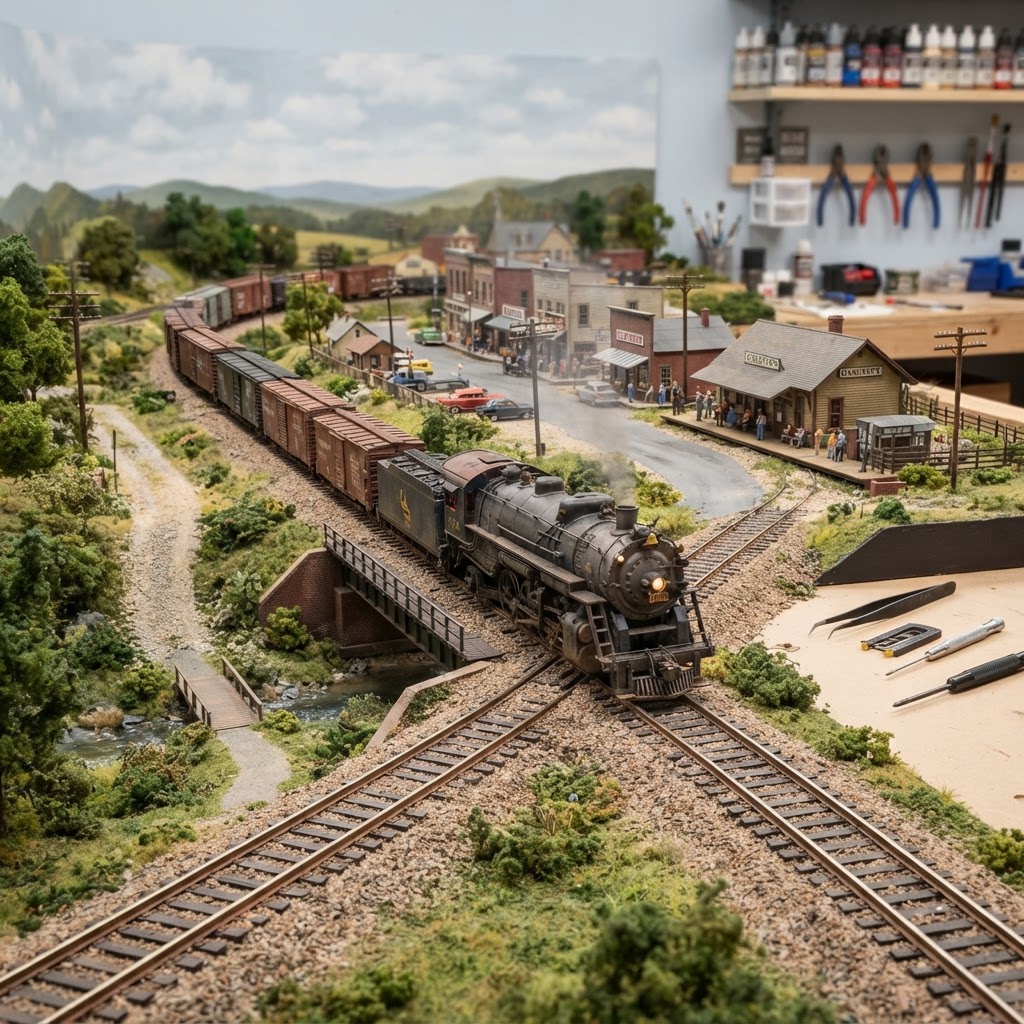
10 Best Model Train Tools Every Beginner Needs for Their Layout
Discover the 10 best model train tools essential for building and maintaining your layout. From precision cutters to adhesives, get your workbench ready today.
Read more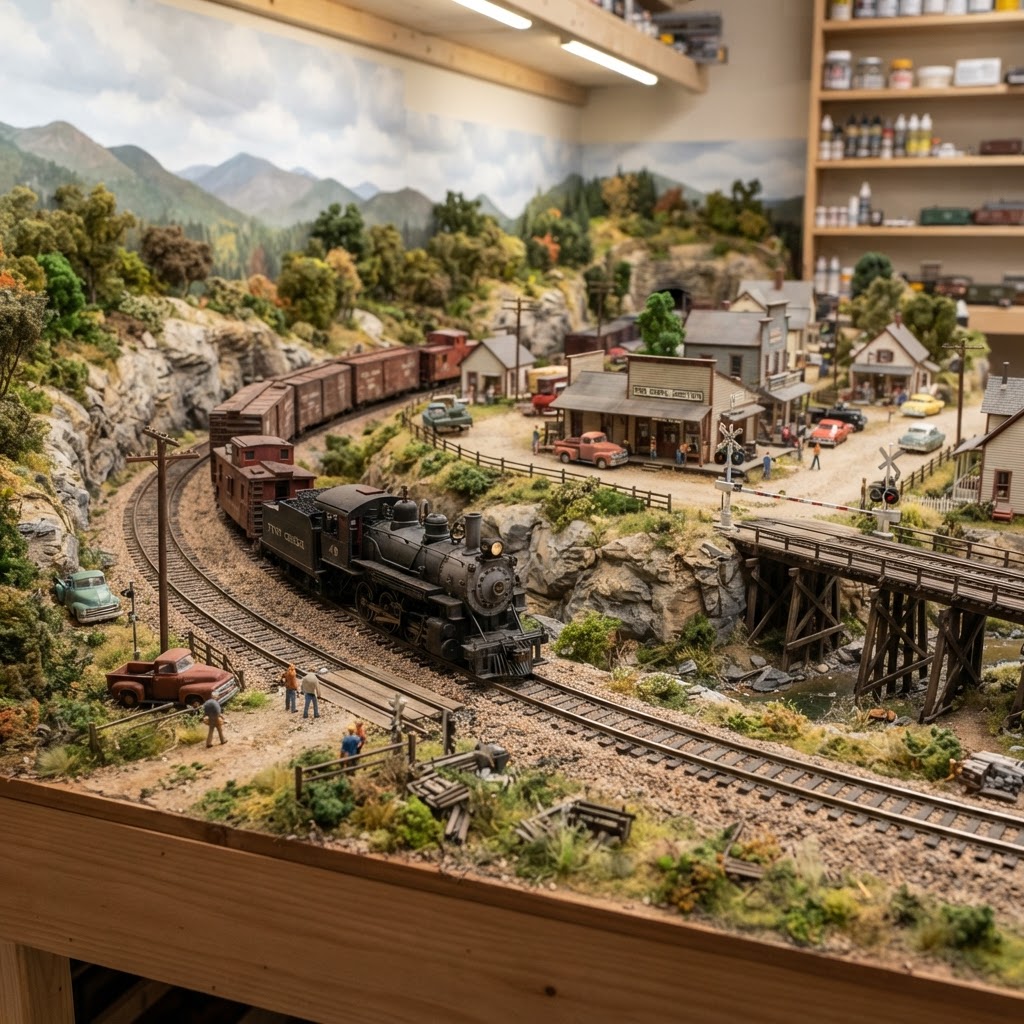
10 Best Beginner Model Train Sets for Starting Your Hobby Today
Looking for the best beginner model train sets? Explore our expert-reviewed list to find the perfect starter kit to begin your model railroading journey.
Read more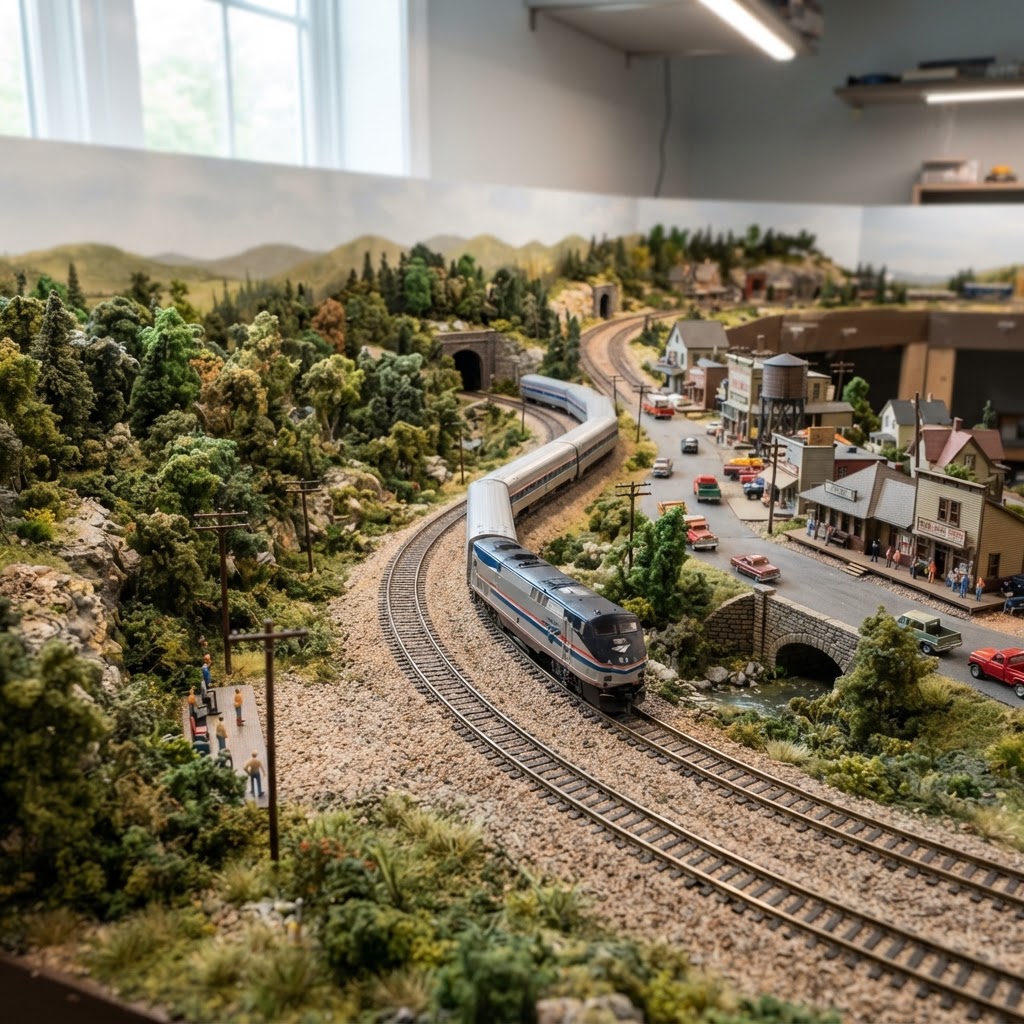
The Best Starter Kits for N Scale Beginners: A Comprehensive Guide
Looking for the best starter kit for N scale? Explore our expert recommendations to help you kickstart your model railroad journey with confidence and ease.
Read more