10 Essential Tools for Model Railroading: The Ultimate Starter Toolkit
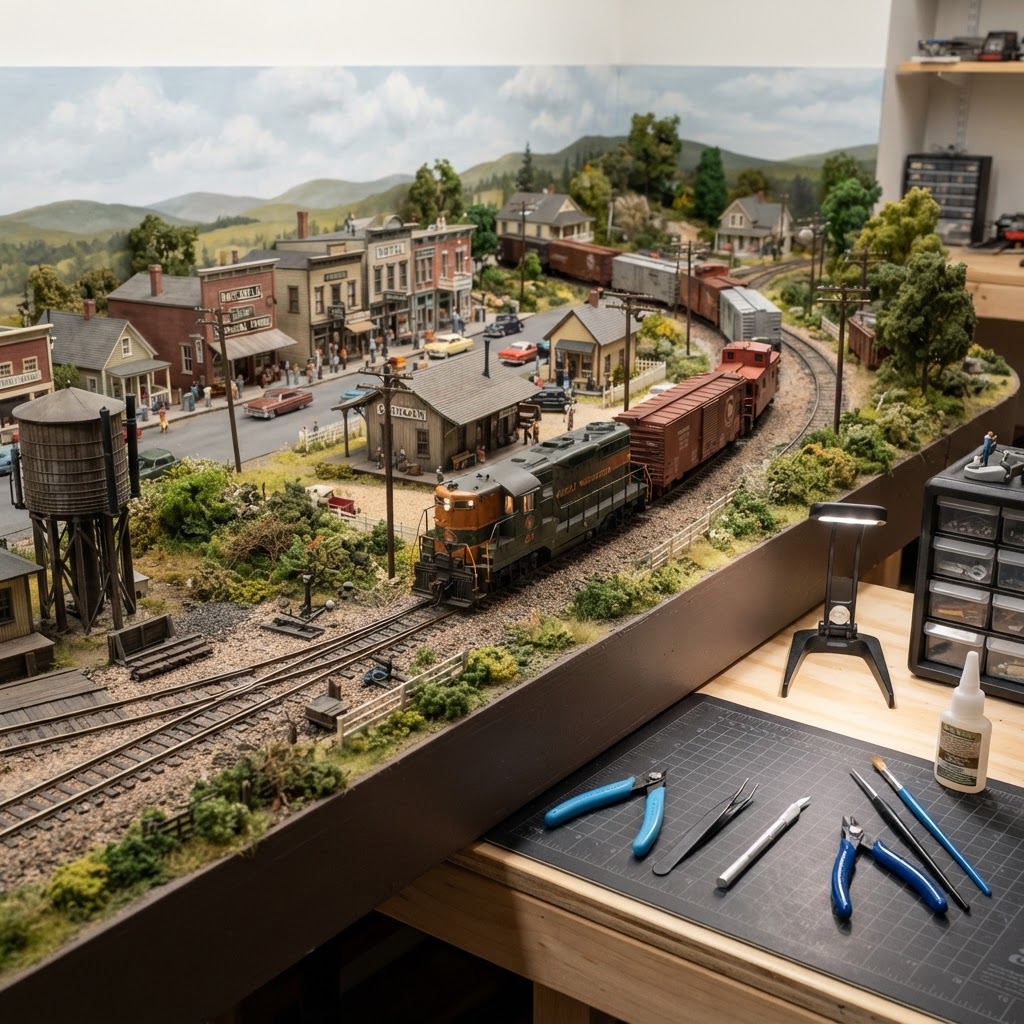
Whether you're just getting started or you've been building layouts for years, having the best tools for model railroading can make the difference between a frustrating experience and a truly rewarding hobby. From laying track to detailing tiny locomotives, the right tools allow you to work with precision, efficiency, and confidence. The world of model railroading demands a surprisingly diverse toolkit — one that spans everything from basic hand tools to specialized hobby equipment you won't find at your average hardware store.
If you're new to the hobby, it can be overwhelming trying to figure out where to invest your money first. Before you dive into choosing a scale or picking out your first locomotive, it's worth building a solid foundation with the right equipment. And if you're a seasoned modeler, you already know that upgrading or expanding your toolkit can breathe new life into your projects. This guide is designed for both audiences — a practical, no-nonsense breakdown of the tools that belong on every model railroader's workbench.
In this article, we've compiled 10 must-have tools that experienced hobbyists consistently rely on, along with tips on how to use each one effectively. Whether you're working in HO scale, N scale, or something more niche, these recommendations will serve you well. Be sure to also browse our recommended products page for curated gear and accessories to complement your toolkit.
1. Needle-Nose Pliers
Why You Need Them
Needle-nose pliers are arguably the single most-used tool in any model railroader's arsenal. Their long, tapered jaws allow you to reach into tight spaces, bend small wire leads, grip delicate components, and manipulate track connectors without damaging surrounding scenery or electronics.
What to Look For
Look for a pair with a spring-loaded handle to reduce hand fatigue during long sessions. A set that includes both straight and bent-nose versions gives you added versatility. Precision hobby pliers from brands like Xuron or Tamiya are popular in the model railroad community and offer excellent control for fine work.
Pro Tip: Use needle-nose pliers when installing rail joiners on tight curves, especially if you're working in N scale or Z scale where components are exceptionally small.
2. Rail Nippers / Flush Cutters
The Clean Cut Advantage
When it comes to cutting rail, standard wire cutters simply don't make the grade. Rail nippers — also called flush cutters or sprue cutters — are designed to cut cleanly and squarely without crushing or deforming the rail end. A clean cut is essential for tight track joints, which directly affects how smoothly your trains run.
Choosing the Right Pair
Xuron makes some of the most highly regarded rail nippers in the hobby community, and for good reason — their micro-shear cutting action leaves virtually no burr on the rail end. This is especially important when building complex track plans that require precise custom rail lengths.
If you're still figuring out which track system suits your layout best, check out our comparison of Kato Unitrack vs. Bachmann E-Z Track to understand how track choice affects your cutting and fitting needs.
3. Hobby Knife and Blade Set
A Versatile Workhorse
The humble hobby knife — most commonly the X-Acto No. 1 handle with a #11 blade — is indispensable for model railroading. You'll use it to trim foam scenery, cut masking tape, score plastic parts, clean up flash on locomotive bodies, scrape paint, and a dozen other tasks every single session.
Blade Maintenance Matters
One of the most common mistakes beginners make is using a dull blade for too long. A sharp blade requires less pressure and gives you far more control — which means cleaner cuts and fewer accidents. Keep a generous supply of replacement blades on hand and swap them out regularly.
A quality handle and a variety pack of blade types is a worthy early investment. Check our recommended products page for hobby knife sets we trust.
4. Track Cleaning Tools
The Hidden Performance Factor
Dirty track is one of the most common causes of poor locomotive performance, flickering lights, and stalling. Yet many hobbyists — especially beginners — don't realize just how often track needs to be cleaned. Oxidation, dust, and oil residue build up quickly and create resistance that disrupts electrical contact.
Your Cleaning Arsenal
A proper track cleaning toolkit should include:
- A track cleaning car that attaches to your train and cleans rails as it runs
- A track rubber/eraser block for manually scrubbing oxidation off rail tops
- Isopropyl alcohol (90% or higher) applied with a cotton swab or cleaning pad for chemical cleaning
For a thorough breakdown of best practices and product recommendations, don't miss our dedicated guide on how to clean track rails effectively. It's one of the most impactful maintenance habits you can build as a modeler.
5. Soldering Iron and Supplies
Permanent, Reliable Connections
While rail joiners can work for simple layouts, any serious model railroad — particularly those with DCC wiring — will benefit enormously from soldered electrical connections. A quality soldering iron lets you make permanent, low-resistance joints between feeder wires and rails, between bus wires, and when installing DCC decoders into locomotives.
Getting Started with Soldering
You don't need an expensive station to get started, but a temperature-controlled iron in the 25–40 watt range is recommended. Pair it with rosin-core solder designed for electronics, a brass wire tip cleaner, and a helping-hands clamp to hold small components steady.
If you're wiring your layout for DCC, our guides on best starter DCC controllers and best DCC decoders for locomotive upgrades are essential reading alongside your soldering practice.
6. Digital Multimeter
Your Electrical Troubleshooting Best Friend
A digital multimeter (DMM) is a tool many beginners overlook until something goes wrong — and then they can't imagine working without it. A multimeter allows you to test track voltage, check for continuity in wiring runs, identify short circuits, and verify that your DCC system is delivering the correct output.
How to Use It
Basic multimeter use is easier than it sounds. For most model railroad applications, you'll primarily use the DC/AC voltage settings to check power at the rails, and the continuity/resistance settings to trace wiring problems. Many entry-level multimeters in the $15–$40 range are perfectly adequate for hobby use.
If you want to dive deeper into DCC systems and troubleshooting, our DCC controller review covers some of the most reliable systems on the market today.
7. Tweezers (Precision Set)
Small Parts, Big Importance
Model railroading involves a staggering number of tiny components — grab irons, detail parts, decals, couplers, and more. Trying to handle these with your fingers alone is a recipe for lost parts and mounting frustration. A set of precision tweezers gives you the control and grip you need.
Recommended Types
Look for a set that includes:
- Straight fine-point tweezers for general picking and placing
- Angled/bent tweezers for reaching into awkward spaces
- Anti-magnetic stainless steel construction to avoid interfering with small metal components
This is especially critical when working in smaller scales. If you're building a compact N scale layout, our guide to the top 10 best N scale locomotives gives great context for the level of detail work involved.
8. Pin Vise and Micro Drill Bits
Drilling Where Power Tools Can't
A pin vise is a small, hand-held rotary tool designed to hold micro drill bits — typically ranging from 0.3mm to 3mm in diameter. In model railroading, you'll use it to drill holes for handrails, grab irons, lighting leads, and mounting screws in plastic locomotive bodies and structure kits.
Why Not a Power Drill?
Power drills, even cordless ones, spin far too fast for delicate plastic and resin model parts. A pin vise gives you complete control over speed and pressure, dramatically reducing the risk of cracking a locomotive shell or overshooting a hole. It's a cheap tool with an outsized impact on your modeling quality.
9. Foam Cutting Tools
Shaping Your Scenery Foundation
Extruded polystyrene foam (commonly sold as Styrofoam or pink/blue foam board) is the go-to base material for model railroad scenery. To shape it into convincing terrain, you need the right cutting tools.
Top Options
- Hot wire foam cutter: Creates smooth, clean cuts through foam with minimal mess. Ideal for cutting terrain contours and hillside profiles.
- Serrated hobby knife: For rough shaping and carving terrain texture.
- Foam rasp/file: Perfect for smoothing and refining foam surfaces before adding ground cover.
Pairing the right foam tools with a well-thought-out layout plan pays dividends. If you're still early in the planning stage, our guide on choosing a model train scale will help you make decisions that affect how much scenery space you'll actually be working with.
10. Magnifying Visor or Headband Magnifier
See What You're Working On
This last tool might seem like a luxury until the first time you try to install a decoder into a small locomotive under poor lighting — then it becomes an immediate necessity. A headband magnifier or magnifying visor frees up both hands while giving you a close-up, well-lit view of your work.
What to Look For
Models with built-in LED lights are especially useful for workbench tasks. Look for adjustable magnification lenses (typically 1.5x to 5x) so you can switch between tasks that require different levels of detail. For those working in N scale or Z scale, this tool isn't optional — it's essential.
This kind of attention to detail matters most when you're adding essential model railroad accessories to your layout or performing fine detail work on locomotives.
Frequently Asked Questions
What are the most important tools for a model railroad beginner?
For beginners, the highest-priority tools are needle-nose pliers, flush cutters, a hobby knife set, and track cleaning tools. These four items will cover the vast majority of tasks you encounter when building your first layout. As your skills grow, you can add soldering equipment, a multimeter, and specialty tools like a pin vise.
Do I need to solder my model railroad wiring?
Not necessarily at first — especially if you're using a sectional track system like Kato Unitrack or Bachmann E-Z Track, which relies on snap-together joiners. However, as your layout grows in size and complexity, soldered feeder wires become important for reliable electrical performance. If you're running DCC, soldering is highly recommended.
What's the best way to clean model railroad track?
The most effective approach combines mechanical and chemical cleaning. Use a track rubber block to scrub oxidation from rail tops, then follow up with isopropyl alcohol on a cleaning pad. Running a track cleaning car regularly helps maintain clean rails between manual cleanings. See our full guide on how to clean track rails effectively for step-by-step instructions.
Are expensive tools worth it for model railroading?
In most cases, mid-range tools from reputable hobby brands offer the best value. You don't need to spend a fortune, but very cheap tools often lack the precision and durability that model railroading demands. Brands like Xuron, Tamiya, and Zona are well-regarded in the community for offering excellent quality at reasonable prices. Browse our recommended products page for vetted options.
Can the same tools be used across different model train scales?
Many tools — like pliers, hobby knives, soldering irons, and multimeters — are universal and work across all scales. However, some tools become more important in smaller scales. For instance, magnifying visors and fine-tipped tweezers are critical for N scale and Z scale work but less essential for larger scales like G or O. If you're deciding on a scale, our beginner's guide to choosing a model train scale covers how scale choice affects your overall build process.
Conclusion
Building the right toolkit is one of the smartest investments you can make in the model railroading hobby. The best tools for model railroading aren't necessarily the most expensive ones — they're the ones that match your scale, your projects, and your skill level. Starting with the 10 tools outlined in this guide will set you up for success whether you're laying your very first loop of track or detailing a complex multi-level layout.
As your confidence grows, so will your appreciation for quality equipment and specialized tools. Don't be afraid to upgrade gradually and try new techniques along the way. The hobby rewards patience, experimentation, and continuous learning.
Ready to go further? Explore our other beginner guides, including top essential model railroad accessories, best model train sets for kids, and the MTH vs Lionel DCC comparison to keep building your knowledge and your layout.
Affiliate Disclosure: Some links in this article are affiliate links. We may earn a commission at no extra cost to you.
Enjoying this guide?
Browse our favorite recommended products.
James Mitchell
Model Train Enthusiast & Writer
James has been building layouts and collecting trains for over 15 years. He started Model Train Insider to help newcomers navigate the hobby with practical, no-nonsense advice drawn from hands-on experience.
Stay on Track
Get beginner guides, brand reviews, and layout tips delivered to your inbox. No spam—just trains.
Free forever. Unsubscribe anytime.
Related Articles
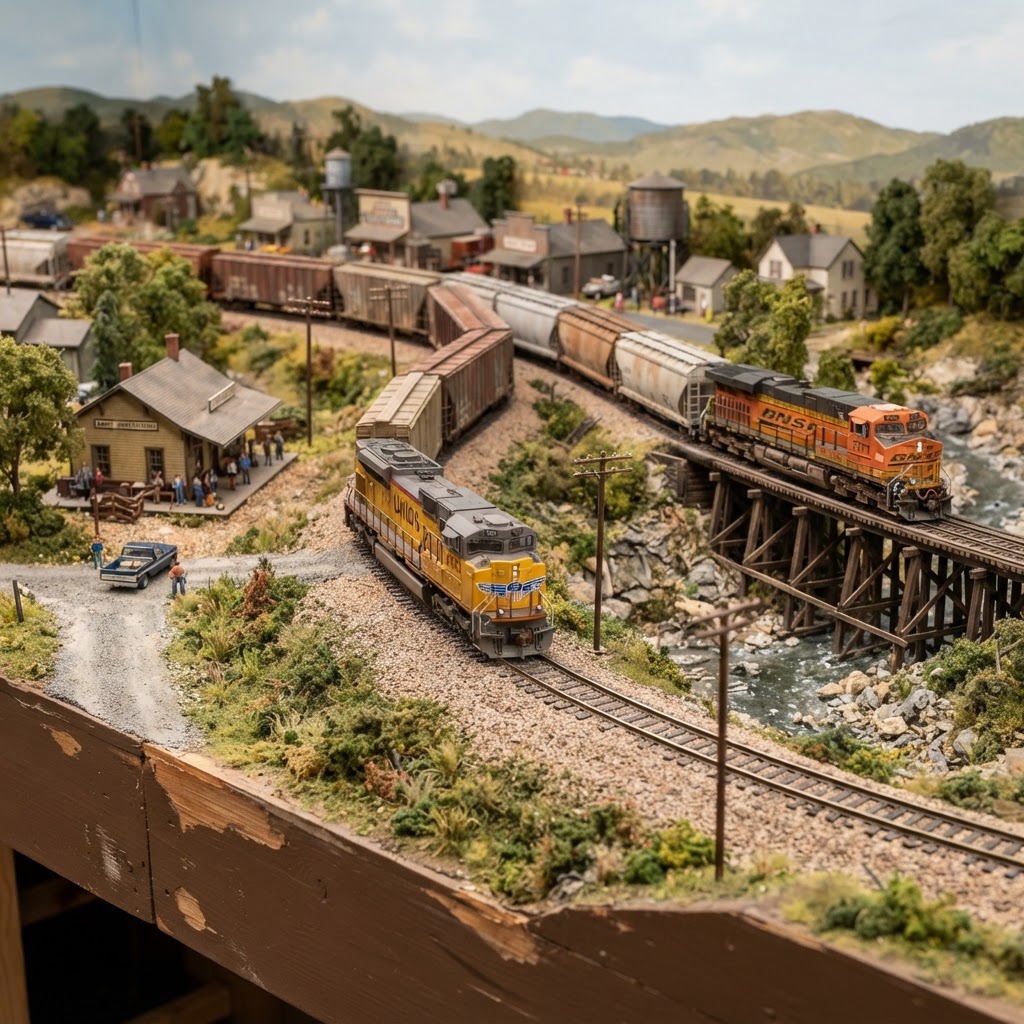
5 Best Starter DCC Controllers for New Model Railroad Hobbyists
Looking for the best starter DCC controller? We evaluate the top 5 entry-level systems to help you easily control your model train layout with precision.
Read more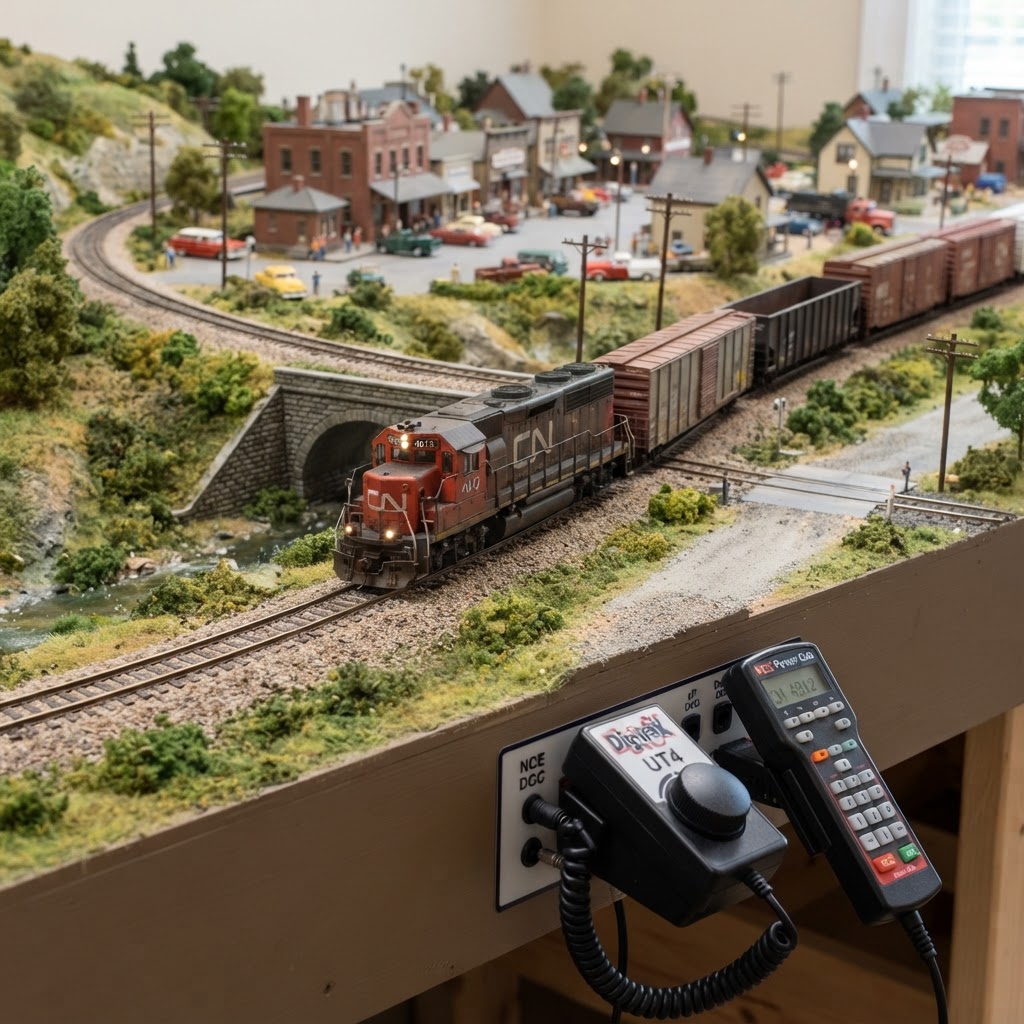
Best Starter DCC Controllers Reviewed: Top Picks for New Model Railroaders
Looking to upgrade your layout? We review the best starter DCC controllers to help beginners take full control of their model trains with ease and precision.
Read more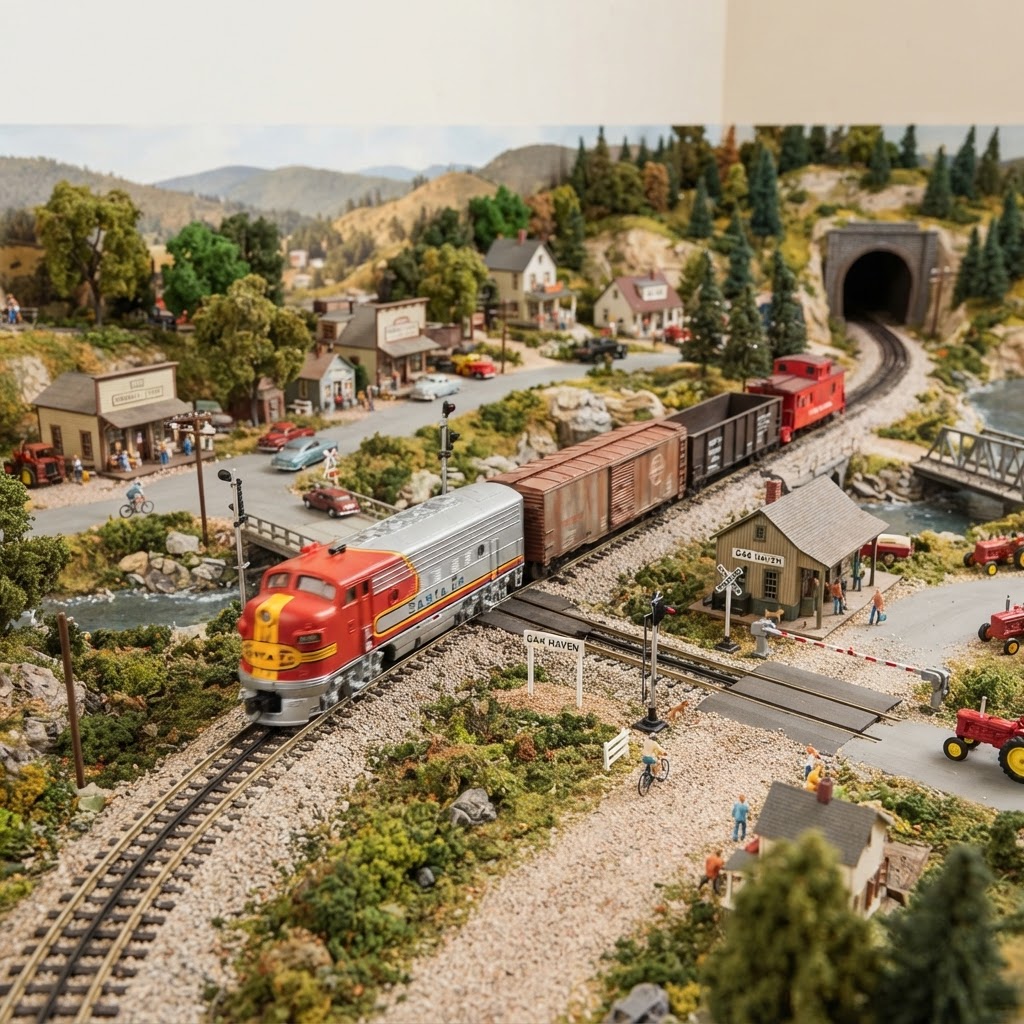
Best Model Train Sets for Kids: Top Picks for Beginners and Families
Looking for the best train set for kids? Discover our expert guide to the top durable, interactive, and fun model train sets perfect for family hobby time.
Read more