Best DCC Systems For HO Scale Layouts: A Comprehensive Buyer's Guide
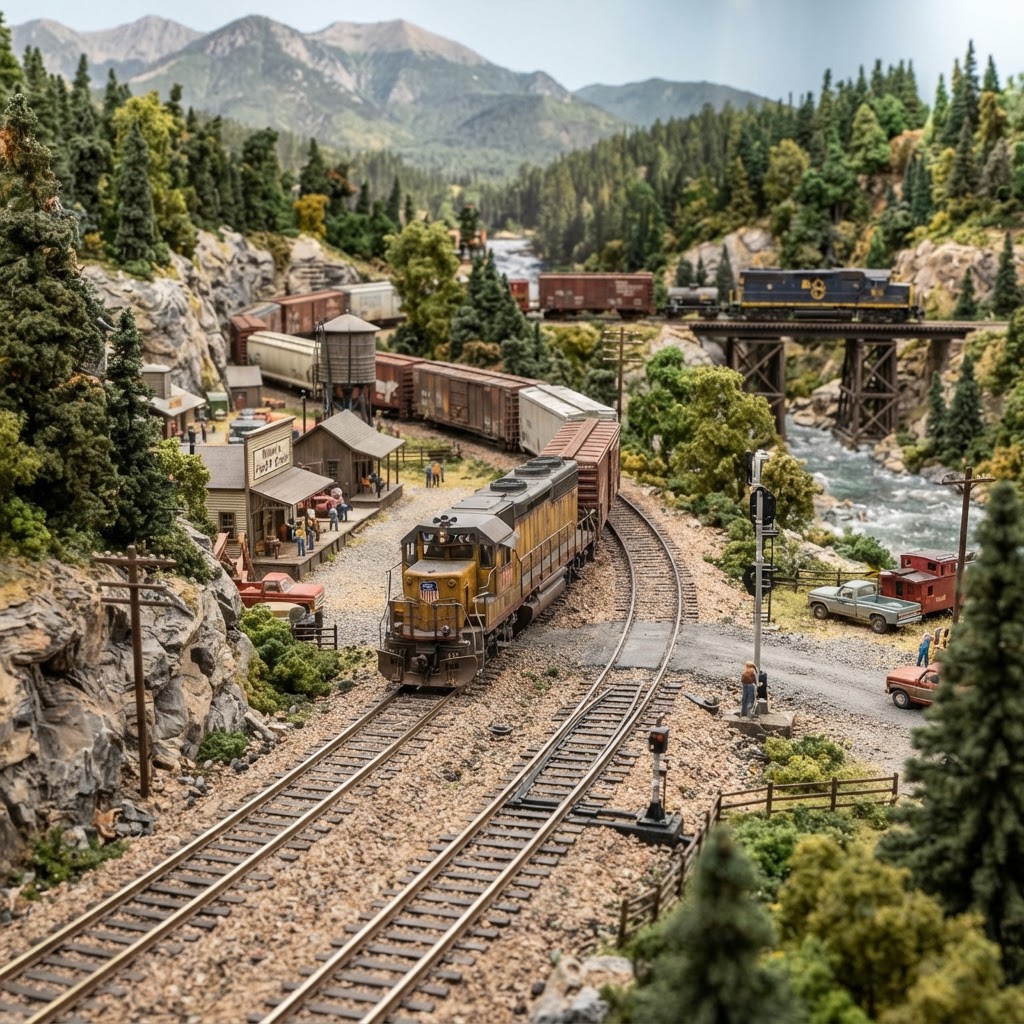
If you're serious about taking your HO scale layout to the next level, choosing the best DCC system for HO scale is one of the most important decisions you'll make as a model railroader. Digital Command Control (DCC) technology transformed the hobby by allowing operators to independently control multiple locomotives on the same track, adjust speed and direction with precision, and unlock realistic sound and lighting effects that analog DC systems simply can't match. Whether you're just getting started or upgrading from a basic setup, understanding what separates a great DCC system from a mediocre one can save you time, money, and a lot of frustration.
HO scale is the most popular model railroad scale in the world, and for good reason — it strikes the perfect balance between detail and space requirements. Because HO scale has such a large user base, the DCC market for this scale is incredibly competitive, offering everything from budget-friendly starter systems to professional-grade command stations with advanced programming capabilities. The variety is a blessing and a challenge at the same time. You need to cut through the marketing noise and focus on what actually matters for your specific layout, operating style, and budget.
In this guide, we'll walk you through the top DCC systems designed to work beautifully with HO scale layouts. We'll cover the key features to look for, break down our top picks with honest pros and cons, and give you practical advice to help you make a confident purchase. If you're brand new to the hobby and still getting your bearings, check out The Ultimate Beginner's Guide to Model Trains: Get Started Today! before diving in here.
What Is DCC and Why Does It Matter for HO Scale?
Before we get into specific product recommendations, it's worth understanding what DCC actually does and why it's become the gold standard for serious hobbyists.
With a traditional DC (analog) system, the voltage on the track controls all locomotives at once — meaning you can only independently control one train at a time. DCC changes all of that by embedding a digital signal in the track power itself. Each locomotive has a decoder installed that receives commands independently, allowing you to run multiple trains simultaneously, each at different speeds and directions.
For HO scale layouts specifically, DCC opens up a world of possibilities:
- Independent multi-train operation — Run a freight consist and a passenger express at the same time without them interfering with each other
- Sound decoders — Add realistic diesel prime mover sounds, steam chuffs, horns, and bells to your locomotives
- Lighting control — Independently manage headlights, ditch lights, cab lighting, and more
- Momentum and braking simulation — Program realistic acceleration and deceleration curves
- Accessory control — Operate turnouts, signals, and lighting on your layout from a single controller
If you want to learn more about how lighting ties into your broader layout experience, our guide on Illuminate Your Layout: The Best Model Train Lighting Options is well worth a read.
Key Features to Look for in a DCC System
Not all DCC systems are created equal. Here are the most important factors to evaluate before buying:
Amperage Output
The command station's amperage rating determines how many locomotives you can run simultaneously. A 3-amp system works fine for small layouts with two or three trains. Larger layouts with multiple operators or large consists will need 5 amps or more. HO scale locomotives draw relatively modest current, but sound decoders and lighting add up quickly.
Throttle and Controller Options
Some systems come with a basic walk-around throttle, while others offer full-featured handheld controllers with LCD screens and dedicated function buttons. Consider how you prefer to operate — standing at a control panel, walking the layout perimeter, or using a wireless system.
Wireless Capability
Wireless throttles add tremendous freedom on larger layouts. Most modern systems support either infrared or radio frequency (RF) wireless control. RF wireless is far superior since it doesn't require line-of-sight to the command station.
Computer Interface and Software Integration
If you plan to run automated operations or use layout control software, look for systems that support JMRI (Java Model Railroad Interface) via a USB or serial connection. This opens up tools like DecoderPro for programming decoders, PanelPro for dispatcher panels, and much more. Pairing this with quality planning software is a smart move — see Discover the Best Track Planning Software for Model Railroaders for our top software picks.
Ease of Programming
Programming DCC decoders can range from painfully technical to surprisingly intuitive depending on the system. Look for systems that offer both a dedicated programming track and a user-friendly programming interface, especially if you're not a tech-savvy operator.
Top DCC Systems for HO Scale Layouts
Here are our top-rated DCC systems that consistently earn high marks from the HO scale community. For a broader look at DCC across all scales, see our Top 5 DCC Systems for Model Trains: Ultimate Guide for Enthusiasts.
1. Digitrax Super Chief Xtra — Best Overall for Serious Hobbyists
Digitrax has long been a dominant force in the DCC market, and the Super Chief Xtra is their flagship system for good reason. It delivers 8 amps of power, supports LocoNet networking for expansion, and comes with the DT500 series throttle — one of the most feature-rich handheld controllers available.
Pros:
- 8-amp output handles large layouts with ease
- LocoNet allows virtually unlimited system expansion
- JMRI compatible for computer-based layout control
- Supports up to 120 locomotives in the active roster
- Robust wireless throttle options available via UT6 or DT602 throttles
Cons:
- Steeper learning curve for beginners
- Higher price point compared to entry-level systems
- The interface can feel intimidating at first
Best for: Experienced operators with large HO scale layouts who want expandability and long-term capability.
2. NCE Power Cab — Best Entry-Level System with Room to Grow
The NCE Power Cab is arguably the most popular entry-level DCC system among HO scale modelers, and it's easy to understand why. It packs a clean, intuitive interface into a single handheld unit that acts as both controller and command station. At 1.65 amps, it's ideal for smaller layouts with two or three locomotives running simultaneously.
Pros:
- Extremely user-friendly — perfect for beginners
- Compact, all-in-one design
- Upgradeable to the full NCE Power Pro system as your layout grows
- Excellent customer support and large user community
- JMRI compatible
Cons:
- Limited amperage for larger layouts
- Single throttle out of the box
- Wireless add-on requires additional purchase
Best for: Newcomers to DCC and modelers with small to mid-sized HO scale layouts. Check out our Top DCC Systems for Beginners: Ultimate Guide to Easy Operation for more beginner-focused options.
3. NCE Power Pro — Best Mid-Range Upgrade
For modelers who've outgrown the Power Cab or are building a medium to large HO scale layout from scratch, the NCE Power Pro is one of the most respected systems on the market. It delivers 5 amps of power, supports multiple throttles, and shares the same intuitive NCE operating philosophy as the Power Cab.
Pros:
- 5-amp output suits most HO scale home layouts
- Expandable to wireless with the NCE wireless kit
- JMRI integration is excellent
- Dedicated programming track output
- Strong reputation for reliability
Cons:
- Less expandable than the Digitrax LocoNet ecosystem
- Wireless option costs extra
- Some competitors offer more advanced sound function mapping
Best for: Intermediate to advanced HO scale modelers who prioritize ease of use alongside solid performance.
4. Hornby Elite — Best for European-Style Operation and Beginners
The Hornby Elite offers a polished, approachable experience with a large backlit display, dedicated function keys, and a surprisingly capable command station that outputs 4 amps. While it's especially popular in the UK market, it works beautifully with HO scale equipment around the world.
Pros:
- Large, clear backlit display
- Simple, menu-driven interface
- Supports up to 9,999 decoder addresses
- Direct function buttons for convenient sound control
- Affordable price point for its feature set
Cons:
- Less community support in North America
- Expansion ecosystem not as deep as Digitrax or NCE
- Wireless throttle options are more limited
Best for: Hobbyists who want a clean, visual interface and straightforward operation without a steep learning curve.
5. Bachmann EZ Command Plus — Best Budget Pick
For entry-level hobbyists who want to dip their toes into DCC without breaking the bank, the Bachmann EZ Command Plus provides basic DCC functionality at a very approachable price. It's not a powerhouse, but for a small HO scale switching layout or starter oval, it gets the job done.
Pros:
- Very affordable
- Simple to use right out of the box
- Good starter experience for newcomers
Cons:
- Limited to a handful of locomotive addresses
- No computer interface
- Not suitable for medium or large layouts
Best for: Complete beginners on a tight budget who want to experience DCC before committing to a more advanced system.
Pairing Your DCC System With the Right Locomotives and Decoders
A DCC system is only as good as the decoders installed in your locomotives. Most modern HO scale locomotives from manufacturers like Athearn, Kato, Atlas, Walthers, and Broadway Limited come DCC-ready (with a NMRA 8-pin or 21-pin socket) or even DCC-equipped with sound right out of the box.
If you're running older or entry-level models, you may need to install aftermarket decoders from brands like Soundtraxx, TCS, ESU LokSound, or Digitrax. The ESU LokSound 5 series is particularly respected for its exceptional sound quality and extensive function mapping.
For a comprehensive look at quality HO scale rolling stock that pairs well with DCC systems, visit our guide on The Ultimate Guide to the Best Freight Cars for HO Scale Model Trains. You can also browse our recommended products page for curated decoder and accessory recommendations.
Practical Tips for Setting Up Your DCC System
- Start with a programming track — Always program decoders on a dedicated programming track rather than the main line to avoid accidentally affecting other locomotives
- Keep your track clean — DCC systems are more sensitive to dirty track than analog DC. Make sure your rails are clean and your electrical connections are solid. Read our guide on How to Clean Model Train Tracks Properly Without Damaging Them
- Use proper wiring gauges — Undersized wire is a common cause of DCC problems, especially on larger layouts
- Install circuit breakers — Products like the NCE EB1 or PSX Auto-Reverser protect your command station from short circuits
- Label your decoder addresses — Keep a spreadsheet or notebook tracking which address belongs to which locomotive
Frequently Asked Questions
What is the best DCC system for HO scale beginners?
The NCE Power Cab is widely considered the best entry point for HO scale beginners. It's intuitive, expandable, and has a large support community. The Bachmann EZ Command Plus is a cheaper alternative but offers much less room to grow.
Can I use any DCC system with any HO scale locomotive?
Yes — as long as the locomotive has a DCC-compatible decoder (or a socket for one), it will work with any NMRA-standard DCC system. The NMRA DCC standard ensures cross-brand compatibility between command stations and decoders.
How many amps do I need for my HO scale layout?
For a small layout with 2–3 trains, 1.5 to 3 amps is typically sufficient. A medium-sized home layout with 4–6 trains and sound decoders should target 5 amps. Large club-style layouts may require 8+ amps with power district boosters.
Is DCC worth the cost for a small HO scale layout?
Absolutely. Even on a small HO scale layout, DCC enables realistic operation, independent train control, and sound features that make the hobby far more engaging. If cost is a concern, check out our article on Why Are Model Trains So Expensive? The Real Reasons Explained for helpful perspective.
Do I need a computer to use DCC?
No — most DCC systems are fully functional without a computer. However, connecting to JMRI software via USB unlocks advanced programming, automated operation, and dispatcher panels that significantly enhance the experience, especially on larger layouts.
Conclusion
Choosing the best DCC system for HO scale comes down to matching the right system to your layout size, operating style, and long-term goals. Beginners will find the NCE Power Cab or Hornby Elite to be excellent starting points, while experienced modelers building large layouts will appreciate the power and expandability of the Digitrax Super Chief Xtra or NCE Power Pro. Whatever you choose, investing in a quality DCC system will fundamentally change how you enjoy your HO scale layout — and once you go DCC, there's truly no going back.
Ready to keep building your knowledge? Explore our Best Model Train Brands Compared for Beginners and Collectors guide to find the best locomotive manufacturers for your DCC-equipped layout, or browse our Top Picks: Best Model Trains for Collectors for inspiration on expanding your roster. Happy modeling!
Affiliate Disclosure: Some links in this article are affiliate links. We may earn a commission at no extra cost to you.
Enjoying this guide?
Browse our favorite recommended products.
James Mitchell
Model Train Enthusiast & Writer
James has been building layouts and collecting trains for over 15 years. He started Model Train Insider to help newcomers navigate the hobby with practical, no-nonsense advice drawn from hands-on experience.
Stay on Track
Get beginner guides, brand reviews, and layout tips delivered to your inbox. No spam—just trains.
Free forever. Unsubscribe anytime.
Related Articles
Lionel vs MTH: Choosing The Perfect O Gauge Brand For Your Collection
Deciding between Lionel vs MTH for O gauge? We compare features, compatibility, and value to help you choose the best brand for your model railroad layout.
Read more
Lionel vs MTH: Choosing the Best O Scale System for Your Layout
Deciding between Lionel vs MTH O scale systems? Explore our expert comparison of features, compatibility, and control systems to find the perfect fit for you.
Read more
Bachmann vs Kato: The Ultimate Guide to N Scale Reliability
Struggling to choose between Bachmann and Kato? We compare N scale reliability, performance, and long-term value to help you make the right choice.
Read more