Athearn Genesis vs Standard: Is the Premium Upgrade Worth Your Investment?
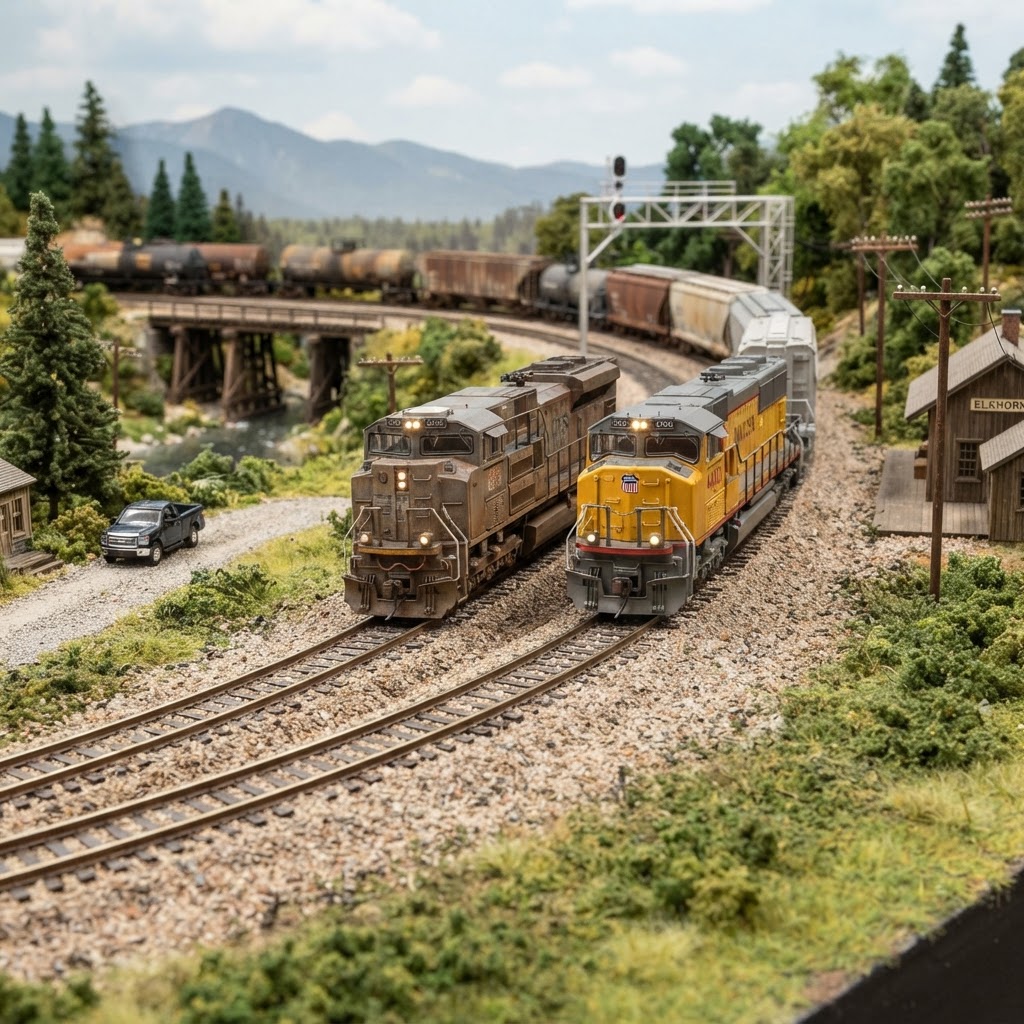
When you're shopping for HO scale locomotives, few decisions spark more debate among hobbyists than the athearn genesis vs standard comparison. Athearn has been a cornerstone of the model railroad hobby for decades, and the brand's two main product lines sit at very different price points — leaving many modelers wondering whether the premium Genesis models are truly worth the extra investment. Whether you're a newcomer building your first layout or a seasoned collector looking to upgrade your fleet, understanding the differences between these two lines is essential before you open your wallet.
Athearn's standard line (often referred to simply as "Athearn Blue Box" or the RTR — Ready to Run — series) has long been the entry point for budget-conscious modelers. It offers solid, dependable performance at an accessible price. The Genesis line, on the other hand, represents Athearn's flagship offering: highly detailed, feature-rich models aimed at the serious enthusiast. The gap between the two isn't just about aesthetics — it extends to sound systems, decoder compatibility, mechanical construction, and long-term value. Knowing which line fits your needs can save you both money and frustration.
In this article, we'll break down every meaningful difference between the Athearn Genesis and Standard lines, from out-of-the-box performance to DCC readiness, detailing, and overall value. By the end, you'll have a clear picture of which line deserves a place on your layout — and your budget.
Understanding the Athearn Product Lines
Before diving into the head-to-head comparison, it helps to understand how Athearn organizes its catalog and what each line is designed to accomplish.
The Athearn Standard (RTR) Line
The Athearn Ready to Run (RTR) line is built for modelers who want a reliable locomotive that performs well without requiring a significant financial commitment. These models come assembled, painted, and ready to operate straight out of the box. They're manufactured to be durable and functional rather than museum-quality detailed.
Key characteristics of the Athearn Standard RTR line include:
- Affordable price point — typically ranging from $40 to $100 depending on the model
- Basic detailing — molded plastic detail parts, simplified cab interiors
- DCC-ready design — most models include an 8-pin NMRA socket for easy decoder installation
- Reliable drive systems — proven mechanisms that run smoothly on well-maintained track
- Broad road number availability — wide selection of prototypes and paint schemes
For modelers who are just getting started — particularly adults building their first serious layout — the RTR line offers tremendous value. If you're still exploring the hobby and haven't decided on a specialty era or railroad, check out our Best HO Scale Starter Set for Adults: A Complete Buyer's Guide for context on where these models fit into a beginner's setup.
The Athearn Genesis Line
The Genesis line is Athearn's answer to the demand for high-fidelity, exhibition-quality models. First introduced in the late 1990s, Genesis locomotives have evolved into some of the most detailed and feature-packed HO scale models on the market. These aren't just toys — they're precision-engineered representations of real prototypes, built for modelers who care deeply about accuracy and performance.
Key characteristics of the Athearn Genesis line include:
- Higher price point — typically ranging from $150 to $300+
- Photo-etched metal detail parts — handrails, grab irons, and cab interiors that replicate the real thing
- Factory-installed DCC sound decoders — many models ship with a full-featured decoder already installed
- Refined drive systems — flywheels, precision gearing, and smooth slow-speed performance
- Prototype-accurate paint and lettering — often verified against railroad historical society records
Athearn Genesis vs Standard: The Key Differences
Now let's get into the specifics. This is the heart of the athearn genesis vs standard debate, and there are several categories worth examining closely.
Detail and Appearance
This is the most immediately obvious difference. When you place a Genesis model next to a Standard RTR locomotive, the visual gap is striking.
Standard RTR: Detail parts are molded directly into the body shell or attached as simple plastic pieces. Handrails may be thicker than scale, cab windows often lack interior depth, and paint applications — while clean — tend to lack the nuance of weathering or fine-line lettering.
Genesis: Detail is a completely different ballgame. Handrails are typically photo-etched metal, giving them a scale thickness that looks far more realistic. Cab interiors include instrument panels, seats, and sometimes crew figures. Underbody equipment — fuel tanks, air reservoirs, brake cylinders — is separately applied and highly accurate. Paint jobs often feature multiple shades, subtle weathering effects, and razor-sharp lettering verified against prototype photographs.
For modelers building a display-quality layout or entering club competitions, the Genesis line is in a different league. For those running trains on a casual loop in the basement, the RTR line looks perfectly fine from a normal viewing distance.
DCC and Sound Performance
One of the most practical differences in the athearn genesis vs standard comparison involves Digital Command Control. This is where your money really starts to make a tangible operational difference.
Standard RTR: Most models come DCC-ready with an 8-pin socket. You'll need to purchase and install a decoder separately. The models do not come with factory sound. If you want sound, you'll need to choose a sound decoder and potentially modify the shell to accommodate a speaker. This is a manageable DIY project, but it adds cost and labor. For decoder recommendations, see our guide to the Best DCC Sound Decoders: Top Picks for Realistic Locomotive Audio.
Genesis: Many Genesis models — particularly diesel locomotives — come factory-equipped with a full ESU LokSound or Tsunami2 sound decoder pre-installed, along with a speaker already fitted to the shell. Out of the box, you get prime mover sounds, horn, bell, dynamic brakes, and a full suite of prototype-specific audio. For modelers running a DCC layout, this is a massive convenience that justifies a significant portion of the price difference.
If you're still setting up your DCC system, our roundup of the 10 Best DCC Systems for Beginners to Start Your Model Railroad Journey in 2024 will help you choose the right command station to get the most out of either Athearn line.
Mechanism and Running Quality
Both Athearn lines are known for reliable operation, but they achieve it in different ways.
Standard RTR: The drive mechanism is functional and proven. Motor performance is consistent, and the chassis is well-balanced. However, slow-speed performance — creeping through a yard at 1–2 scale mph — can be inconsistent. The motor and gearing are optimized for reliable mid-speed operation rather than exhibition-level slow-speed crawl.
Genesis: The Genesis line uses higher-quality motors (often coreless), precision flywheels, and refined gearing that dramatically improves slow-speed performance. Genesis locomotives can realistically crawl through switching moves at near-standstill speeds, which is critical for yard operations and prototype-accurate train handling. The additional flywheel mass also means smoother coasting through dead sections of track.
If you encounter power-related running issues with either line, our How to Troubleshoot Locomotive Power Issues: A Comprehensive Guide is an excellent resource for diagnosing and resolving common problems.
Build Materials and Durability
Standard RTR: The body shell is injection-molded plastic, which is light and impact-resistant. It holds up well to normal handling, though fine details can be fragile or absent altogether.
Genesis: Genesis shells use higher-grade plastics and incorporate metal components — including metal chassis parts, metal wheels on some models, and occasionally die-cast components for added heft and realism. The added weight improves traction and gives the models a more substantial feel in hand.
Who Should Buy Each Line?
Choose the Athearn Standard RTR If You:
- Are new to the hobby and building your first layout
- Run trains primarily for fun rather than display or competition
- Want to populate a layout quickly without spending heavily on each locomotive
- Plan to install your own custom decoders and want a blank-canvas platform
- Are buying for younger family members interested in model railroading
If you're shopping for a younger enthusiast, you might also want to review The Best Model Train Sets for Kids: Top Picks for Young Conductors before committing to RTR locomotives.
Choose the Athearn Genesis If You:
- Prioritize prototype accuracy and display-quality detail
- Want factory DCC sound without a DIY installation project
- Run switching operations or yard work requiring exceptional slow-speed control
- Are building a competition layout or photographing your models
- Have an established layout and want to elevate the visual and operational quality of your fleet
Practical Tips: Getting the Most From Either Line
Regardless of which Athearn line you choose, a few best practices will help your locomotives perform at their best.
Keep your track clean. Dirty track is the number one cause of poor performance in any locomotive. Both Athearn lines respond well to clean, well-joined track. Invest in a quality track cleaning solution and use it regularly.
Use a quality power supply. Your decoder and motor will thank you. A regulated, clean DC or DCC power supply extends the life of electronics significantly. Browse our picks in The Best Power Supplies for Model Trains: A Complete Buying Guide.
Break in new locomotives gently. Run new models at moderate speed for 30–60 minutes in both directions before demanding full performance. This seats gears and brushes for optimal long-term operation.
Lubricate appropriately. A tiny drop of light machine oil on gears and axle bearings every few months keeps mechanisms running smoothly. Over-lubrication is as harmful as none at all.
For a broader look at recommended tools and products to support your layout, visit our recommended products page.
Frequently Asked Questions
Is the Athearn Genesis worth the extra cost for beginners?
For most beginners, the Standard RTR line is the smarter starting point. The Genesis line's advantages — factory sound, fine detail, slow-speed performance — are most appreciated by modelers who already understand what they want from a locomotive. Beginners are better served building their layout fundamentals first, then upgrading to Genesis as their skills and interests mature.
Can I add DCC sound to an Athearn Standard RTR locomotive?
Yes, absolutely. Most Standard RTR models include an NMRA 8-pin DCC socket, making decoder installation straightforward. You'll need to choose a compatible sound decoder and fit a speaker inside the shell. Our Best DCC Sound Decoders guide covers the best options for a retrofit installation.
Do Athearn Genesis models hold their value better than Standard RTR?
Generally, yes. Limited-run Genesis models in accurate road numbers and paint schemes can appreciate in value on the secondary market, particularly for popular prototypes. Standard RTR models are produced in larger quantities and tend to hold less resale value. If collecting or investment value matters to you, Genesis is the stronger choice.
Are Athearn Genesis and Standard locomotives compatible on the same layout?
Completely. Both lines run on standard HO scale track and are compatible with all major DCC systems. You can freely mix Genesis and Standard RTR locomotives on the same layout without any technical issues. The visual difference between the two lines may be noticeable up close, but both will operate reliably together.
Where can I learn more about comparing HO scale to other scales before buying?
If you're still deciding whether HO scale is right for you, our detailed breakdown of HO Scale vs N Scale: The Ultimate Comparison for Beginners will help you make a confident choice before investing in either Athearn line.
Conclusion
The athearn genesis vs standard decision ultimately comes down to your goals, your budget, and where you are in your hobby journey. The Standard RTR line is an honest, capable performer that delivers real value — especially for modelers who are still establishing their layouts or don't want to spend heavily on individual locomotives. The Genesis line, meanwhile, is a genuine premium product that earns its price through superior detail, factory DCC sound, and exceptional running quality.
There's no wrong answer here. Many experienced modelers run both lines on the same layout, using Standard RTR for background filler and Genesis models for featured power on showcase trains. The key is knowing what each line offers and matching your purchase to your priorities.
If you found this guide useful, we invite you to explore more of our in-depth resources here at Model Train Insider. Whether you're just starting out with our 7 Best Starter Train Sets for New Hobbyists or diving deep into advanced topics like the Athearn Genesis vs Standard Line: Is the Premium Upgrade Worth It?, we've got guides to support every stage of your journey. Happy railroading!
Affiliate Disclosure: Some links in this article are affiliate links. We may earn a commission at no extra cost to you.
Enjoying this guide?
Browse our favorite recommended products.
James Mitchell
Model Train Enthusiast & Writer
James has been building layouts and collecting trains for over 15 years. He started Model Train Insider to help newcomers navigate the hobby with practical, no-nonsense advice drawn from hands-on experience.
Stay on Track
Get beginner guides, brand reviews, and layout tips delivered to your inbox. No spam—just trains.
Free forever. Unsubscribe anytime.
Related Articles
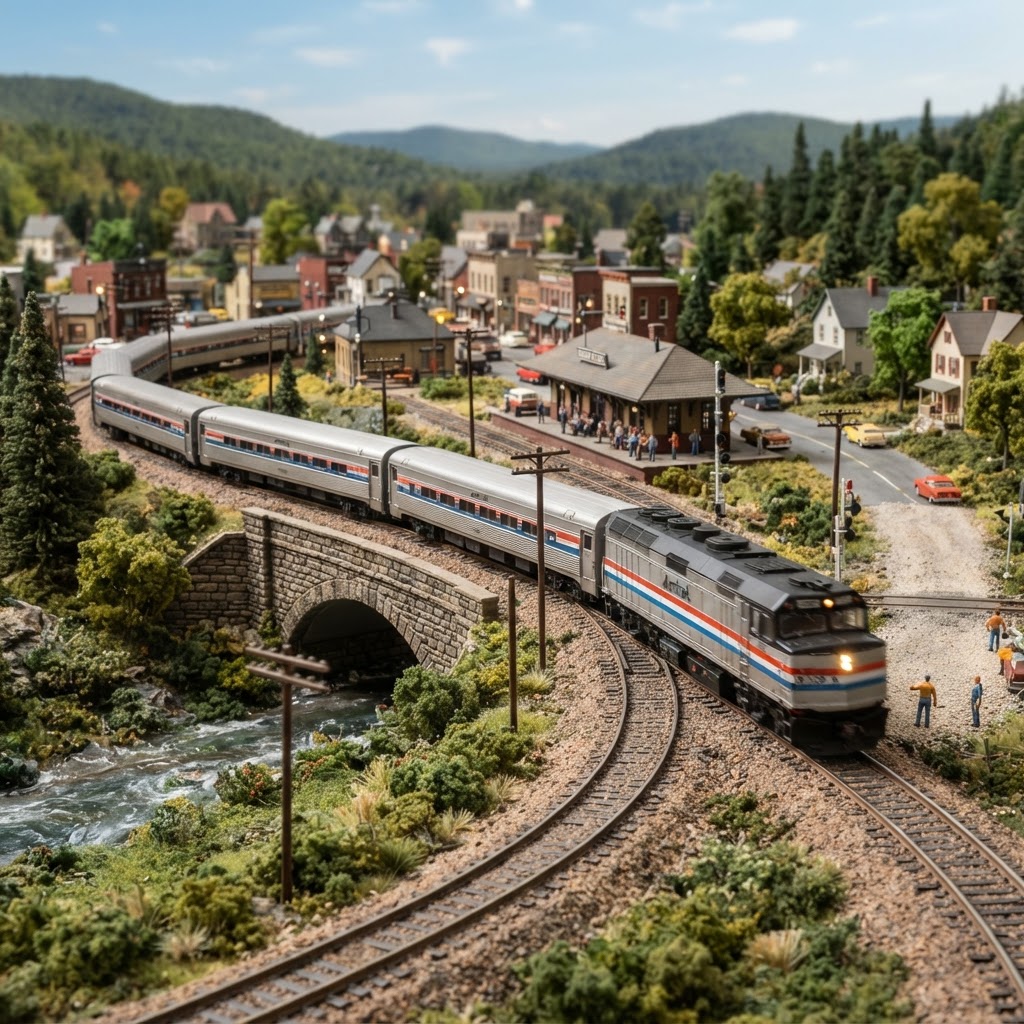
The Best Passenger Car Brands for Model Trains: A Comprehensive Guide
Discover the best passenger car brands for your model railroad. We evaluate quality, detail, and performance to help you build an authentic train layout.
Read more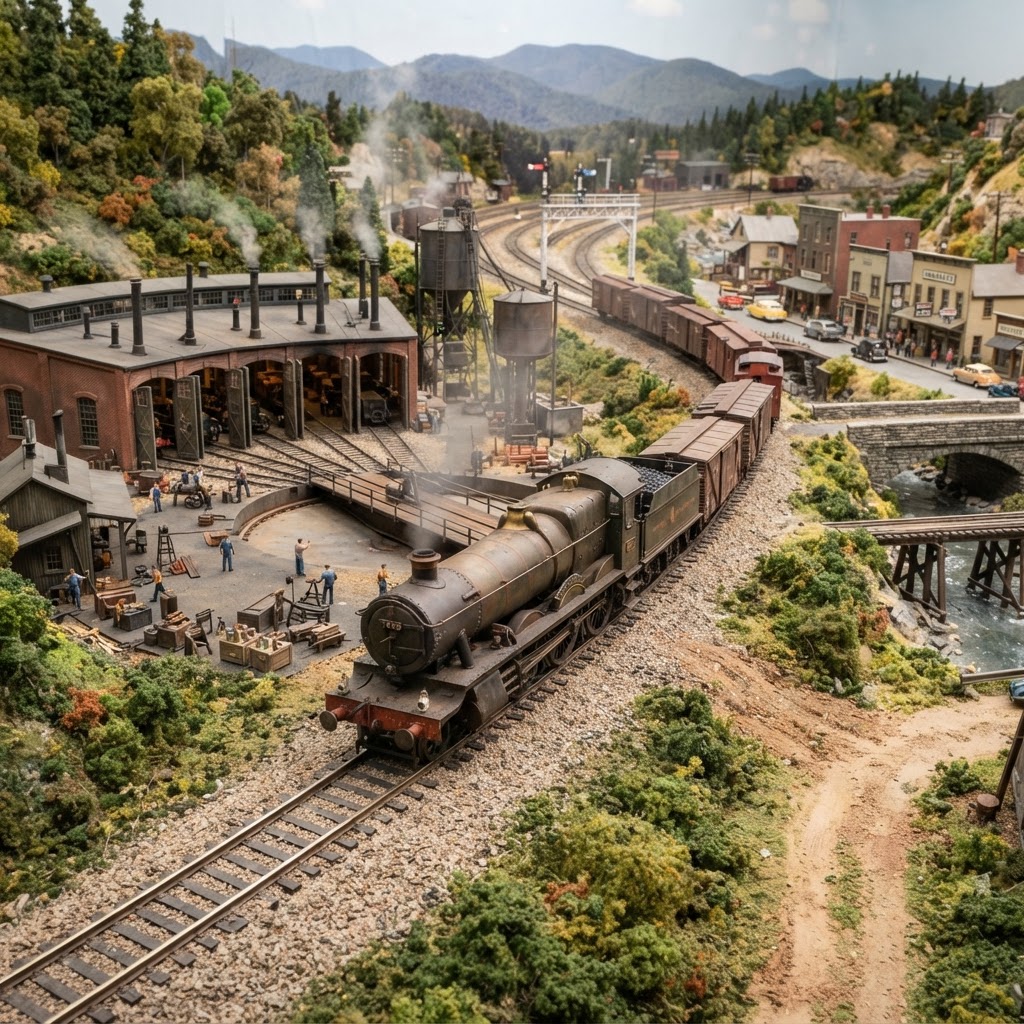
The Best Train Brands for Authentic Steam Locomotives: A Collector's Guide
Looking for high-quality steam power? Discover the best train brands for authentic steam locomotives to elevate your model railroad collection today.
Read more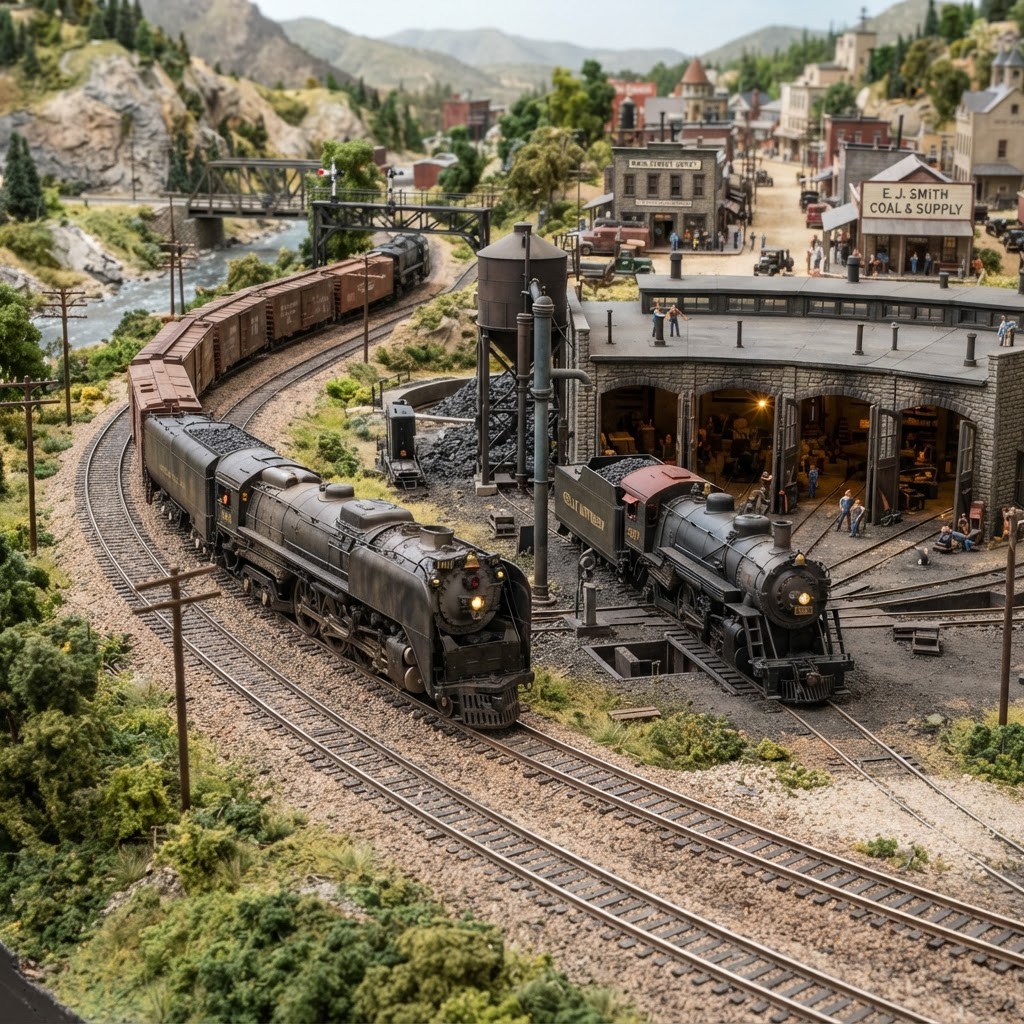
Which Brand Makes the Best Steam Locomotives? A Collector's Guide
Looking for the best train brand for steam engines? We evaluate top manufacturers to help you find the most detailed and reliable steam locomotives for your layout.
Read more