The Best Power Supplies for Model Trains: A Complete Buying Guide
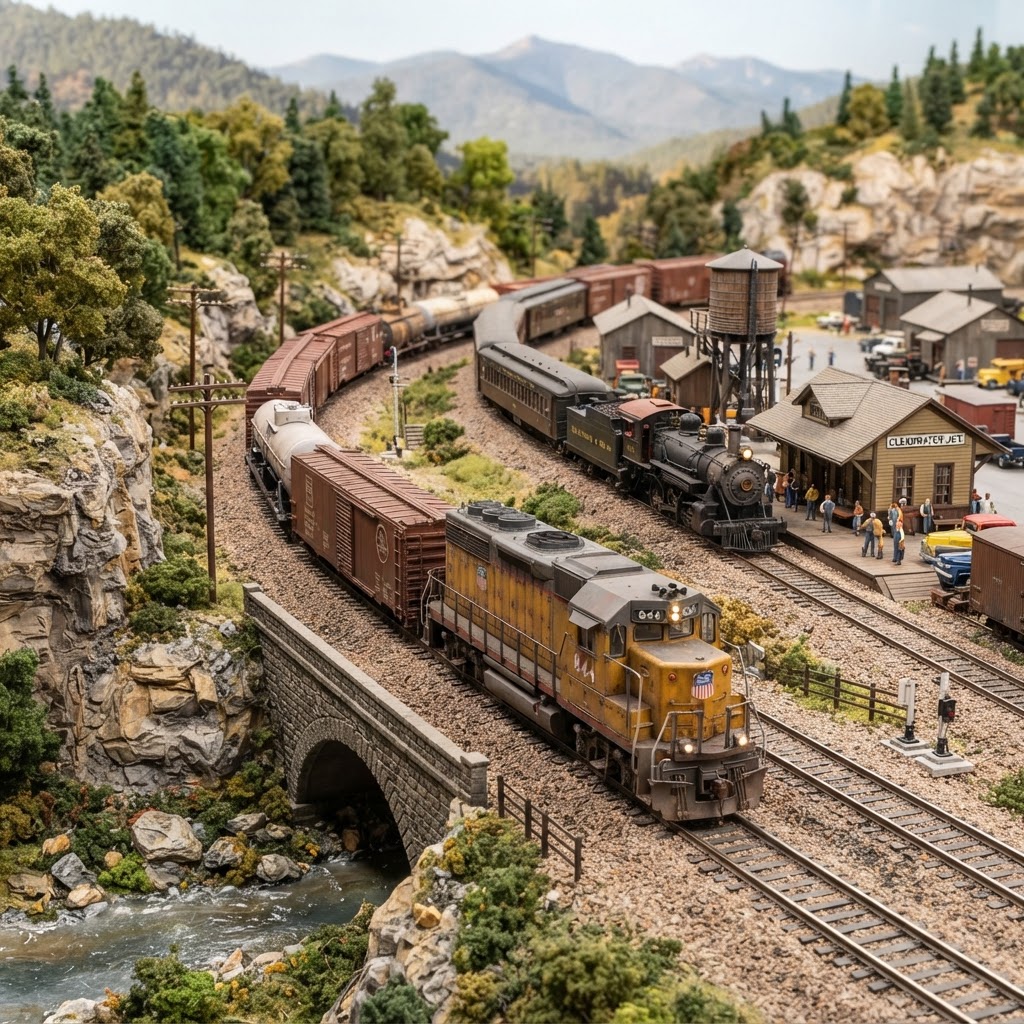
Choosing the best power supply for model trains can feel overwhelming, especially with so many options on the market designed for different scales, layouts, and operating systems. Whether you're just getting started with your first layout or upgrading a seasoned setup, your power supply is one of the most critical components in your entire railroad. Get it wrong, and you risk underpowering your locomotives, damaging sensitive electronics, or dealing with constant performance issues. Get it right, and every run becomes smooth, reliable, and enjoyable.
Power supplies sit at the foundation of everything your model railroad does. They control how your trains move, how your accessories operate, and — if you're running a Digital Command Control (DCC) system — how your decoders communicate with your locomotives. The good news is that once you understand the key specifications and know what to look for, finding the right power supply becomes much simpler. This guide will walk you through everything you need to know, from basic concepts to specific product recommendations.
This buying guide is aimed at hobbyists of all experience levels. If you're brand new to the hobby, you may want to start with our 7 Best Starter Train Sets for New Hobbyists to Begin Their Journey before diving into power supply specifics. For those already running locomotives and looking to optimize their setup, read on — we've got you covered with practical advice, clear comparisons, and actionable recommendations.
Why Your Power Supply Matters More Than You Think
Most beginners focus on locomotives, track, and scenery when building their first layout — and rightfully so. But the power supply is the unsung hero that makes all of it work. An underpowered or unreliable supply leads to sluggish locomotives, flickering lights, dropped DCC signals, and even overheating components.
A quality power supply delivers consistent, clean voltage and amperage to your layout. Consistency is key: voltage spikes or drops cause erratic locomotive behavior, especially in modern models with onboard decoders and sound systems. If you're running DCC sound decoders, a stable power source is absolutely essential to protect those sensitive electronic components.
The Difference Between DC and DCC Power Supplies
Before shopping, you need to understand the fundamental difference between DC (Direct Current) and DCC (Digital Command Control) systems, as they require different types of power supplies.
- DC power supplies vary the voltage sent to the track to control train speed. They're simpler, more affordable, and ideal for beginners or those running traditional analog layouts.
- DCC power supplies (command stations/boosters) send a constant AC-like signal to the track while digital packets encode speed and function commands. DCC systems require a dedicated command station and power supply — they are not interchangeable with standard DC transformers.
If you're still deciding which system to run, check out our guide to the 10 Best DCC Systems for Beginners to Start Your Model Railroad Journey in 2024 for a thorough breakdown of your options.
Key Specifications to Understand
When evaluating any power supply, you'll encounter several technical terms. Here's what actually matters:
Voltage
Different model train scales operate at different voltages. Here are the general standards:
- HO Scale: 12–16V DC (or equivalent DCC)
- N Scale: 12V DC (slightly lower draw due to smaller motors)
- O Scale: 18–22V AC (especially for Lionel and similar traditional systems)
- Z Scale: 8–10V DC
Always match your power supply to the recommended voltage range for your scale. Too much voltage can burn out motors; too little will leave your locomotives crawling or stalling.
Amperage (Current)
Amperage determines how many trains and accessories you can run simultaneously. Think of it like water pressure in a pipe — more amps means more capacity.
- Small layouts (1–2 trains, minimal accessories): 1–3 amps is usually sufficient
- Medium layouts (3–5 trains, turnouts, lighting): 3–5 amps recommended
- Large or complex layouts: 5+ amps, often using multiple power districts
If you're running a large N scale fleet, our article on the Top 10 Best N Scale Diesel Locomotives to Elevate Your Model Fleet discusses power demands worth planning around.
Short-Circuit Protection
This is non-negotiable. A good power supply or DCC booster must include automatic short-circuit protection. Derailments and metal debris on tracks cause shorts constantly in this hobby — without protection, a single incident can destroy a locomotive's motor or decoder instantly.
Regulated vs. Unregulated Outputs
Regulated power supplies maintain a consistent output voltage regardless of load fluctuations. Unregulated supplies may see voltage sag as more trains are added. For DCC systems and modern locomotives with sensitive electronics, always opt for a regulated output.
Types of Power Supplies for Model Trains
Traditional Analog (DC) Transformers
For hobbyists running a simple analog layout — particularly those with kids or beginners — a classic DC transformer is often the right choice. These units have a throttle knob that varies voltage to control train speed. They're intuitive, affordable, and widely available.
Popular options include transformers from brands like MRC, Bachmann, and Atlas. For a basic starter layout, an MRC Tech 6 or similar unit in the 1.5–2.5 amp range handles a single locomotive and a few accessories with ease.
If you're shopping for a child-friendly layout, take a look at our guide to The Best Model Train Sets for Kids: Top Picks for Young Conductors — most starter sets include a basic transformer that works well for getting started.
DCC Command Stations and Power Supplies
DCC systems consist of two main components: a command station (the brain) and a booster (the power amp). Many entry-level systems combine both into a single unit. For larger layouts, you may eventually separate them and add additional boosters for different power districts.
Top DCC systems include:
- Digitrax Zephyr Extra — An excellent all-in-one starter DCC system with 2.5 amps. Ideal for HO scale beginners.
- NCE Power Cab — A compact, user-friendly system popular with N scale and small HO layouts.
- Gaugemaster Prodigy Express — A beginner-friendly system with a simple interface and solid amperage.
For those stepping up to HO scale specifically, our Best HO Scale Starter Set for Adults: A Complete Buyer's Guide covers compatible DCC systems in detail.
Switching Power Supplies (PSU Boosters)
For larger DCC layouts requiring more amperage, many experienced modelers use external switching power supplies — essentially the same technology used in computers and electronics manufacturing. These are often paired with DCC boosters to power separate track districts.
Common configurations include 5-amp or 8-amp switching supplies connected to a DCC booster like the Digitrax DB210 or NCE PB110. This setup gives you clean, regulated power at a lower cost per amp than buying a high-amp all-in-one command station.
Power Supplies for Accessories and Lighting
Don't forget that your turnouts, building lights, signals, and sound modules need power too — and they should ideally run on a separate circuit from your track power. Mixing track and accessory power on the same supply can cause interference, voltage fluctuations, and headaches.
A dedicated 12V DC wall-pack or switching supply rated at 1–2 amps is usually sufficient for most accessory loads on a medium-sized layout. Keeping your track and accessories clean is equally important — see our guide to the Top 7 Best Track Cleaning Cars for Pristine Model Railroad Performance for tips on maintaining reliable electrical contact.
Power Supply Recommendations by Scale
Best Power Supplies for HO Scale
HO scale is the most popular scale in North America, and it has the widest range of power supply options. For DCC, the Digitrax Zephyr Extra and NCE Power Cab are top-rated entry-level systems. For analog, the MRC Tech 7 provides excellent smooth control with built-in momentum simulation.
If you're comparing HO against N scale for your layout, our HO Scale vs N Scale: The Ultimate Comparison for Beginners article can help you make the right decision before committing to a power system.
Best Power Supplies for N Scale
N scale locomotives are lighter and draw less current, so you can often get away with slightly lower amperage supplies. The NCE Power Cab is a fan favorite in the N scale community for its compact form factor and reliable performance. For larger N scale layouts, the Digitrax Super Empire Builder offers up to 5 amps with excellent expansion potential.
Hobbyists with smaller living spaces may find N scale particularly appealing — our article on the Best Scale for Small Spaces: A Guide for Apartment Modelers discusses this in detail, including power considerations.
Best Power Supplies for O Scale and Lionel
Traditional O scale systems — especially Lionel — operate on AC power, typically using transformers like the Lionel CW-80 or ZW-C. Modern Lionel Legacy and TMCC systems have more sophisticated power requirements, so always consult your manufacturer's documentation before purchasing.
Tips for Wiring and Power Distribution
Even the best power supply won't help if your wiring is sloppy. Here are a few essential tips:
- Use bus wiring: Run heavy-gauge (14–16 AWG) bus wires around the perimeter of your layout and solder feeder wires every 3–6 feet of track. This minimizes voltage drop over long distances.
- Create power districts: Divide larger layouts into isolated sections with separate circuit breakers or boosters. This limits the impact of shorts and allows multiple operators.
- Use a circuit breaker between your booster and track: Products like the DCC Specialties PSX protect your equipment automatically.
- Label everything: When you have multiple power supplies for track, accessories, and lighting, proper labeling prevents dangerous mistakes.
Budget Considerations: How Much Should You Spend?
Power supply pricing spans a wide range:
- Entry-level DC transformers: $30–$70
- Entry-level DCC systems (all-in-one): $100–$200
- Mid-range DCC systems: $200–$400
- Professional boosters + external PSU combos: $200–$600+
For most hobbyists running a single HO or N scale layout with 2–5 locomotives, a quality entry-level DCC system in the $100–$200 range is the sweet spot. You can always expand with additional boosters as your layout grows. Browse our recommended products page for curated picks at every price point.
Frequently Asked Questions
Can I use a generic wall adapter or laptop charger as a model train power supply?
Technically, some hobbyists do use generic 12V DC switching adapters for accessories or even basic analog track power — but it's generally not recommended. Generic adapters lack short-circuit protection, may have unregulated output, and aren't designed for the variable loads of a model railroad. Always use a supply specifically rated for model railroad use or verify that your adapter meets all required specifications.
How many amps do I need for a typical HO scale layout?
For a beginner layout with one or two locomotives and basic accessories, 2–3 amps is sufficient. A medium layout with multiple trains running simultaneously should have 3–5 amps of available current. Large, complex layouts with many operators benefit from multiple 5-amp boosters divided into power districts.
Can I run DCC and analog locomotives on the same layout?
Not simultaneously on the same track section. DCC track power can damage non-DCC (analog) locomotives if run for extended periods. Most DCC systems offer a "zero-stretching" feature that makes analog locomotives operate on DCC track in a limited way, but it's generally advisable to dedicate your layout to one system or use separate isolated blocks.
What's the difference between a DCC booster and a command station?
A command station is the brain of your DCC system — it generates digital signals and interprets throttle inputs. A booster amplifies that signal and provides the actual current to the track. Entry-level systems like the NCE Power Cab combine both functions in one unit. Larger layouts separate them, using one command station with multiple boosters for different track districts.
Do I need a separate power supply for my layout accessories?
Yes — and it's strongly recommended. Running turnout motors, building lights, and sound modules on separate power from your track supply prevents interference and protects your locomotives and decoders from voltage fluctuations caused by accessory loads. A basic 12V, 1–2 amp wall supply handles most accessory needs on a medium-sized layout.
Conclusion
Finding the best power supply for model trains doesn't have to be a daunting task. By understanding the basics — voltage, amperage, DC vs. DCC, and the importance of short-circuit protection — you'll be well-equipped to choose a system that matches your layout's current needs and future growth. Start with a quality entry-level solution, wire your layout correctly, and don't hesitate to expand with additional power districts as your hobby evolves.
Whether you're powering a small N scale apartment layout or an expansive HO basement empire, the right power supply makes every session more reliable and enjoyable. Ready to keep exploring the hobby? Browse our other guides on Model Train Insider for expert advice on locomotives, DCC systems, track, and everything in between. The best layouts are built one informed decision at a time — and now you've got the knowledge to make a great one.
Affiliate Disclosure: Some links in this article are affiliate links. We may earn a commission at no extra cost to you.
Enjoying this guide?
Browse our favorite recommended products.
James Mitchell
Model Train Enthusiast & Writer
James has been building layouts and collecting trains for over 15 years. He started Model Train Insider to help newcomers navigate the hobby with practical, no-nonsense advice drawn from hands-on experience.
Stay on Track
Get beginner guides, brand reviews, and layout tips delivered to your inbox. No spam—just trains.
Free forever. Unsubscribe anytime.
Related Articles
DCC vs DC Power: A Complete Guide to Choosing the Best Control System
Confused by model train controls? We break down the differences between DCC and DC power to help you decide which system is right for your layout.
Read more
Top 10 Essential Model Railroad Accessories Every Layout Needs
Enhance your miniature world with our list of the top 10 model railroad accessories. Discover the essential tools every hobbyist needs for a professional layout.
Read more